@barefoodtim
Instagram · Vlog
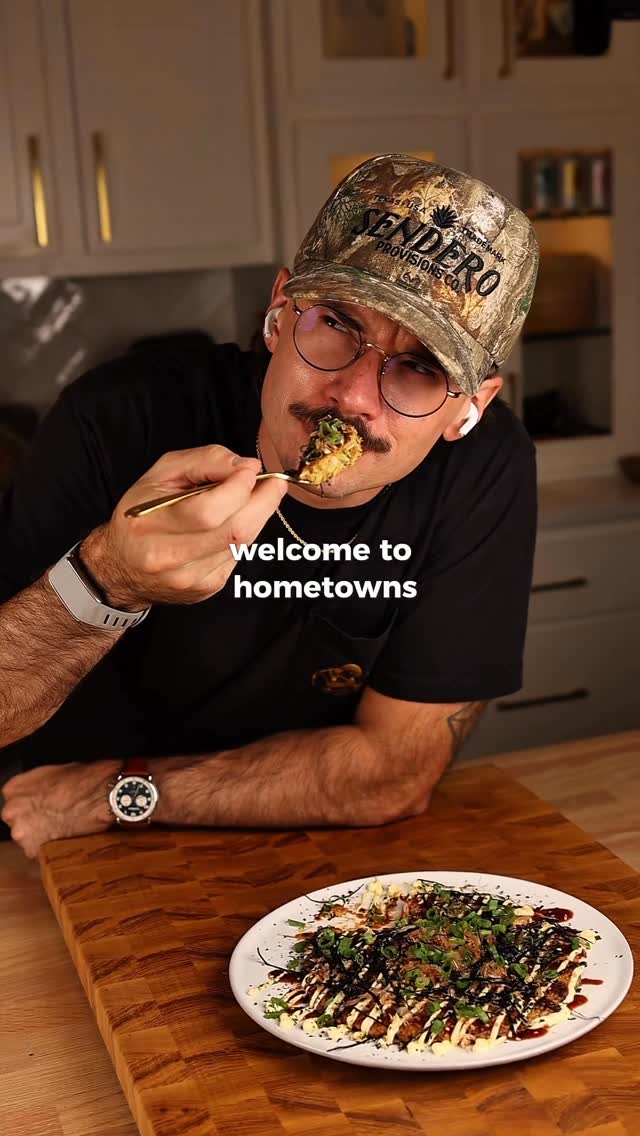
@barefoodtim does it suck? okonomiyaki from osaka, japan 🇯🇵 #okonomiyaki #japanesefood #japanese

@barefoodtim
Instagram · Vlog
@barefoodtim does it suck? okonomiyaki from osaka, japan 🇯🇵 #okonomiyaki #japanesefood #japanese
Performance
Video #25452 · Vlog
[01]
The creator introduces his 'Hometowns' series, where he makes and reviews food from different places. He then demonstrates how to make Okonomiyaki from Osaka, Japan, starting with the sauce, then the batter, and finally cooking the savory pancake. He provides cultural context about it being a post-war dish, garnishes the final product, and delivers his verdict, concluding it's good and asking viewers for their hometown food suggestions.
[02]
[03]
 1.4M56.2×Osaka food tour listicle@hoda_alzubaidi · Rapid Fire Listicle
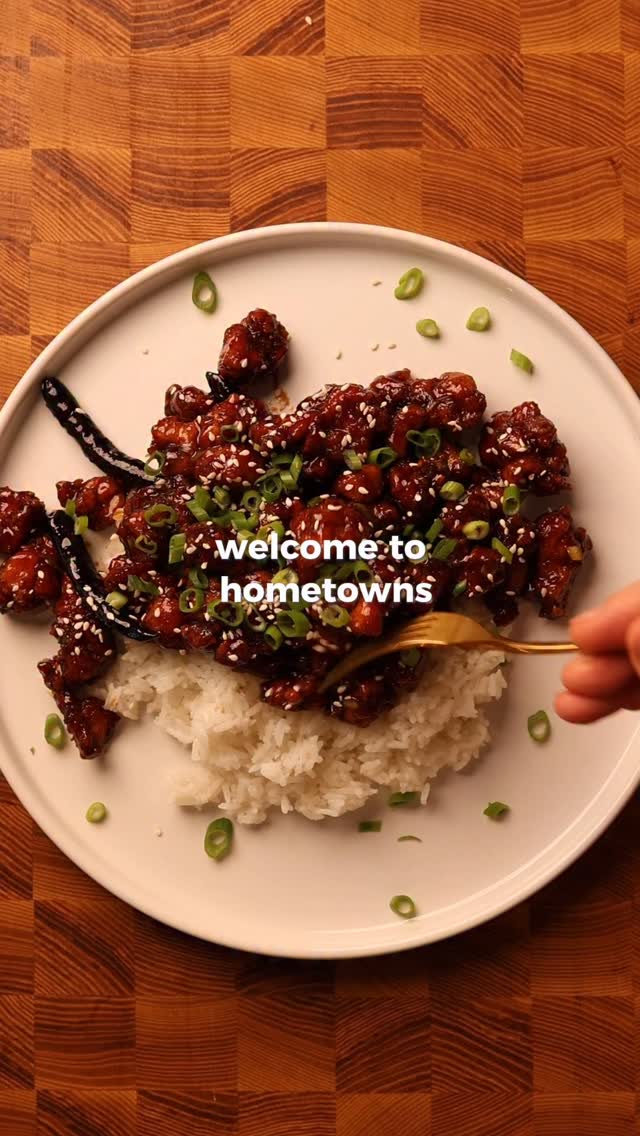 703.2KRecipe tutorial with historical context@barefoodtim · Tutorial / How To
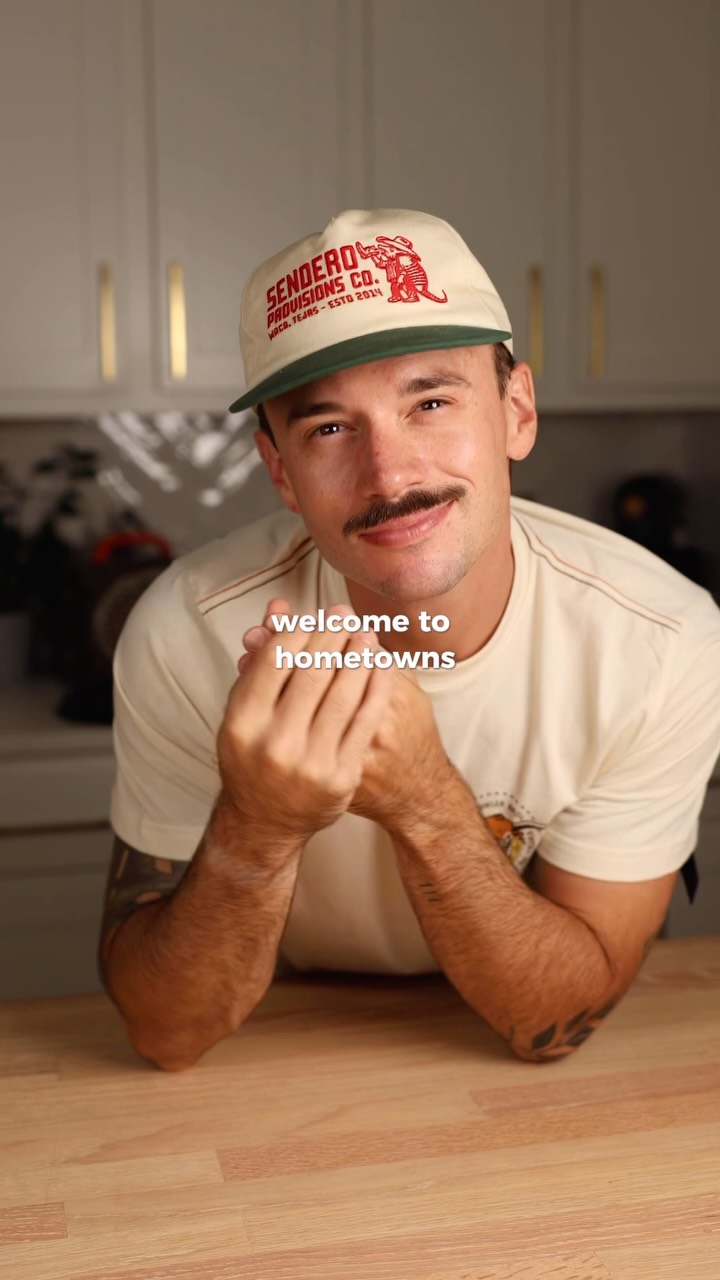 2.5M26.9×Making and rating hometown food@barefoodtim · Tutorial / How To
 1.2MRapid-fire Tokyo food tour@hoda_alzubaidi · Rapid Fire Listicle
 427.9K9×Vlog style local restaurant review@tastebywill · Review
 408.8K5.6×Letting locals plan my NYC day@isaacrochell · Challenge
 555K23.8×Explaining each dish in meal@nickgraynews · Showcase
 455.6K4×Creator reviews a NYC burger@johnny.novo · Review
 96.2K27.9×NYC burger review series episode@brotherlyburgers · Review
 9.9M3.4×Creator critiques disrespectful food influencer@daadisnacks · Reaction
 151.9KCreator tries viewer-suggested food combinations@itspeanutbutterjamietime · Q&A Response
 235.4K4.9×Detailed NYC burger and food review@johnny.novo · Review
[04]
[05]
What stops the scroll in the first 3 seconds
Title hook · 35%
welcome to hometowns
Verbal hook · 50%
Welcome to Hometowns, where I make food from your hometown and tell you if it sucks.
Visual hook · 15%
The video opens with a close-up shot of the creator taking a bite of the finished, fully garnished Okonomiyaki, immediately showing the final result.
[07]
The promise the opener makes, and how the video pays it back
Hook
The video opens by stating a confrontational series premise: the creator will test a subject from a specific origin and deliver a blunt, binary judgment on its quality.
Payoff
The central tension is resolved when the creator's carefully constructed skepticism is overturned by the subject's actual quality, delivering a satisfying surprise and validating the subject.
[08]
The structural pattern this video runs on
Framework
The Skeptic's Gauntlet
A creator introduces a subject with a high-stakes, binary judgment premise ('sucks/doesn't suck'). They then build a narrative of personal skepticism while showcasing the subject's creation, creating tension that is resolved with a surprising, often positive, final verdict.
The Unflattering Introduction
The specific subject is introduced with a description designed to lower audience expectations and create initial doubt (e.g., 'it's a pancake that tastes like fish').
The Skeptic's Analysis
The creator deconstructs the subject's core components while explicitly voicing personal reservations or negative assumptions, aligning the viewer with their uncertainty.
The Outsider's Observation
A humorous or relatable cultural comparison is made that reinforces the creator's role as an impartial (and slightly ignorant) judge, further building their persona.
The Historical Framing
Contextual background is provided for the subject, often framing it as a product of necessity or scarcity, which adds a layer of complexity to the potential final verdict.
The Transformation Montage
A visually satisfying, fast-paced sequence shows the subject being assembled or created, demonstrating the 'work' and process involved.
The Aesthetic Climax
The subject is presented in its final, most appealing form, creating a strong visual contradiction to the skepticism established earlier in the narrative.
The Verdict Callback
The creator directly restates the initial high-stakes question from the hook, focusing all audience attention on the impending judgment.
The Expectation Subversion
The final verdict is delivered, which contradicts the skepticism built throughout the video, providing a satisfying and surprising payoff for the viewer.
The Open Loop
A direct call to action invites the audience to suggest the subject for the next installment, ensuring series continuity and engagement.
does it suck? okonomiyaki from osaka, japan 🇯🇵 #okonomiyaki #japanesefood #japanese
title · beginning
welcome to hometowns
contextual · beginning
where I make food from your hometown
contextual · beginning
and tell you if it sucks
contextual · beginning
today we're making okonomiyaki from Osaka Japan
informational · beginning
it's basically a savory cabbage pancake that tastes like fish
informational · middle
pretty much every culture has their own post war foods that define the era
contextual · end
but does it suck
informational · end
if you can get past the whole fish cabbage pancake thing it's actually really good
informational · end
and it doesn't suck
call-to-action · end
tell me what they eat in your hometown
Welcome to Hometowns, where I make food from your hometown and tell you if it sucks. Today, we're making okonomiyaki from Osaka, Japan. It's basically a savory cabbage pancake that tastes like fish. Oh, boy. Now the okonomiyaki sauce is Worcestershire, ketchup, sugar, and tamari. As someone who does, in fact, judge books by their cover, I gotta say I'm not feeling great about this one. I guess I also didn't know that they bad Worcestershire in Japan. It's always seemed more like a Texas Roadhouse thing to me. Now pretty much every culture has their own post war foods that define the era. Because as it turns out, humans can't avoid conflict. Here in America, we got TV dinners and green bean casserole. Meanwhile, Japan got a konamiaki. Rice was scarce, but they had access to flour. So they loaded up accessible toppings and mixed it in with crepe batter. Someone tell IHOP I got an idea for them. This is garnished with Kewpie mayo, dried bonito, which is tuna, and green onion. But does it suck? Well, if you can get past the whole fish cabbage pancake thing, it's actually really good, and it doesn't suck. Tell me what they eat in your hometown.