The narrative follows a creator who initially resists doing something, only to pivot and execute an over-the-top version of it, using a specific product to overcome a key logistical challenge inherent to their ambitious plan.
- 1
The Relatable Burnout
The creator explains their initial decision to opt-out of an activity, citing a common and understandable reason (e.g., exhaustion, frustration, boredom) to build immediate rapport with the audience.
- 2
The Maximalist Reversal
A 'but then...' moment where the creator reveals they didn't just change their mind, but became obsessed with executing an extreme, highly ambitious version of the activity they were avoiding, creating a dramatic narrative pivot.
- 3
The Personal Doctrine
The creator justifies their new, extreme approach by stating a core personal belief or aesthetic preference that makes the ambitious plan feel authentic and purposeful, rather than random.
- 4
The Logistical Hurdle
The creator explicitly points out a practical, non-obvious problem that arises directly from the scale and ambition of their new plan. This manufactures a need and sets the stage for the product.
- 5
The Essential Tool Reveal
The product is introduced as the specific, necessary solution to the logistical hurdle, framed as an indispensable partner in achieving the vision. Key benefits (like safety, efficiency) are highlighted.
- 6
The Solution in Action
A montage or series of shots shows the product being used repeatedly and effectively to tackle the problem at scale, proving its value and utility within the project.
- 7
The Climactic Transformation
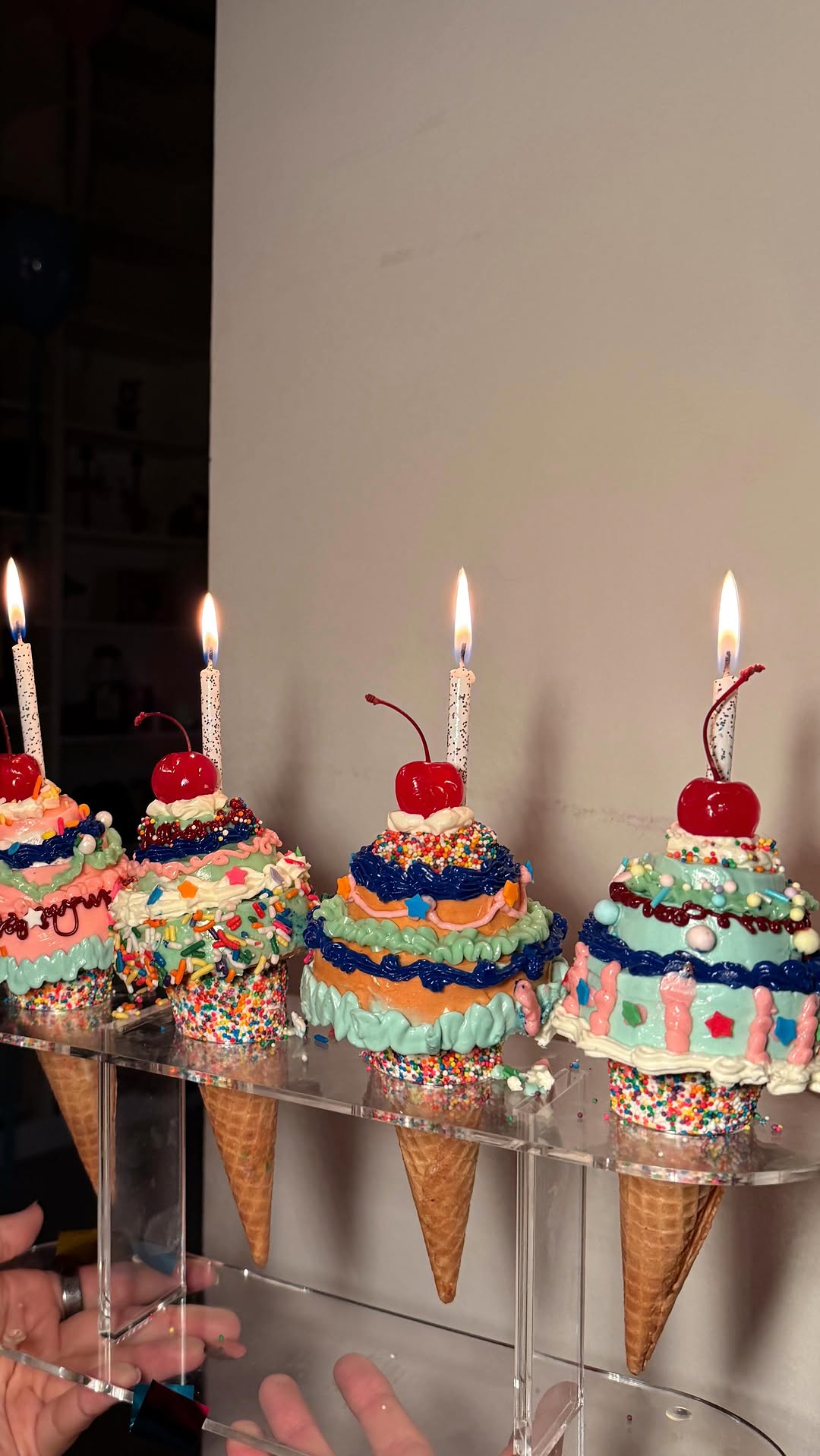
The final, spectacular result of the project is revealed, showcasing the full realization of the creator's ambitious vision. The narration connects this successful outcome directly to the use of the product, framing it as the enabler of the final 'magical' moment.