@theironsnail
Instagram · Speaker address
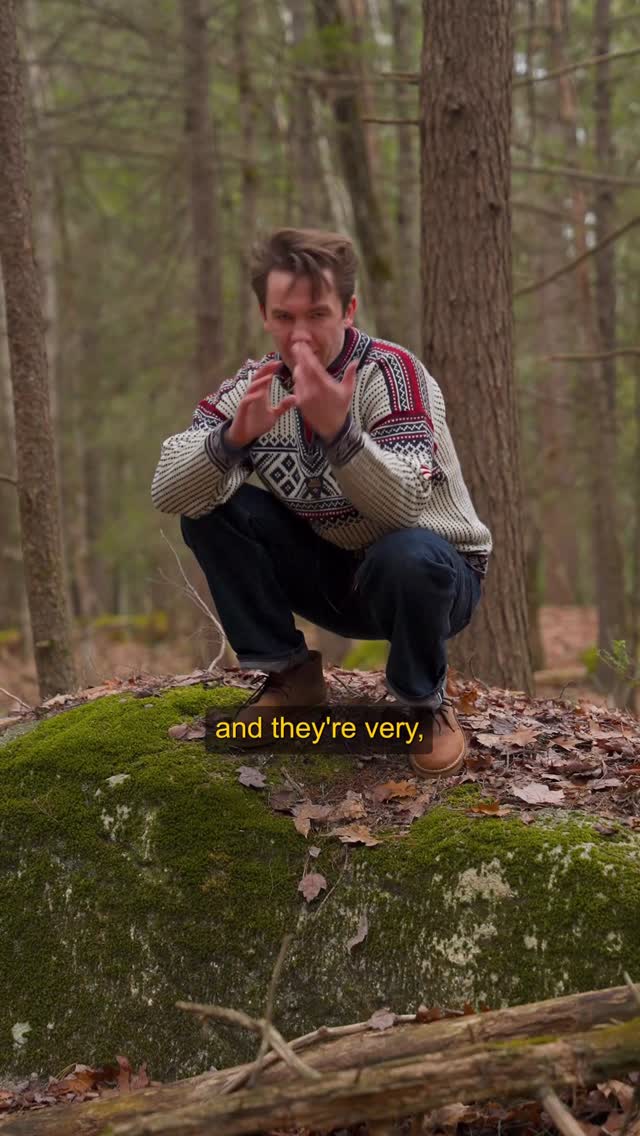
@theironsnail How Norwegians made your sweater warmer.

@theironsnail
Instagram · Speaker address
@theironsnail How Norwegians made your sweater warmer.
Performance
Video #29146 · Speaker address
[01]
The creator explains the history of the Norwegian sweater, claiming it was an innovation superior to fur or wool coats. He introduces the 'Lusekofte' (lice jacket) and breaks down the problem with traditional outerwear (heavy, not breathable). The creator then demonstrates the solution: 'stranded knitting,' a technique using two strands of yarn to create a thicker, warmer, and more insulated fabric. He concludes by explaining that the iconic patterns serve a functional purpose as anchors for the second strand of yarn, preventing snags.
[02]
[03]
 464.6K6.4×Explaining a creative design solution@yitaigeng · Origin Story
 856.9K1.7×Ironic story via text overlay@paigelorenze · Relatable One Shot
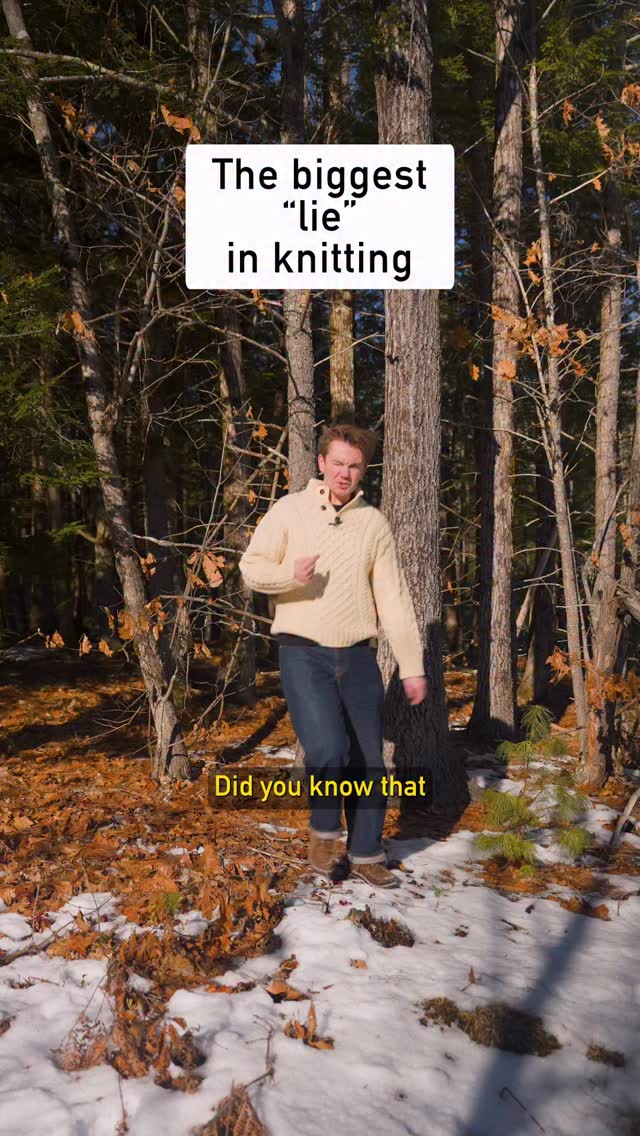 209.9KMyth-busting the Aran sweater story@theironsnail · Breakdown
 9.8M564×Explaining wool jacket tech benefits@thisisantwon · Product Demo
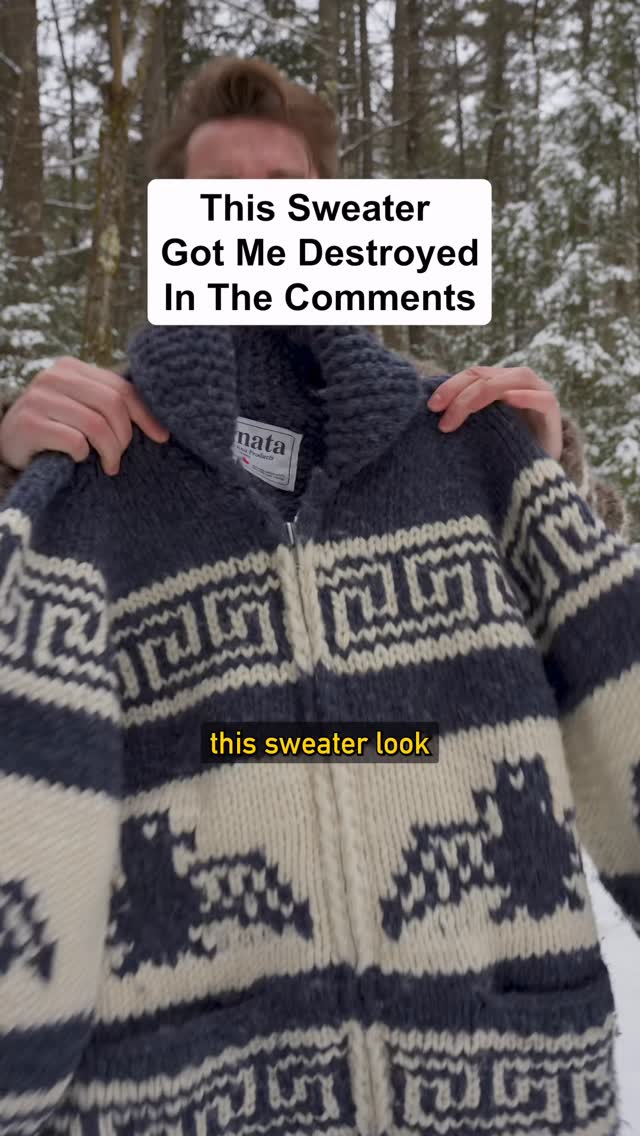 229.8KExplains sweater controversy with history@theironsnail · Origin Story
 275.8K4.7×Designer shares jacket's personal story@yitaigeng · Origin Story
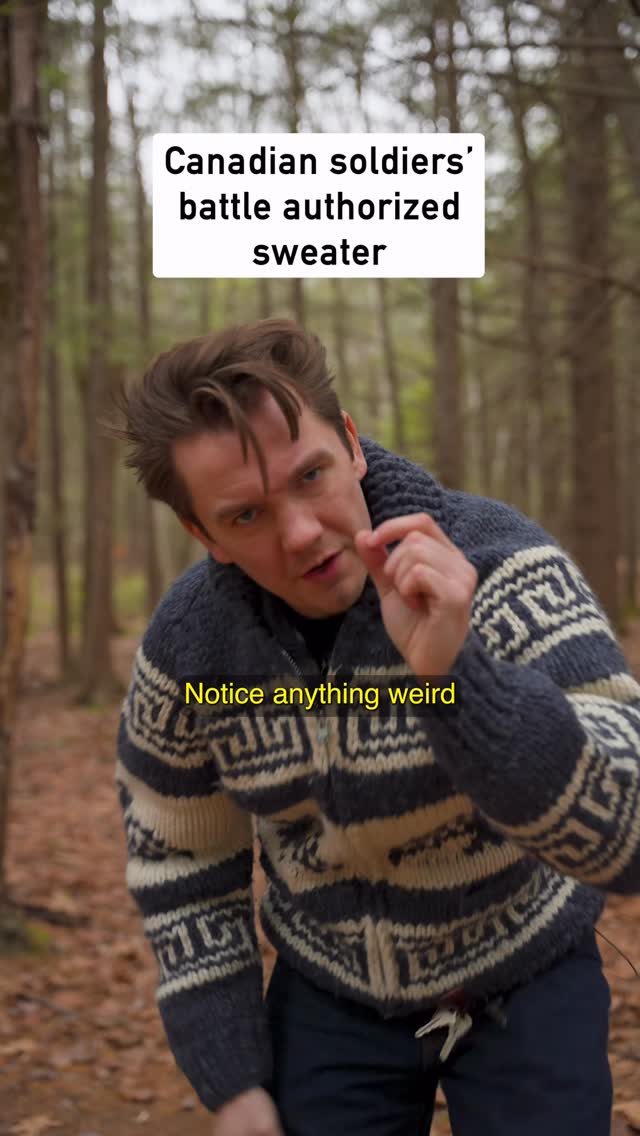 1.4M3.2×Explaining the history of a sweater@theironsnail · Origin Story
 266.1K28×Historical breakdown of wool types@gents.studios · Hot Take
 814.7K1.3×Designer explains jacket creation process@frontoffice.co · Origin Story
 124KKnitting project for leftover yarn stash@hyphygrandma · Buying List
 466.3K2.4×Outfit story reveals material lesson@itsjrue · Anecdotal Philosophy
 336.5K3.1×Finishing and modeling knit sweater@hyphygrandma · Lifestyle Showcase
[04]
[05]
What stops the scroll in the first 3 seconds
Title hook · 45%
How Norway Made Sweaters Warmer
Verbal hook · 50%
200 years ago, the Norwegians invented a sweater that they said was better than a fur coat and better than a big heavy wool coat.
Visual hook · 5%
The creator stands in a forest, wearing the sweater in question, and makes an energetic, slightly frantic hand gesture while speaking, creating immediate movement and visual interest.
[06]
Steal this for your own video
years ago, the invented a they said was better than and better than .
[07]
The promise the opener makes, and how the video pays it back
Hook
A high-stakes historical claim that positions an everyday object as a superior, almost magical invention, creating an immediate 'how?' question for the viewer.
Payoff
The viewer gains a new appreciation for the object, feeling like they've been let in on a secret. The initial bold claim is proven, providing a satisfying intellectual and narrative closure.
[08]
The structural pattern this video runs on
Framework
The Hidden Genius Framework
Deconstructing a seemingly simple object or concept to reveal a hidden layer of ingenuity that solves a common problem. The narrative is structured as a mystery-reveal, where a small visual detail is the key to a larger innovation.
The Visual Enigma
The narrator isolates a small, seemingly insignificant visual detail (the 'dots') and presents it as the key to the entire mystery, focusing viewer attention and building curiosity.
The Problem Framing
The narrative establishes context by explaining the flaws of common alternatives (heavy fur/wool coats, not-warm-enough sweaters), thereby defining the specific problem the innovation was designed to solve.
The Foundational Principle
The fundamental technique or concept behind the innovation is explained in simple terms (using two strands of yarn instead of one).
The 'Inside-Out' Demonstration
A physical reveal that shows the hidden inner workings of the object, providing a tangible 'aha!' moment where the abstract concept becomes concrete and understandable.
The Functional Payoff
The final explanation connects the initial visual enigma (the dots) to the core principle, revealing its true, non-obvious function (anchoring the second strand) and fully resolving the mystery.
How Norwegians made your sweater warmer.
title · beginning
How Norway Made Sweaters Warmer
informational · middle
*(it used more yarn, was less comfortable, etc.)
Two hundred years ago, the Norwegians invented a sweater that they said was better than a fur coat and better than a big heavy wool coat. The secret to the magic sweaters were all of these little dots. This specifically is a variation of the Lusikofte or the lice jackets, and these would be considered lice. Wool and fur coats are very very heavy and they're very very warm, but they're also very heavy. Did I say that? If you're trying to work on a mountain, they'll keep you warm, but you also can't really move around in them. They're not super breathable rank you will sweat a lot. Now for the most part, any old sweater would have fixed most of those issues except one. They were not warm enough. For some reason, I don't know why they just didn't wear two sweaters. I feel like that would good been easier, but still, tier thought of something else. Or they didn't think of it, but they employed this technique in a specific way. Pretend this is the inside of a sweater. Typically, when you're knitting, you use one strand of yarn. When you're knitting something like this though, you're using two strands of yarn at the same time. So when we flip this inside out, we have those white yarns that you saw, but those blue yarns are running over everything too, making a really spongy thick knit. That technique is called stranded knitting. You get a really thick, really warm sweater and these blue dots or snowflakes or reindeer or symbols serve as an anchor for that second strand of yarn to basically hold it down into the sweater no your hands and fingers don't get stuck in the yarn a lot.