Viral Hooks
Trending short videosHistorical breakdown of wool types
G

@gents.studios

Instagram · Talking Head Edit

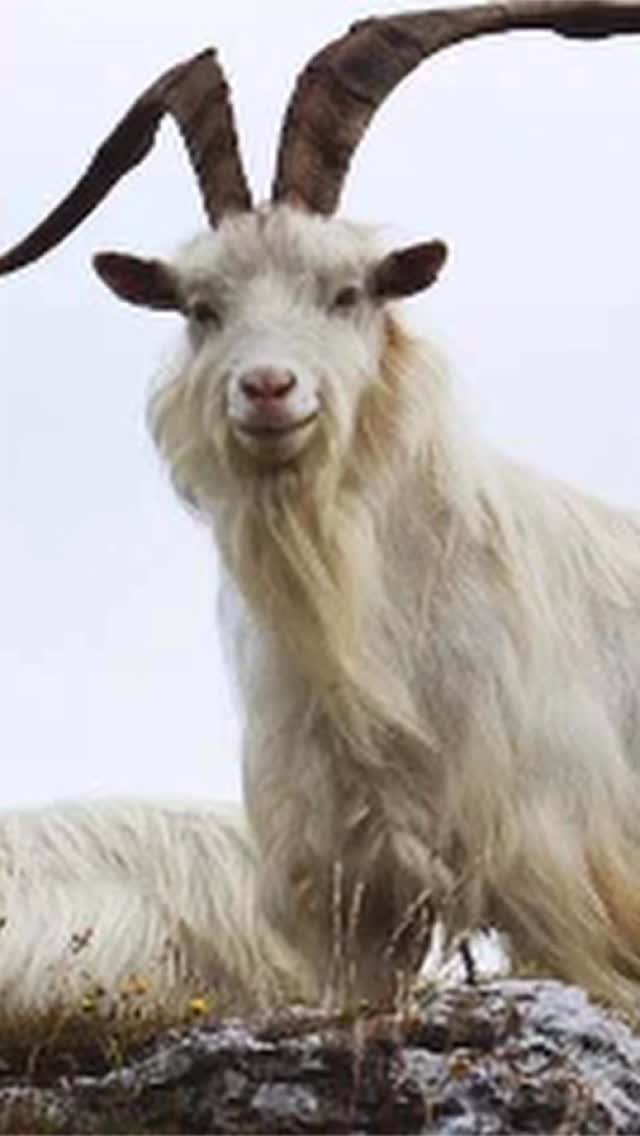
@gents.studios 3 minutes and I barely scratched the surface on these absolute powerhouses: alpaca, merino, cashmere and mohair. What is your favourite wool and why? Can’t wait to be back and posting again - would you guys join a substack and discord community so we can discuss more things fashion? #fashion #melbourne #clothingbrand #clothing #wool

View original on Instagram

The edit1 shot · 7 text
Shots Text

Performance

Views
266.1K
Likes
19.8K
Comments
216
Engagement
7.5%
Outlier
28×

Video #17830 · Talking Head Edit

Historical breakdown of wool typesfrom @gents.studios

[01]

Overview

The creator presents a "hot take" that the softest fibers are not always the best for long-term wear. He contrasts the historical, survival-based use of fibers with modern luxury marketing. He then begins a detailed breakdown of specific fibers, starting with alpaca, explaining its geographical origins, unique properties like hollow fibers and lack of lanolin, and the functional trade-offs like low elasticity, which dictated its historical use in loose, layered garments.

[02]

Simple outline

  1. 1State contrarian thesis
  2. 2Establish historical framework
  3. 3Analyze item's origin
  4. 4Reveal functional trade-off
  5. 5Provide modern application

[03]

Related videos

[04]

Classification

Concepts
Hot TakeBreakdown
Elements
B-Roll CutawayText Overlay

[05]

Hook analysis

What stops the scroll in the first 3 seconds

Title hook · 45%

hot take the softest fiber in the world

Verbal hook · 40%

Hot take, the softest fiber in the world is often the worst one to wear long term.

Visual hook · 15%

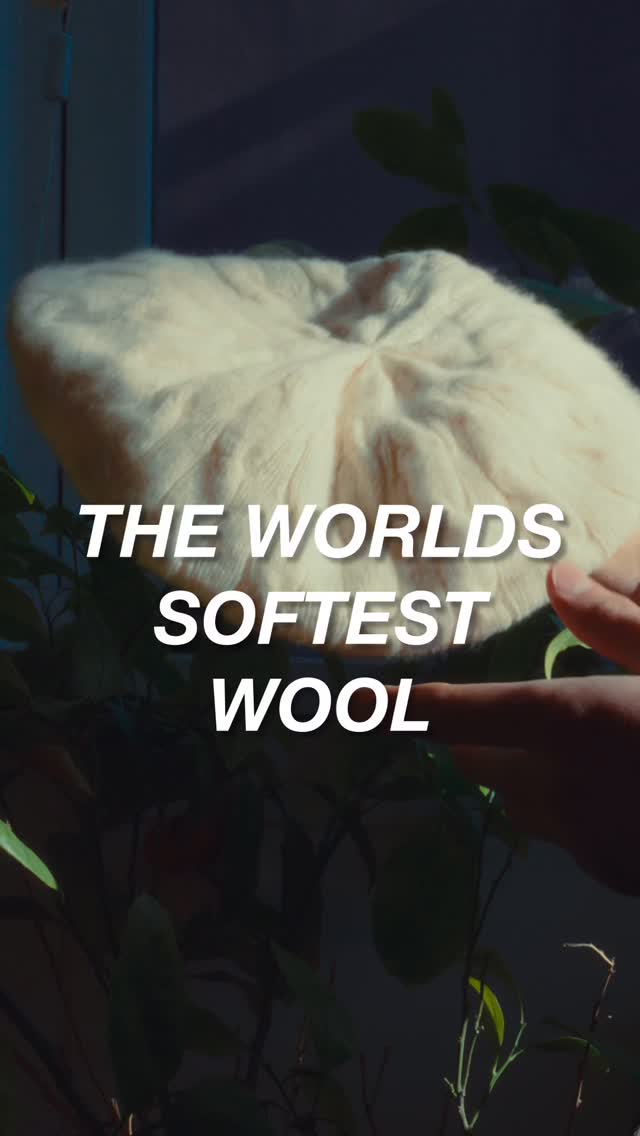
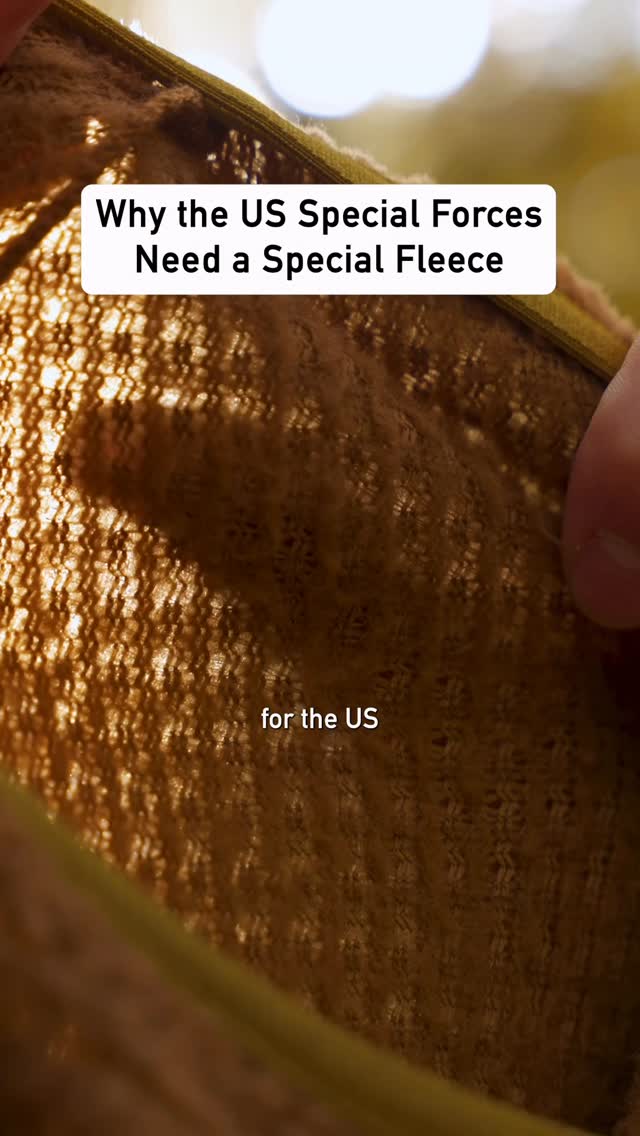
A rapid cut from the speaker talking to the camera to an extreme close-up of soft, textured, folded fabrics, creating a strong visual and textural pattern interrupt.

[07]

Hook and payoff

The promise the opener makes, and how the video pays it back

Hook

A provocative, counter-intuitive statement that challenges a popular belief about a category of items, creating an immediate knowledge gap.

Payoff

The payoff for each segment is the 'modern takeaway,' which provides a practical, actionable insight that reframes the viewer's understanding. The overall video payoff is the tease for the next item, creating an open loop.

[08]

Narrative framework

The structural pattern this video runs on

Framework

The Historical Deconstruction

To re-evaluate commonly held beliefs about a category of items by revealing their functional origins and hidden trade-offs, contrasting historical purpose with modern perception.

  1. 1

    The Contrarian Thesis

    The video opens with a 'hot take' or controversial opinion that immediately grabs attention by contradicting common knowledge (e.g., 'the softest is the worst').

  2. 2

    The Analytical Framework

    The creator establishes the lens through which they will analyze the items, shifting the context from a modern/superficial one (e.g., luxury) to a historical/functional one (e.g., survival). This positions the creator as an authority with deeper insight.

  3. 3

    The Item Analysis Gauntlet

    The first item in the list is subjected to a rigorous, multi-step analysis that follows a repeating pattern. This educates the viewer on the new framework in action and sets expectations for subsequent items.

  4. 4

    The Next Chapter Hook

    The next item is introduced with a compelling title or question, creating anticipation and encouraging the viewer to continue watching the series or video.

Themes

  • Material Science
  • History of Clothing
  • Consumer Education
  • Myth Busting

Techniques

  • Direct Address
  • Historical Contextualization
  • Comparative Analysis

Trends

  • Educational Content
  • In-depth Explainer

Post caption

3 minutes and I barely scratched the surface on these absolute powerhouses: alpaca, merino, cashmere and mohair. What is your favourite wool and why? Can’t wait to be back and posting again - would you guys join a substack and discord community so we can discuss more things fashion? #fashion #melbourne #clothingbrand #clothing #wool

Text overlays

  • title · beginning

    hot take the softest fiber in the world

  • title · beginning

    is often the worst one to wear long term

  • informational · beginning

    let's talk about alpaca Merino wool cashmere and mohair

  • informational · middle

    fibers weren't chosen for luxury they were chosen for survival

  • informational · middle

    alpaca has really low elasticity

  • informational · end

    alpaca is hypoallergenic warm and comfortable but not structured

  • informational · end

    the engineering fibre

Transcript

Hot take, the softest fiber in the world is often the worst one to wear long term. Let's talk about alpaca, merino wool, cashmere, and mohair, and why history tells us a very different story than modern marketing. For most of human history, fibers weren't chosen for luxury, they were chosen for survival. Climate, labor, durability, and function shaped every fiber we call premium today. First off we have Alpaca, the Andean insulator. It comes from the High Andes of Peru and Bolivia dominated by extreme altitude, extreme cold, and huge temperature swings. Hollow fibers fibers trap heat, meaning there's exceptional warmth to weight ratio. It's smooth, low prickle, but it has no lanylin, which is a natural waxy substance sheep secrete to keep their wool waterproof. But keep in mind, some people are actually allergic to lanylin. That's why they get itchy with wool sweaters. And here's the trade off history teaches us, alpaca has really low elasticity. It drapes beautifully better it doesn't snap back. Here's the takeaway, alpaca is hypoallergenic, warm, and comfortable better not structured. That's why it was historically worn loose, layered, or blended, not tailored tight. Now merino engineering fiber. It didn't dominate because it

Historical breakdown of wool types | Viral Hooks