@theironsnail
Instagram · Talking Head Edit
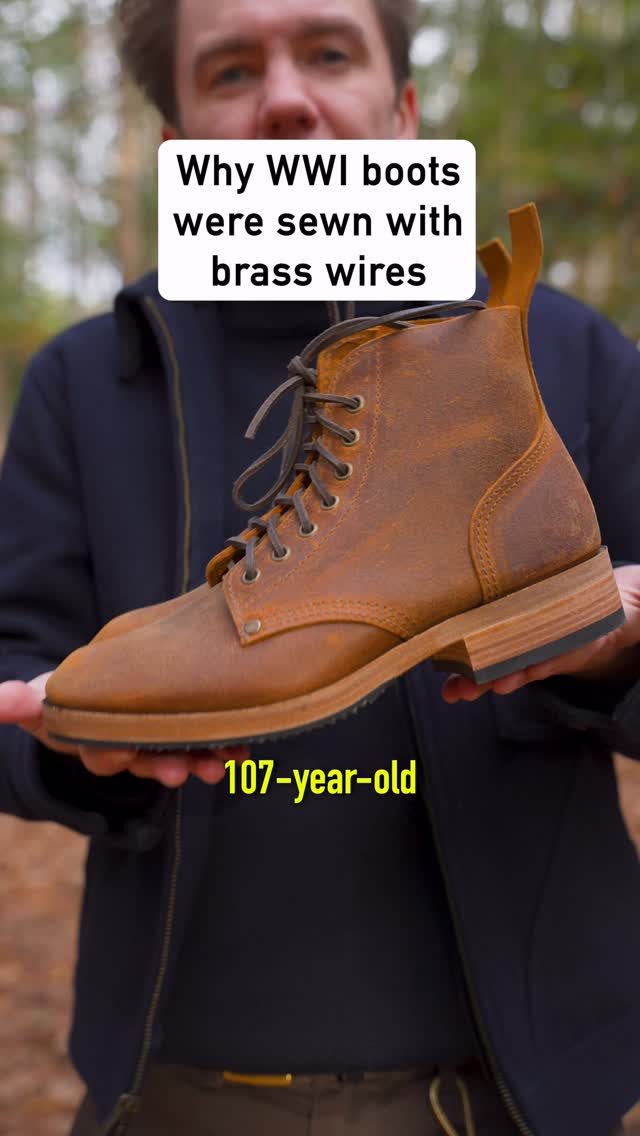
@theironsnail Boots to keep your feet on (theoretically).

@theironsnail
Instagram · Talking Head Edit
@theironsnail Boots to keep your feet on (theoretically).
Performance
Video #29155 · Talking Head Edit
[01]
The creator presents a replica of a World War I boot and explains the historical problem of trench foot that necessitated its unique design. He breaks down the various water-resistant features, such as thick and reversed leather, before revealing the key innovation: brass wire stitching. The creator explains this technique was crucial because it prevented the boots' threads from rotting in the wet trenches, thus keeping the boots intact and protecting soldiers' feet.
[02]
[03]
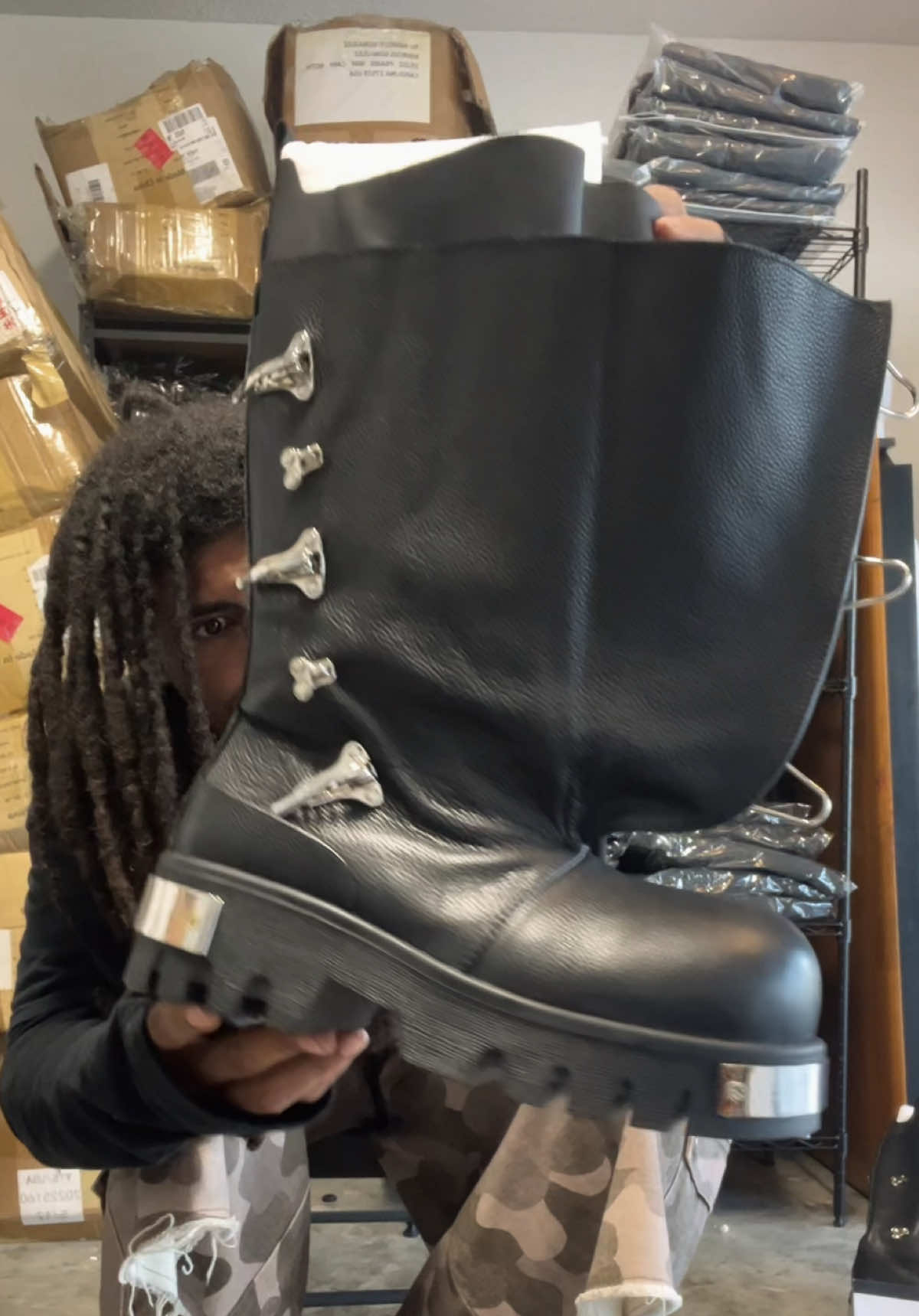 279K7.4×Fashion designer unboxes his $5,000 boots after nine months of development@marcus.eryk · Origin Story
 196.8KPotter makes boot from clay@l8loomer · Process
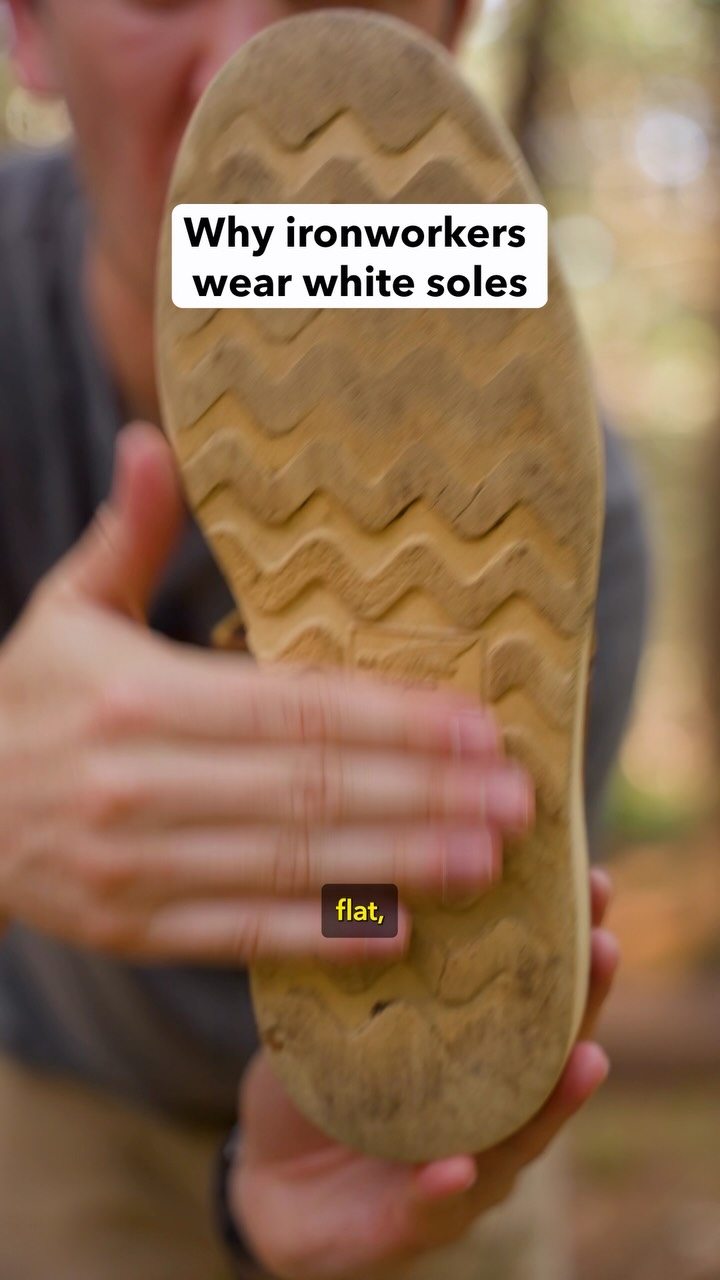 1.1M1.8×Explaining the 'why' behind design@theironsnail · Opportunity Explainer
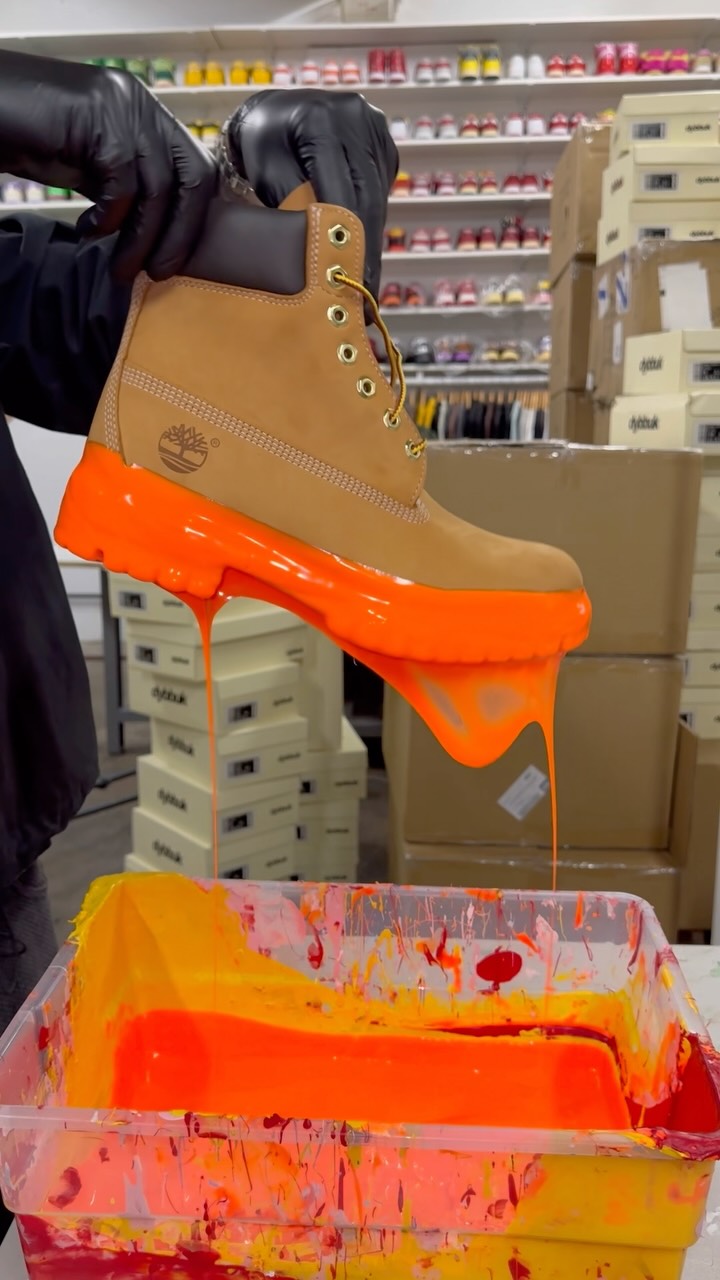 1.3MShowcasing custom dipped boot process@donnyskyrat · Process
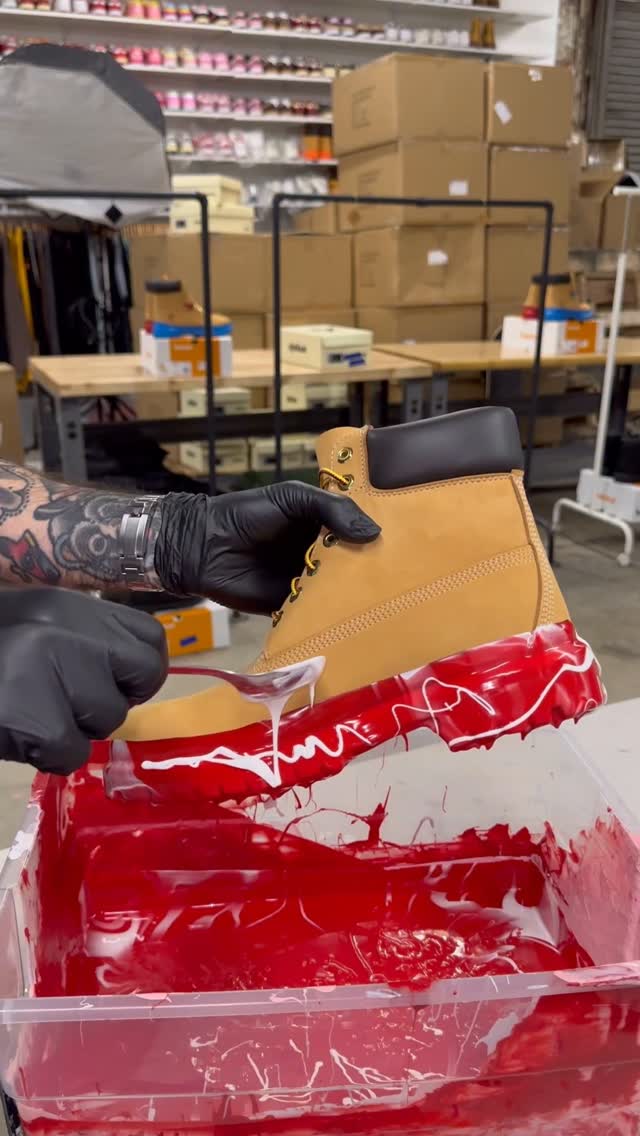 2M2.1×Showing boot sole marbling process · Process
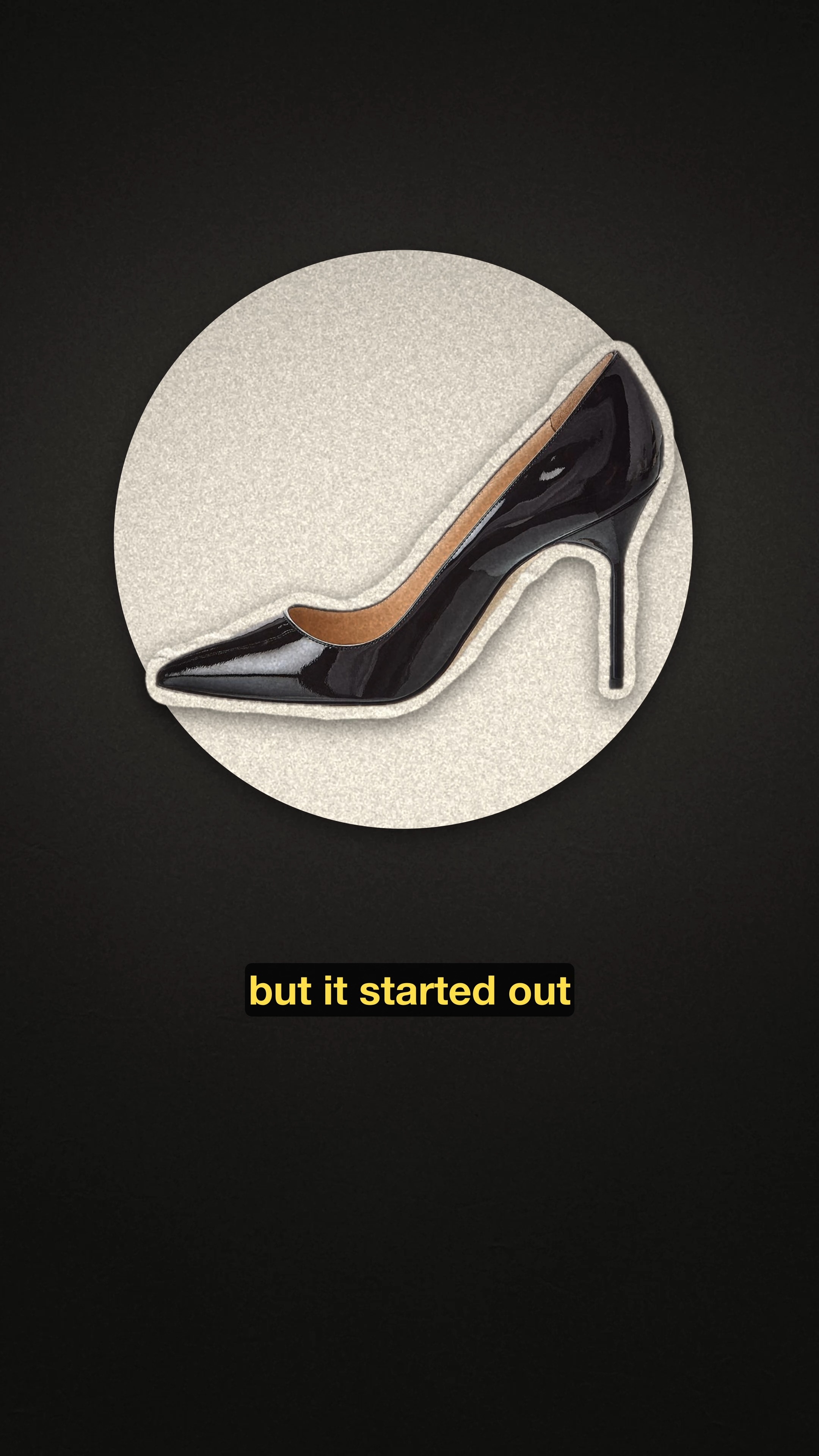 2.7M54.4×Explaining the surprising origin of heels@fineasjackson · Origin Story
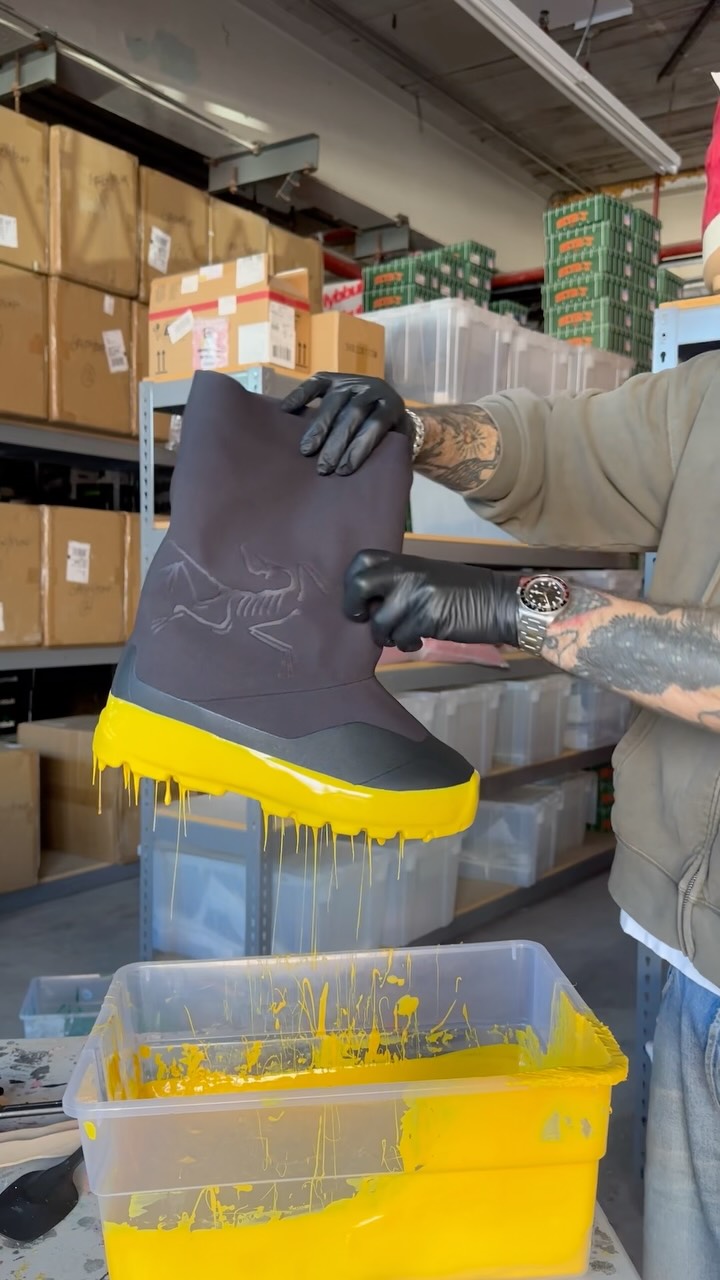 524.5K2×Showing boot customization process@donnyskyrat · Process
 491.6KStyle evolution leads to recommendations@hugomacwood · Evolution Showcase
 135.1K15.1×Brand manifesto for shoe collaboration@telfarglobal · Brand Manifesto
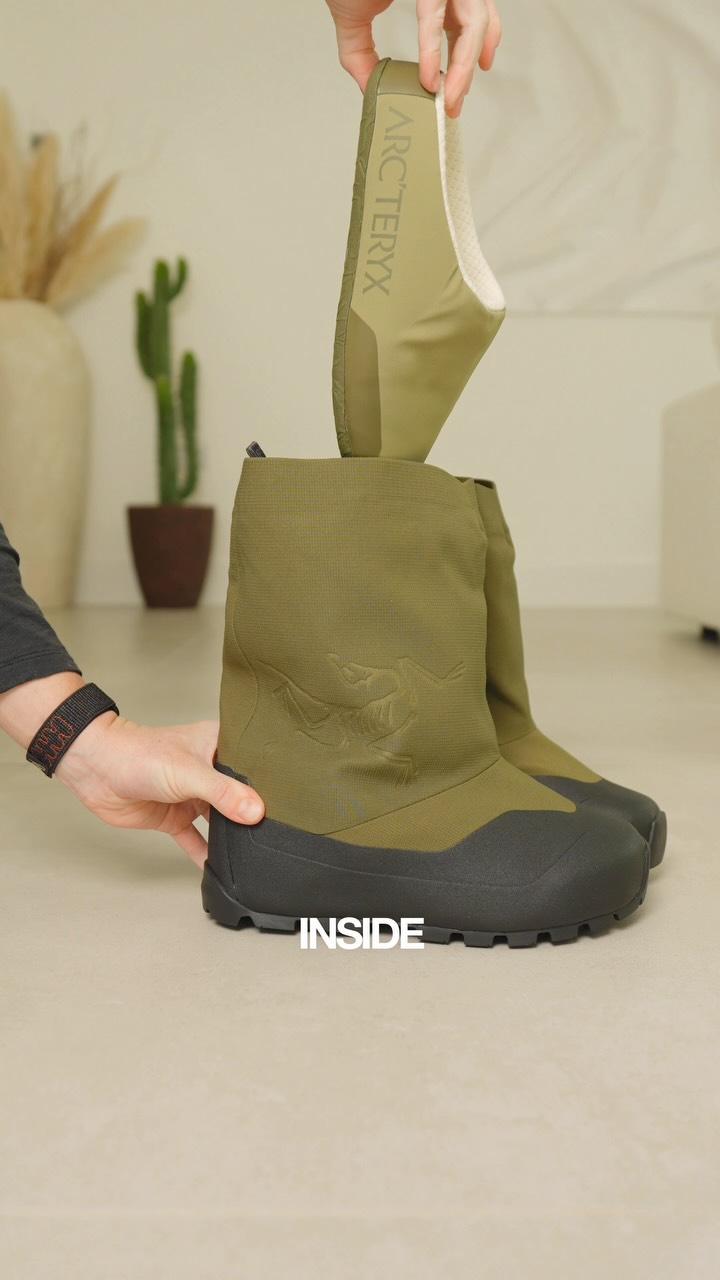 458.7K1.5×Boot unboxing with surprise feature@elliotpagesneakers · Product Showcase
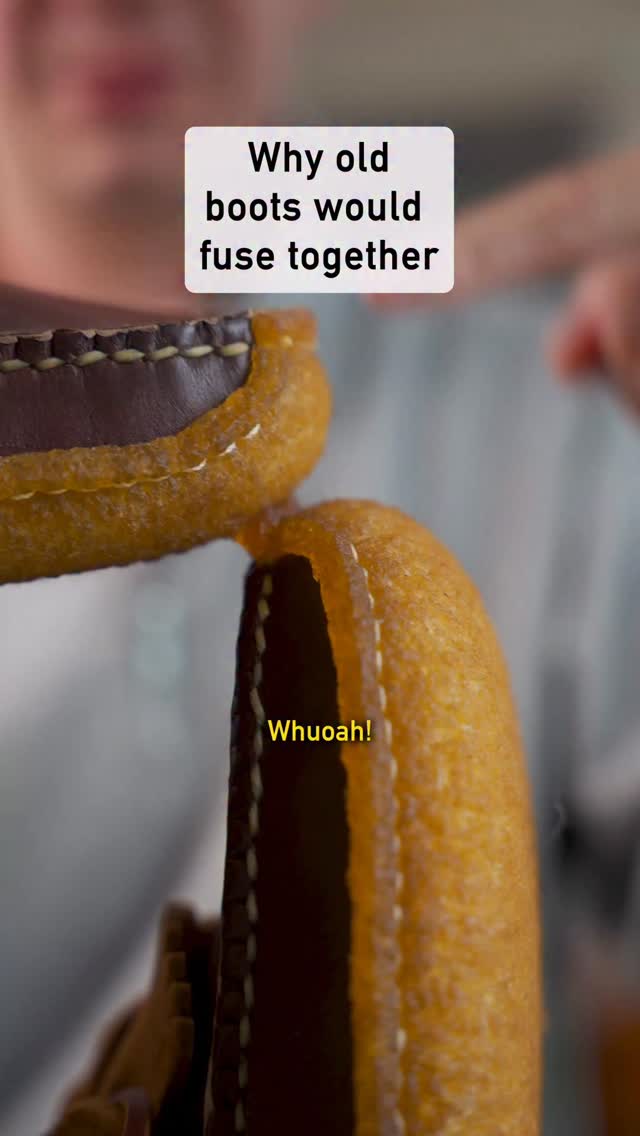 4.2M4.4×Explaining a weird boot feature@theironsnail · Breakdown
 245.9K71×Problem-solution pitch for goth footwear@diewithbootson
[04]
[05]
What stops the scroll in the first 3 seconds
Title hook · 35%
Why WWI boots were sewn with brass wires
Verbal hook · 60%
These are replicas of a 107-year-old World War I boot that were specifically designed to prevent soldiers' feet from falling off.
Visual hook · 5%
A man in a forest setting holds up a distinct brown leather boot, presenting it to the camera with a focused expression, creating immediate intrigue about the object.
[06]
Steal this for your own video
This was specifically designed to prevent — and the reason why changes how you see forever.
[07]
The promise the opener makes, and how the video pays it back
Hook
An extreme or counter-intuitive claim about an object's function, creating an immediate 'Why?' or 'How?' question that demands an answer.
Payoff
A definitive concluding statement that confirms the problem has been solved, providing a sense of closure and intellectual satisfaction for the viewer.
[08]
The structural pattern this video runs on
Framework
The Hidden Flaw Funnel
To solve a compelling problem by first presenting and debunking common-sense solutions, then revealing a hidden, more fundamental flaw, and finally delivering a surprising and elegant innovation that addresses that specific flaw.
The Problem Context
Establishes the high-stakes historical or environmental scenario that necessitates a unique solution, grounding the initial claim in a tangible reality.
The Inadequate Solutions Gauntlet
Presents one or more logical, common-sense attempts to solve the problem, explaining their merits but implicitly positioning them as incomplete.
The Critical Pivot
A sharp verbal and visual transition that invalidates the previous attempts and signals that the *real* problem has not yet been addressed, creating a mini-cliffhanger.
The Hidden Flaw Revelation
Exposes the true, underlying point of failure that the common-sense solutions overlooked, reframing the entire problem for the viewer.
The Genius Solution Payoff
Reveals the specific, non-obvious innovation that directly solves the hidden flaw, providing the 'aha!' moment and answering the video's central question.
The 'How It Works' Breakdown
Provides a concise mechanical explanation of the solution, often using an analogy or visual aid to make a complex process easily understandable.
Boots to keep your feet on (theoretically).
title · beginning
Why WWI boots were sewn with brass wires
branding · end
source: Goral x William Lennon
These are replicas of a 107 year old Worse War one boot that worse specifically designed to prevent soldiers best from falling off. It's also considered one of the strongest boot construction techniques ever made. During World War one, trench warfare became a thing and all of a sudden soldiers feet were constantly submerged or wet all of the time. If you're a boot better in the nineteen tens and you're trying to design a boot that can be in water for a very long period of time, you can do a few things. Number one, you can stack a lot of very thick pieces of leather together to keep your feet drier longer. You can also reverse your leather no it's fuzzy on the outside. That was actually done for a few other reasons too, but fuzzy side out means if you're a soldier and you're rubbing your boots with waxes and oils to prevent water from coming in, it holds a lot more and they're more water resistant. But none of them are gonna matter if we didn't have this. All of those advancements, while great, were still sewn together with cotton or linen threads. Cotton and linen thread are great except if you're in a trench for a very long time because then they best away and your boots open up, letting the water in. These are b five replica boots by William Lennon who made boots in Worse War one. And see how that is not cotton or linen? That's brass. A lot of boots at the time were made with brass wire construction. So this giant machine would spin brass wire threads through the boots to a specific depth. So think of these as a bunch of screws without a head going around the entire boot like a thread would. Bing, bang, boom. Problem solved. Ish. You still have the