@fineasjackson
Instagram · Talking Head Edit
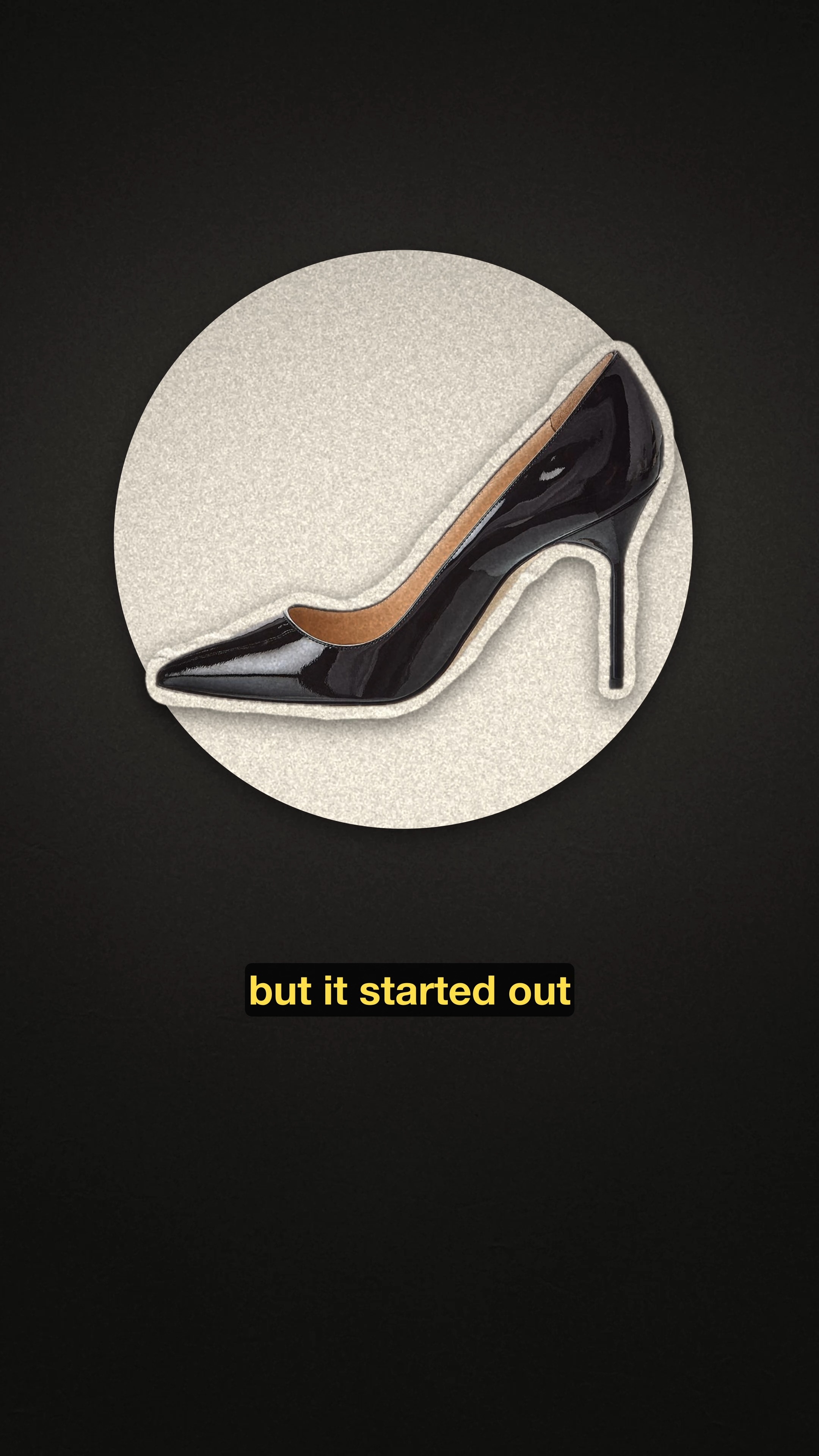
@fineasjackson They were made for soldiers on horseback… so why don't men wear them? The origins of the high heel

@fineasjackson
Instagram · Talking Head Edit
@fineasjackson They were made for soldiers on horseback… so why don't men wear them? The origins of the high heel
Performance
Video #47289 · Talking Head Edit
[01]
The creator explains the surprising and practical origin of the high heel, tracing its history from a piece of battle gear for Persian cavalrymen to its introduction into European fashion. He uses a combination of direct address and animated graphics to illustrate how the heel was designed to lock a rider's foot into a stirrup for stability during combat.
[02]
[03]
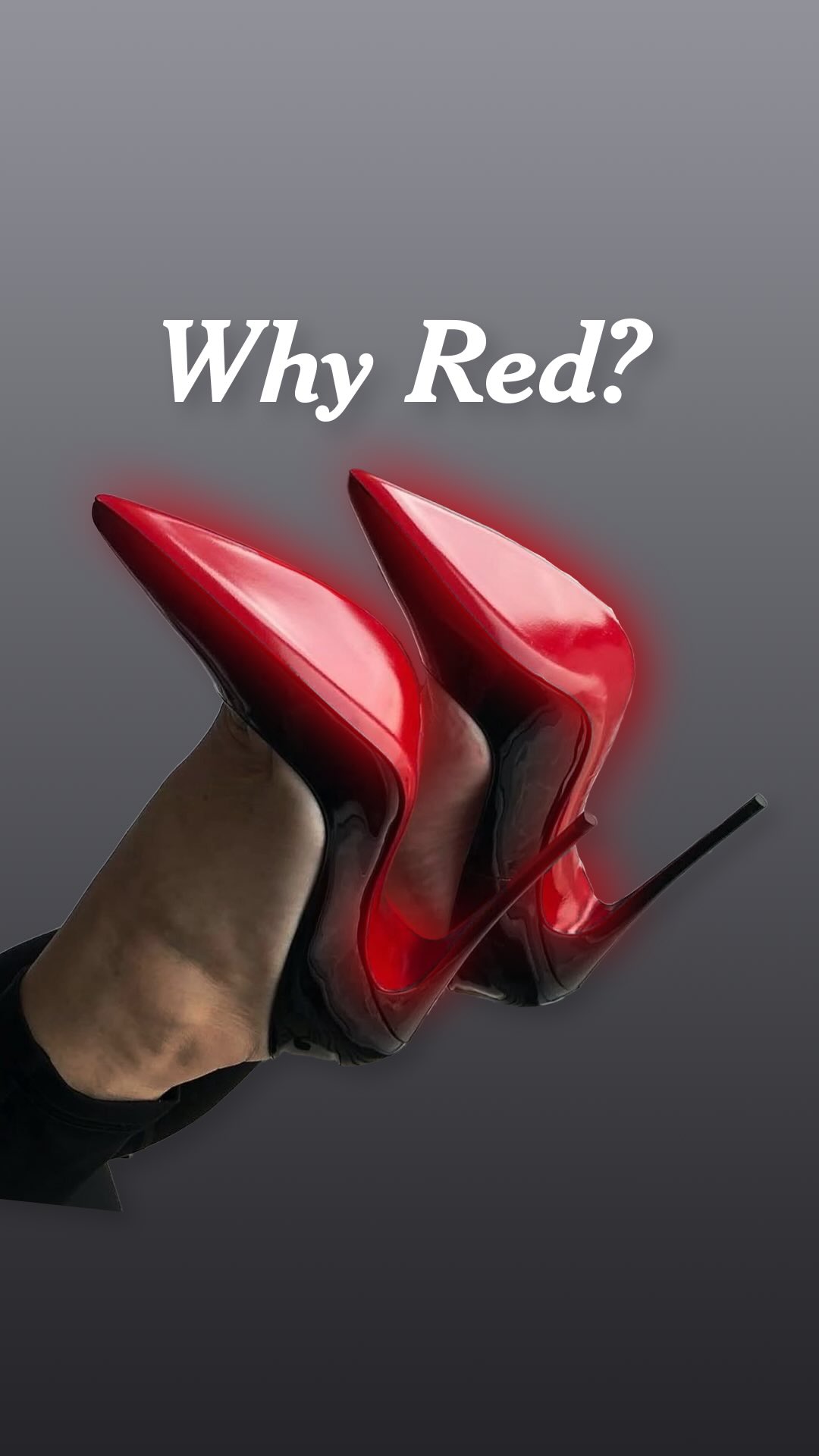 2.8M3.5×Red sole origin story explained@alextwma · Origin Story
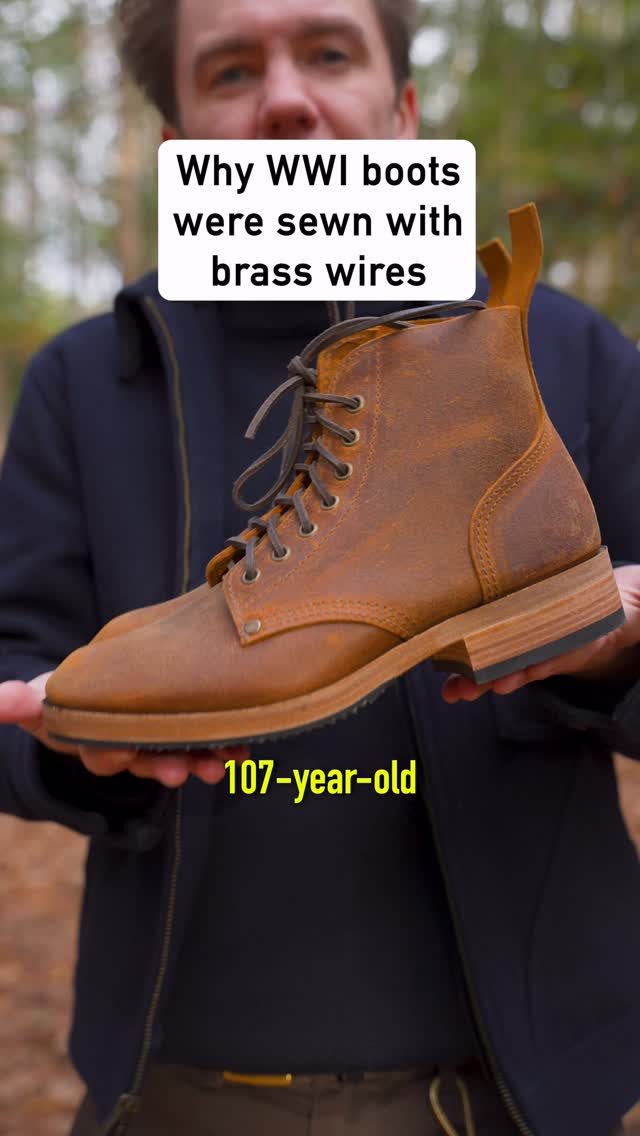 1.3M1.2×Explaining historical boot design features@theironsnail · Breakdown
 832K18.8×Historical explainer pivots to product promo@americana.pipedream · Strange but True
 1.9M22.8×Dropped lipgloss to reveal boots@amandanelz · Skit
 1.1M1.8×Explaining the 'why' behind design@theironsnail · Opportunity Explainer
 965.7K20.8×Peeling sticker off holographic shoe@bragaisjojo · Showcase
 279K31.2×Product showcase with aesthetic shots@esquiregolf · Product Showcase
 512.9K1×Why these shoes have rope@theironsnail · What Is X?
 762.4K1.2×Luxury shoe brand alternatives list@connoisseurbyhugo · Anti-Recommendation List
 279K7.4×Fashion designer unboxes his $5,000 boots after nine months of development@marcus.eryk · Origin Story
 245.9K71×Problem-solution pitch for goth footwear@diewithbootson
 3.1M58.9×Shoe design demo with bold claim@therealpatharris · Showcase
[04]
[05]
What stops the scroll in the first 3 seconds
Verbal hook · 100%
Look at this shoe.
Visual hook
Medium close-up of an expressive speaker talking directly to the camera, using dynamic hand gestures, followed by a quick cut to an animated graphic of a high heel.
[06]
Steal this for your own video
Look at this .
[07]
The promise the opener makes, and how the video pays it back
Hook
Begins by highlighting the well-known negative or impractical aspects of a familiar object, creating a paradox that begs the question of its existence.
Payoff
Explains how and why the new culture adopted the object, re-contextualizing it from a practical tool into a symbol or fashion statement, thus beginning its transformation into its modern form.
[08]
The structural pattern this video runs on
Framework
The Origin Story Transformation
To deconstruct a common object or idea by revealing its surprising and contradictory historical origin, explaining the transformation from its original function to its modern perception.
The Origin Paradox
Immediately counters the initial deconstruction by revealing the object's completely opposite and surprising origin (e.g., practical vs. impractical, masculine vs. feminine), establishing a strong curiosity gap.
The Central Mystery
Explicitly states the core narrative question that the video will answer (e.g., 'How did A become B?'), framing the rest of the content as a journey to solve a puzzle.
The Problem Statement
Rewinds to the object's point of invention, clearly defining the specific, practical problem that the object was originally created to solve, grounding the story in logic.
The Functional Solution
Presents the object as the elegant and logical solution to the previously stated problem, providing a satisfying 'aha' moment for the viewer.
The Original Context
Establishes the object's long-standing role and identity within its original cultural and functional context, solidifying its initial purpose before the transformation.
The Cultural Bridge
Introduces a specific historical event or catalyst (a person, a war, a diplomatic mission) that caused the object to be introduced to a new culture, serving as the turning point in the narrative.
They were made for soldiers on horseback… so why don't men wear them? The origins of the high heel
branding · middle
"Chasing Beauty" Episode 91
Look at this shoe. It makes you slower. It makes you wobble. It hurts. It might be the least practical shoe ever made. But it started out as battle gear. Built for men and worn on horseback. So how did a soldier's shoe become a woman's shoe? This is Chasing Best episode 91 and today we're looking at the high heel. To understand the heel, you have to start with the stirrup. Picture a Persian cavalry rank at full gallop. To fire his bow, he stands up in his stirrups. But in a flat shoe, his foot can slide right through. So riders added a heel. A block that catches the stirrup and locks the foot into place. Now he can stand, worst, and shoot. Persian riders wore heels at least as far back as the tenth century. For centuries, that's all the heel was. Riding gear. Then in 1599, Shah Abbas the worst of Persia, who had the largest cavalry in the world, needed allies against the Ottoman Empire. So he sent a diplomatic mission to Europe. To the courts of Russia, Germany and Spain. Europe went Persia crazy. And no copied the most macho thing Persia.