@samtravels The an elite level of farm hospitality being crafted across Italy, as evidenced by the properties I mention here, but what the country’s original agriturismo ruling actually underscores is something that I don’t talk about here enough — the very real rules, regulations, and legislation that can make or break even the most ambitious & carefully planned projects.
What turns a vision into reality is more than hard work & integrity & team players. A farm hotels’ future can come down to the local counsel’s interpretation of the project, concerns around how it might impact small communities, irrigation and sewage rights, or new build restrictions. I know more than a handful of projects led by incredible visionaries, hoteliers, and farmers that are stuck at this stage before they can even really ever begin.
Which is just a small part of what makes the farm hotels that we can visit and talk about all the more noteworthy.
Should I dive deeper into the regulations behind farm hospitality?
Hotels mentioned: @reschio @borgoegnazia @castello_di_vicarello @casamarialuigia @ilborro
#farmhospitality #italy #agriturismos #regenerativeagriculture #hospitalitydesign
Explaining the history of Italian farm hotelsfrom @samtravels
[01]
Overview
The creator explains the historical and cultural reasons behind the success of Italy's luxury farm hotels (agriturismos). She details a 1985 law that mandated authenticity and describes how wealthy Italian families reinvested in the land, leading to the creation of high-end, heritage-focused properties, concluding by showcasing several examples.
Italy didn't accidentally create the greatest farm hotels in the world.
Visual hook
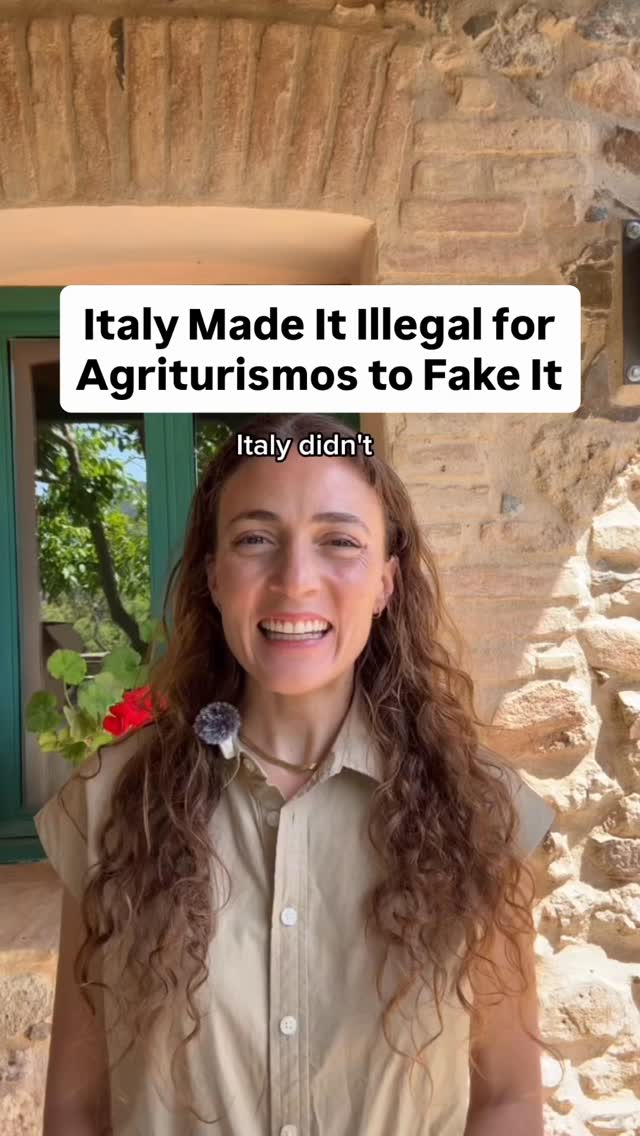
A speaker in a rustic setting with a stone wall, with a large, bold title text overlay appearing immediately to establish the topic.
[06]
Hook template
Steal this for your own video
[Country] Made It Illegal to Fake [industry or experience type]
— France Made It Illegal to Fake Champagne
— Japan Made It Illegal to Fake Wagyu
— Switzerland Made It Illegal to Fake Watches
[07]
Hook and payoff
The promise the opener makes, and how the video pays it back
Hook
A bold, counter-narrative statement that challenges a common assumption about a popular topic, creating an immediate curiosity gap.
Payoff
A concluding statement that ties the phenomenon back to a powerful cultural emotion (e.g., pride, heritage, community), providing a satisfying and resonant final thought.
[08]
Narrative framework
The structural pattern this video runs on
Framework
The 'Secret History' Reveal
To explain the little-known origin story behind a well-known phenomenon, revealing that its success was not accidental but the result of specific, often surprising, historical and cultural factors.
1
The Status Elevation
Acknowledge the common perception of the topic, then immediately elevate it to a higher, more exclusive level to establish stakes and intrigue.
2
The 'Insider Knowledge' Pivot
A direct address to the audience promising to reveal information that 'most people don't know,' framing the explanation as a secret and pulling the viewer in.
3
The Foundational Catalyst
Introduce a single, pivotal event, rule, or decision from the past that fundamentally shaped the topic's development and enforced a core principle (e.g., authenticity).
4
The Proof of Scale
Provide data or examples to demonstrate the widespread, tangible impact of the initial catalyst, making the abstract rule feel real.
5
The Accelerant Factor
Introduce a second, distinct factor (e.g., capital, technology, cultural shift) that combined with the first to amplify the effect and explain a key quality (e.g., luxury, speed, design).
6
The Cultural Synthesis
Explain how the two factors merged to create the modern-day phenomenon, linking the outcome to a core cultural value or motivation.
7
The Visual Evidence Montage
A rapid-fire showcase of compelling examples that serve as the ultimate visual proof for the entire argument built throughout the video.
Themes
Cultural Heritage
Authenticity
Luxury Travel
History
Techniques
Historical Storytelling
Visual Aid Overlays
Post caption
The an elite level of farm hospitality being crafted across Italy, as evidenced by the properties I mention here, but what the country’s original agriturismo ruling actually underscores is something that I don’t talk about here enough — the very real rules, regulations, and legislation that can make or break even the most ambitious & carefully planned projects.
What turns a vision into reality is more than hard work & integrity & team players. A farm hotels’ future can come down to the local counsel’s interpretation of the project, concerns around how it might impact small communities, irrigation and sewage rights, or new build restrictions. I know more than a handful of projects led by incredible visionaries, hoteliers, and farmers that are stuck at this stage before they can even really ever begin.
Which is just a small part of what makes the farm hotels that we can visit and talk about all the more noteworthy.
Should I dive deeper into the regulations behind farm hospitality?
Hotels mentioned: @reschio @borgoegnazia @castello_di_vicarello @casamarialuigia @ilborro
#farmhospitality #italy #agriturismos #regenerativeagriculture #hospitalitydesign
Text overlays
title · beginning
Italy Made It Illegal for Agriturismos to Fake It
contextual · end
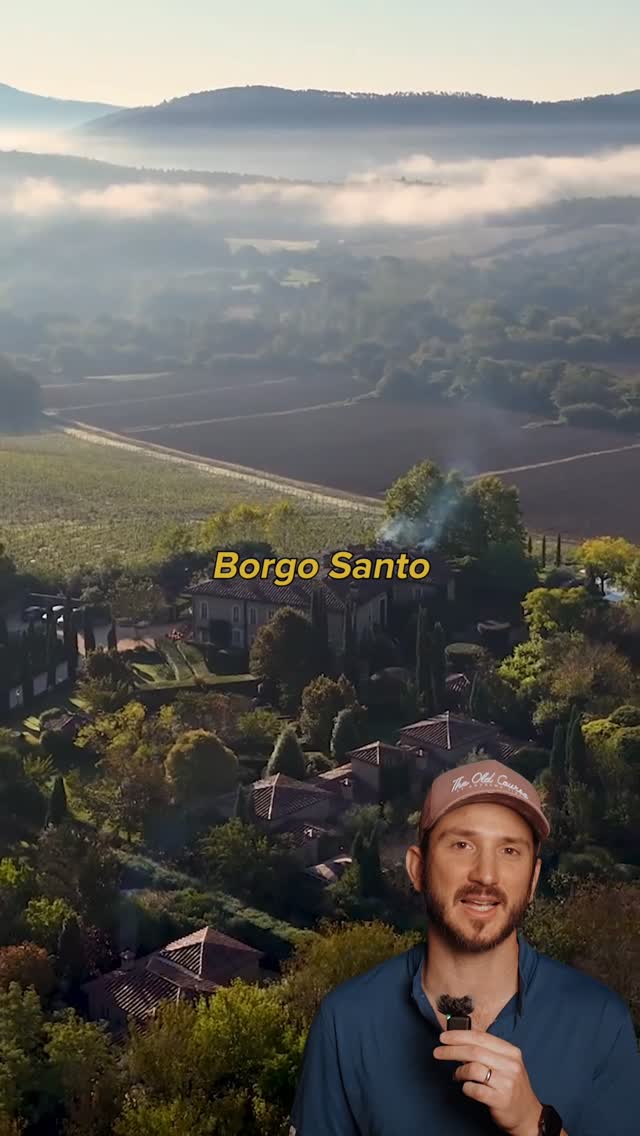
Il Borro
contextual · end
Castello di Vicarello
contextual · end
Reschio
contextual · end
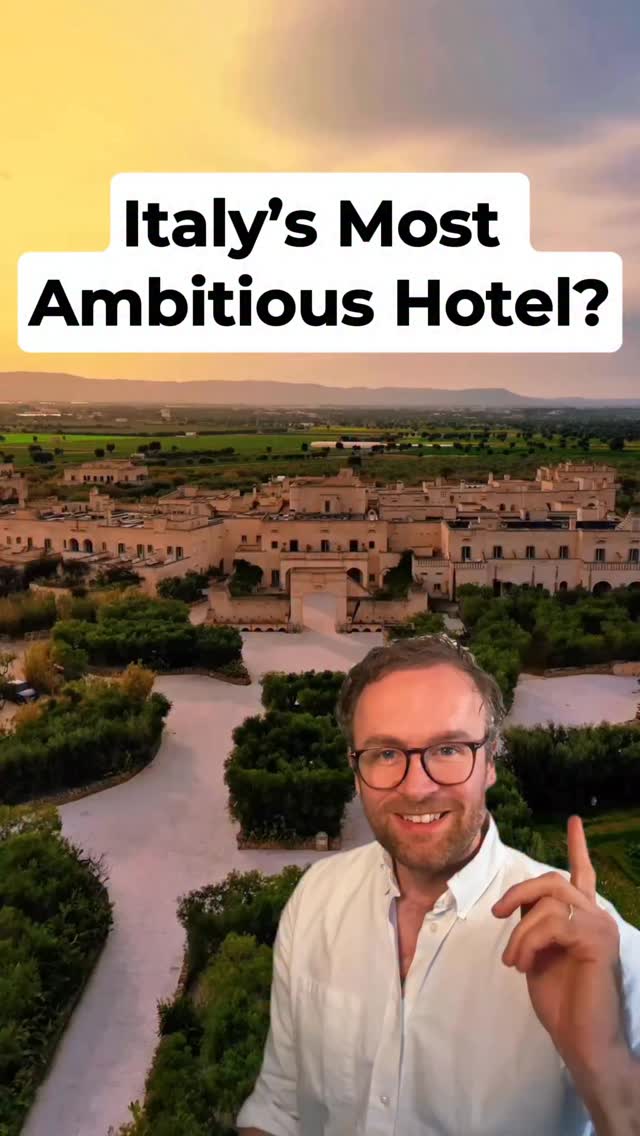
Borgo Egnazia
contextual · end
Casa Maria Luigia
Transcript
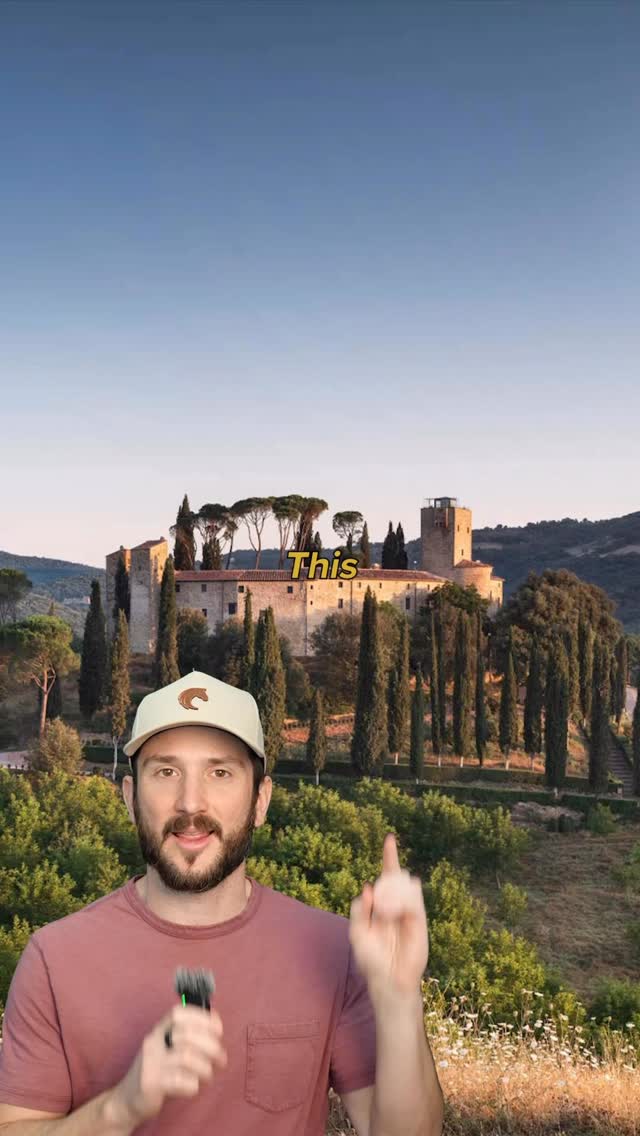
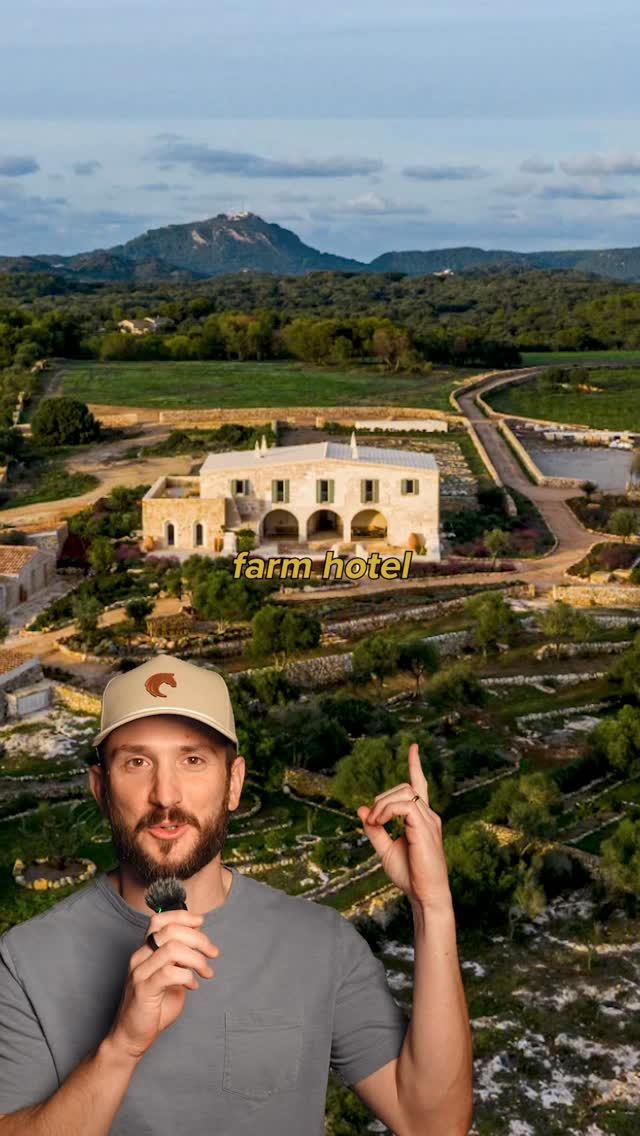
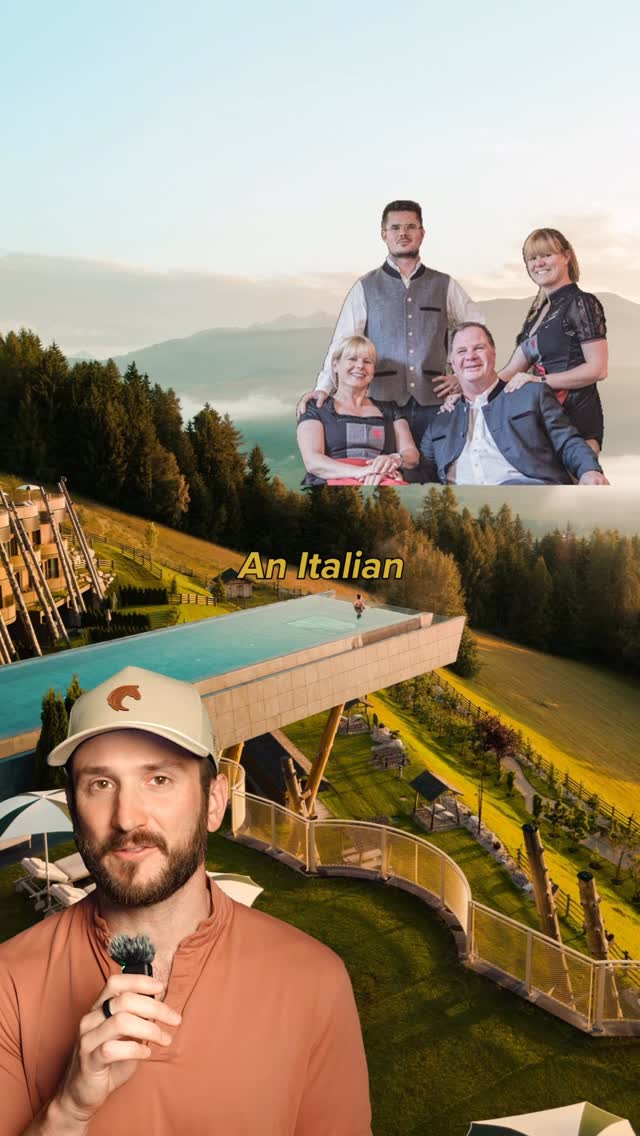
Italy didn't accidentally create the greatest farm hotels in the world. You think Agriturismo, you think Italy. But these Agriturismos are on a different stratosphere, perfectly restored estates, Michelin stars left and right, big names from the Ferragamo family to chef Massimo Batura getting involved. Here's what most people don't know. In 1985, Italy passed a law that changed everything. Farms could host guests, but only if they stayed farms. They couldn't fake it even if they wanted to. That one rule shaped the entire category. By the nineteen nineties, over a thousand farms in Tuscany, for example, had opened their doors to guests. Today, almost every municipality in Tuscany has at least one area to this month. And then something else happened. When Italian families built wealth, they didn't leave the land. They actually returned to it, and they built at the highest level. They poured that capital from cars and clothes back into the land and crafted places that protected their heritage. Italians are proud, and these majestic properties restore their estates to their highest expression and then open their gates for all of us to walk.
Explaining the history of Italian farm hotels | Viral Hooks