The creator presents a cultural analysis arguing that the hyper-rational tech founder archetype of the 2010s has lost its aspirational status. She traces the rise of this figure, linking it to post-2008 techno-utopianism and wealth creation, and then explains its decline by demonstrating how the promise of 'optimization leads to control' has failed in the face of AI, economic instability, and systemic issues. The creator concludes that in the current era, personal influence, driven by social intelligence and storytelling, has become the most viable path to power.
Post caption
💭 THINKING ABOUT: THE DECLINE OF THE HYPER-RATIONAL ARCHETYPE IN CULTURE 💭 and the resurgent cultural emphasis on “soft skills”. We are in a moment where everyone seems to be taking stock in preparation for an uncertain, AI laden future: identifying their own unique, AI-proof skillsets and jealously guarding against who else is entitled to claim such qualifications (this seems to be at the heart of the recent angst around “taste”).
Another skillset that has suddenly been rediscovered as a literal market advantage in this environment? Social intelligence, which took quite the back seat throughout the 2010s when the hyper-rational, robotic personas helming the Magnificent Seven briefly convinced culture we could maybe do without it. Now folks are returning to this idea that maybe, just maybe there is an advantage to understanding that your audience are not perfectly rational robots who behave logically all the time…
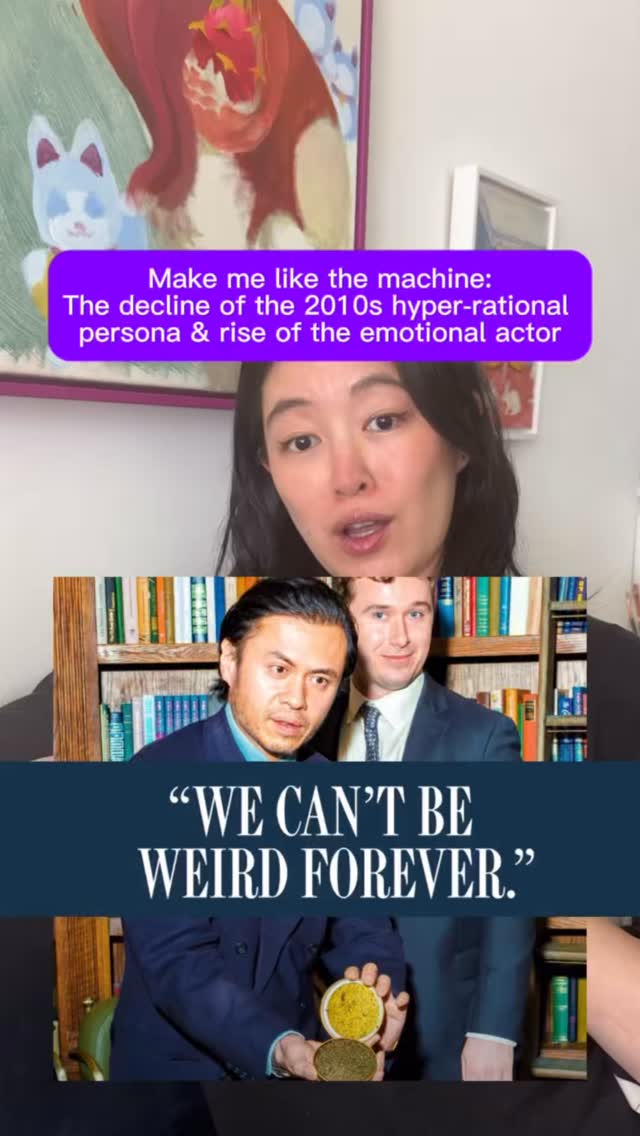
“Social intelligence” means a whole breadth of things (to Slow Ventures it apparently means caviar bumps) and has never stopped mattering, especially for certain professions. That said I’m observing the rise of a new, distinctly populist version of social intelligence, one that relies heavily on one’s ability to persuade, charm and entertain (often in service of building a platform). Let’s talk about what happened to the rationalist archetype of yore and how, in this new media era, the new most vaunted skillset is being telegenic. 📺
#culturalanalysis #socialintelligence #softskills #techculture #siliconvalley
Transcript
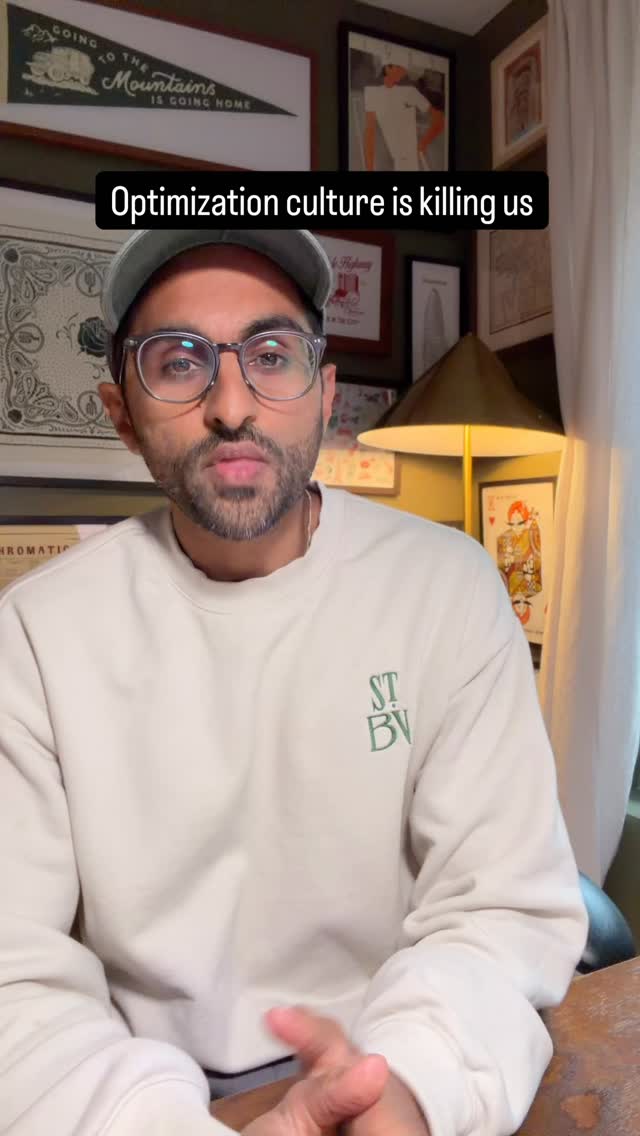
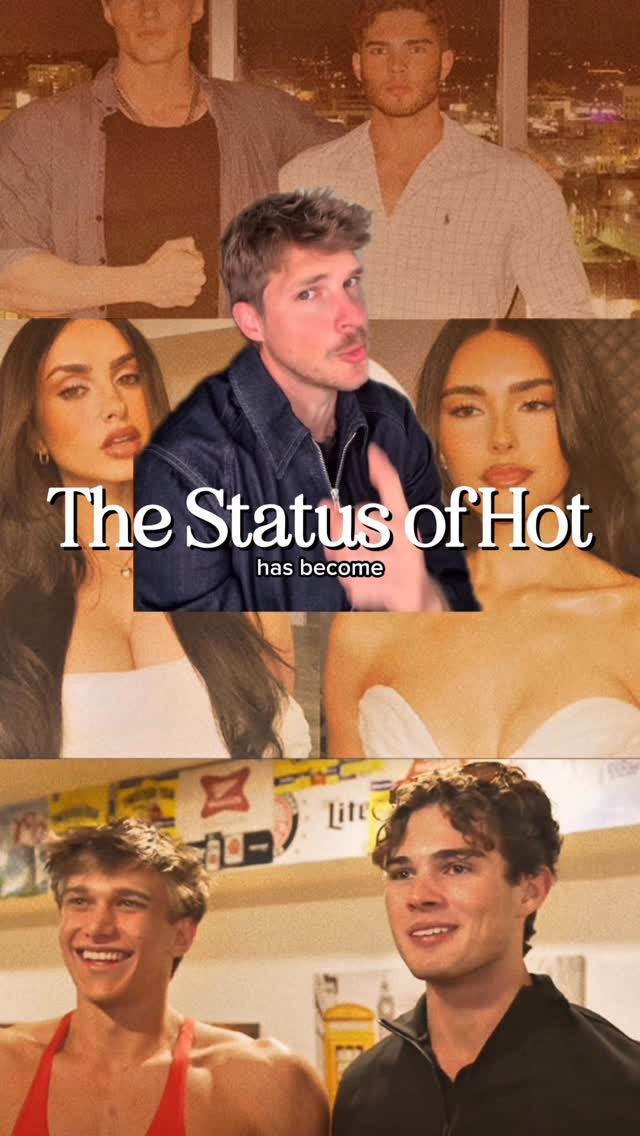
It has become unaspirational to be hyper rational, and the next era belongs to those with a stronger command over the soft stuff. Listen to me, you muscle bound, handsome Adonis. Tech is reserved for people like me. From new media savvy politicians no institution sized independence to our normalization of literal lying in public life, let's talk about how culture no longer values data and performance no much as it values certain forms of social intelligence, such as emotional persuasiveness, cultural fluency, and charisma. The post 2008 tech era minted a new aspirational figure, the mythical founder, characterized by techno utopianism, libertarianism, and an antisocial utilitarianism that in previous eras would have been labeled as childish or unprofessional. The sheer wealth creation that followed rebranded these socially graceless behaviors as evidence of otherworldly brilliance and in turn helped to mainstream self optimization culture. Wellness, wearables, lean in, lifestyle content. But this archetype has fallen from grace as people have stopped believing that optimization leads to control. Choose the right profession and never go without a paycheck? Less convincing now that AI workers no longer need to eat, sleep, or obey physical laws. Land the right job and retire comfortably? Less true now than in the twenty tens, one of the greatest wealth creation periods in history. Live like Brian Johnson and eke out a few more years? What if what's most likely to kill you is sociopolitical or environmental? Living a rigid, data driven life stops feeling worth it when it's clear it's meant to compensate for failed systems. And as the myth fades, so do its figureheads. Hyper rational personas are increasingly reviled, seen as these deeply uncool aliens who are at all times too honest conversations away from pursuing the worst idea you've ever heard. So if optimization no longer yields control for your average person, what does? I think a plausible conclusion from the last decade is that personal influence offers the most accessible path to personal power. And in this environment, I think cultural gravity and capital will increasingly flow towards people who are persuasive, entertaining, and charismatic, and above all, capable of making a chaotic world feel coherent, whether the world they're describing is a real one or not.