Viral Hooks
Trending short videosSex education Q&A podcast clip
M

@mysecretcase

Instagram · Clip

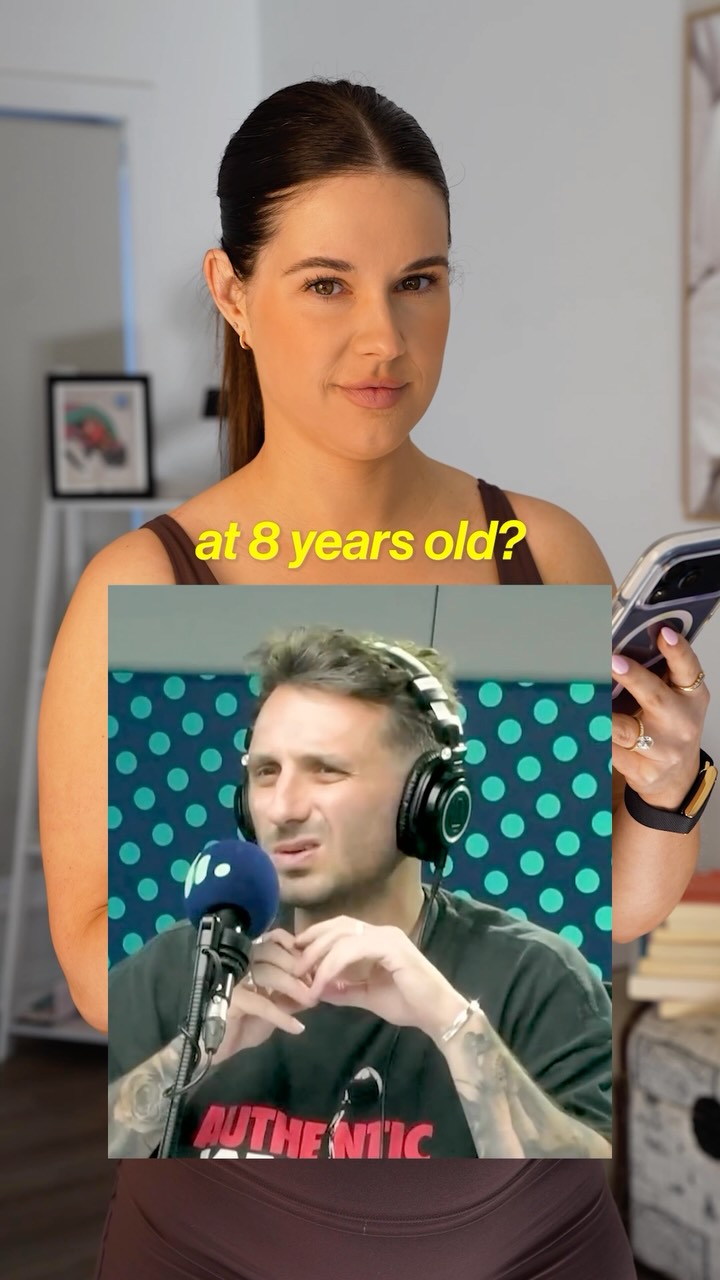
@mysecretcase Abbiamo parlato con @sasycacciatore di squirt ed educazione sessuale 🤓 Sasy Cacciatore, uno dei nostri creator preferiti proprio per il modo diretto e ironico con cui si approccia al mondo, ci ha raccontato un po’ di cose sul corpo, l’identità e altri argomenti che a scuola vengono un po’ troppo ignorati. 💦 IL CAPITOLO SQUIRT La domanda è secca. “Da cosa è composto lo squirt?”. Sasy risponde senza timore! Acqua, unita a piccole percentuali di urea, creatinina, acido urico e sodio. Il punto interessante non è solo la risposta corretta, ma il fatto che venga data con totale naturalezza, senza imbarazzo nonostante, come ammette, non ha avuto tanta esperienza con l’apparato genitale femminile. 🦠 MALATTIE TRASMISSIBILI Tema cruciale e poco affrontato anche nei programmi scolastici. Sasy lo cita come una delle cose che andrebbero approfondite molto prima: come si trasmettono le ITS, quando fare i test, come parlarne con partner nuovi. Informazioni di base che spesso arrivano quando il problema è già concreto. 🏳️‍🌈 IL MONDO LGBT È PIÙ INFORMATO Sasy fa una riflessione: nella comunità LGBT c’è in media più informazione su sesso, trasmissione delle malattie, salute intima. È in parte una conseguenza dello stigma storico (HIV, omofobia sanitaria) che ha costretto la comunità a costruirsi una propria educazione. Nel mondo eterosessuale, a suo parere, questa informazione resta più frammentaria e meno strutturata. Siete d’accordo con questa affermazione? ❤️ #mysecretcase #educazionesessuale #sasycacciatore

View original on Instagram

The edit1 shot · 0 text
Shots0:52

Performance

Views
1M
Likes
18.2K
Comments
48
Engagement
1.8%
Outlier
1.3×
Length · 1 Jun 2026
0:52

Video #32642 · Clip

Sex education Q&A podcast clipfrom @mysecretcase

[01]

Overview

An interviewer asks a male guest to define the composition of squirt, leading to a broader discussion on the failures of sex education. The guest explains that crucial topics like the transmission of diseases are often learned traumatically later in life and suggests that the LGBT community is generally more informed on these subjects than the heterosexual community.

[02]

Simple outline

  1. 1Pose specific, challenging question
  2. 2Deliver surprisingly competent answer
  3. 3Identify systemic knowledge gap
  4. 4Offer unique community insight
  5. 5Draw provocative comparison

[03]

Related videos

[04]

Classification

Format
Concepts
Q&A ResponseBreakdown
Elements
Jump CutPodcast Setup

[05]

Hook analysis

What stops the scroll in the first 3 seconds

Verbal hook · 100%

da cosa è composto lo squirt

[06]

Hook template

Steal this for your own video

Do you know what [commonly misunderstood body function or health topic] is actually made of?

  • — Do you know what sweat is actually made of?
  • — Do you know what sunscreen is actually made of?
  • — Do you know what a panic attack is actually made of?

[07]

Hook and payoff

The promise the opener makes, and how the video pays it back

Hook

A direct, technical, and slightly taboo question is posed to the subject, creating an immediate knowledge gap and curiosity in the audience.

Payoff

The video concludes on the comparative claim, leaving the audience with a new perspective to consider and a prompt (often in the caption) to share their own opinion, driving engagement.

[08]

Narrative framework

The structural pattern this video runs on

Framework

The Unexpected Expert Framework

A host tests a guest on a niche topic, and the guest's surprising competence is used as a springboard to discuss a broader systemic issue or societal observation, culminating in a provocative comparison.

  1. 1

    The Competence Test

    The subject is challenged with a specific question, setting up an expectation of potential failure or difficulty, which the host even tries to mitigate by offering help.

  2. 2

    The Authority Flip

    The subject answers with unexpected confidence and accuracy, subverting expectations and instantly establishing credibility on the topic.

  3. 3

    The 'Why' Pivot

    The conversation shifts from the 'what' of the answer to the 'why' of the subject's knowledge, exploring the origins of their expertise, especially in the face of a known disadvantage (e.g., lack of formal training).

  4. 4

    The Systemic Critique

    The subject identifies a broader failure in a formal system (in this case, education) that necessitates self-education or alternative learning, making the topic relatable to a wider audience.

  5. 5

    The Niche Insight

    The subject presents a hypothesis that a specific sub-community is better informed on the topic due to unique pressures, history, or shared experience, offering a novel perspective.

  6. 6

    The Comparative Claim

    The subject contrasts the knowledge level of the niche community with that of the general population, making a bold, thought-provoking statement that invites audience agreement or debate.

Themes

  • Sex positivity
  • Health education
  • Social commentary

Techniques

  • Q&A format
  • Direct address

Trends

  • Podcast clipping

Post caption

Abbiamo parlato con @sasycacciatore di squirt ed educazione sessuale 🤓 Sasy Cacciatore, uno dei nostri creator preferiti proprio per il modo diretto e ironico con cui si approccia al mondo, ci ha raccontato un po’ di cose sul corpo, l’identità e altri argomenti che a scuola vengono un po’ troppo ignorati. 💦 IL CAPITOLO SQUIRT La domanda è secca. “Da cosa è composto lo squirt?”. Sasy risponde senza timore! Acqua, unita a piccole percentuali di urea, creatinina, acido urico e sodio. Il punto interessante non è solo la risposta corretta, ma il fatto che venga data con totale naturalezza, senza imbarazzo nonostante, come ammette, non ha avuto tanta esperienza con l’apparato genitale femminile. 🦠 MALATTIE TRASMISSIBILI Tema cruciale e poco affrontato anche nei programmi scolastici. Sasy lo cita come una delle cose che andrebbero approfondite molto prima: come si trasmettono le ITS, quando fare i test, come parlarne con partner nuovi. Informazioni di base che spesso arrivano quando il problema è già concreto. 🏳️‍🌈 IL MONDO LGBT È PIÙ INFORMATO Sasy fa una riflessione: nella comunità LGBT c’è in media più informazione su sesso, trasmissione delle malattie, salute intima. È in parte una conseguenza dello stigma storico (HIV, omofobia sanitaria) che ha costretto la comunità a costruirsi una propria educazione. Nel mondo eterosessuale, a suo parere, questa informazione resta più frammentaria e meno strutturata. Siete d’accordo con questa affermazione? ❤️ #mysecretcase #educazionesessuale #sasycacciatore

Sex education Q&A podcast clip | Viral Hooks