@sesamestreet
Instagram · Skit

@sesamestreet Sometimes all it takes is a big plate of cookies and, of course, forgiveness. 🍪💛

@sesamestreet
Instagram · Skit
@sesamestreet Sometimes all it takes is a big plate of cookies and, of course, forgiveness. 🍪💛
Performance
Video #32972 · Skit
[01]
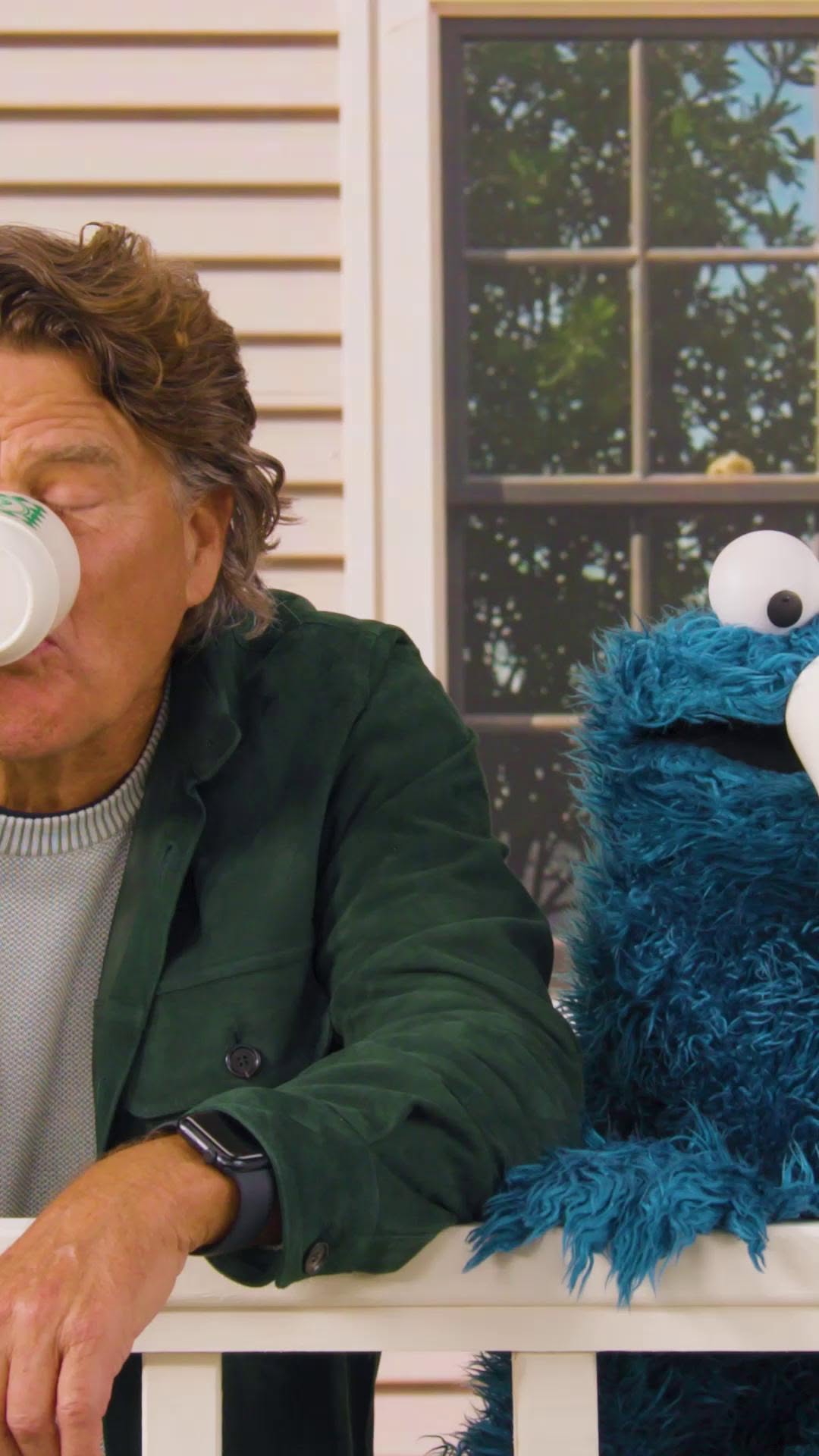
The creator stages a scene where Jason Segel confronts Cookie Monster for eating his cookie. Brett Goldstein mediates, guiding Cookie Monster from a superficial apology to a genuine understanding of empathy by having him imagine the situation reversed. After Cookie Monster's moment of realization and sincere apology, Brett encourages Jason to be willing to forgive.
[02]
[03]
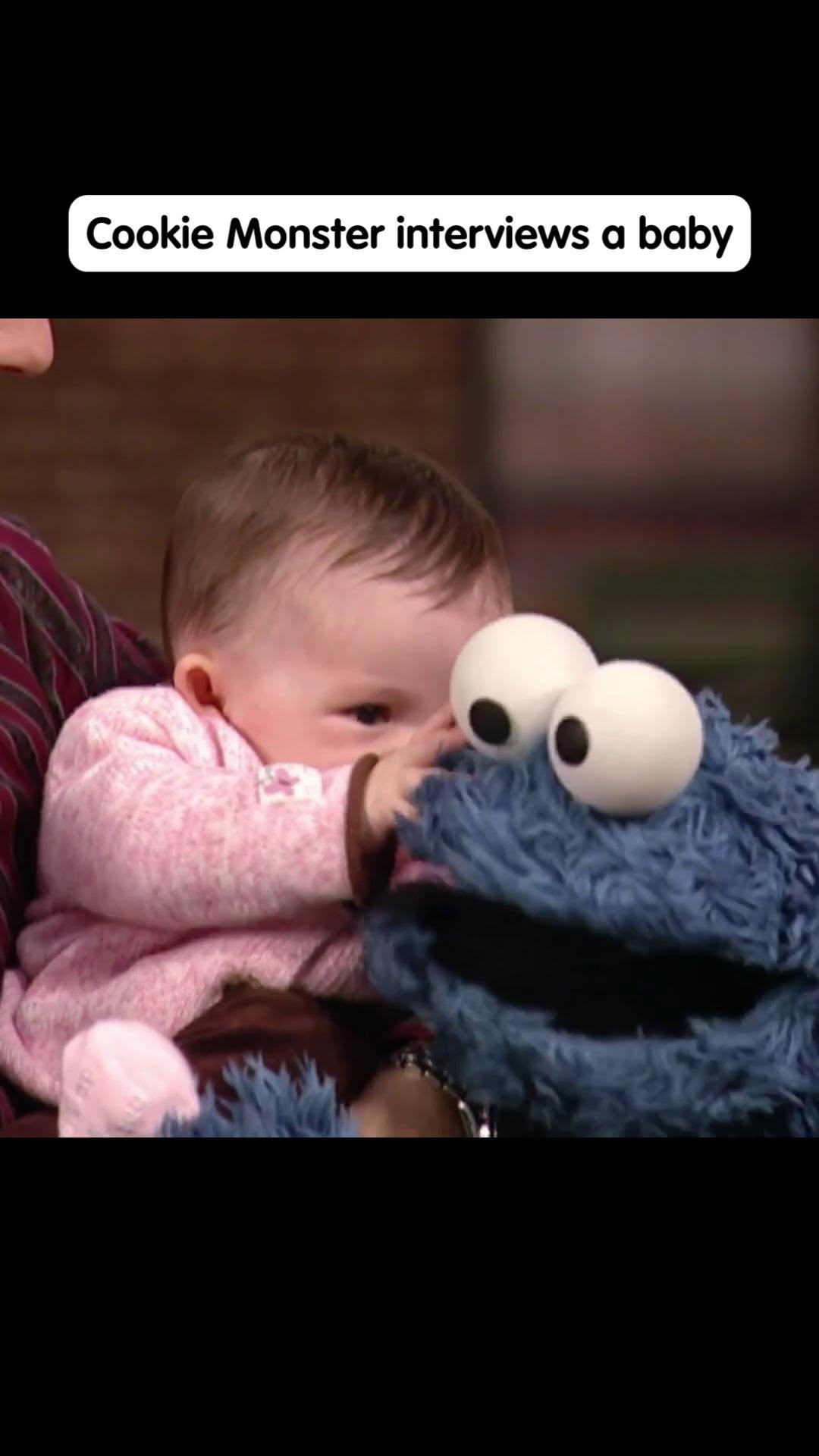 1.9M21×Muppet interviews an unpredictable baby@sesamestreet · Skit
 1.3M15.3×Food pun advice sketch@sesamestreet · Skit
 1.3M14.5×Celebrities and puppets discuss friendship@sesamestreet · Skit
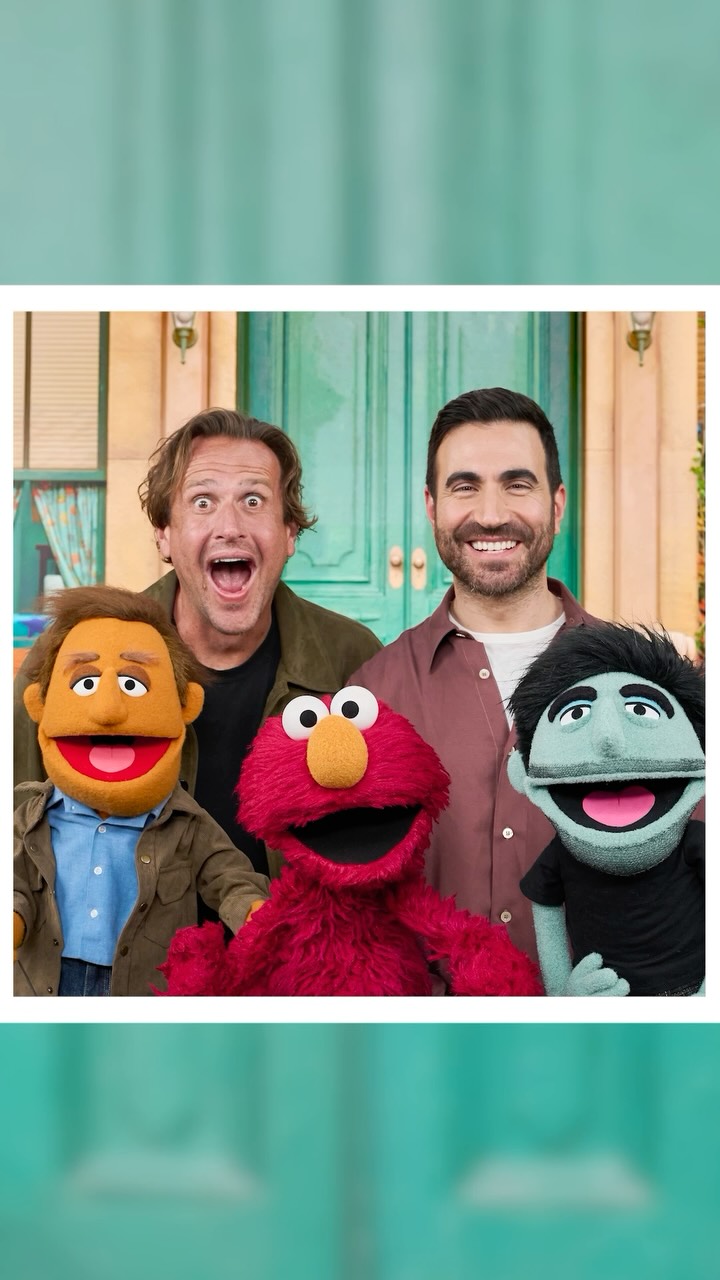 2M36.8×Celebrities meet their muppet doppelgangers@sesamestreet · Skit
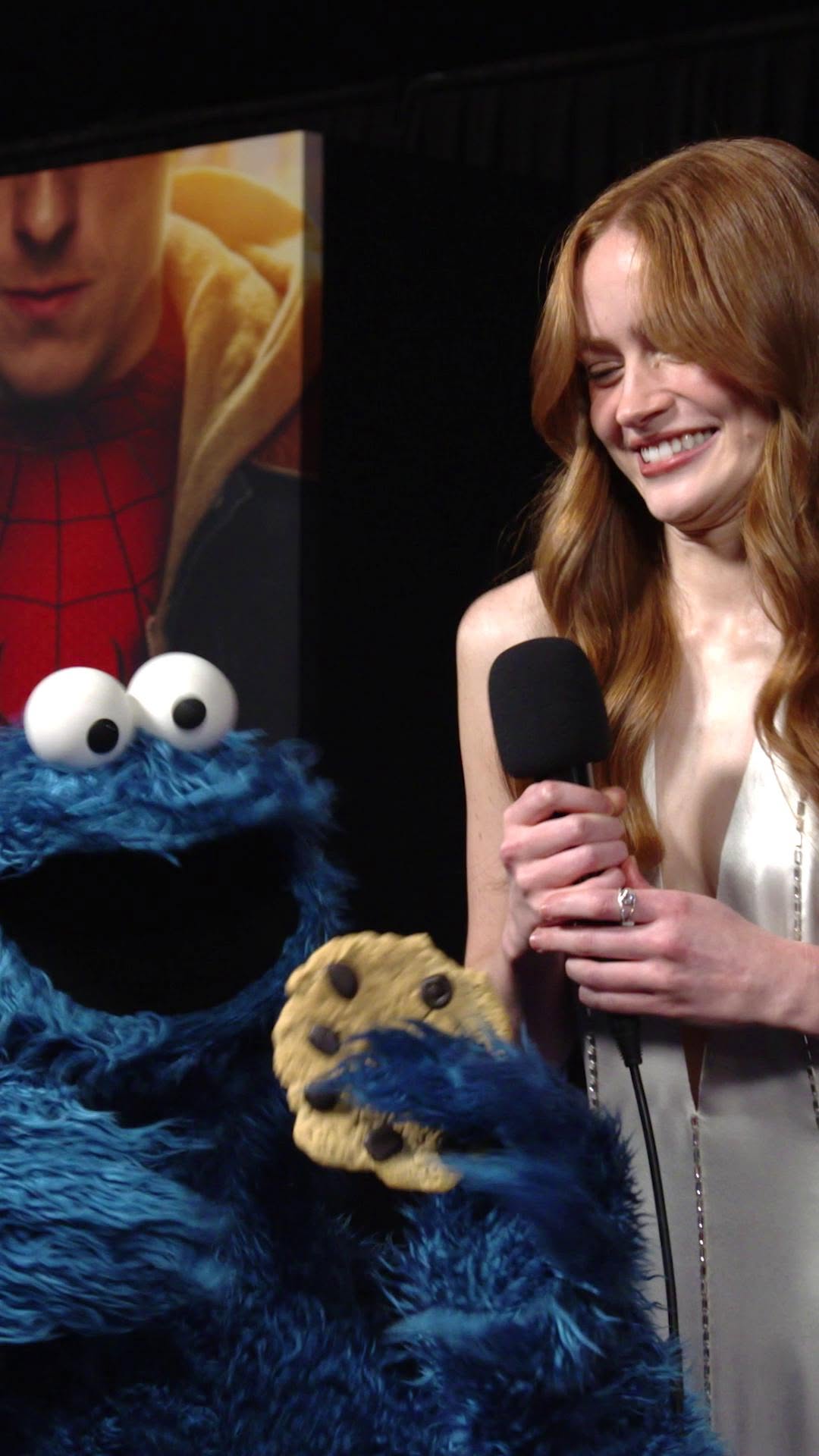 13.3M594.1×Puppet interviews celebrity on red carpet@sesamestreet · Q&A Response
 723.5K2.8×Characters praise and gift athlete@sesamestreet · Character Impersonation
 1.3M13.4×Cookie Monster hosts Jeopardy category@jeopardy · What Is X?
 492.6K1.2×Puppets sing about Halloween cookies@sesamestreet · Skit
 5.1M67.5×Using questions to build friendship@netflix
 3.3M147.4×Character crossover explains show's slang@obx · Skit
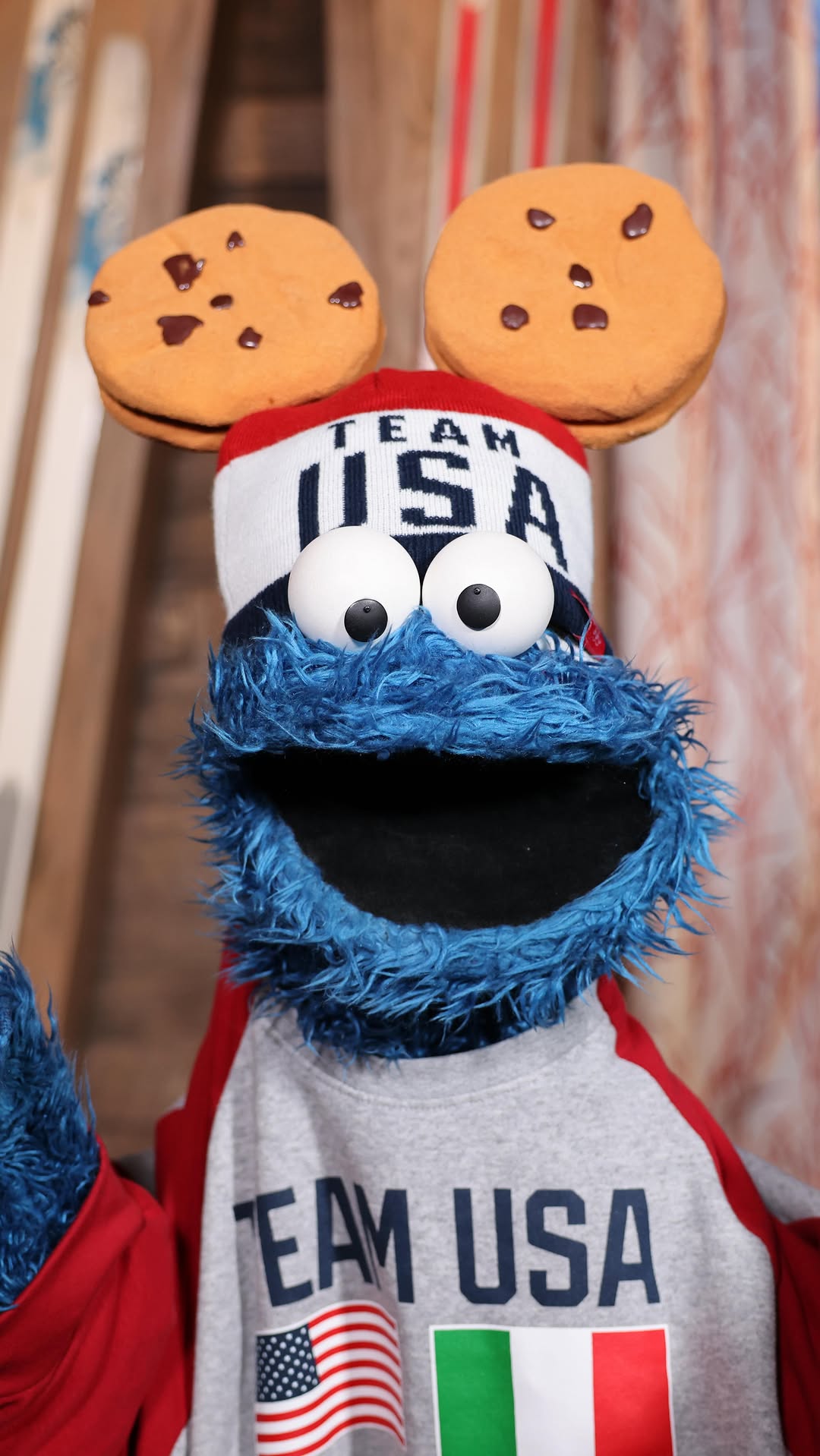 1.2M21.6×Character sends athlete get-well message@sesamestreet · Character Impersonation
 3.5M67.6×Character crossover motivational skit@sesamestreet · Motivational Mantra
[04]
[05]
What stops the scroll in the first 3 seconds
Verbal hook · 35%
I mean, honestly, I'm pretty angry.
Visual hook · 65%
A close-up shot of actor Jason Segel's face showing a clear expression of anger and disappointment, immediately establishing conflict.
[06]
Steal this for your own video
Open on an extreme close-up of visibly immediately after .
[07]
The promise the opener makes, and how the video pays it back
Hook
An immediate declaration of negative emotion from one character towards another, creating an instant mystery and conflict that hooks the viewer.
Payoff
The antagonist offers a sincere, heartfelt apology based on their new understanding, which the protagonist accepts, leading to a full emotional resolution and delivering a satisfying conclusion for the viewer.
[08]
The structural pattern this video runs on
Framework
The Mediated Empathy Arc
A narrative structure where a conflict between two parties is resolved by a third-party mediator who forces the transgressor to understand the victim's perspective through a role-reversal prompt, leading to a genuine apology and forgiveness.
The Accusation
The protagonist clearly and emotionally states their grievance, establishing the central problem and their emotional stake.
The Superficial Apology
The antagonist offers a simple, inadequate apology that addresses the action but completely misses the emotional impact on the protagonist.
The Escalation of Ignorance
The antagonist worsens the situation by demonstrating a complete lack of empathy, often by highlighting their own gain from the protagonist's loss or by committing a similar, repeated transgression.
The Mediator's Intervention
A neutral third party enters the conflict to de-escalate and reframe the problem, shifting the focus from blame to understanding.
The Empathy Prompt
The mediator forces the antagonist to imagine themselves in the protagonist's position, typically by asking a direct 'how would you feel if...' question.
The Epiphany
The antagonist has a sudden, visible moment of realization as they process the situation from the new, empathetic perspective, understanding the protagonist's feelings for the first time.
Sometimes all it takes is a big plate of cookies and, of course, forgiveness. 🍪💛
I mean, honestly, I'm pretty angry. How could you do that? Me so sorry that me ate your cookie, Jason. Well, I was just really looking forward to eating it because it looks so delicious. Oh, it was delicious. I know. Yeah. You know, me probably got some crumbs on me fur best over. We could give you one of those. Cookie monster, do you understand why Jason is angry? Oh, yeah. Me me totally understand. Yeah. Me got it. Num, num. No you're eating my coffee cup, Cookie Monster. Come on. Cookie monster. It's not just about saying sorry. You have to really think about how the other person feels. How would you react if someone ate your cookie? Yeah. Yeah. Me would be really, really, really angry. Me would me better now. Me worst. Me so sorry, Jason. Yeah. Yeah. Jason, you've also got me willing to forgive.