@johndeere
TikTok · Vlog
@johndeere berry cool

@johndeere
TikTok · Vlog
@johndeere berry cool
Performance
Video #33067 · Vlog
[01]
The creator explains the unique process of cranberry harvesting, starting with a surprising fact about tractors 'walking on water.' The video details why tractors use tracks in the soft marsh, shows how a rake attachment knocks berries from vines, and follows the process of corralling the floating berries with a boom before they are pumped for collection, highlighting the visually striking transformation of the water.
[02]
[03]
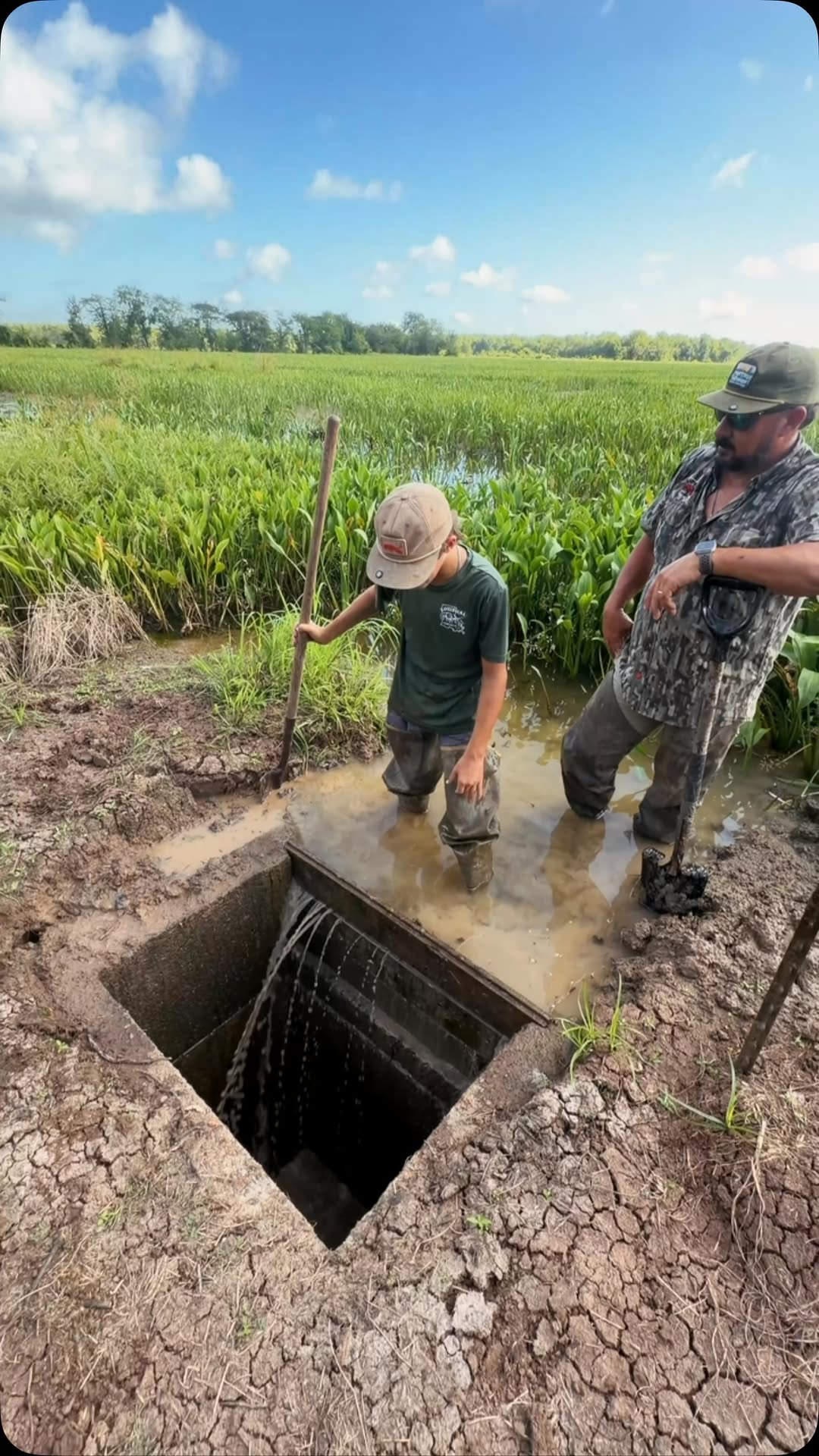 2.6M50.8×Showing crawfish pond draining process@lacrawfishco · Value Vlog
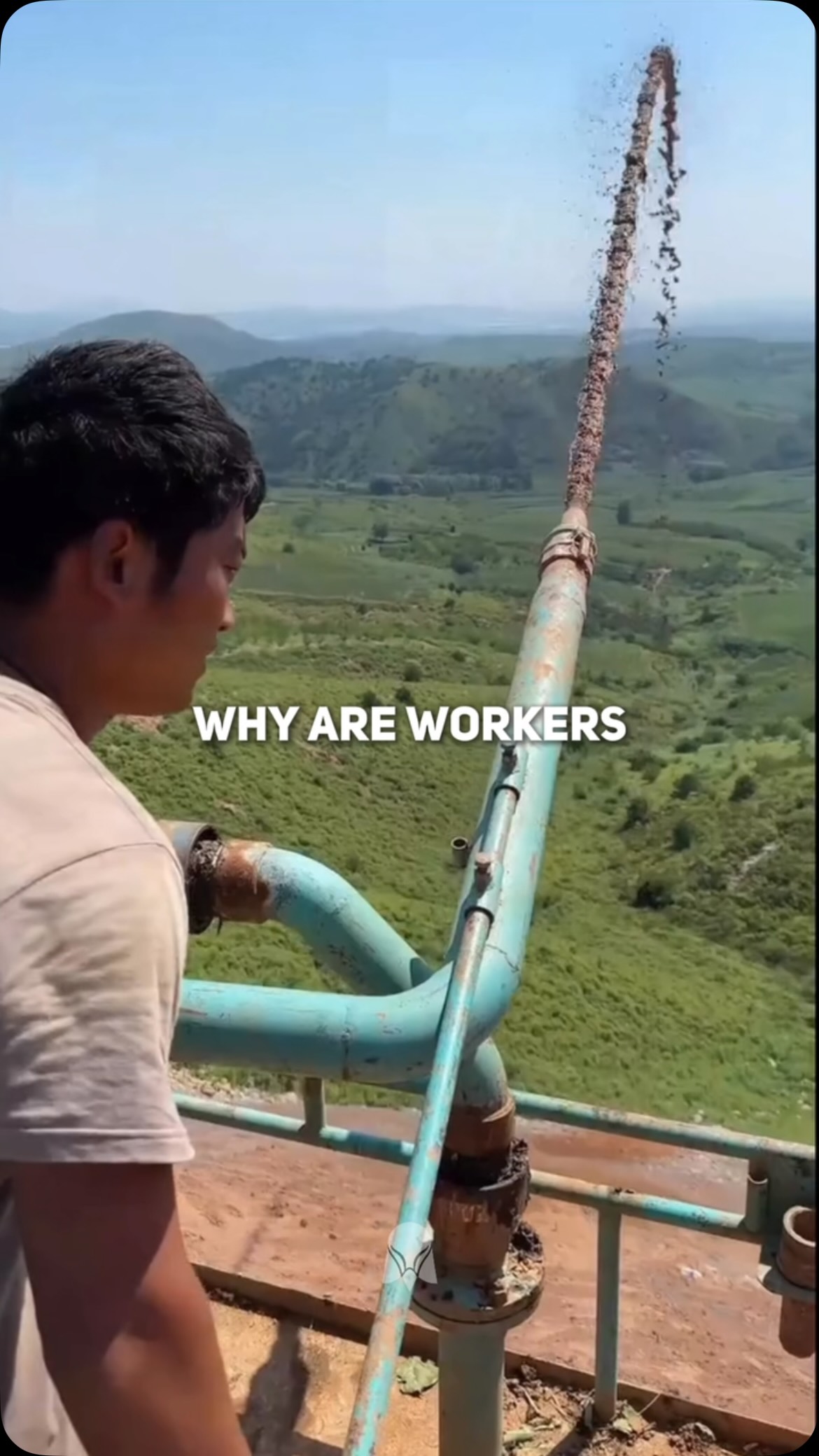 219.6K34.9×Question, misconception, then explanation@colossus.production · What Is X?
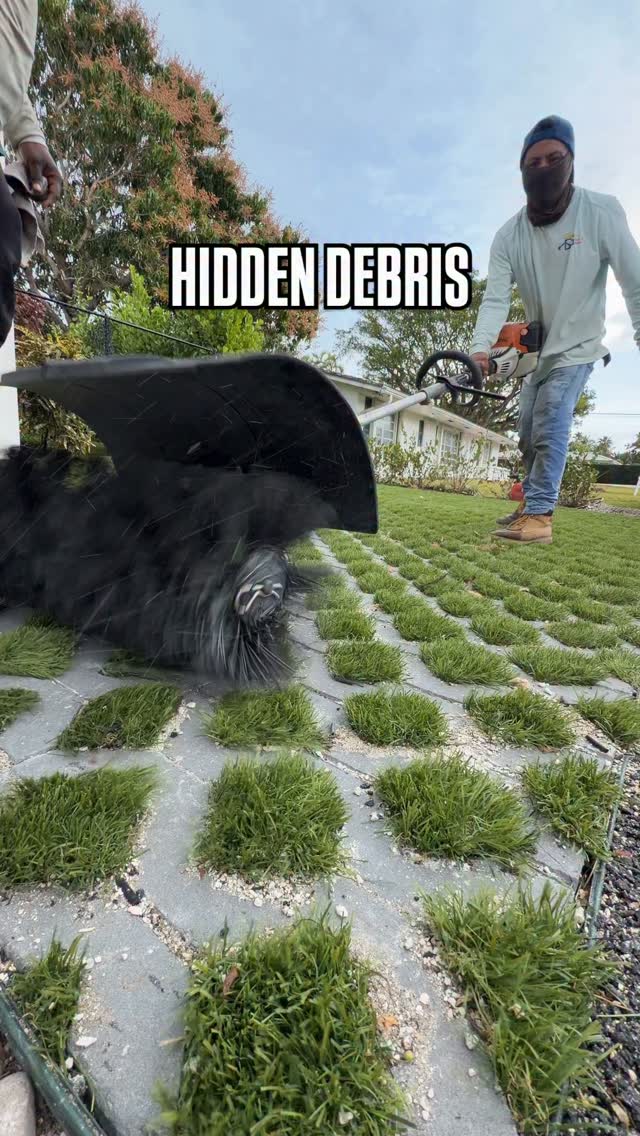 230.4K91.4×Satisfying turf driveway cleaning process@dlsturfcourts · Satisfying Process
 4.1M6×Man demonstrates snowplow Crocs invention@wisclandscaping · Product Demo
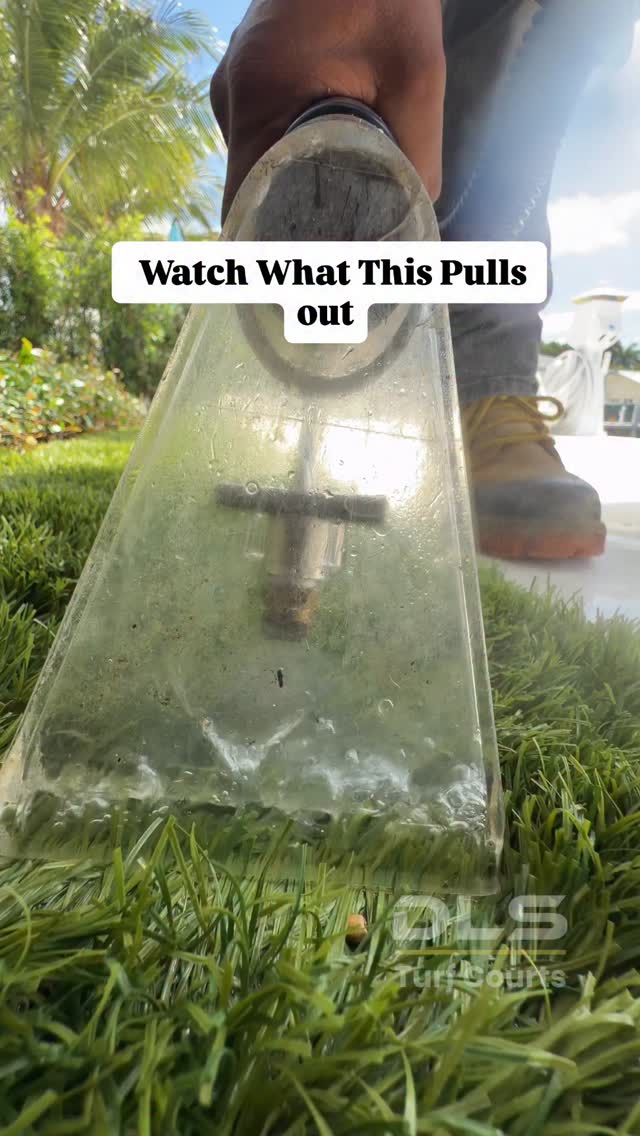 1.5M126×Satisfying turf cleaning process reveal@dlsturfcourts · Showcase
 3.7MDocumenting water tower renovation progress.@bardneywatertower · Before/After Transformation
 306.9K3×DIY jacuzzi swamp cleaning process@sarahellenrandall · Journey Documentation
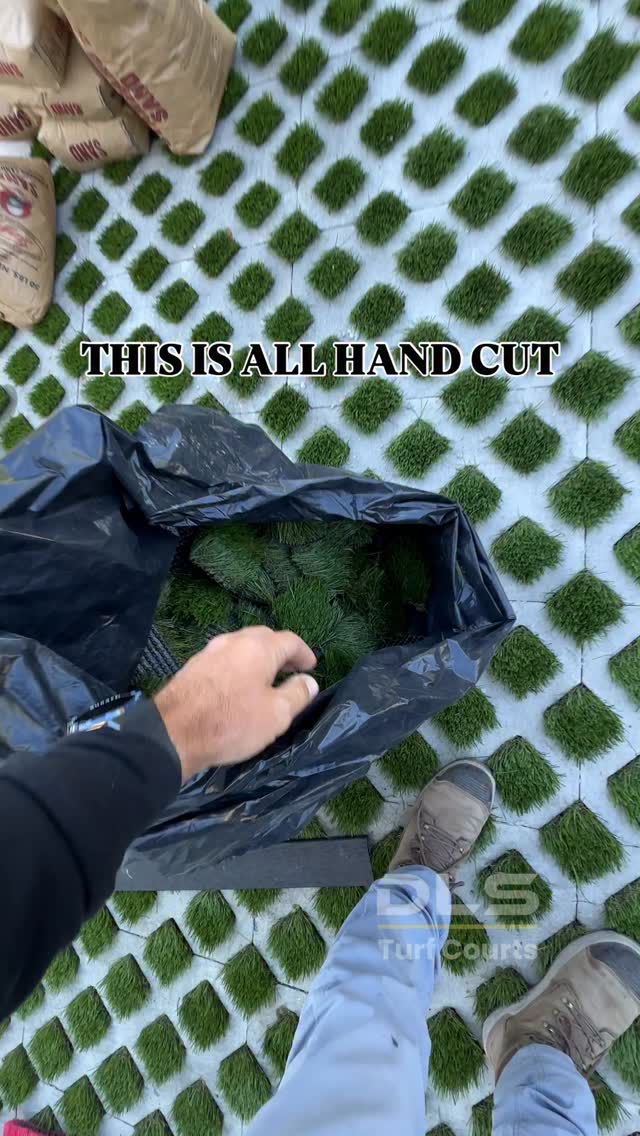 1.4M119.9×Manual process of turf installation.@dlsturfcourts · Process
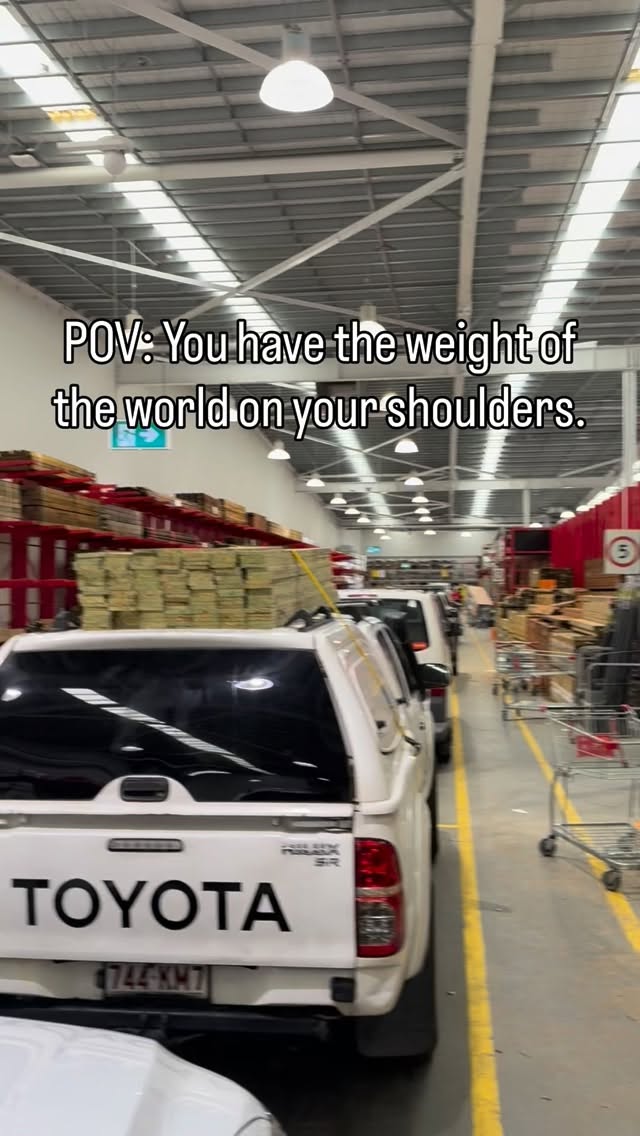 262.9K24.8×POV text over loaded truck@lamottagroup · Relatable One Shot
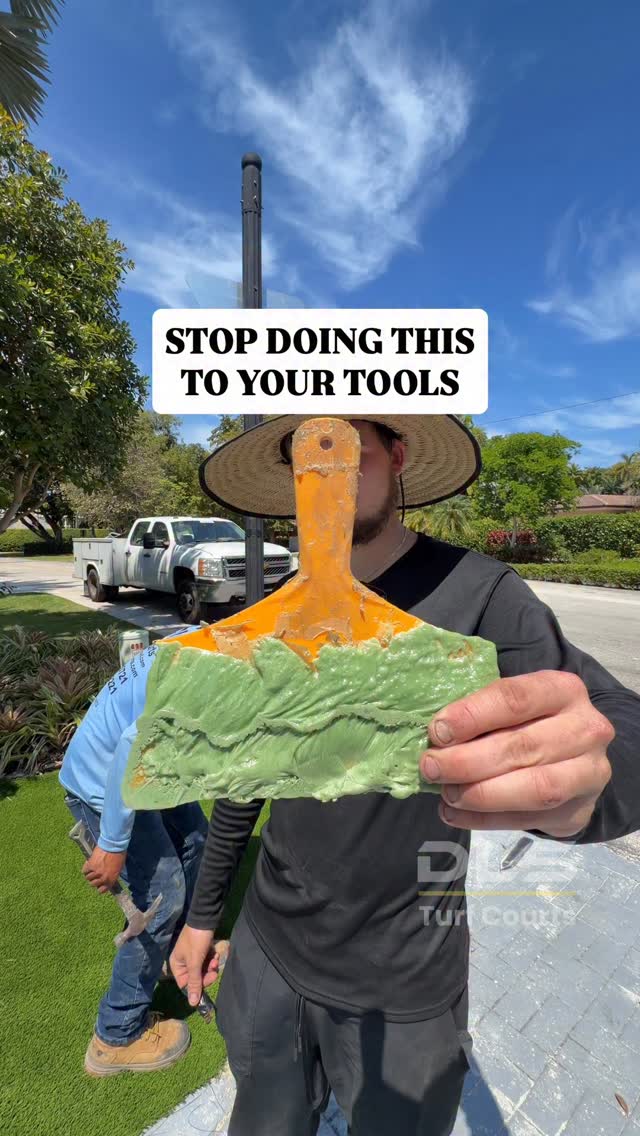 193.7K16.6×Satisfying tool cleaning demonstration video@dlsturfcourts · Product Demo
 523.3K34.5×Precise craft process close-up@dlsturfcourts · Process
 1M1.1×Documenting house roof truss installation@buildwithbert · Journey Documentation
[04]
[05]
What stops the scroll in the first 3 seconds
Title hook · 25%
Did you know that
Verbal hook · 35%
Did you know that John Deere tractors can walk on water?
Visual hook · 40%
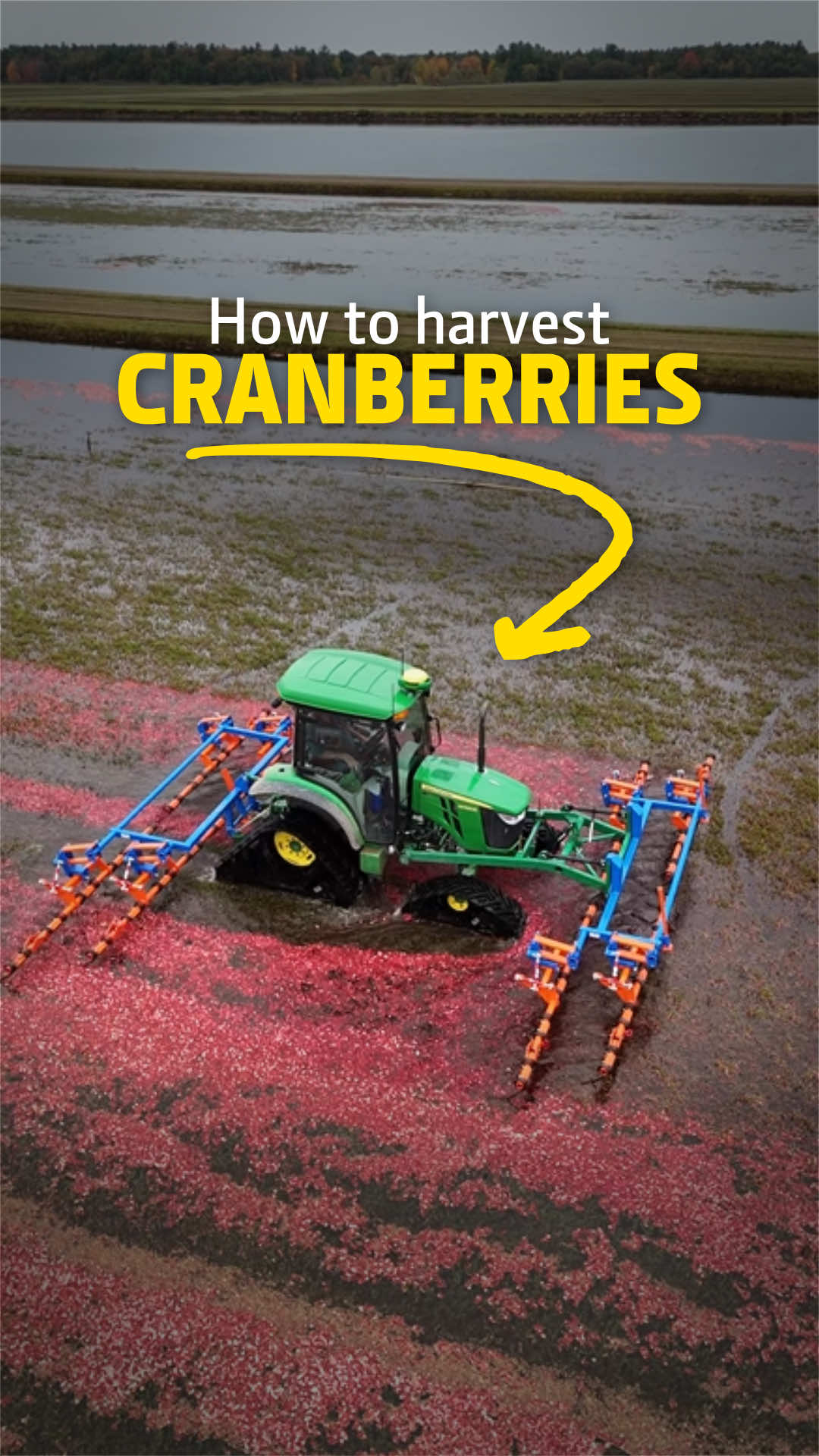
An aerial shot of a bright green tractor driving through a flooded field covered in a dense layer of vibrant red cranberries, creating a striking color contrast and an unusual, intriguing scene.
[07]
The promise the opener makes, and how the video pays it back
Hook
Presents a counter-intuitive or seemingly impossible claim about a familiar object to create an immediate knowledge gap and compel the viewer to seek an explanation.
Payoff
Delivers a final, unexpected piece of information by revealing a charming or surprising secondary consequence of the process that is unrelated to the primary goal, leaving the viewer with a memorable 'fun fact'.
[08]
The structural pattern this video runs on
Framework
The Process as Poetry
To transform a seemingly mundane industrial or natural process into a captivating story by revealing its hidden mechanics, aesthetic beauty, and surprising consequences, framed by a paradoxical opening hook.
The Contextual Justification
Immediately grounds the paradoxical hook in a specific, necessary context, explaining *why* the impossible must happen and framing it as a solution to a problem.
The Mechanical Deconstruction
Breaks down the specific technology or method that makes the paradox possible, satisfying the viewer's initial curiosity with a logical, technical explanation.
The Primary Action Sequence
Visually demonstrates the core mechanism at work, showing the 'how' in a clear, dynamic way, often from multiple perspectives (wide, close-up, underwater).
The Poetic Transformation
Reframes the result of the mechanical action using an aesthetic or artistic metaphor (e.g., 'a brush painting'), elevating the process from purely functional to beautiful and visually stunning.
The Process Pivot
Transitions the narrative to the next logical stage of the overall process, introducing new tools and objectives to maintain momentum.
The Consequential Shift
Describes how this next stage causes a physical transformation in the subject matter (e.g., becoming denser), building anticipation for the final outcome.
berry cool
title · beginning
Did you know that
title · beginning
John Deere tractors can walk on water?
informational · beginning
When it comes to cranberry harvest, they have to.
informational · beginning
You'll notice this tractor has tracks instead of wheels.
informational · beginning
not because the equipment is large, but because the marshy ground is soft.
informational · beginning
The tracks spread out the weight, preventing the tractor from sinking or crushing the cranberry vines beneath.
informational · middle
As it passes through the flooded bed of berries, a rake spins and gently knocks the fruit off the vine.
informational · middle
In its wake, a brilliant scarlet trail of free-floating berries begins to emerge.
informational · middle
From above, the machine appears to be a brush painting the dark water shades of red.
informational · middle
Once the berries have been knocked off, workers corral them into a circle using a floating barrier
informational · middle
called a cranberry boom, and begin pulling them towards the berry pump.
informational · end
As the circle gets smaller, the layer of berries becomes denser, creating a solid surface
informational · end
perfect for spiders and frogs to begin their quick escape -
Did you know that John Deere tractors can walk on water? When it comes to cranberry harvest, they have to. You'll notice this tractor has tracks instead of wheels. They use them here not because the equipment is large, but because the marshy ground is soft. The rank spread out the weight, preventing the tractor from sinking or crushing the cranberry vines beneath. As it passes through the flooded bed of berries, a rake spins and gently knocks the fruit off the vine. In its wake, a brilliant scarlet trail of free floating berries begins to emerge. From above, the machine appears to be a brush, painting the dark better shades red. Once the berries have been knocked off, workers corral them into a circle using a floating barrier called a cranberry boom and begin pulling them towards the berry pump. As the circle gets smaller, the layer of berries becomes denser, creating a solid surface, perfect for spiders and frogs to begin their quick escape.