@findfulfillingwork.official Tell me about yourself is the most important interview question.
𝗛𝗲𝗿𝗲’𝘀 𝗮 𝟯-𝗽𝗮𝗿𝘁 𝗳𝗿𝗮𝗺𝗲𝘄𝗼𝗿𝗸 𝘁𝗼 𝗻𝗮𝗶𝗹 𝘁𝗵𝗶𝘀 𝗾𝘂𝗲𝘀𝘁𝗶𝗼𝗻:
🧵 𝗧𝗵𝗲𝗺𝗲 (𝗼𝗳 𝘆𝗼𝘂𝗿 𝗽𝗮𝘀𝘁 𝗷𝗼𝗯𝘀)
Start with the common thread that links your last 2-4 jobs
And make sure it relates to the job you are interviewing for
Ex. “In all my previous roles I’ve focused on making sure clients are successful with the product. I’ve done this by building strong relationships with stakeholders, using data to understand client needs, and communicating insights to product teams to drive product improvement.”
📈 𝗜𝗺𝗽𝗮𝗰𝘁 (𝘆𝗼𝘂’𝘃𝗲 𝗺𝗮𝗱𝗲)
Then mention 1-2 concrete outcomes or accomplishments
Use numbers where possible
Ex. “Some highlights have been increasing customer retention by 15% and driving product adoption. ”
🧬 𝗥𝗲𝗮𝘀𝗼𝗻 (𝘆𝗼𝘂 𝗮𝗽𝗽𝗹𝗶𝗲𝗱)
End with why you applied to the role.
Don’t assume the employer knows.
Make sure to mention something specific either about the role, company culture, company approach, or general industry that the company is in.
Ex. “I’m now looking for the next challenge where I can make a bigger impact on the product using customer insights. And when I saw this role at {company name} it felt like the perfect fit. Especially because of {specific detail about the role/company culture/industry}, which I feel is part of my long-term plan to {career goal}.
Do this and it’ll set you apart.
#jobsearch #jobsearchtip #interviewprep
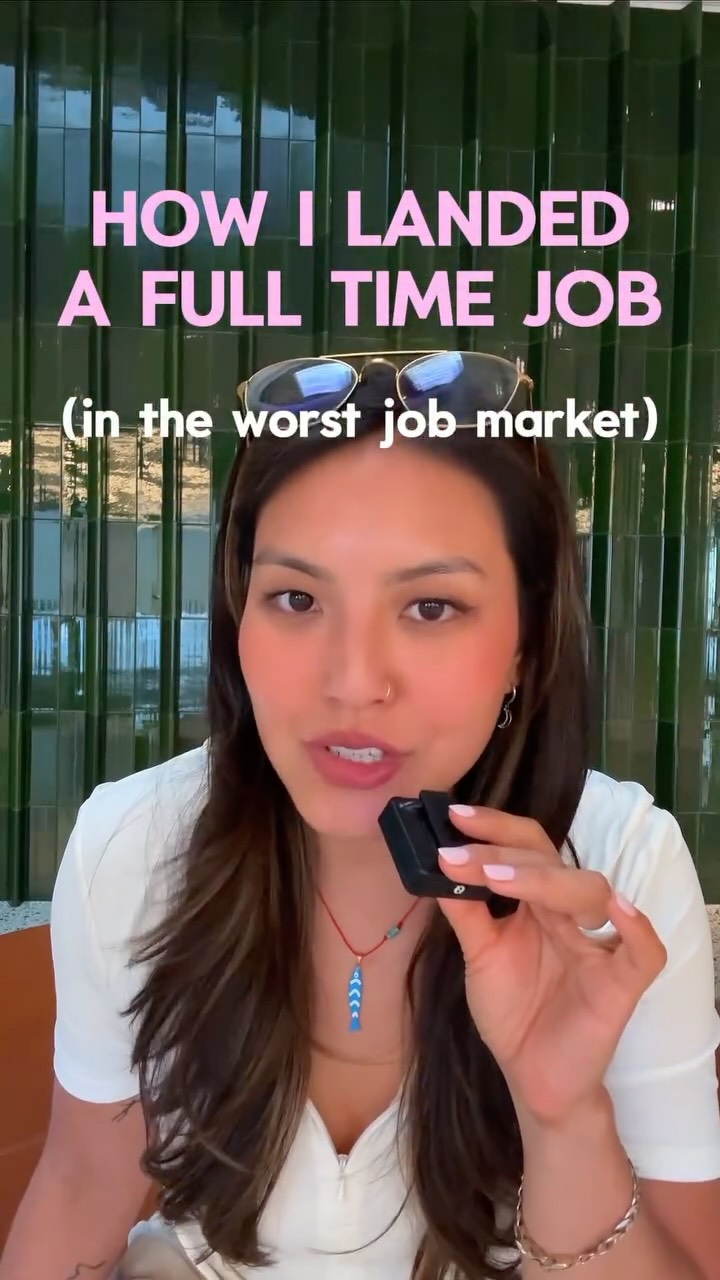
The creator details his personal interview preparation process, which he developed after being laid off. He explains that he spends 4-6 hours preparing for each interview, starting with the 'Tell me about yourself' question, then preparing 10 stories using the STAR method for behavioral questions, and finally, preparing questions to ask the interviewer. He concludes by suggesting a mindset shift: treat the interview like a sales call to improve performance and success.
I got laid off in April and then landed a job towards the end of May.
Visual hook · 5%
The creator is holding a small microphone with a fuzzy windscreen and stirring a drink with a tea infuser chain, creating subtle movement and visual interest in a static talking-head shot.
[06]
Hook template
Steal this for your own video
I got [negative career event] in [timeframe] and landed [positive outcome] by [later timeframe] — here's the exact prep process I used.
— I got laid off in January and landed a six-figure offer by March — here's the exact prep process I used.
— I got rejected from every grad school I applied to and got accepted to my dream program a year later — here's the exact prep process I used.
— I got passed over for promotion twice in one year and got promoted within 90 days — here's the exact prep process I used.
[07]
Hook and payoff
The promise the opener makes, and how the video pays it back
Hook
The Credibility Hook: Immediately establish authority and relatability by presenting a desirable outcome (getting a job) achieved after overcoming a common, painful problem (being laid off).
Payoff
The Open Invitation: Conclude by inviting direct interaction and questions, positioning the creator as an accessible resource and encouraging community engagement in the comments.
[08]
Narrative framework
The structural pattern this video runs on
Framework
The Proven Process Blueprint
Establish credibility through a personal success story, then break down the exact, multi-step process that led to that success, culminating in a high-level mindset shift that reframes the entire activity for the viewer.
1
The Effort Justification
Frame the upcoming process by quantifying the necessary commitment and validating the audience's potential anxieties about under-preparing, thereby justifying the depth of the advice.
2
The Foundational Pillar
Detail the single most critical component or first step of the process ('Tell me about yourself'), explaining why it's the most important and offering a resource to add value.
3
The Tactical Arsenal
Detail the next major component of the process (preparing stories), introducing a specific, well-known methodology (STAR method) to execute it effectively.
4
The Perspective Reversal
Introduce the third component of the process, which involves shifting the audience's role from passive recipient to active participant (preparing questions to ask).
5
The Pro-Tip Elevation
Provide a nuanced, non-obvious tactic related to the previous beat (asking questions *during* the interview) that elevates the advice from basic to expert-level and changes the dynamic of the activity.
6
The Paradigm Shift
Deliver a final, overarching mental model or philosophy (treat it like a sales call) that reframes the entire process and provides a memorable, high-level takeaway.
Themes
Preparation
Career development
Overcoming anxiety
Professionalism
Techniques
Personal storytelling
Direct address
Actionable advice
Post caption
Tell me about yourself is the most important interview question.
𝗛𝗲𝗿𝗲’𝘀 𝗮 𝟯-𝗽𝗮𝗿𝘁 𝗳𝗿𝗮𝗺𝗲𝘄𝗼𝗿𝗸 𝘁𝗼 𝗻𝗮𝗶𝗹 𝘁𝗵𝗶𝘀 𝗾𝘂𝗲𝘀𝘁𝗶𝗼𝗻:
🧵 𝗧𝗵𝗲𝗺𝗲 (𝗼𝗳 𝘆𝗼𝘂𝗿 𝗽𝗮𝘀𝘁 𝗷𝗼𝗯𝘀)
Start with the common thread that links your last 2-4 jobs
And make sure it relates to the job you are interviewing for
Ex. “In all my previous roles I’ve focused on making sure clients are successful with the product. I’ve done this by building strong relationships with stakeholders, using data to understand client needs, and communicating insights to product teams to drive product improvement.”
📈 𝗜𝗺𝗽𝗮𝗰𝘁 (𝘆𝗼𝘂’𝘃𝗲 𝗺𝗮𝗱𝗲)
Then mention 1-2 concrete outcomes or accomplishments
Use numbers where possible
Ex. “Some highlights have been increasing customer retention by 15% and driving product adoption. ”
🧬 𝗥𝗲𝗮𝘀𝗼𝗻 (𝘆𝗼𝘂 𝗮𝗽𝗽𝗹𝗶𝗲𝗱)
End with why you applied to the role.
Don’t assume the employer knows.
Make sure to mention something specific either about the role, company culture, company approach, or general industry that the company is in.
Ex. “I’m now looking for the next challenge where I can make a bigger impact on the product using customer insights. And when I saw this role at {company name} it felt like the perfect fit. Especially because of {specific detail about the role/company culture/industry}, which I feel is part of my long-term plan to {career goal}.
Do this and it’ll set you apart.
#jobsearch #jobsearchtip #interviewprep
Text overlays
title · beginning
My Interview Prep Process
Transcript
I got laid off in April and then landed a job towards the end of May. Here's everything I did to interview prep. The first thing you need to know is I spent about four to six hours preparing for an interview, and I say that because I feel like most people don't do enough prep. I do it because I'm anxious about them asking a question and then me being completely rank. So I feel good over preparing. The first question I prep for is tell me about yourself. I feel like that's the most important question and it's my chance to stand out from everybody else. I'll put my framework for answering it in the description below no you guys can use it. After that, I prep about 10 stories that I can use to answer their questions. And I do that using the Tier method. I feel like that keeps me from rambling. And I prep 10 because I just wanna be ready for any question that they might answer. Then I prep the questions that I wanna ask them. And one thing I don't hear people talk about a lot is you can ask your questions during the interview. You don't have to wait until the very end. And what that does actually is it makes it feel more like a conversation. I think that's just more natural. And I'll end with this, if you think about the interview like it's a sales call and if you actually Google how to prepare for a sales call and yes that advice on your interview, it'll completely change how you show up, and you'll be way more successful in all your interviews. So that's what I do. Let me know if you guys have any questions. I'll respond to them all.