Viral Hooks
Trending short videosExplaining a new photography trend
D

@deathtostock

Instagram · Split screen

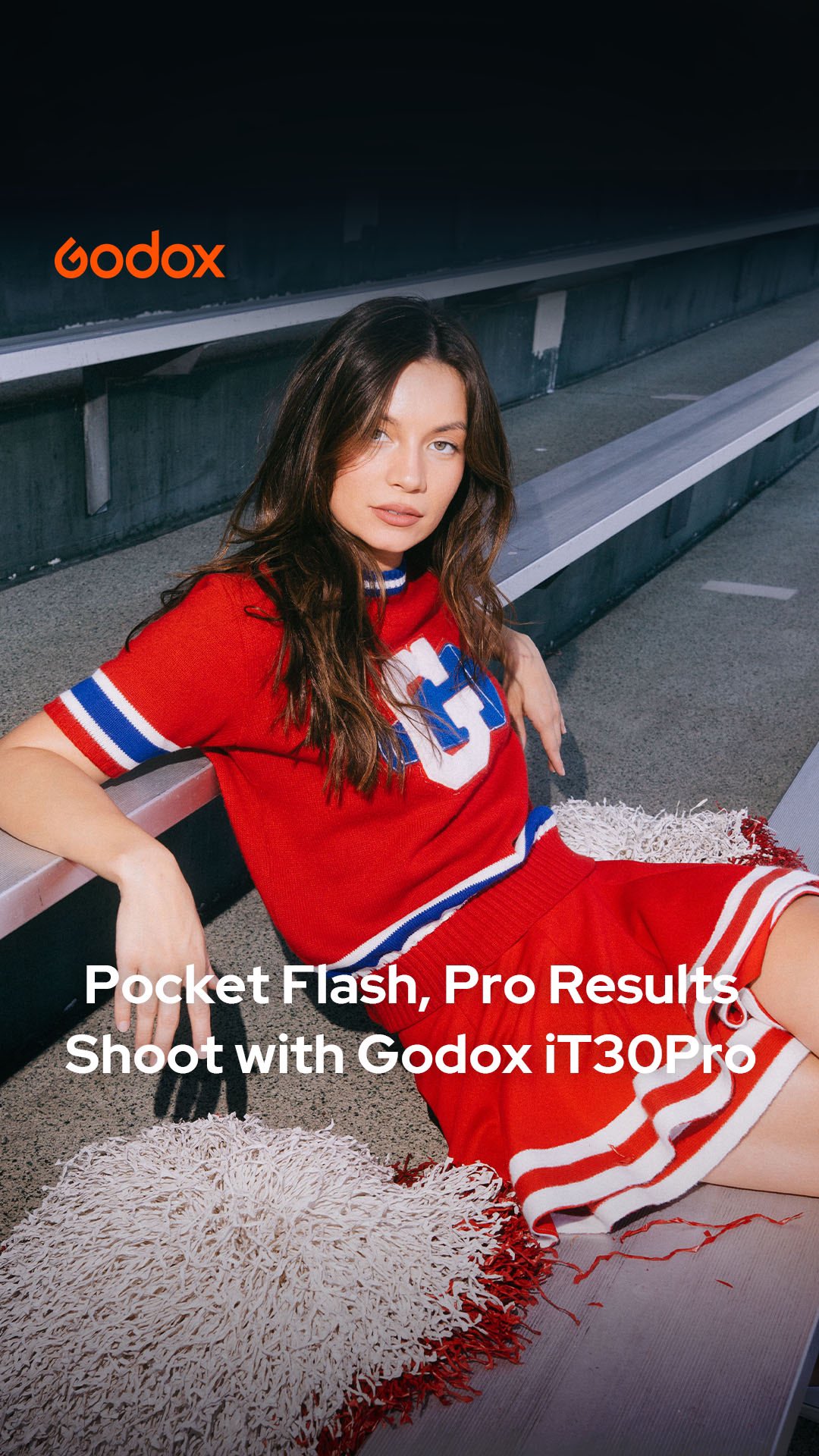
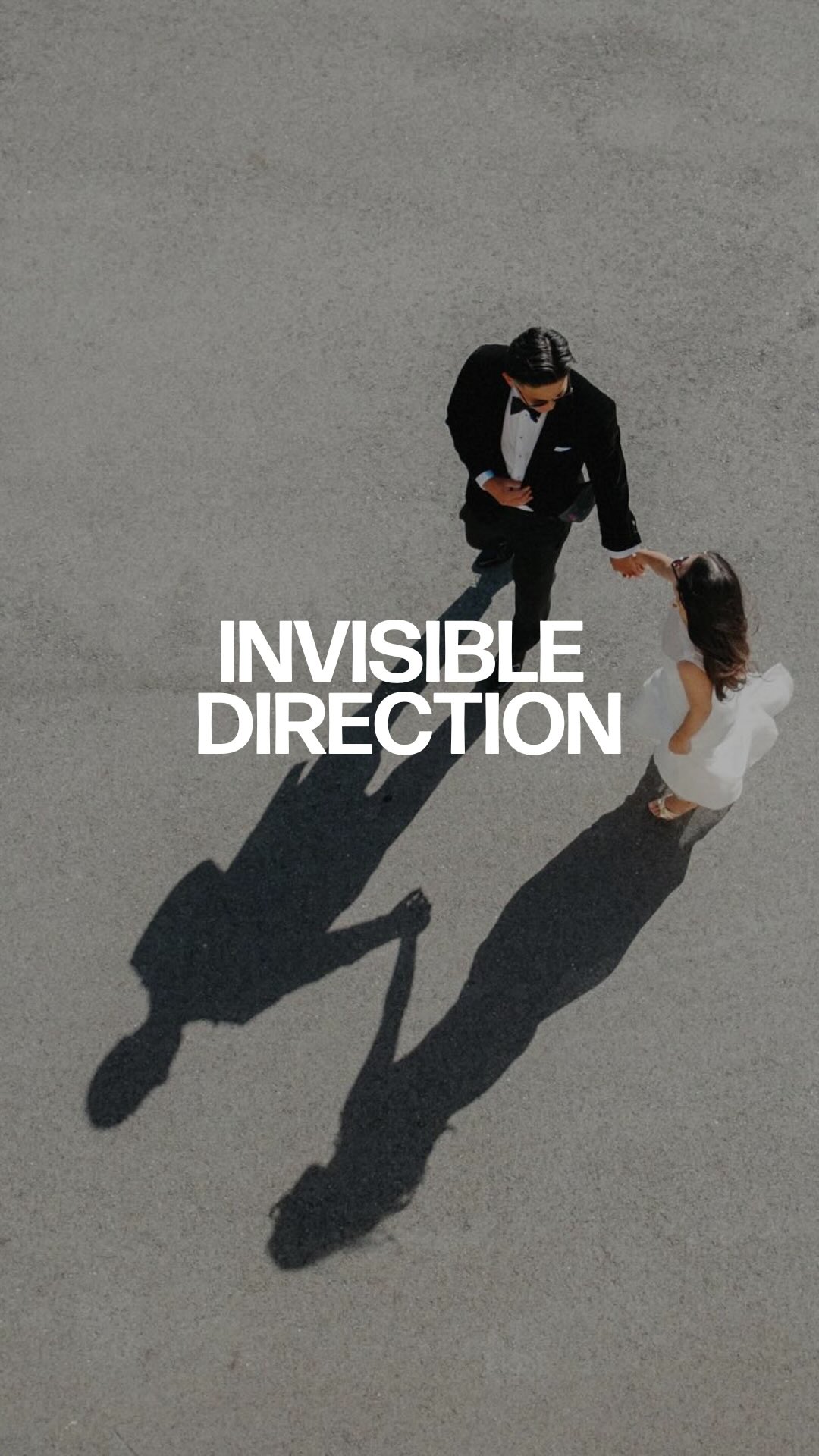
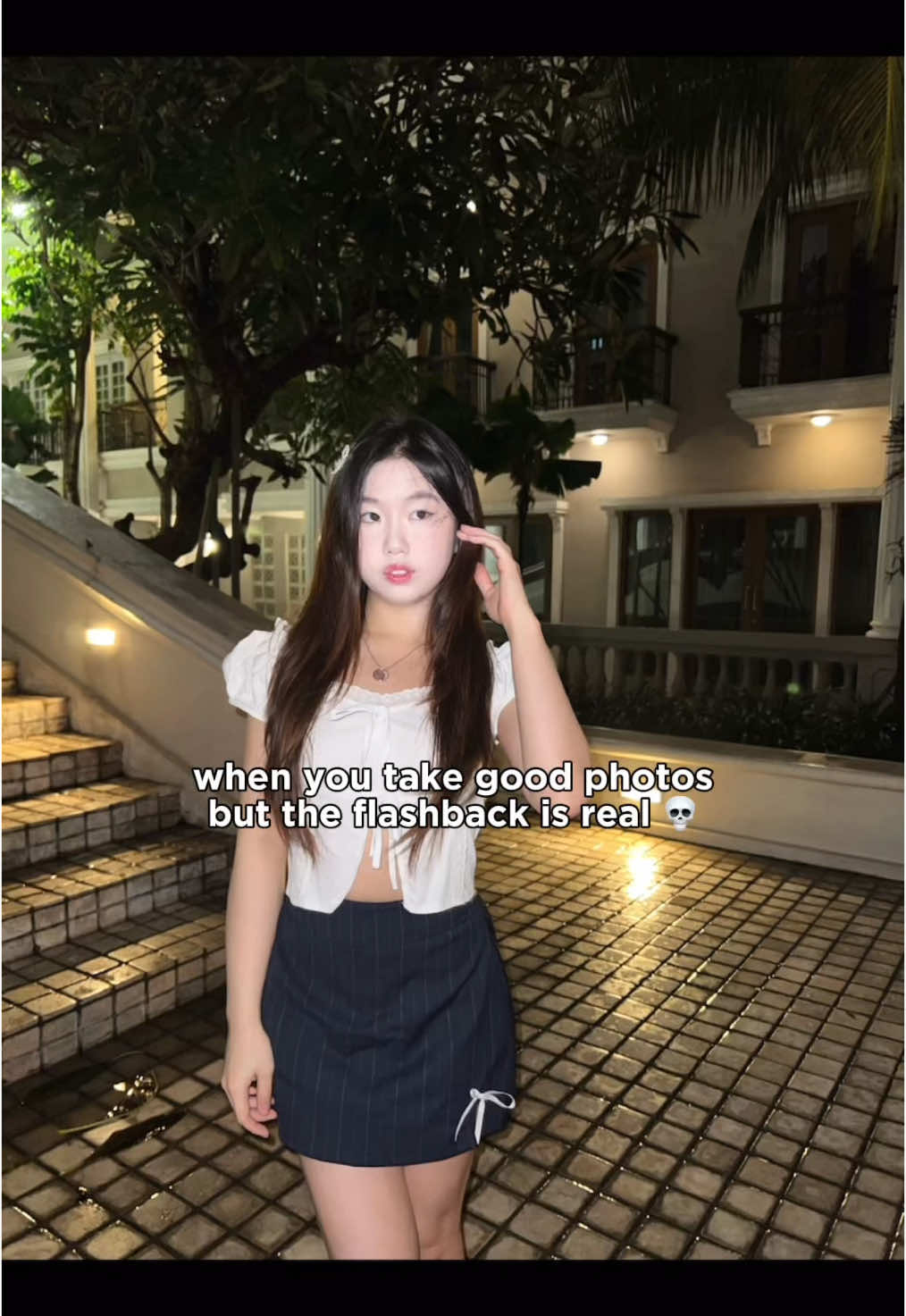
@deathtostock RIP candid era 🪦 On the heels of a post-authenticity era, photography is also reaping less reward for appearing more authentic than it actually is. Enter flash realism, which embraces the presence of the camera, offering a different kind of truthfulness. What do you think of this photography trend?

View original on Instagram

The edit1 shot · 8 text
Shots Text1:13

Performance

Views
384.8K
Likes
20.2K
Comments
345
Engagement
5.3%
Outlier
1.9×
Length · 17 Jun 2026
1:13

Video #34099 · Split screen

Explaining a new photography trendfrom @deathtostock

[01]

Overview

The creator introduces and defines a photography trend called "Flash Realism," contrasting it with the "fake candid" aesthetic. They use a montage of example photos to illustrate its visual style, explain its cultural significance as a response to performative authenticity, and conclude by promoting a related tool on their platform for viewers to use.

[02]

Simple outline

  1. 1Challenge common behavior
  2. 2Introduce a new methodology
  3. 3Justify its superiority
  4. 4Offer an adoption tool

[03]

Related videos

[04]

Classification

Concepts
Breakdown
Elements
Picture-in-PictureMontage EditingText OverlayVoiceover

[05]

Hook analysis

What stops the scroll in the first 3 seconds

Title hook · 45%

Stop trying to make your content look candid.

Verbal hook · 45%

Stop trying to make your content look candid.

Visual hook · 10%

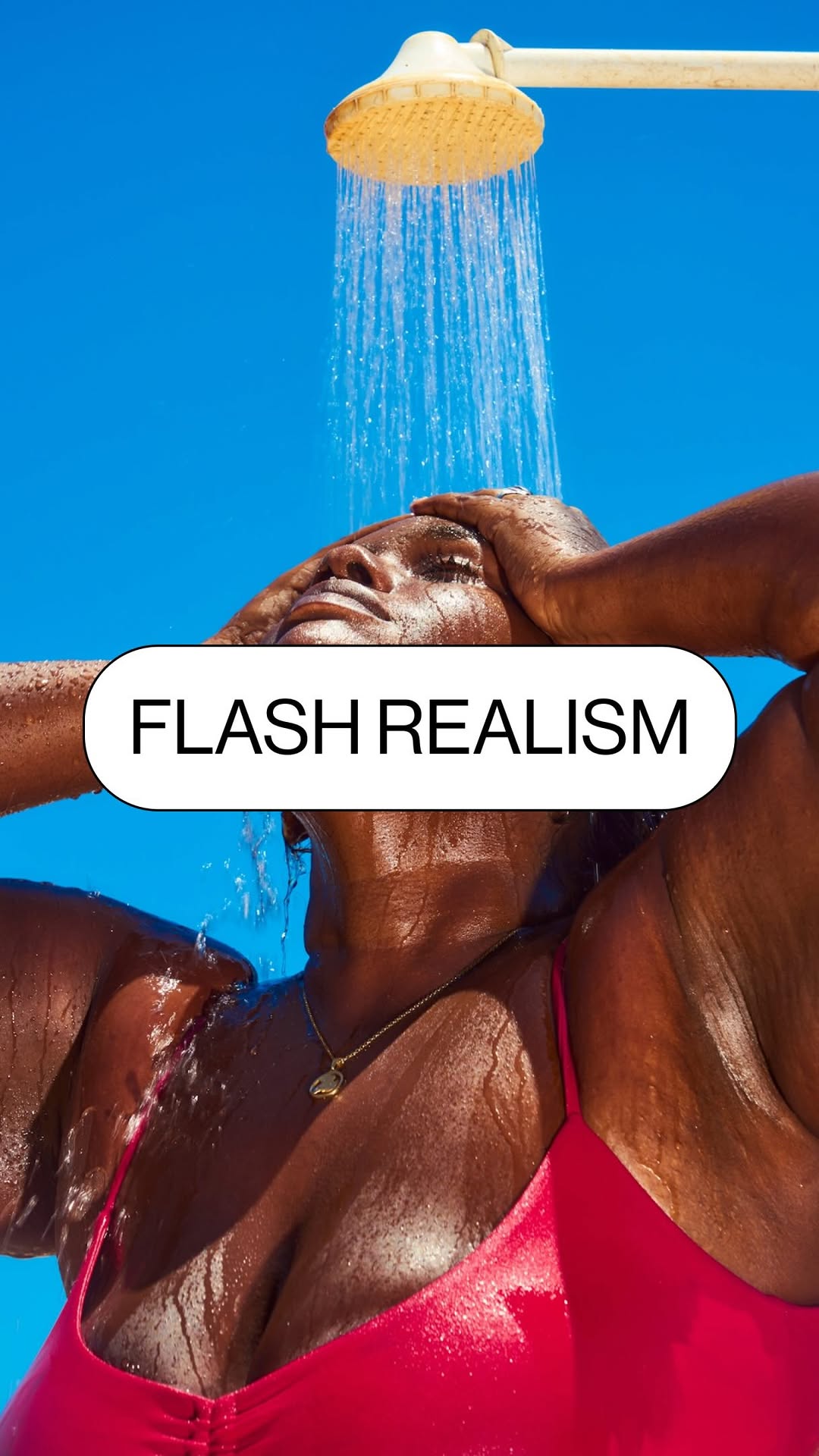
A dramatic, high-contrast photo of a woman with red hair screaming on a beach, lit with harsh flash against a deep blue sky.

[06]

Hook template

Steal this for your own video

Stop trying to make your [creative output] look [overused aesthetic].

  • — Stop trying to make your brand look authentic.
  • — Stop trying to make your food photos look effortless.
  • — Stop trying to make your home edits look minimal.

[07]

Hook and payoff

The promise the opener makes, and how the video pays it back

Hook

A provocative command that directly challenges a viewer's current behavior or belief system, creating immediate intrigue and a need for justification.

Payoff

The Empowerment CTA. Transition from theory to practice by revealing a specific tool, resource, or method that enables the viewer to easily adopt and implement the new trend, thus resolving the initial challenge posed in the hook.

[08]

Narrative framework

The structural pattern this video runs on

Framework

The Trend Forecaster's Thesis

To establish authority by identifying, naming, and deconstructing an emerging cultural trend, positioning it as a superior evolution from a flawed, outdated norm, and concluding with a tool that empowers the audience to adopt it.

  1. 1

    The New Wave Introduction

    Announce the arrival of a new, unnamed trend. Validate its importance and prevalence by showing a rapid montage of high-status examples (e.g., from experts, celebrities, major brands).

  2. 2

    The Aesthetic Breakdown

    Systematically deconstruct the observable characteristics of the new trend. Explain the 'what' and 'how' of its visual or functional components.

  3. 3

    The Naming Ceremony

    Give the trend a definitive, memorable name. This act of codification transforms a loose set of observations into a concrete, official concept, distinguishing it from generic predecessors.

  4. 4

    The Philosophical Core

    Explain the deeper meaning or 'why' behind the trend. Contrast its core philosophy directly against the flawed philosophy of the old, established method, framing it as a more intelligent or evolved approach.

  5. 5

    The Cultural Diagnosis

    Connect the emergence of the new trend to a broader, relatable societal problem, fatigue, or paradox. Frame the trend not just as a new style, but as a necessary response to a shared cultural pain point.

Themes

  • Authenticity vs. Performance
  • Media Literacy
  • Visual Culture

Techniques

  • Voiceover Narration
  • Montage Editing
  • Visual Analysis

Trends

  • Flash Realism
  • Post-Authenticity

Post caption

RIP candid era 🪦 On the heels of a post-authenticity era, photography is also reaping less reward for appearing more authentic than it actually is. Enter flash realism, which embraces the presence of the camera, offering a different kind of truthfulness. What do you think of this photography trend?

Text overlays

  • title · beginning

    Stop trying to make your content look candid.

  • informational · beginning

    There's a different type of image taking over social media right now.

  • title · middle

    FLASH REALISM

  • informational · middle

    This style of content uses flash to reveal the camera's mediation,

  • informational · middle

    That is what seperates it from the flat, fake-candid look that has dominated social media feeds.

  • informational · middle

    Flash realism is one style of content that responds to that fatigue.

  • call-to-action · end

    Find it under the explore tab on the (DTS) platform,

  • branding · end

    (DTS)

Transcript

Stop trying to make your content look candid. There's a different type of image taking over social media right now. It's been showing up in editorial campaigns, in recent music videos, and all over creator feeds. Visually, the style is usually set in transitional locations with darker, ambient backgrounds. The subject is often caught bad movement, and the flash makes them appear brighter and sharper than the world around them. But this is not just flash photography, even though flash is a tool it uses. We've been internally calling it Flash Realism. This style of content uses flash to reveal the camera's mediation, while the performed posing makes it feel like the subject is co authoring the image. That is what separates it from the flat, fake, candid look that has dominated social media feeds. Last year, I argued that our obsession with appearing authentic online has us acting in performative ways. The harder we tier to prove our own realness, the more constructed everything started to feel. Flash realism is one style of content that responds to that fatigue. As audiences become more fluent in reading images, flash realism gives them visuals that are honest honest about their own construction, proving that one doesn't have to perform spontaneity to create something that feels emotionally true. We made a pattern inspired by this type of photography. Find it under the Explore tab on the DTS platform and try the visuals on your next project or campaign.