@lilswalty
Instagram · Talking Head Edit
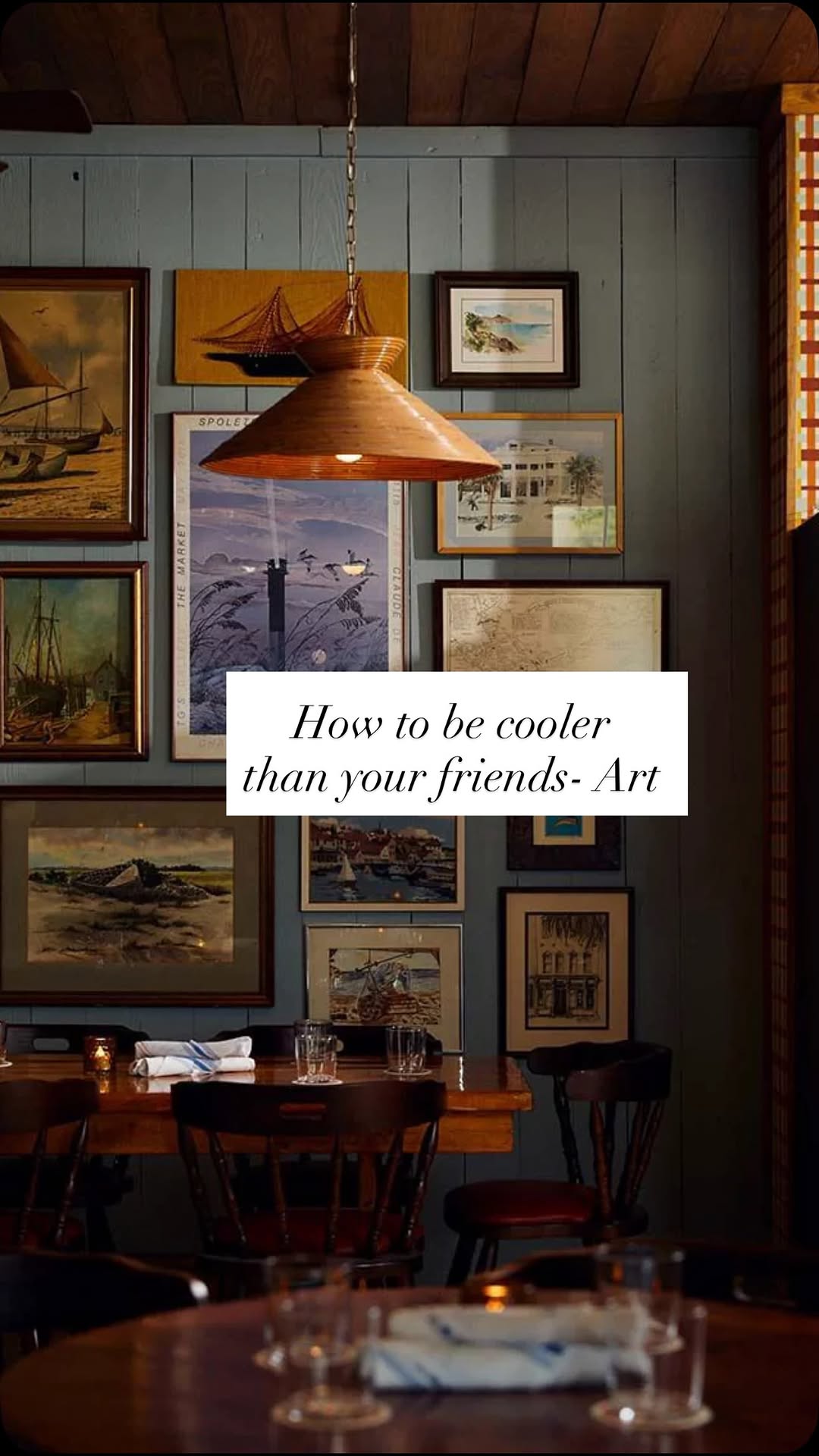
@lilswalty How to tell what your wall is asking for #art #artplacement #interiordesigner #interiordesigntips #interiordesignideas

@lilswalty
Instagram · Talking Head Edit
@lilswalty How to tell what your wall is asking for #art #artplacement #interiordesigner #interiordesigntips #interiordesignideas
Performance
Video #35268 · Talking Head Edit
[01]
The creator, an interior design expert, reframes the question of choosing art from 'what to buy' to 'what the wall needs to do.' She breaks down wall needs into three categories—anchors, rhythm, and personality—using B-roll examples for each. She concludes with a hack for creating impactful art on a budget by framing smaller, meaningful items and emphasizes that good art is about creating focal points.
[02]
[03]
 107.3KReasons to finish design projects@hansloreidesign · Breakdown
 198.1K28.3×Rapid fire list of artists@ediepeffley · Rapid Fire Listicle
 91.4KExpert lists approved design trends@mrphoenixgrey · Rapid Fire Listicle
 147.4KDesigner shares West Elm favorites@hansloreidesign · Buying List
 609.9K3.9×Rapid fire taste improvement tips@fakeplasticbrands · Rapid Fire Listicle
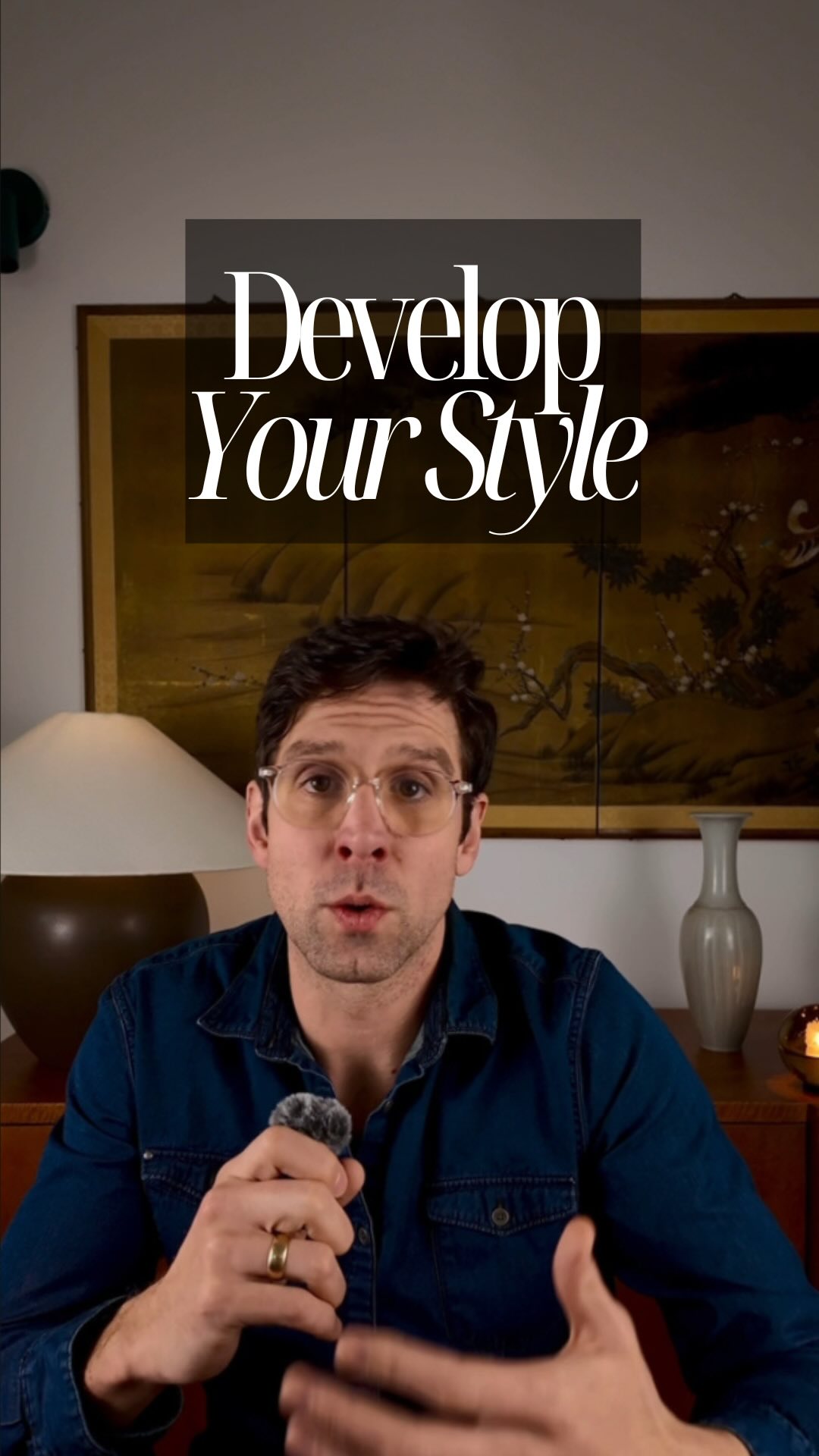 161.5K1.9×Numbered list for home design@hansloreidesign · Numbered Breakdown
 115.4K99.9×Numbered list explaining art direction@jason_swet · Breakdown
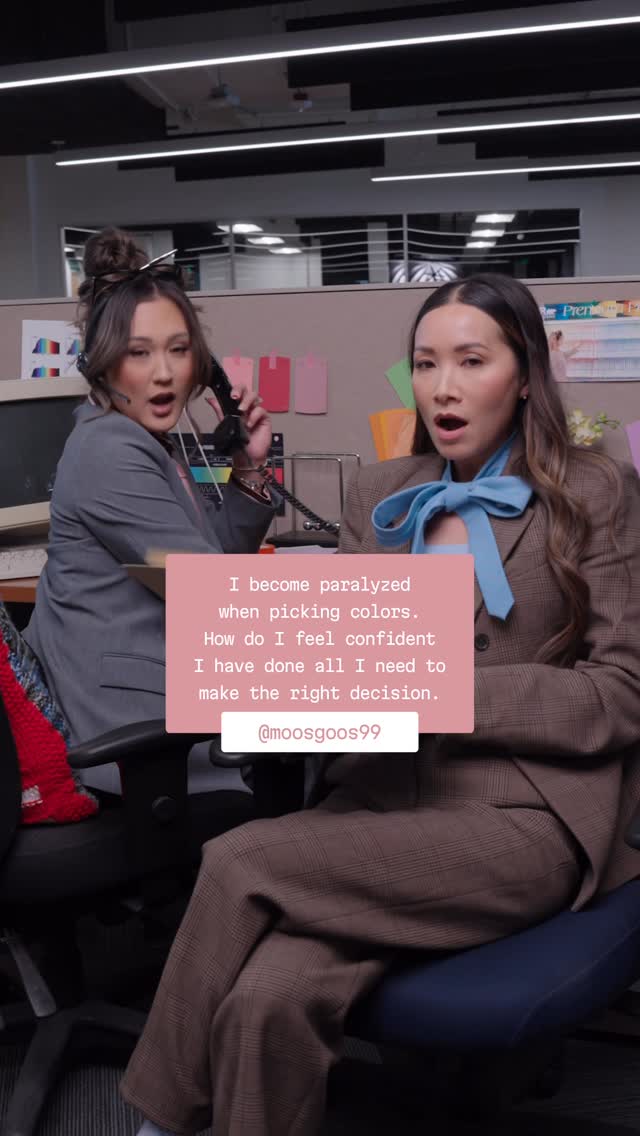 743.8K120×Color choice advice Q&A@behrpaint · Q&A Response
 107.7KQuick designer painting tips list@paint_it_blacker · Rapid Fire Listicle
 652K102.8×Demonstrating lighting's effect on paint@behrpaint · Q&A Response
 1.3M1×Numbered list explaining design style@curatingambiance · Numbered Breakdown
 112.6K18.3×Explaining three art direction techniques@jason_swet · Rapid Fire Listicle
[04]
[05]
What stops the scroll in the first 3 seconds
Title hook · 55%
How to be cooler than your friends
Verbal hook · 40%
You should change in your house to be cooler than all of your friends.
Visual hook · 5%
A medium close-up of a smiling woman making direct eye contact, holding a small microphone, against a textured, artistic wall.
[06]
Steal this for your own video
How to have than all your (change your )
[07]
The promise the opener makes, and how the video pays it back
Hook
An aspirational or competitive premise that promises a superior outcome or social status, immediately hooking the viewer's desire for self-improvement.
Payoff
The Master's Maxim: Concludes with a concise, memorable, and high-level philosophical statement that encapsulates the entire lesson, leaving the viewer with a feeling of mastery and a new guiding principle.
[08]
The structural pattern this video runs on
Framework
The Expert Reframe
The video establishes authority by identifying a common problem, reframing the user's fundamental approach to it, and then providing a new, superior mental model broken down into actionable categories and principles.
The Foundational Reframe
Identifies a common user struggle and invalidates the typical approach ('you're asking the wrong question'). It then introduces a new, more effective question or perspective as the video's core thesis.
The Principle Breakdown
Systematically breaks the new perspective into 2-3 distinct, named categories or principles (e.g., 'anchors', 'rhythm', 'personality'). For each principle, it defines its purpose, context, and provides a simple, actionable rule.
The Common Objection Override
Proactively addresses the most common barrier to entry (e.g., cost, time, skill) by offering a clever workaround, hack, or a list of alternative approaches that makes the advice feel universally achievable.
How to tell what your wall is asking for #art #artplacement #interiordesigner #interiordesigntips #interiordesignideas
title · beginning
How to be cooler than your friends
informational · beginning
What does this wall need to do?
informational · middle
Some need anchors
informational · middle
Some need rhythm
informational · middle
Some need personality
informational · end
Big art hacks!
You should change in your house to be cooler than all of your friends. Today we're talking art. Your walls are empty because you're asking the wrong question. It's not what art should I buy, it's what does this wall need to do. Some walls need an anchor over a sofa, bed, or a console. One larger piece is usually better than three tiny pieces floating around randomly. Some walls need rhythm. Hallways, stairwells, open floor plans. This is where pairs, series, or repeated frames work because they move your eye through the house. Some walls need personality. That's where a gallery wall works. Start with the biggest or weirdest piece first, then build around it and add something that isn't just another rectangle, a plate, a textile, a little mirror, something with a different shape. And if you can't buy huge art, don't buy huge fake art. Frame smaller things better. Vintage postcards, old menus, kid art, family photos, fabrics, sketches, a page torn out of a book that you love. Good art isn't about filling every blank wall. It's about knowing where you want somebody's eye to land.