Post caption
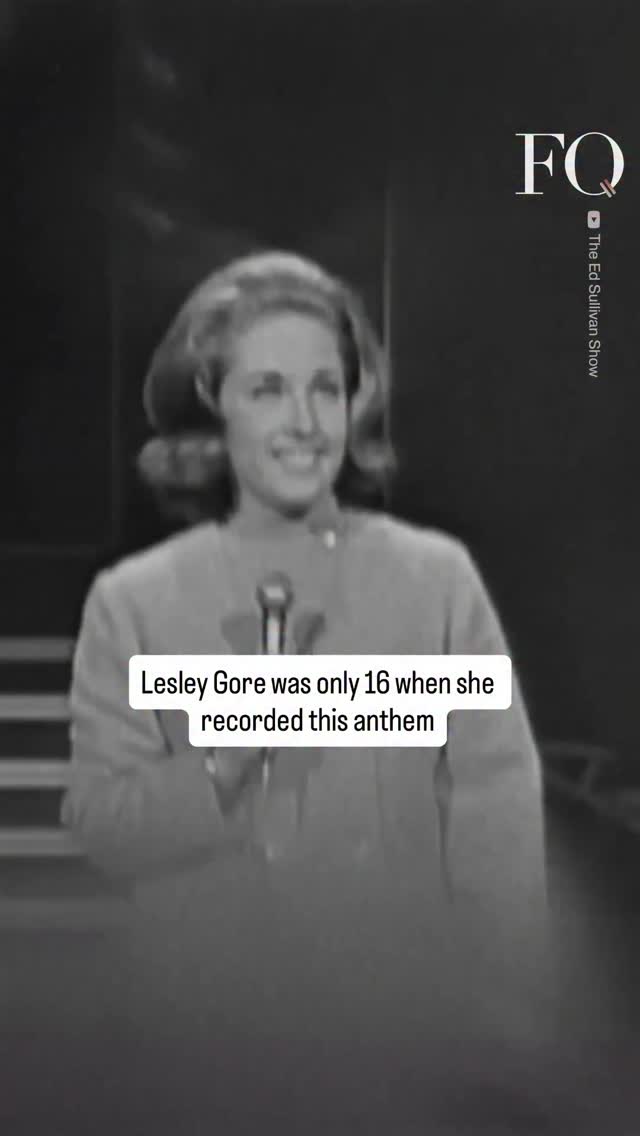
Lesley Gore was still a teenager when she recorded “You Don’t Own Me,” a song that challenged the expectations placed on women and became an anthem of independence for generations to come.
Long before conversations about autonomy, identity, and self-determination became mainstream, she used her voice to push back against the idea that women should be controlled, defined, or limited by others.
But her impact went far beyond one hit song. She built a career on her own terms, continued creating throughout her life, and later used her platform to help her LGBTQ+ community feel seen and less alone. As #PrideMonth comes to a close, we’re honoring her legacy as an artist and advocate. ✨ #Trailblazers
Transcript
She was 16 years old when she walked into a recording studio and changed the sound of American music. Leslie Gore was a teenager in New Jersey who loved to sing and had no idea what was coming. In 1963, a demo tape she made with her vocal coach found its way to producer Quincy Jones. He called her, they recorded, and before she could even finish her junior year of high school, It's My Party was number one in the country. Better it was her next move that changed everything. In 1964, she turned 18 and she recorded You Don't Own Me. At a time when women in America were still expected to belong to someone, she stood in front of a microphone and told the world she was was free. It became one of the highest charting singles of the year and it has never stopped being relevant. Don't tell me what to say. Through all of it, she kept going to school, wrote her own music, and built a career on her own terms in an industry that didn't always make room for that. She even earned an Academy Award nomination for a song she no wrote for the film Fame. And through all of it, she was carrying something privately. She had been with her partner Worst for over two decades before she came out publicly in 2005. When she finally did, she didn't make it a headline. She just kept working, kept showing up, and spent her final years hosting a PBS series about LGBTQ plus life no that people who felt alone might feel a little less. Everything that's wonderful is what I feel and we're together.