@mike_sunday
Instagram · Talking Head Edit
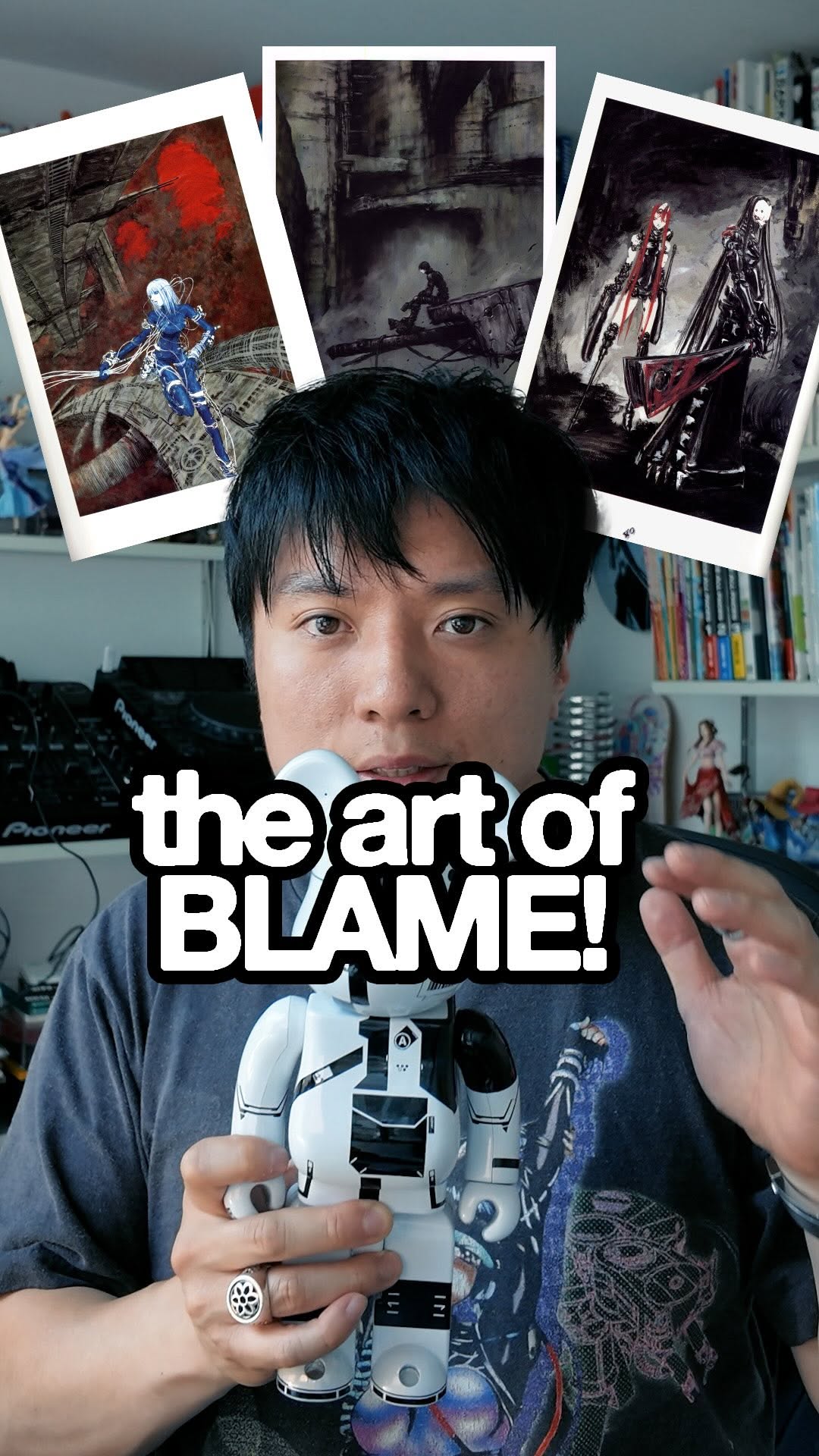
@mike_sunday BLAME! IS A STORY TOLD THROUGH SHEER SCALE AND ENVIRONMENTAL HORROR ♾️🏗️🏟️ TODAY WE TALK ABOUT HOW TSUTOMU NIHEI DEVELOPED HIS STYLE AND WHY BLAME! REMAINS ICONIC #BLAME #TSUTOMUNIHEI

@mike_sunday
Instagram · Talking Head Edit
@mike_sunday BLAME! IS A STORY TOLD THROUGH SHEER SCALE AND ENVIRONMENTAL HORROR ♾️🏗️🏟️ TODAY WE TALK ABOUT HOW TSUTOMU NIHEI DEVELOPED HIS STYLE AND WHY BLAME! REMAINS ICONIC #BLAME #TSUTOMUNIHEI
Performance
Video #35490 · Talking Head Edit
[01]
The creator provides a detailed analysis of the manga "BLAME!" by Tsutomu Nihei. He explains how the story is told through architecture, delves into Nihei's background in construction, and breaks down his artistic influences from artists like Moebius and HR Giger. The creator discusses the evolution of Nihei's art style and concludes by emphasizing the manga's use of silence and environmental horror to create a sense of isolation, before asking the audience for their thoughts.
[02]
[03]
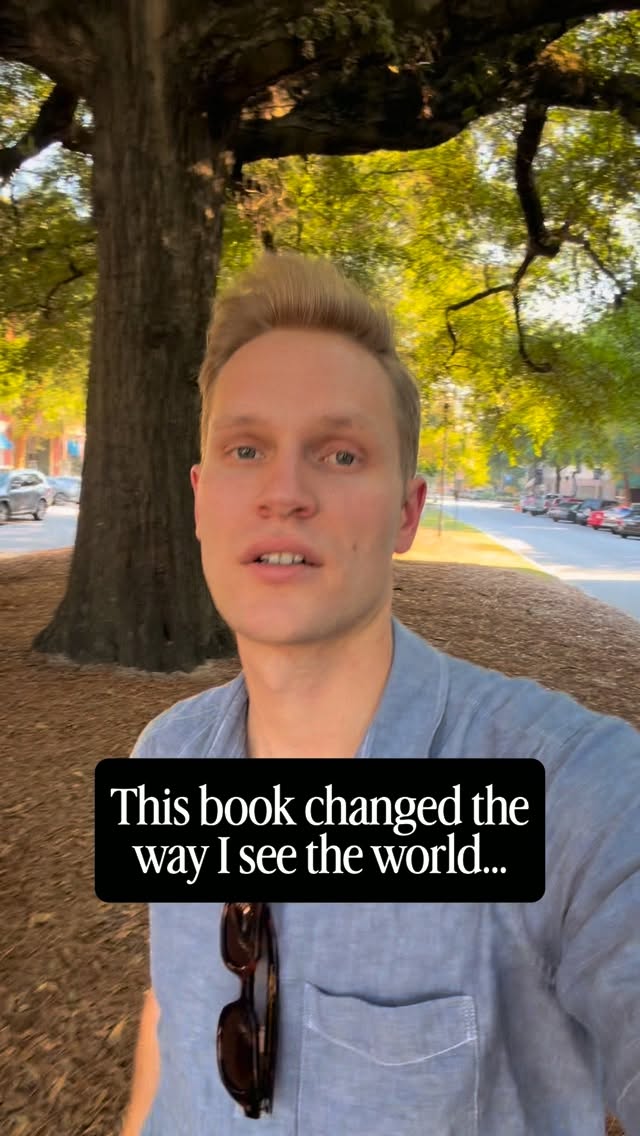 179K9.8×Text-narrated vlog about art philosophy@isaacfrench_ · Anecdotal Philosophy
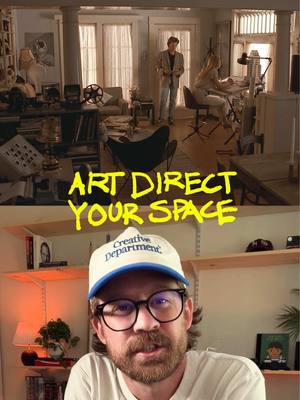 82.6K45.3×Art direct your space concept@jason_swet · Value Vlog
 103.6KShowcasing 11 personal home details@hansloreidesign · Rapid Fire Listicle
 355.3K11.9×Connecting concert experience to art history@tdotbdot1
 2.6M1.2×Montage appreciating brutalist architecture aesthetics@dangerbean_55 · Hot Take
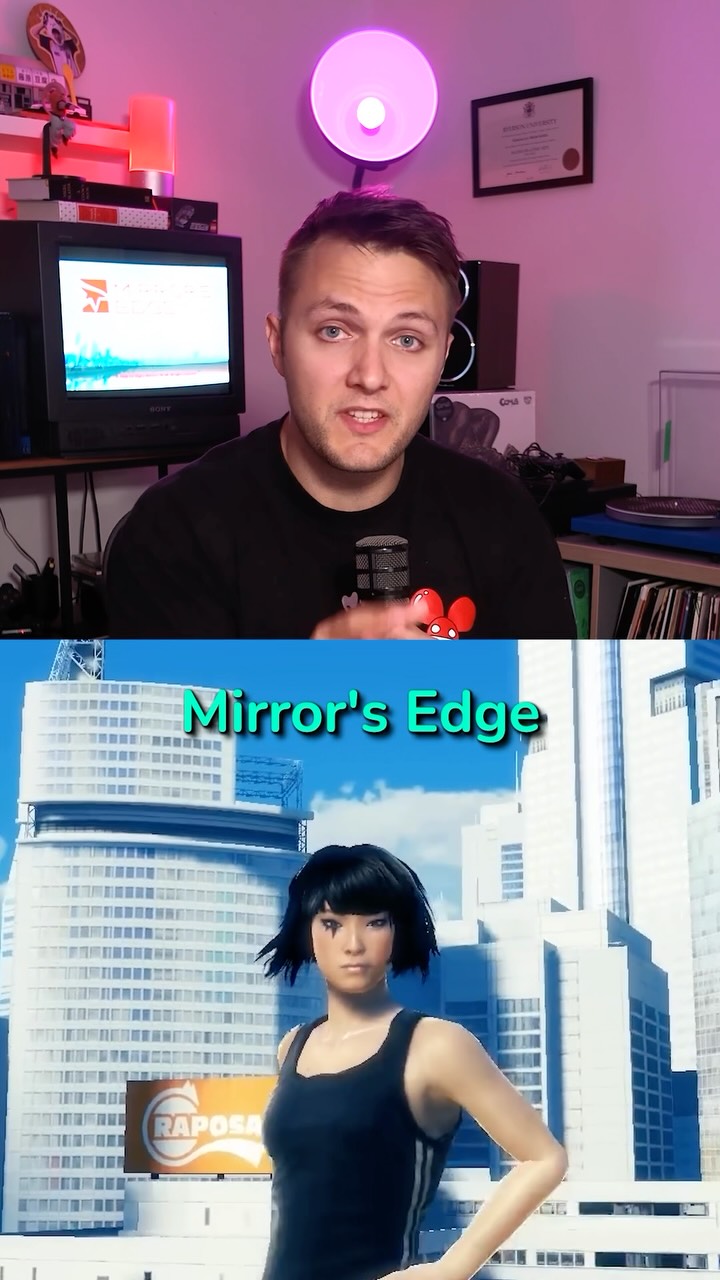 202.5K18.5×Split-screen game design analysis@wusodream · Breakdown
 1M1.1×Living across from photography studios@wacomo · Relatable Skit
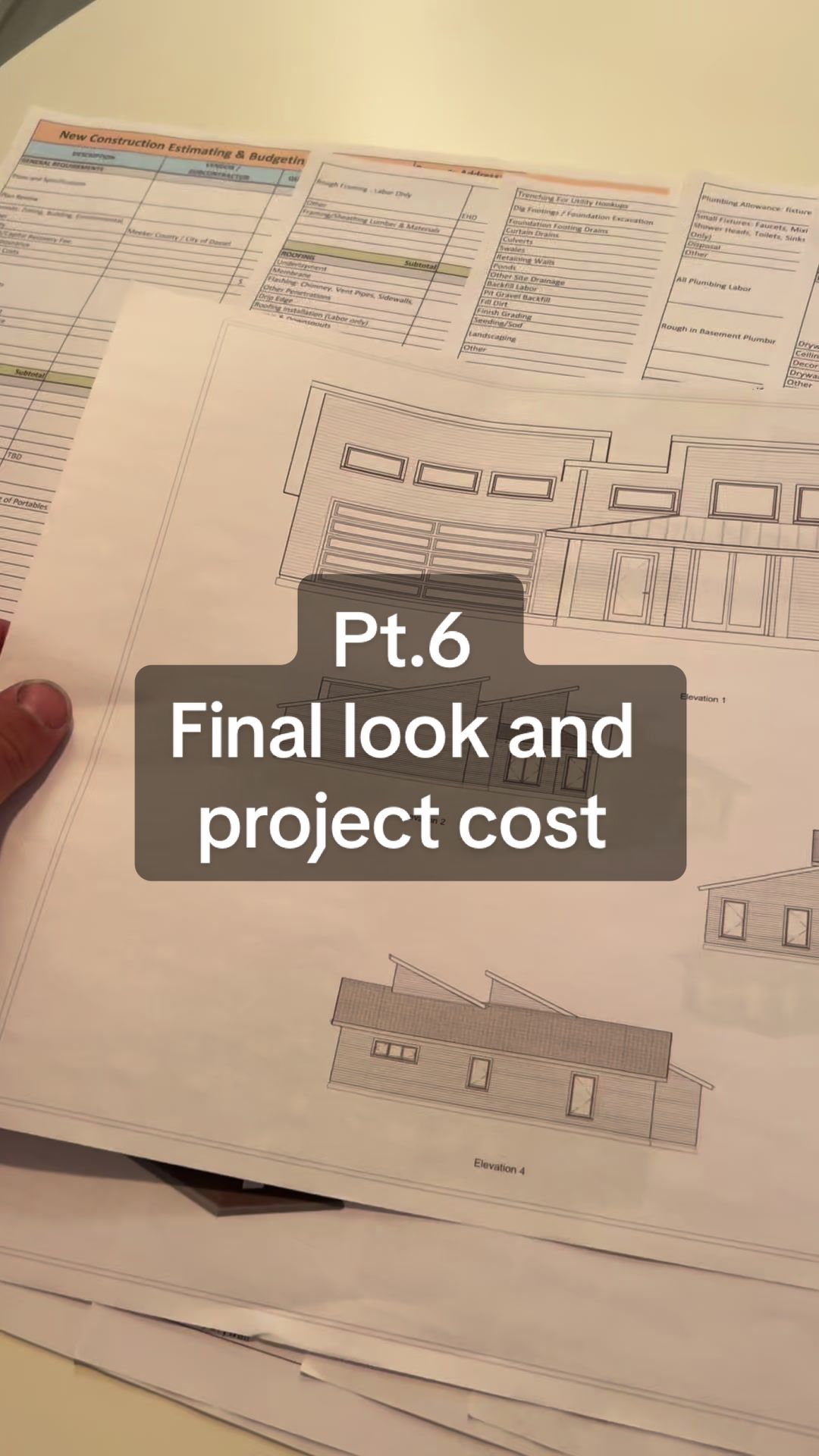 1.4M1.5×Explaining home build plans and costs@buildwithbert · Journey Documentation
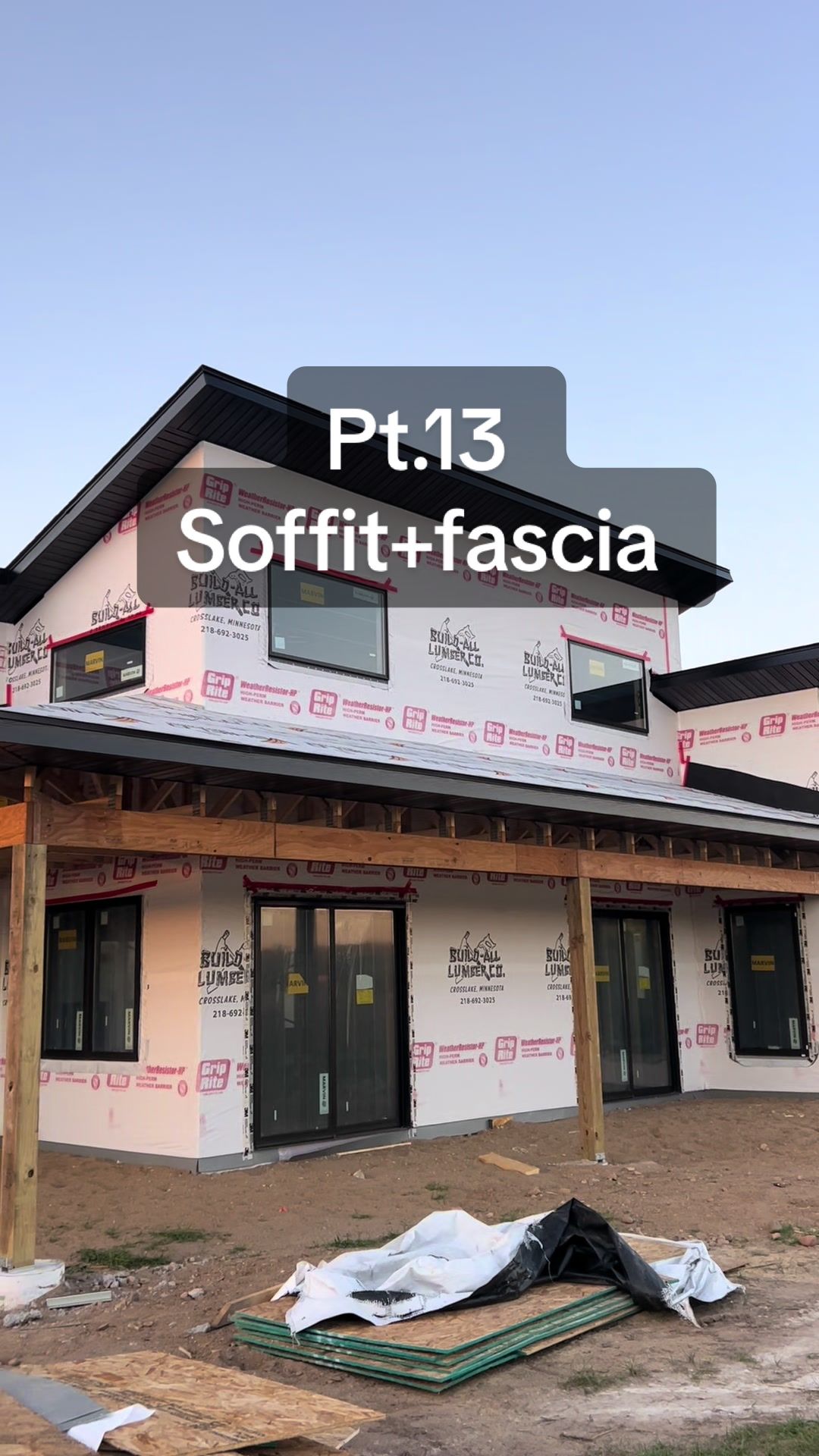 1.4M1.6×Man documents building his house@buildwithbert · Journey Documentation
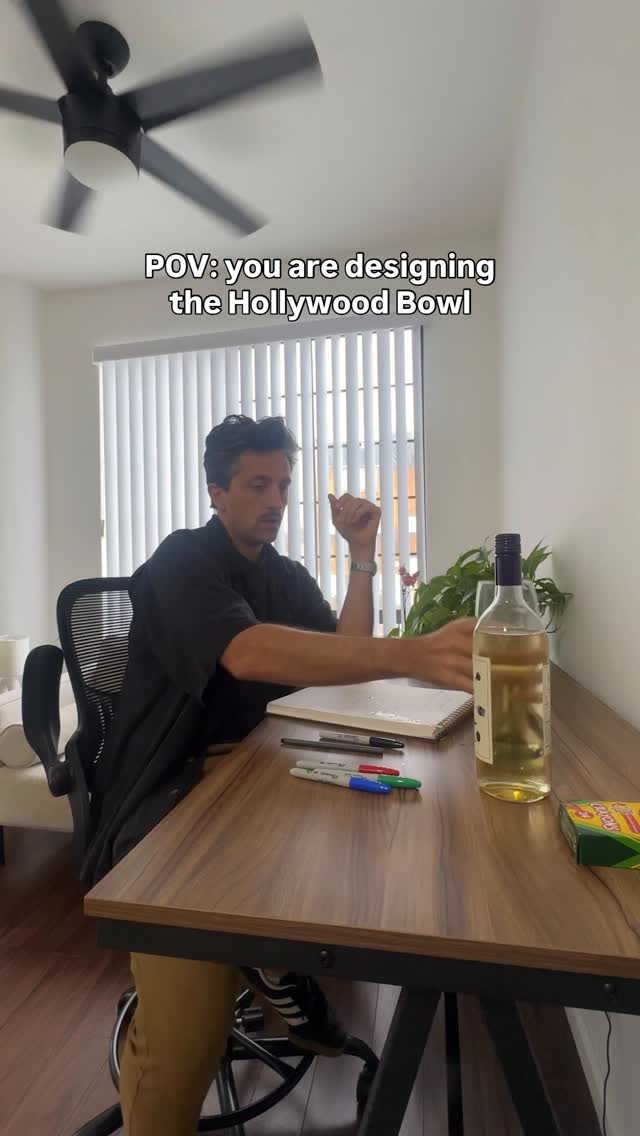 914.6KArchitect satirically designs Hollywood Bowl@aka__vinnie · Skit
 1.9M114.9×Creator shows backyard office commute@isaacfrench_ · Lifestyle Showcase
 721.3KRecapping a 60-day business renovation@yohnmav · Journey Documentation
[04]
[05]
What stops the scroll in the first 3 seconds
Title hook · 35%
terrifying
Verbal hook · 50%
This terrifying manga isn't told through dialogue better through its architecture and environments.
Visual hook · 15%
The creator holds a white and black Bearbrick-style figure while an image of the manga cover is overlaid above his head, immediately establishing the topic with interesting props.
[06]
Steal this for your own video
This doesn't tell its story through — it tells it through .
[07]
The promise the opener makes, and how the video pays it back
Hook
A counter-intuitive thesis statement that challenges a conventional understanding of the subject, immediately framing the video as an expert analysis and creating intellectual curiosity.
Payoff
A direct call to the community that leverages the established expertise. It asks a specific question about the subject matter, inviting viewers to share their own opinions and fostering a discussion in the comments.
[08]
The structural pattern this video runs on
Framework
The Expert Deconstruction
To establish authority and provide intellectual satisfaction by presenting a unique thesis about a piece of media, and then systematically proving it through a deep-dive analysis of the creator's background, influences, and core techniques.
The Biographical Foundation
Provides the creator's origin story, linking their personal history and early career choices to the foundational mindset behind their work. This grounds the art in human experience.
The Technical Skill Origin
Details the specific education and professional training the creator underwent, explaining precisely how they acquired the unique skills that define their style. This serves as direct evidence for their capabilities.
The Pantheon of Influences
A rapid-fire montage showcasing the subject's key artistic and narrative influences. This situates the work within a broader cultural context and demonstrates the narrator's deep knowledge.
The Evolutionary Split
Identifies and contrasts two distinct eras or styles within the creator's body of work, showcasing a nuanced understanding that goes beyond surface-level analysis.
The Central Thesis Proof
Revisits the opening hook and provides a detailed mechanical explanation of how the subject's primary technique functions, using specific terminology to break down its psychological impact on the audience.
The Character-as-Lens
Analyzes the function of the protagonist not as a traditional character, but as a narrative tool or vessel through which the audience experiences the world, further reinforcing the central thesis.
The Grand Synthesis
Provides a powerful, conclusive summary that often coins a new term or genre classification for the work. This gives the viewer a memorable, high-value takeaway that encapsulates the entire analysis.
BLAME! IS A STORY TOLD THROUGH SHEER SCALE AND ENVIRONMENTAL HORROR ♾️🏗️🏟️ TODAY WE TALK ABOUT HOW TSUTOMU NIHEI DEVELOPED HIS STYLE AND WHY BLAME! REMAINS ICONIC #BLAME #TSUTOMUNIHEI
contextual · beginning
terrifying
contextual · middle
Enki Bilal samples
contextual · middle
Moebius samples
contextual · middle
HR Giger samples
contextual · middle
Clive Barker samples
contextual · middle
Otomo samples
call-to-action · end
have you read blame! Let's have a discussion down in the comments
This terrifying manga isn't told through dialogue better through its architecture and environments. This is the art of blame best Nihei. No grew up in an agricultural and natural environment and when he entered the construction industry he quickly realized that he was ill suited for collaborative, tier oriented tasks which made him pursue a more autonomous profession. Now in tier, Nihei actually went to New York to attend Parsons where a lot of his coursework was emphasized in architecture, which is where he picked up a lot of his spatial composition and structural visualization skills. And when he returned to Japan, he worked part time for an architectural firm where he studied structural mechanics and the insides of walls like piping, steel framing, better. And you know where I'm going with this if you've read Blame. Now in terms of influences, the rendering palettes and grimy style of Rank Bilal was of massive inspiration. Now leather clad characters in these isolated environments could be seen in the work of Mobius And of worse, these organic machine environments or biomechanical surrealism was inspired by the work of HR Giger. We can also see Clive Barker with his cyber gothic imagery like Hellraiser. Of course, Otomo Zaccura, but he is also inspired narratively by the likes of William Gibson, Ridley Scott, and even Guillermo del Toro. Now his work can be sort of split into two eras, the earlier heavy, darker, black inked panels and the lighter, cleaner, sterile, highly overexposed white compositions. But the divining narrative tool of blame is its minimization of dialogue. Nihei specifically prioritizes silence and negative space, transforming the page into the embodiment of isolation, scale, and physical exhaustion. Kili, the protagonist, quiet focal point for the better to experience the environment with. The weight of the narrative is carried by the physical better, and you could consider this environmental cosmic horror. Nihei transfers the terror into the environments, and as the manga progresses, the panels become increasingly bleak and empty. The world of Blame is completely composed of liminal spaces, cosmic isolation, and intergalactic terror. So have you read Blame? Let's have a discussion down in the comments.