@drkazarian
Instagram · Yap
@drkazarian MAHA = Universal Healthcare ??

@drkazarian
Instagram · Yap
@drkazarian MAHA = Universal Healthcare ??
Performance
Video #35776 · Yap
[01]
The creator, a doctor, recounts a detailed conversation she had with a patient who questioned her patriotism based on her political views. She walks through their debate about 'making America healthy again,' universal healthcare, system abuse, and the role of taxes, culminating in her empathetic argument for supporting children in need, which gives the patient pause.
[02]
[03]
 323.2K20.5×Doctor rants about insurance company@drkazarian · Vulnerable Monologue
 158.2K11.6×Doctor debunks gym bro takes@dr.tommymartin · Reaction
 1.2M7.4×Controversial list with personal story@tasiaalexis · Hot Take
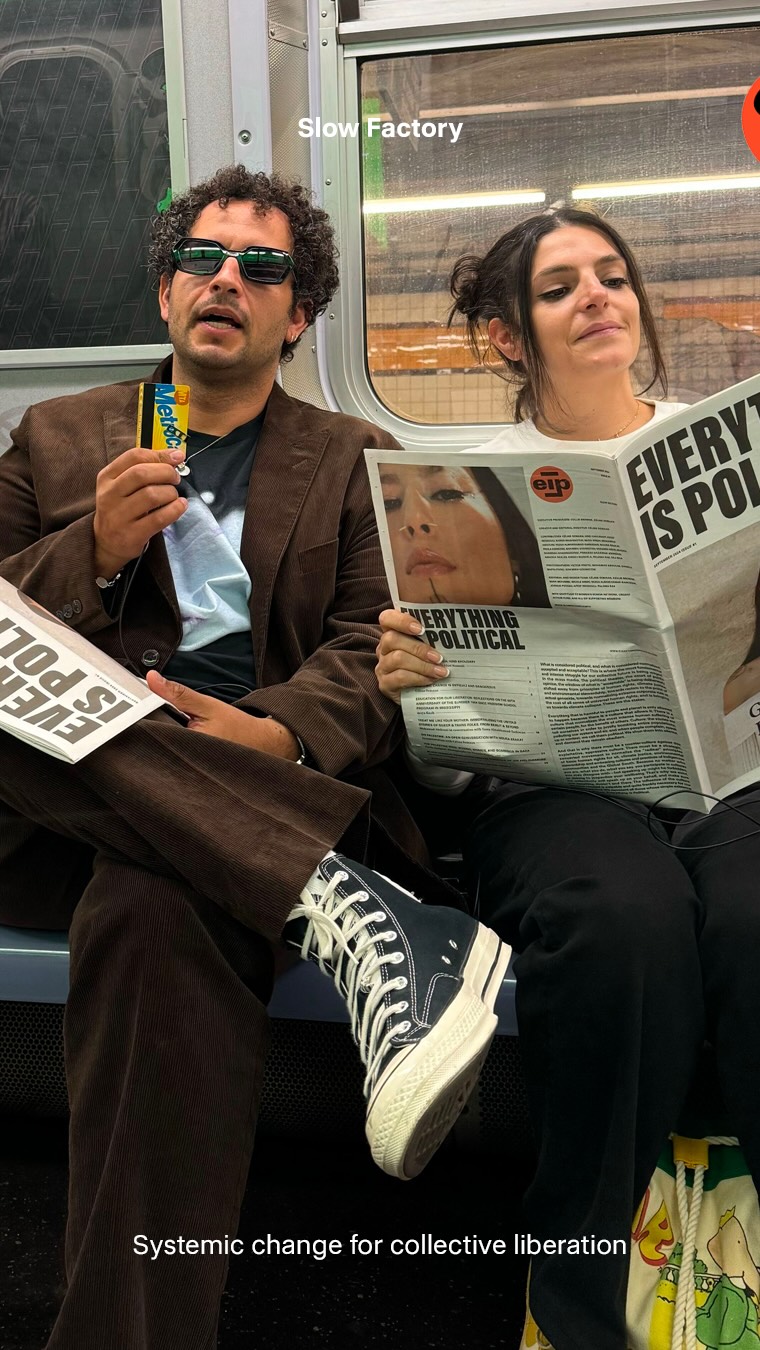 1.5M34.2×Passionate subway take on politics@celinecelines · Hot Take
 553.2K8.4×Personal story justifies media commentary@shamelesspodcast · Vulnerable Monologue
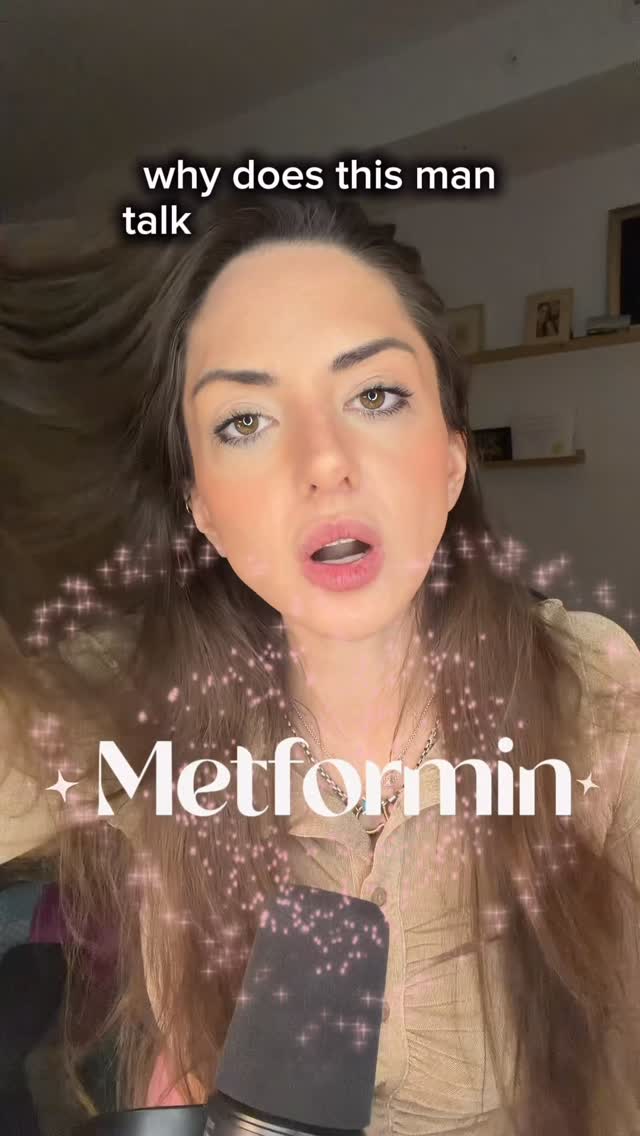 393.6K10.9×Doctor debunks another doctor's hypocrisy@drkazarian · Trendjacking
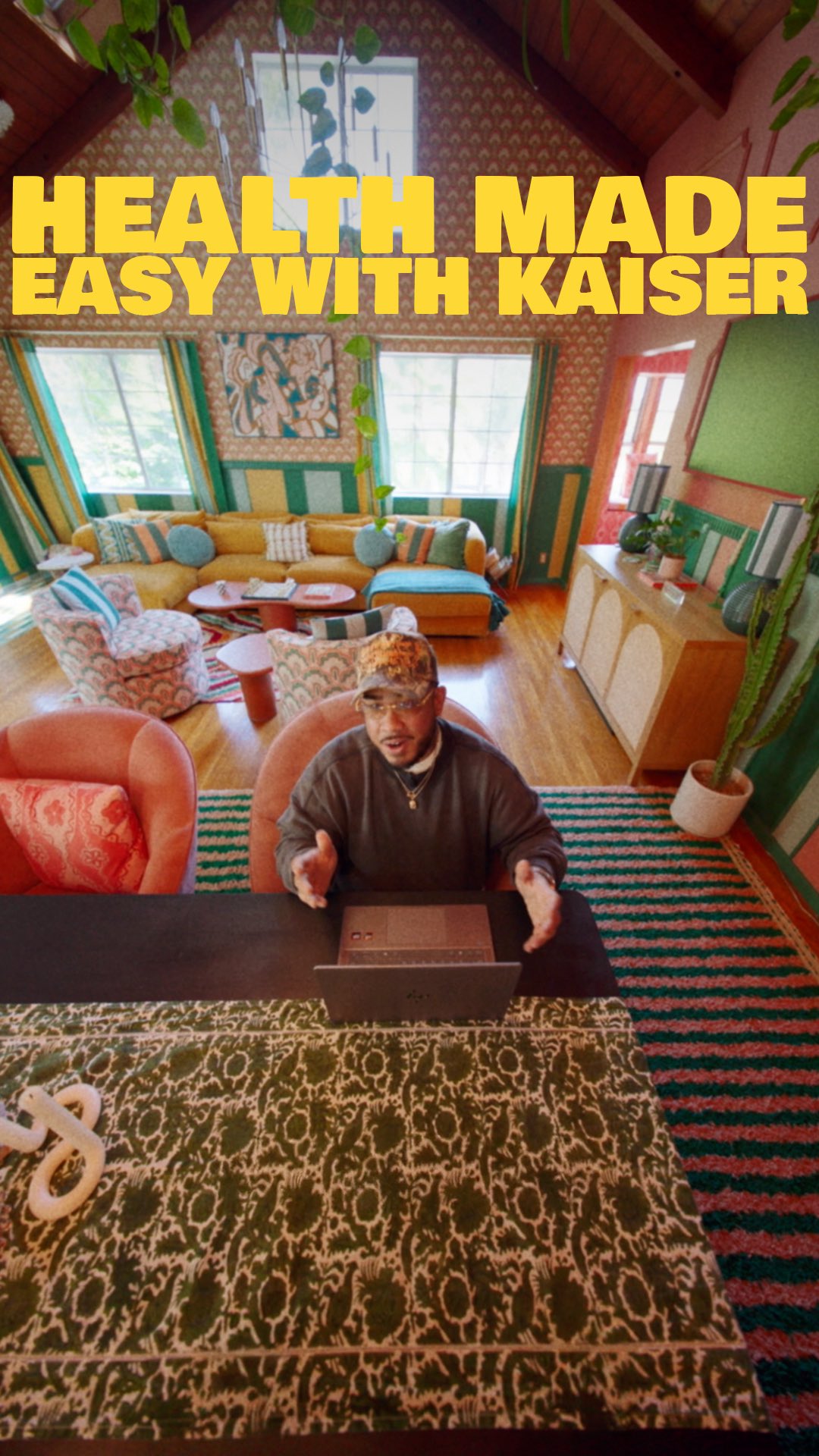 29.1M72.4×Relatable health anxiety ad skit@omgadrian · Product Promo
 578.6K40.2×PA vs MD rapid fire questions@drkazarian · This or That
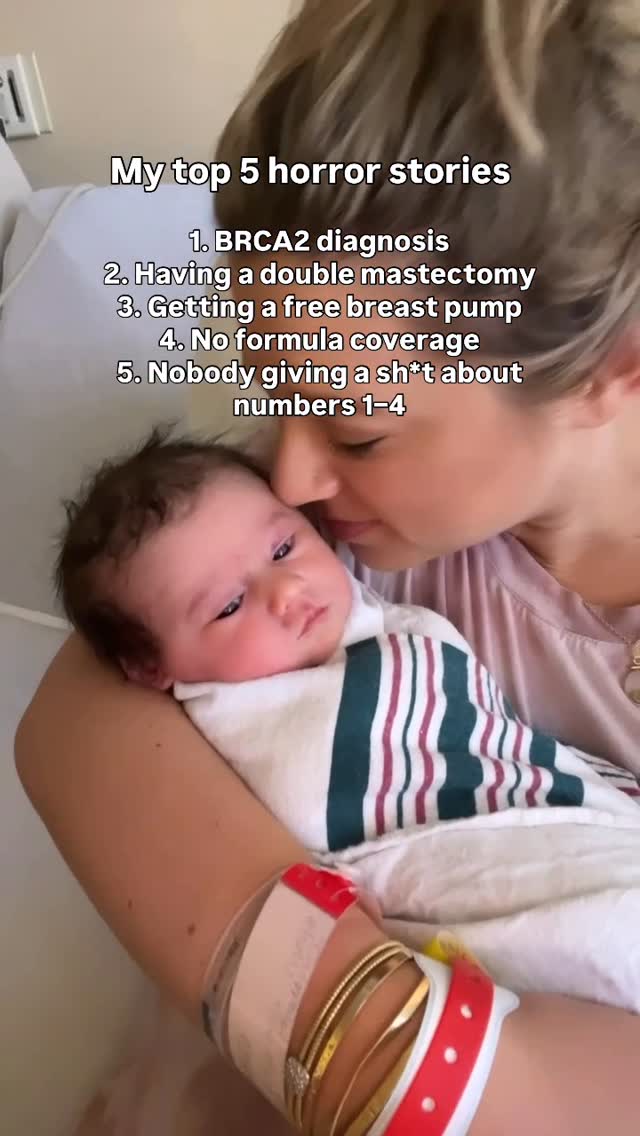 473.9K9.9×Ironic horror story list over baby@lesleyannemurphy · Listicle One Shot
 213.2K30.4×Reacts to podcast, explains taboo@sharellegrant · Reaction
 165.1KPersonal story about gut health@jennalitner · Vulnerable Monologue
 107.1K6.5×Reacts to video, promotes homebirth@holistic.grenade · Reaction
[04]
[05]
What stops the scroll in the first 3 seconds
Title hook · 55%
patient in clinic goes don't you wanna make America healthy again
Verbal hook · 40%
Patient in clinic goes, don't you wanna make America healthy again?
Visual hook · 5%
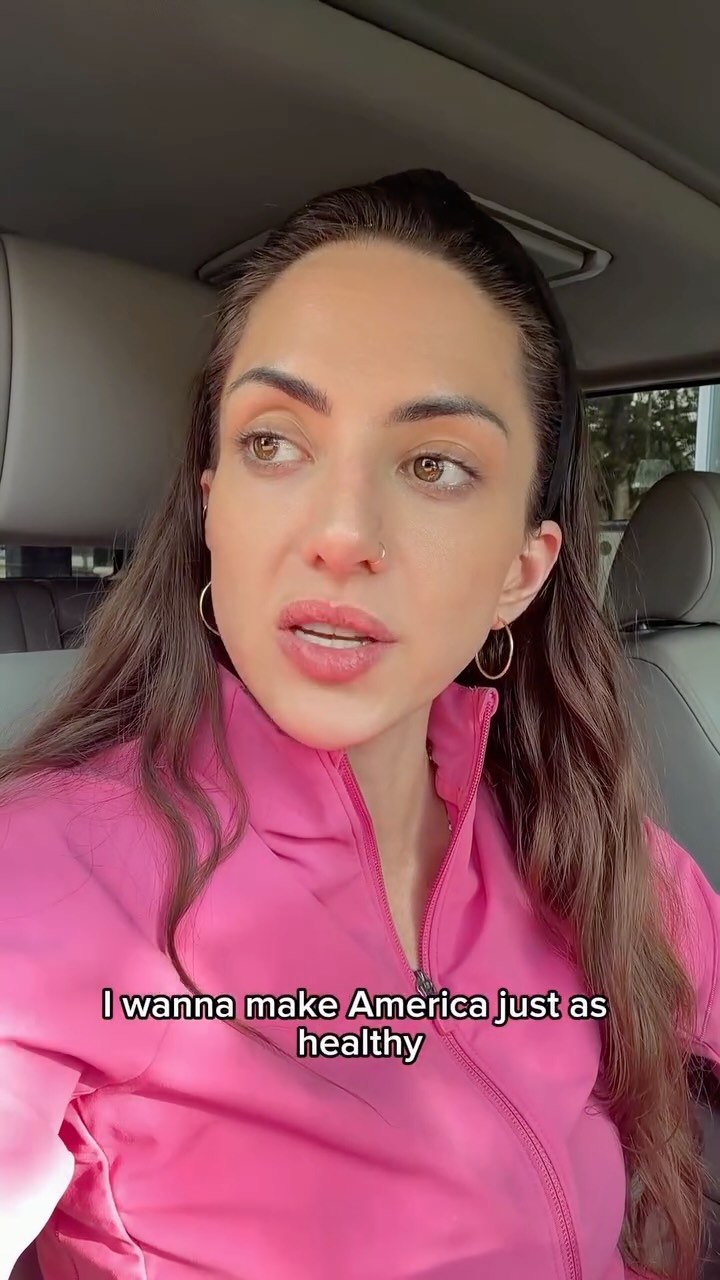
A direct-to-camera, close-up shot of the speaker in a car, creating an intimate and conversational feel. Her engaged facial expression immediately signals a serious story is about to be told.
[07]
The promise the opener makes, and how the video pays it back
Hook
An opponent's provocative, often politically-loaded, opening statement is presented as a direct quote, immediately establishing conflict and audience curiosity.
Payoff
The creator concludes not by resolving the argument, but by framing the entire anecdote as a representative example of a larger, important societal conversation, thus validating their perspective and giving the story a broader purpose for the audience.
[08]
The structural pattern this video runs on
Framework
The Socratic Showdown
A narrative framework that recounts a real-life debate. The creator plays the role of the calm, rational expert who systematically dismantles an opponent's emotionally-charged or simplistic arguments using logic, personal expertise, and a final, unassailable moral appeal.
The Professional Reframe
The creator sidesteps the initial loaded premise and re-centers the conversation on their own area of expertise, demonstrating their good faith and authority through a rapid list of specific, concrete examples.
The Systemic Pivot
The creator elevates the discussion from a personal or specific issue to a broader, systemic principle or belief, revealing their core ideology.
The Ideological Clash
The opponent labels the creator's systemic view with a negative or controversial term. The creator counters not with a political argument, but with a humanizing, empathetic scenario to illustrate their point.
The Common Objection & Rebuttal
The creator voices the opponent's most common counter-argument, validates its existence on a small scale, and then neutralizes it using logic or statistics, framing it as an acceptable outlier.
The Opposing Worldview
The creator allows the opponent to articulate their personal philosophy or justification for the status quo, setting it up as a direct contrast to the creator's own view.
The Moral Gambit
The creator presents a final, emotionally resonant argument, often centered on an innocent or vulnerable party, designed to be morally irrefutable and transcend the logical debate.
MAHA = Universal Healthcare ??
contextual · beginning
patient in clinic goes don't you wanna make America healthy again
contextual · beginning
I go what makes you think I don't wanna make America healthy again
contextual · beginning
well I see you speaking out against MHA on the internet
contextual · beginning
oh totally is what I say
contextual · beginning
I wanna make America so healthy
contextual · beginning
I wanna make America just as healthy as I'm making you healthy right now
contextual · middle
we talked about your preventive care metabolic care about your menopause care your preventive vaccines cancer screenings
contextual · middle
I explained why cholesterol causes heart disease
contextual · middle
and then I go I want that for everyone
contextual · middle
I want systems change she looks at me
contextual · middle
she goes you mean universal healthcare
contextual · middle
I go the idea
contextual · middle
someone that I don't know at all is in a hospital and they're gonna get the care they need
contextual · middle
they're hungry and they're gonna have food on the table
contextual · middle
maybe that's a single mom with a bunch of kids
contextual · middle
and she said or maybe it's someone abusing the system
contextual · middle
who's taking advantage of food stamps and taking medical care and taking it from hardworking people who are paying taxes
contextual · middle
I said yes
contextual · middle
that happens there are people that take advantage of the system in every single system in every country
contextual · middle
and we can chalk that up to 5 to 10%
contextual · end
eighty percent of those people are hard working people
contextual · end
she goes well I knew how to do it right
contextual · end
I knew that you have to work for a corporation because it's the corporations that provide the health insurance
contextual · end
because otherwise you're self employed you're a small business owner and you would have to be in the marketplace and you would have to pay for your own health insurance and everybody knows that you can't do that
contextual · end
and then I go I see where you're coming from but all it really takes for me is that one kid
contextual · end
that kid did not ask to be born
contextual · end
that kid is now hungry with no medical care and I'm okay with my taxes going to that
contextual · end
and then she took a second to think about that
contextual · end
that's it these are the kinds of conversations that family doctors are having with their patients across the United States
Patient in clinic goes, don't you wanna make America healthy again? I go, what makes you think I don't wanna make America healthy again? Well, I see you speaking out against Maha on the Internet. Oh, totally is what I say. I wanna make America so healthy. I wanna make America just as healthy as I'm making you healthy right now. We talked about your preventive care, metabolic care, about your menopause care, your preventive vaccines, cancer screenings. I explained why cholesterol causes heart disease. And then I go, I want that for everyone. I want systems change. She looks at me, she goes, you mean universal health care? I go, the idea. Someone that I don't know at all is in a hospital and they're gonna get the care they need. They're hungry and they're gonna have food on the table. Maybe that's a single mom with a bunch of kids. And she said, or maybe it's someone abusing the system who's taking advantage of food stamps and taking medical care and taking it from hardworking people who are paying taxes. I said, yes. That happens. There are people that take advantage of the system in every single system in every country, and we can chalk that up to five to 10%. Let's make it 20. 80% of those people are hardworking people. And she goes, well, I knew how to do it tier. I knew that you have to work for a corporation because it's the corporations that provide the health insurance because otherwise, you're self employed. You're a small business owner, and you would have to be in the marketplace, and you would have to pay for your own health insurance, and everybody knows that you can't do that. And then I go, I see where you're coming from, but all it really takes for me is that one kid. That kid did not ask to be born. That kid is now hungry with no medical care, and I'm okay with my taxes going to that. And then she took a second to think about that. That's it. These are the kinds of conversations that family doctors are having with their patients across The United States.