@callherdaddy
Instagram · Clip

@callherdaddy “Sometimes when you people please, you leave yourself out”

@callherdaddy
Instagram · Clip
@callherdaddy “Sometimes when you people please, you leave yourself out”
Performance
Video #35892 · Clip
[01]
In a podcast interview, singer Chlöe Bailey identifies herself as a 'people pleaser' and explains her discomfort with others being upset with her. She describes the personal cost of this trait and her journey of learning to say 'no' and set boundaries. After explaining how people reacted with surprise to her newfound assertiveness, she discusses the double standard for women who speak their minds and gives an analogy about throwing rocks back. The host then asks how she navigates this without fear of judgment, to which Chlöe responds that she is learning to care less, which makes the negative reactions feel smaller and less noticeable.
[02]
[03]
 2M426×Creator explains her personality rule@life.withkeri · Vulnerable Monologue
 175.7K33.7×Raw selfie video sharing opinion@life.withkeri · Hot Take
 492.7K8.4×Declarative statement about personality type@viralclubhouse_ · Hot Take
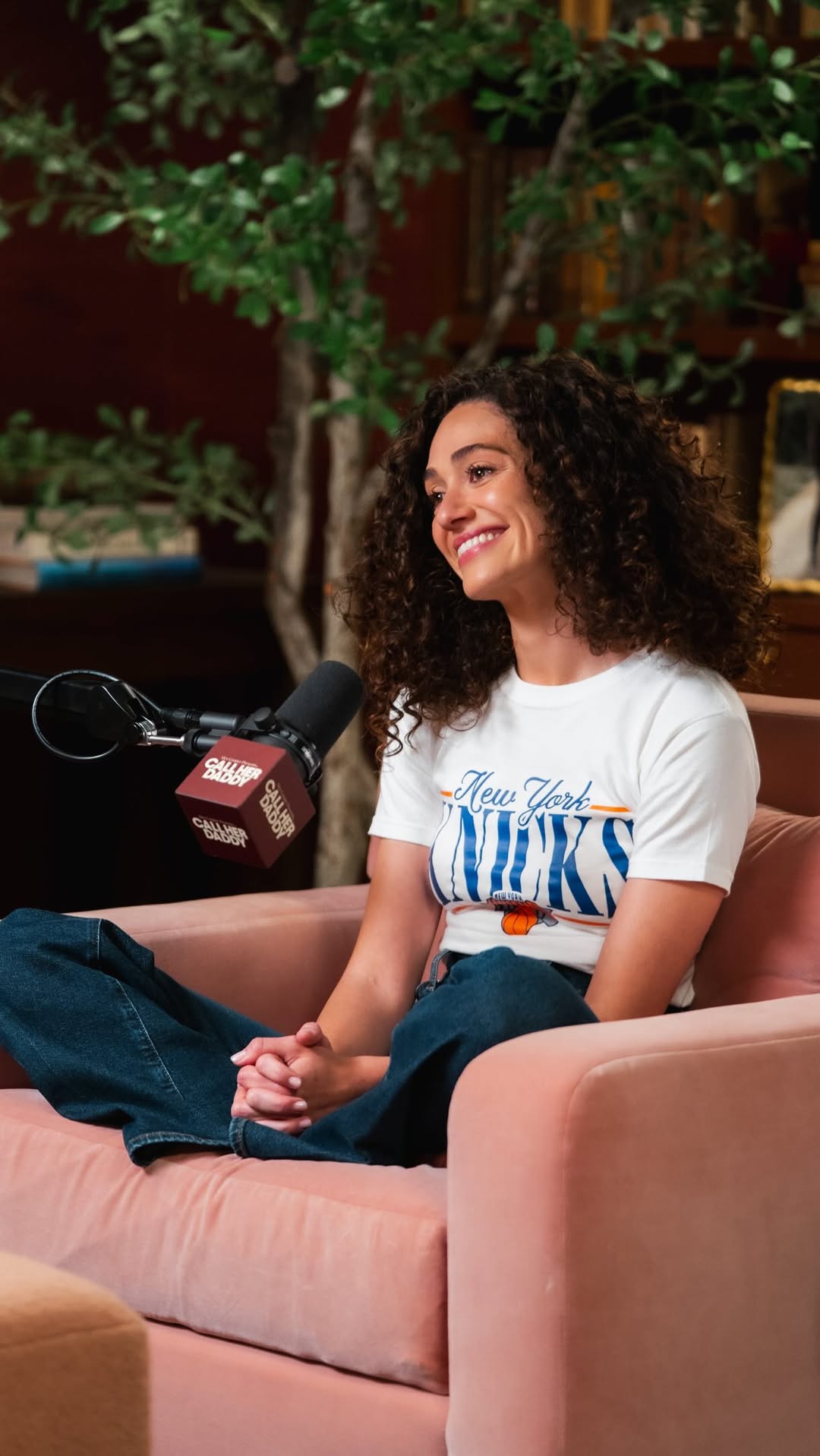 4.4M14.3×Relatable story about working motherhood@callherdaddy · Anecdotal Philosophy
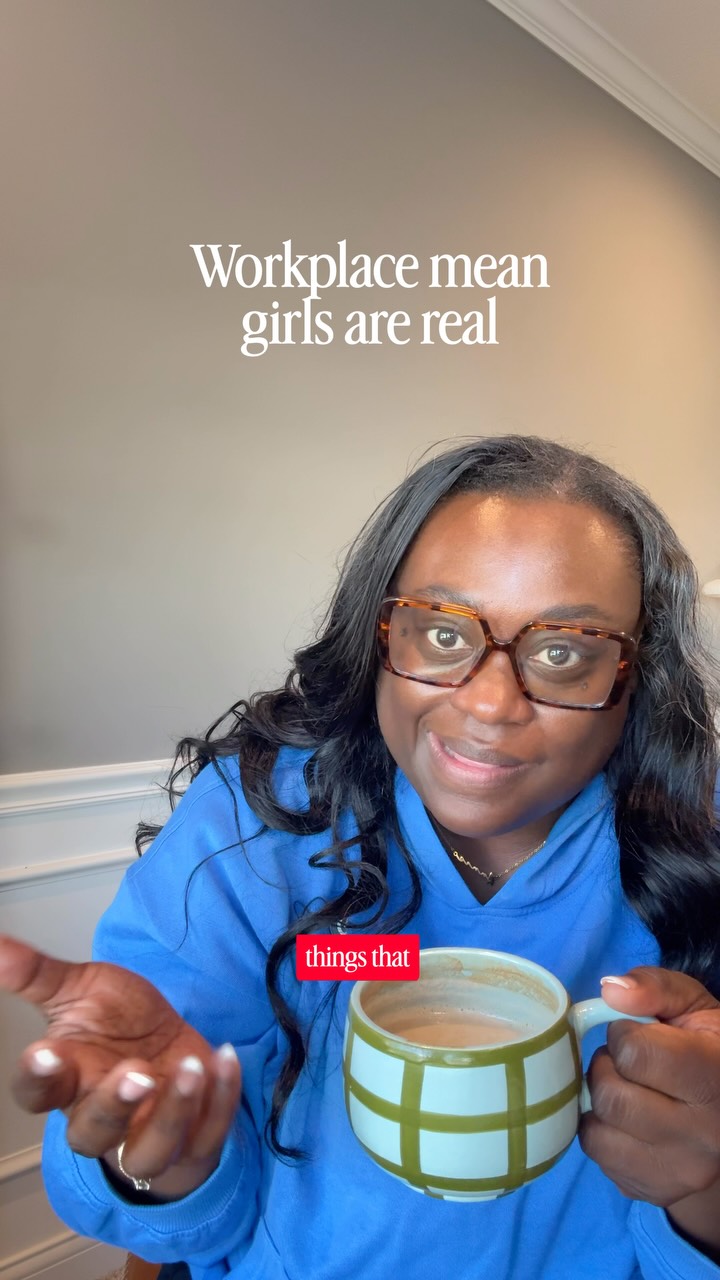 600.9K15.9×Sharing toxic workplace mean girls story@roxycouse · Vulnerable Monologue
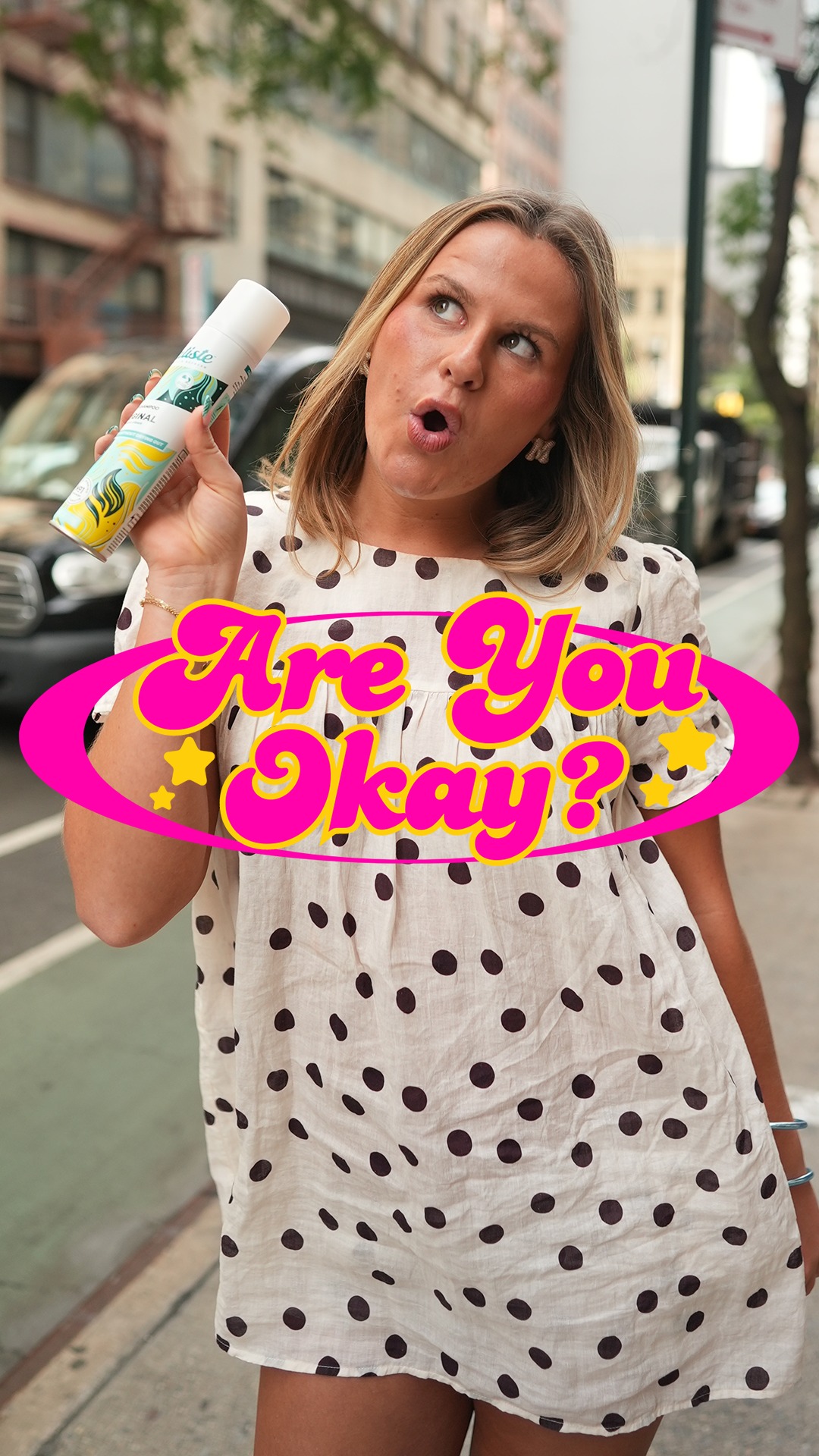 1.2M7.4×Sponsored street interview about confidence@areyouokayshow · Street Interview
 1.5M6.3×Interview clip on humanitarian controversy@zeteonews · Interview Soundbite
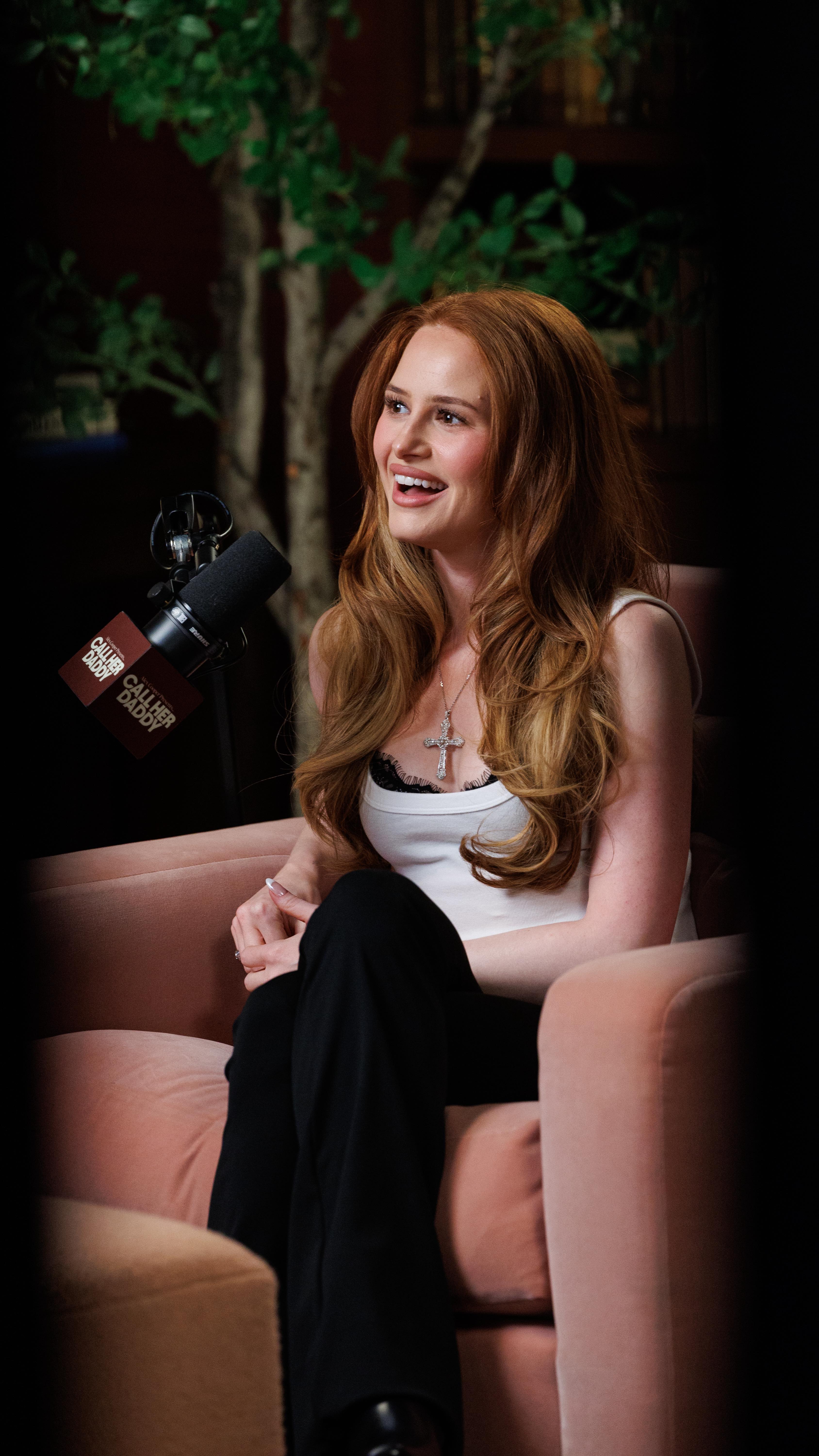 1.2MChanging views on having kids@callherdaddy · Vulnerable Monologue
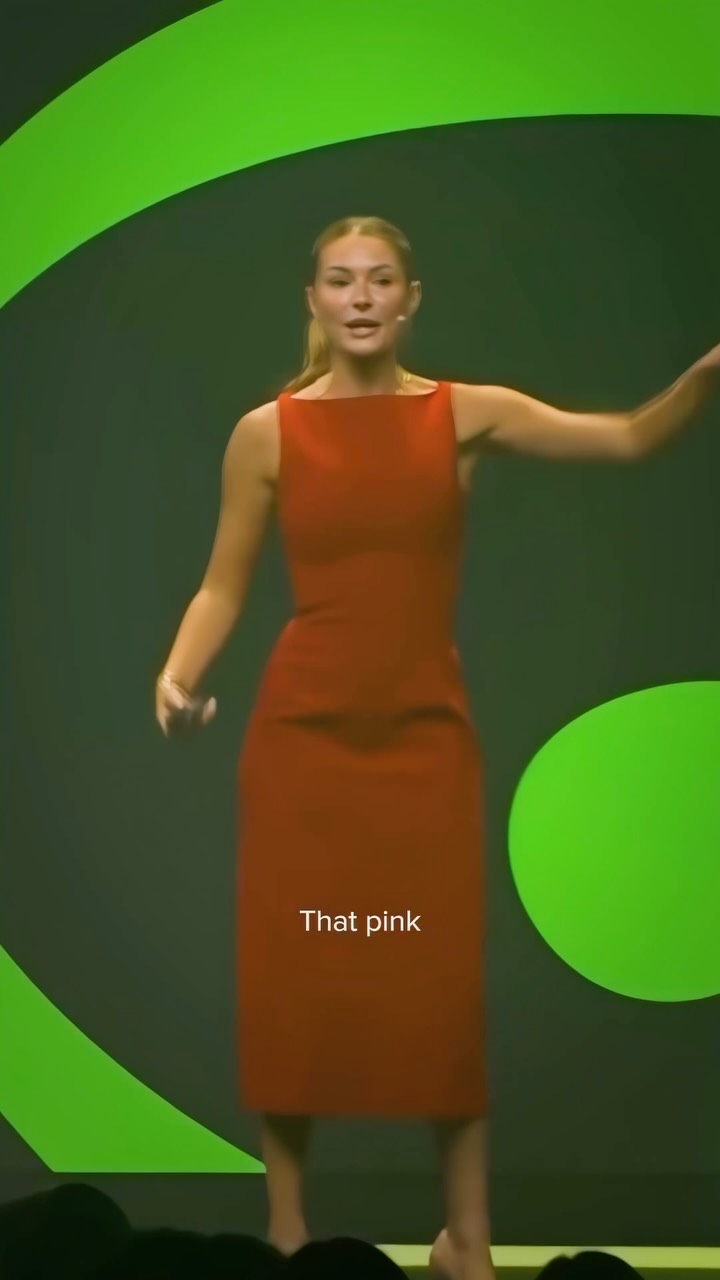 1.1M9.8×Motivational speech with success stories@shelby.sapp · Origin Story
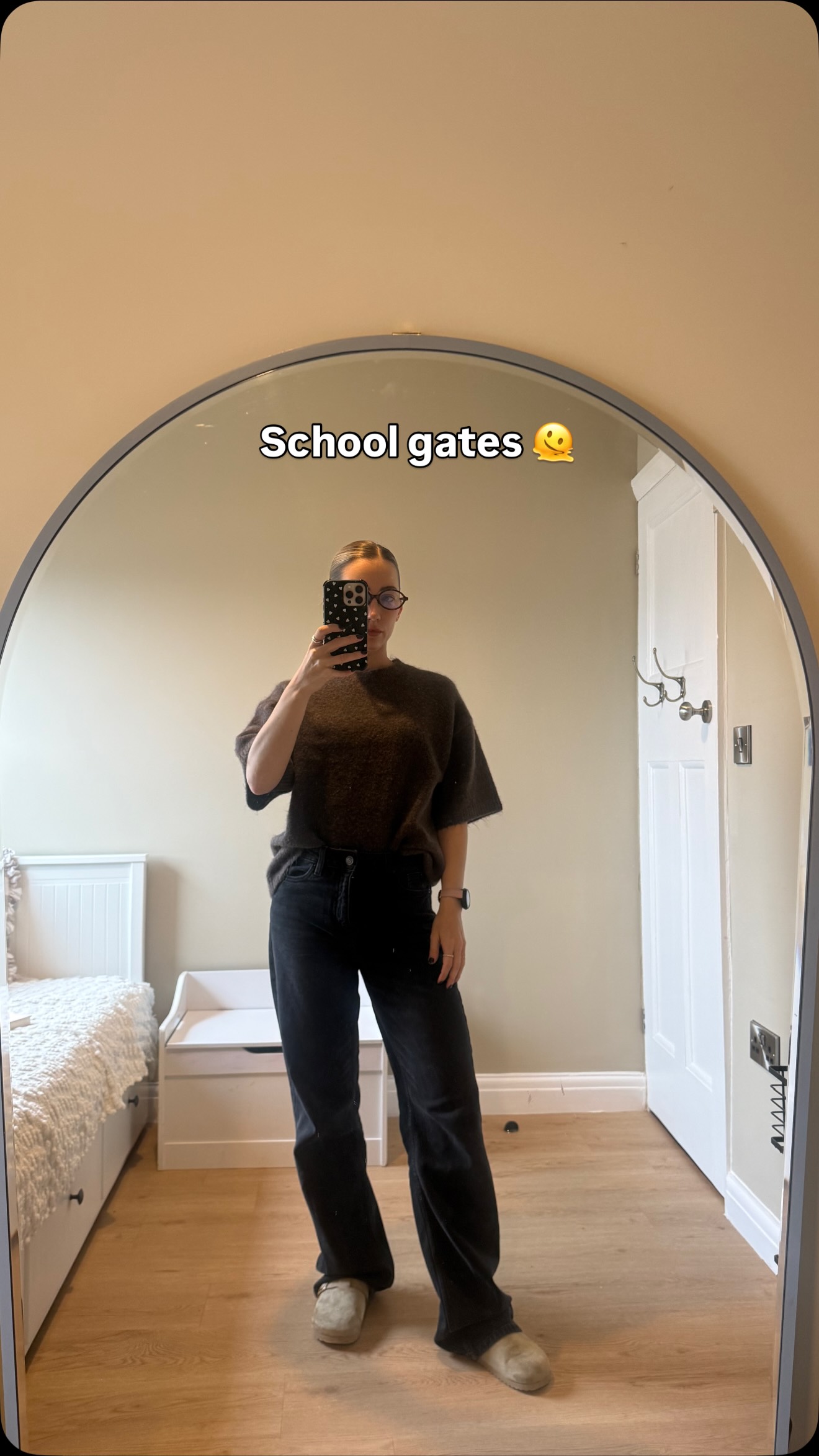 207.9K4.5×Personal monologue about social anxiety@livewellwithsophie · Vulnerable Monologue
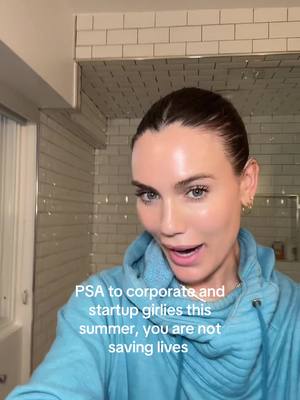 122.4K1.9×Personal story career advice monologue@maggiesellers_ · Anecdotal Philosophy
 369.9K8.6×Anecdote about high dating standards@thekatieromero · Anecdotal Philosophy
[04]
[05]
What stops the scroll in the first 3 seconds
Verbal hook · 70%
I'm a people pleaser.
Visual hook · 30%
A medium shot of celebrity Chlöe Bailey in a professional podcast studio, wearing a unique deconstructed pinstripe blazer. The shot includes a professional microphone and a bookshelf background, establishing a high-production value interview setting.
[06]
Steal this for your own video
I'm a — and it .
[07]
The promise the opener makes, and how the video pays it back
Hook
The Vulnerable Confession: Open with a direct, self-aware statement admitting a common, relatable flaw or struggle to create an immediate empathetic connection.
Payoff
The Empowering Reframe: Deliver the solution not as a way to change external circumstances, but as an internal mental shift that diminishes the problem's power, providing a clear, actionable takeaway for the audience.
[08]
The structural pattern this video runs on
Framework
The Problem-Reframe-Solution Arc
A speaker identifies a common personal struggle, details the social resistance faced when trying to overcome it, and offers a counterintuitive mental shift as the ultimate solution, prompted by a direct question.
The Problem & The Price
Detail the negative personal consequences of the stated flaw and the initial, difficult steps taken to address it, establishing the stakes.
The Social Backlash
Describe the negative reaction from others when the change in behavior is implemented, creating external conflict and validating the viewer's similar experiences.
The Systemic Injustice
Frame the personal problem within a larger societal double standard, often using a vivid metaphor to illustrate the hypocrisy and build a sense of shared struggle.
The Interrogative Pivot
An external prompt, such as a direct question, formally transitions the narrative from defining the problem to revealing the solution.
“Sometimes when you people please, you leave yourself out”
branding · beginning
CALL HER DADDY
contextual · beginning
A PEOPLE
contextual · beginning
I DON'T LIKE
contextual · beginning
UPSET WITH ME!
contextual · beginning
I JUST LOVE PEOPLE
contextual · middle
SOMETIMES
contextual · middle
OUT.
contextual · middle
IT'S OKAY
contextual · middle
HELL NO.
contextual · middle
BEEN SUCH A PLEASER
contextual · middle
VOCALIZING UP FOR
contextual · middle
LIKE, WHO IS THIS?
contextual · middle
AS A WOMAN,
contextual · middle
YOUR MIND
contextual · middle
WITHOUT AS THE
contextual · middle
TAKING THROWING IT
contextual · middle
A TASTE
contextual · end
HAVE YOU NAVIGATED
contextual · end
MORE IN YOUR POWER
contextual · end
WITHOUT FEAR OF
contextual · end
FROM
contextual · end
I JUST AM TO CARE
contextual · end
IT WON'T ERASE
contextual · end
REACTION,
contextual · end
BUT LITTLE LESS,
contextual · end
QUIETER
contextual · end
EVEN
contextual · end
SO IF YOU IT'S
contextual · end
YOU DON'T HEAR IT.
I'm a people pleaser. I don't like people being upset with me. I don't like knowing people think I did something wrong to them. I just love to people please. And sometimes when you people please, you leave yourself out, darling. I've learned it's okay to say no. It's okay to say hell no. It's okay to say, I'm not feeling that right now. Maybe come back to me next week. But I think because I've been such a people pleaser all of my life, when I did start vocalizing and standing up for myself, people were like, woah. Who is this? And as a woman, you should be able to speak your mind without being labeled as the b word. They're taking rocks and pebbles and throwing it at you. And the second we pick it back up to throw it back at them, it's like, oh, here's a taste of your medicine, babes. How have you navigated being more in your power and owning it and trying to not people please without fear of judgment from other people? I just am learning to care less. It won't erase anyone's reaction. But if you care a little less, it'll get quieter and smaller and you won't even notice it. So if you don't notice it, it's invisible. You don't see it. You don't hear it.