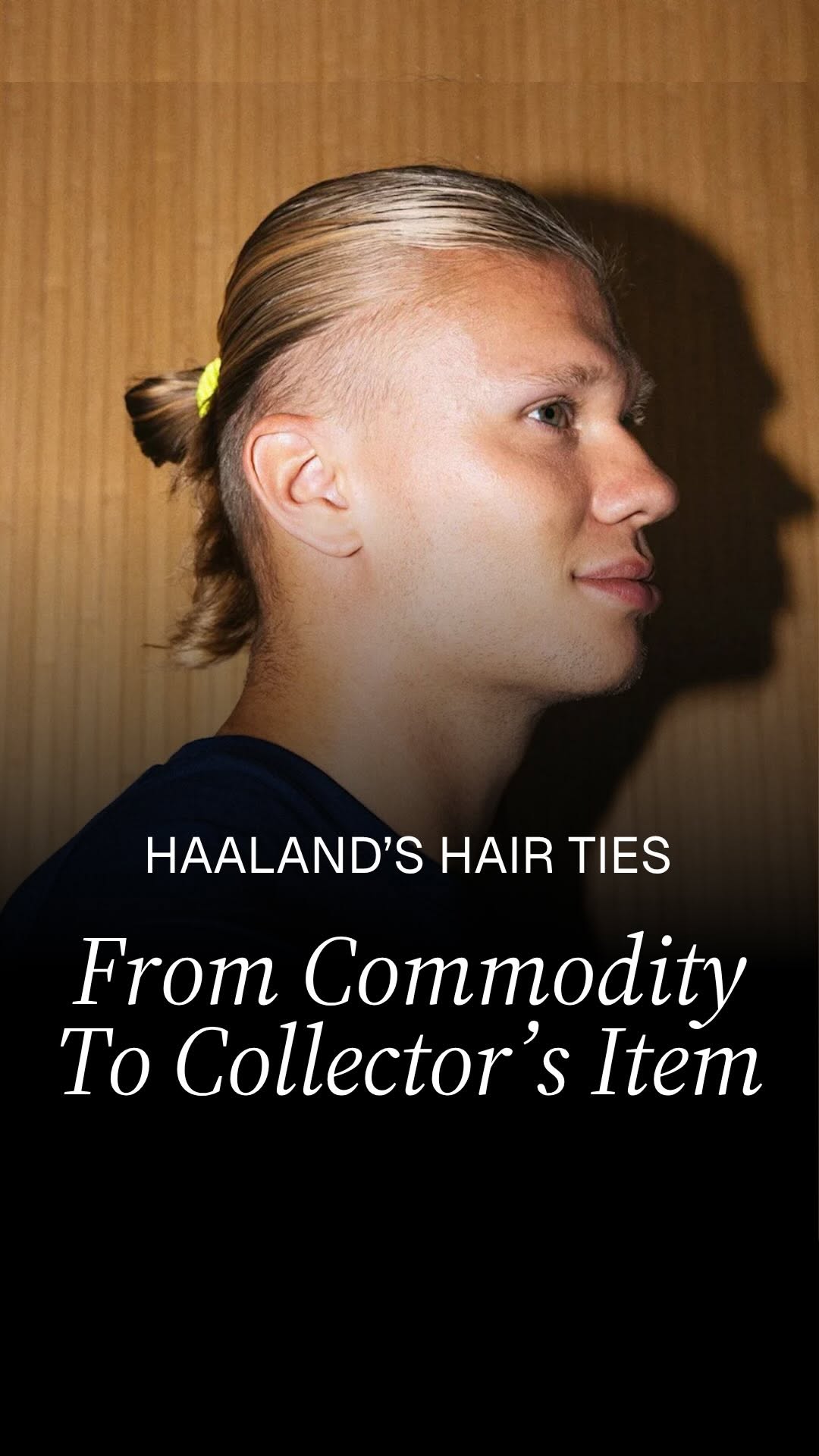
The creator presents a case study on how the hair tie brand Kknekki transformed from a simple commodity into a collector's item. She begins by contrasting a generic hair tie with the sold-out version endorsed by soccer star Erling Haaland. The creator then details the brand's origin story, emphasizing its initial focus on creating a superior, problem-solving product before expanding into a collectible through massive variety and branding. She explains the key marketing principles at play, including the formula of 'variety + identity,' and analyzes Haaland's role as an authentic amplifier rather than a creator of the brand's success, concluding with actionable takeaways for building a brand with cultural weight.
Post caption
So how do you go from a commodity to something with cultural weight? One purchase when needed to multiple purchases any time you release.
Also - the Kknecki brand started in South Korea and was acquired at a later date by Norwegian brand Bon Dep. I like how they kept the name. (Lesson for acquirers)
But my biggest note is they partnered with Haaland to introduce the brand to a new consumer vs using him to attempt to drive product market fit aka make the brand land.
Until next time 🫶🏽✨
#business #innovation #design #creative
Transcript
Today in HowStuff Wins, this is a hair tie. You can buy 20 of them for like $5 at the store. No one ever really thinks about them until it's time to tie up your hair. Or do they? The man of the hour, Erling Hollands hair tie best sold out around the worse. And that caught my eye because you'd think a hair tie is a simple commodity, but with some, it is not. This one has a whole world of its own with collectors that predate Holland by years. It starts in 1987. A Korean brand called Konecki had one focus, a better hair tier, woven from over 60 threads around a rubber core, and it is able to hold through a full match without snagging, creasing, or pulling. They chased one thing, one problem to solve, softness and breakage prevention. They came to market and fixed that one problem that other hair ties could not touch at the time. They did not come to market saying that they were gonna reinvent the whole hair tie category. So the takeaway here for you is if you do not have your problem solving product yet, do not talk about revolutionizing anything. Once they were able to prove that they were better than other hair ties, they turned their tool into a collector's item. They came with over 700 colorways, seasonal drops. They named the shades like characters, And their fans started stacking them by the bowlful, calling themselves connecty holics. You see, a product crosses into a collectible when a subset of buyers starts buying the variety because each version says something else about their identity. It is variety plus identity that makes a collectible collectible. So when Holland, who had worn it for years, then put real skin in the game and bought a stake in the brand, dropped a limited edition that will not restock, but sold out at the beginning of the Worse Cup, and then he became the World Cup heartthrob, it opened the door for millions of newbies to rank, what hair tie is that? But notice what Holland didn't do. He did not walk into this brand and make it a better product, and he did not use his likeness to make it a collectible. Both were already true. So if you don't wanna be a commodity, your playbook isn't to find a Holland, even though I love him. It's to make a product that's better than the ones that are out there in the market right now, design it for an identity and repeat purchase, and then open new doors with naturally aligned gateways into new cultures. And that's how a hair tie worse