@var.aunevik
Instagram · Talking Head Edit
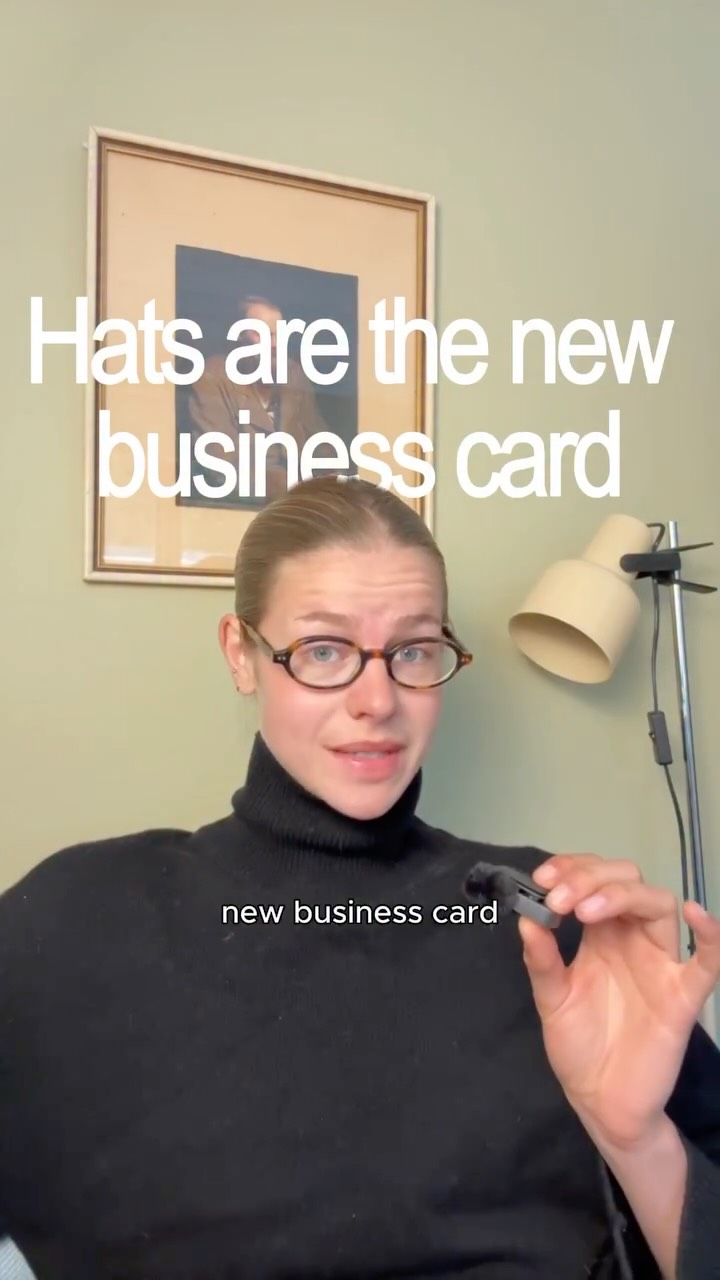
@var.aunevik Hats are sort off the new business card. Baseball caps with branded slogans or text have almost become a status symbol. And the great thing is that they are always visible, even on zoom calls.

@var.aunevik
Instagram · Talking Head Edit
@var.aunevik Hats are sort off the new business card. Baseball caps with branded slogans or text have almost become a status symbol. And the great thing is that they are always visible, even on zoom calls.
Performance
Video #26799 · Talking Head Edit
[01]
The creator presents a thesis that branded hats are the new business card. She supports this by showing examples of high demand for simple, branded hats, contrasting their high visibility with other merchandise, and explaining the psychological appeal of their minimalist, exclusive design, concluding that they are a form of inbound marketing.
[02]
[03]
 204KShowcasing custom client appreciation gifts@lashed.bylisa · Brand Showcase
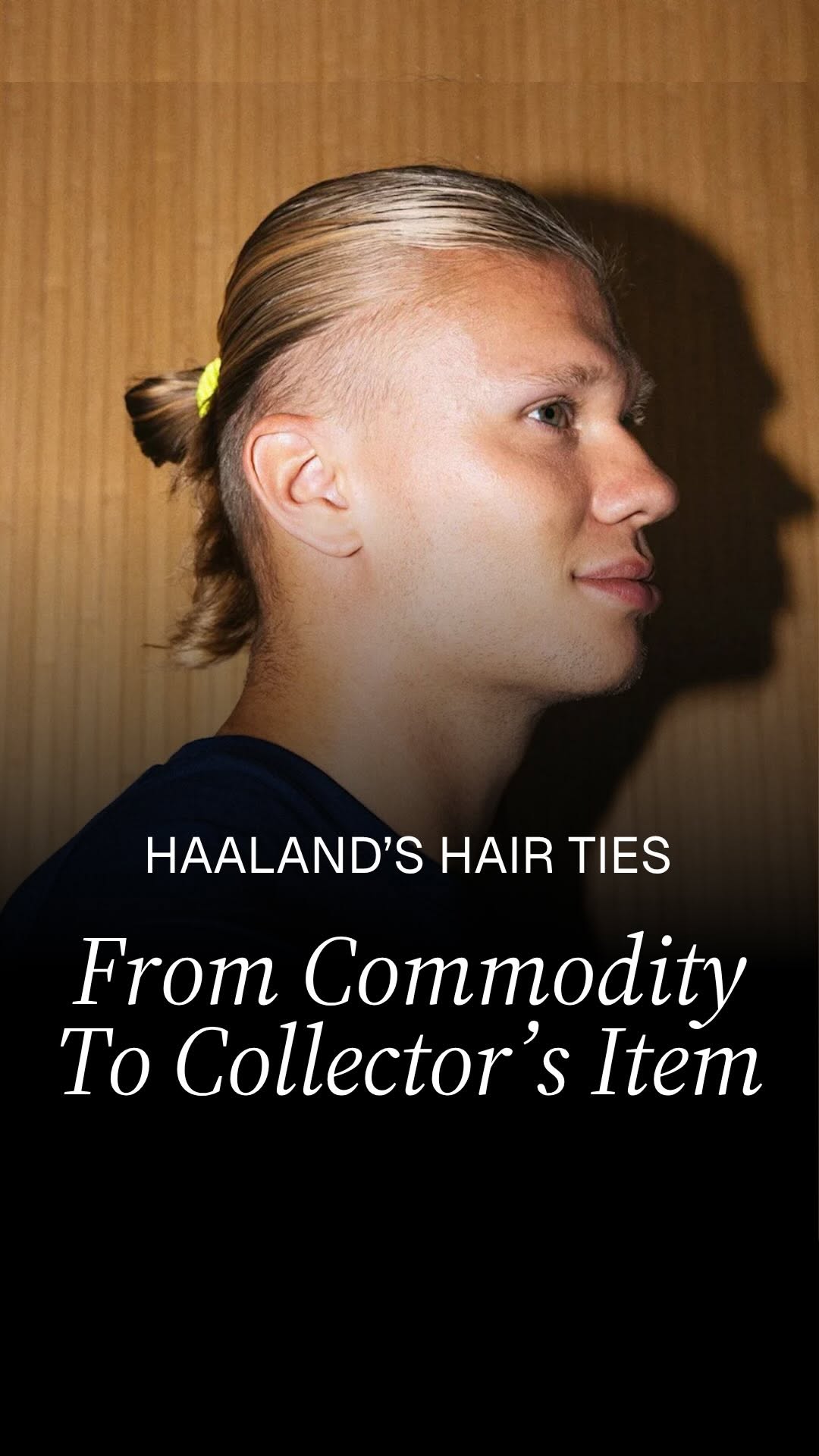 1.1M25.1×How a commodity became collectible@amandasabreah · Case Study Breakdown
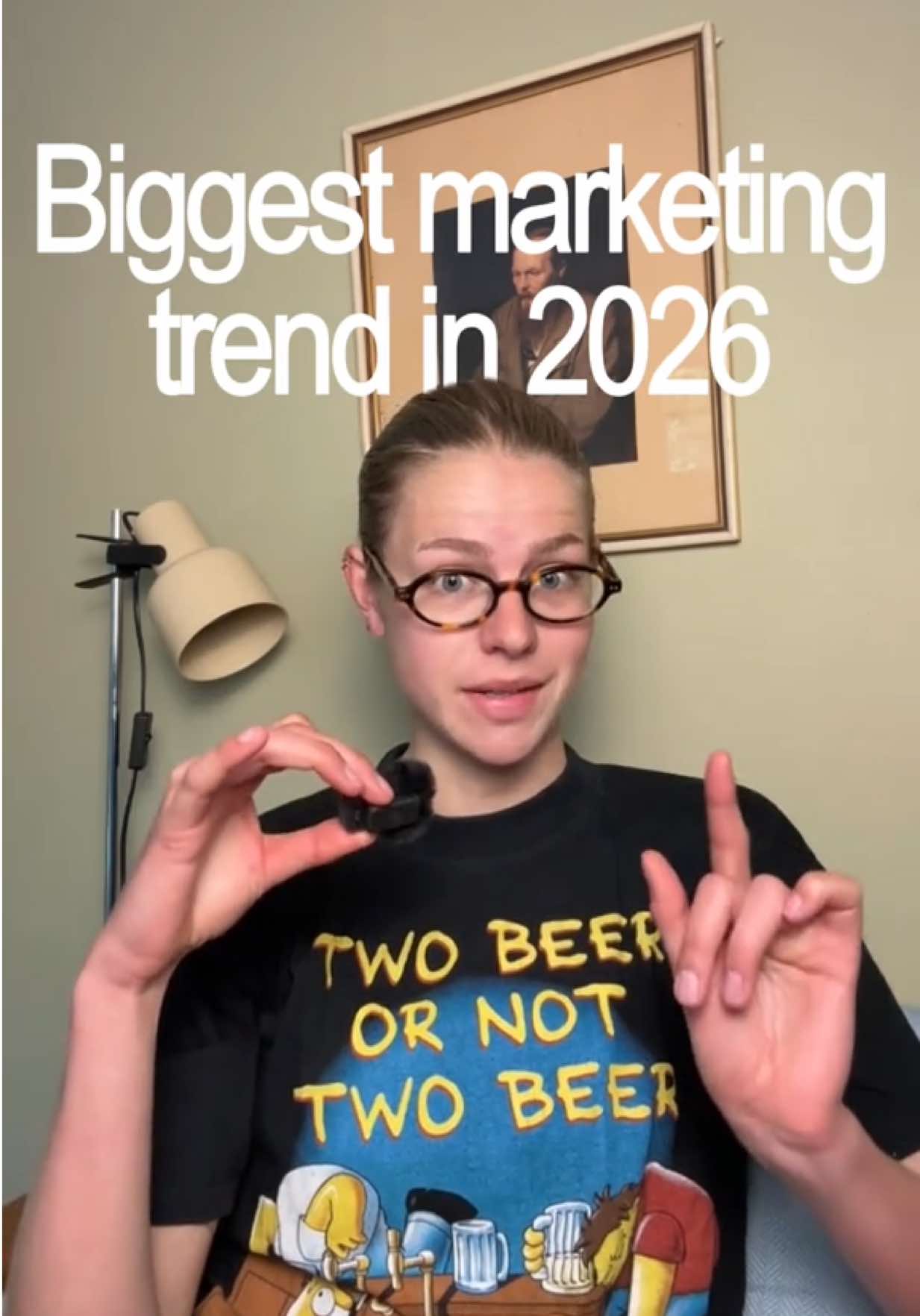 445.5K114.2×Explaining marketing trend with examples@var.aunevik · Case Study Breakdown
 244.4K17.7×Marketing trend analysis with examples@ashi.branding · Breakdown
 700K7.8×How Leon's Bagels built an aspirational lifestyle brand through content@house.of.ag · Breakdown
 671.5KExpert explains new brand building@zachheffner · Case Study Breakdown
 483.5K50.8×Luxury brand strategy breakdown examples@lukas.mullen · Breakdown
 464.8K162.8×Marketing case study breakdown video@levysky.marketing · Case Study Breakdown
 175.8K12.7×Brand marketing case study breakdown@ashi.branding · Case Study Breakdown
 204.2K97.2×Cowboy explains simple brand playbook@frankfellersfreedom · Playbook
 622.9K3.6×Brands sell emotions not products@marketingwithshark · Rapid Fire Listicle
 65.7KBrand strategy case study explainer@var.aunevik · Case Study Breakdown
[04]
[05]
What stops the scroll in the first 3 seconds
Title hook
Hats are the new business card
Verbal hook
Hats are the new business card.
Visual hook
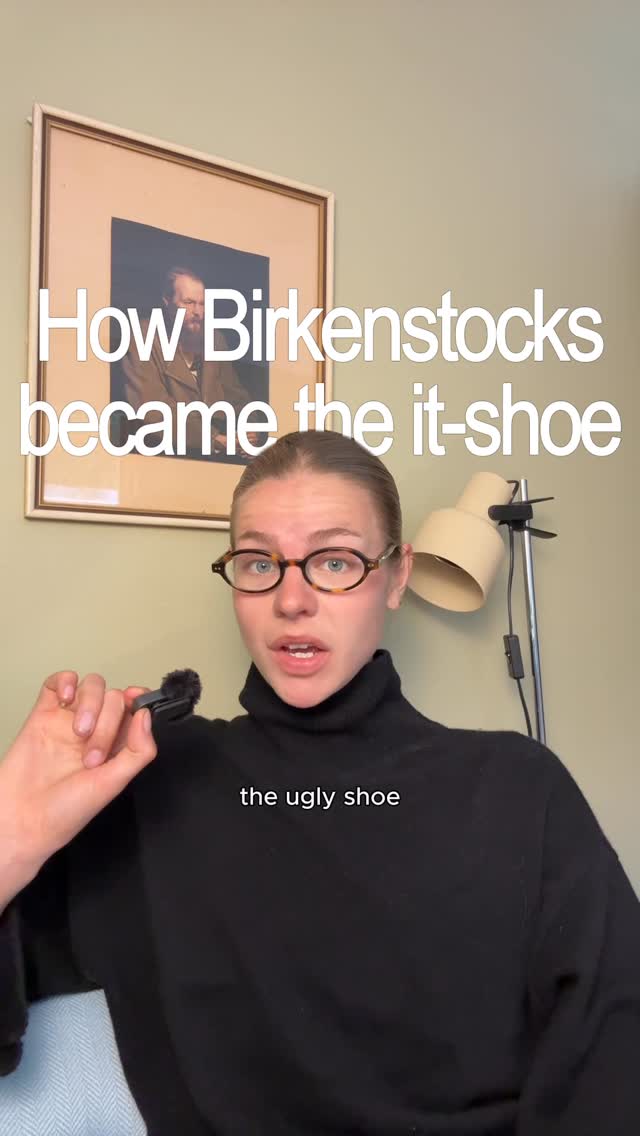
A direct-to-camera shot of a speaker in a professional-looking setting with a framed picture and lamp, establishing an expert or analytical tone.
[07]
The promise the opener makes, and how the video pays it back
Hook
A bold, paradoxical statement that challenges a common perception and creates an immediate need for explanation (e.g., 'Hats are the new business card').
Payoff
The final beat reframes the initial hook, confirming its truth but with a deeper, more powerful insight, leaving the viewer with a feeling of discovery.
[08]
The structural pattern this video runs on
Framework
The Counter-Intuitive Thesis
To present a surprising, counter-intuitive thesis and then systematically prove its validity through a combination of practical logic and cultural insight, making the viewer feel as though they've gained insider knowledge.
The Subversive Anecdote
To ground the abstract thesis in a concrete, relatable scenario that subverts the viewer's expectations and makes them question their assumptions (e.g., a long line not for sneakers, but for a simple hat).
The Functional Deconstruction
To provide a rational, logical explanation for the thesis by breaking down the practical advantages of the subject and contrasting it with inferior alternatives (e.g., a hat's visibility vs. a covered t-shirt).
The Cultural Elevation
To shift from practical logic to cultural significance, explaining why the subject has become a status symbol or a signifier of being 'in the know' (e.g., minimal, anonymous merch signaling exclusivity).
The Synthesis & Reframe
To circle back to the initial thesis, re-stating it with a new layer of meaning and a final, powerful twist that provides a satisfying intellectual payoff (e.g., it's a 'neo business card' that pulls people to you).
Hats are sort off the new business card. Baseball caps with branded slogans or text have almost become a status symbol. And the great thing is that they are always visible, even on zoom calls.
title · beginning
Hats are the new business card
contextual · beginning
-long ass line
contextual · beginning
thinking
title · end
Neo Business Card
Hats are the new business card. Picture this, you spot a long ass life. But it's not for a sneaker drop or a hyped bakery cookie. It's an AI company handing out baseball caps that just say thinking. And it sounds kind of ridiculous until you think about it. Because right no, the cap is one of the most valuable pieces of merch a brand can make. It's always visible. A tier shirt gets covered and so does a tote bad, but a cap sits exactly where people are always looking, your face. So it becomes a kind of moving billboard best without feeling like one. And the good ones don't even look like merch anymore. They're minimal, a bit anonymous, and almost like you're in on something. A small piece of exclusivity, if you will. And that's why people want them. It's a kind of No business card, except instead of handing it out, you let people come to you.