@rizmahazi
Instagram · Yap
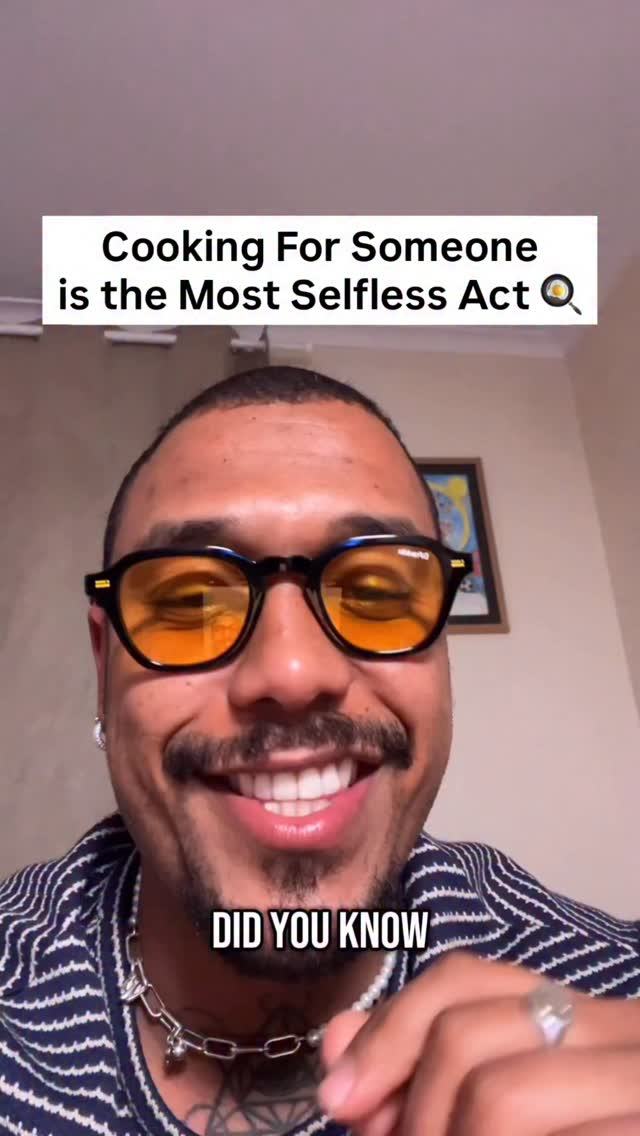
@rizmahazi This is why your own cooking never tastes as good as someone else’s or a restaurants! #food #cooking #recipe

@rizmahazi
Instagram · Yap
@rizmahazi This is why your own cooking never tastes as good as someone else’s or a restaurants! #food #cooking #recipe
Performance
Video #37319 · Yap
[01]
The creator explains the scientific concept of sensory adaptation, using a relatable analogy of becoming nose-blind to a bad smell, to illustrate why a cook experiences a meal's flavor less intensely than the person they are serving. He connects this to why food made by others often tastes better and concludes by urging viewers to show appreciation to those who cook for them.
[02]
[03]
 1.6M12.2×Tells a story while cooking@brandongrogan1 · Storytime
 877.6K20.7×Reacting to animated food effects@realdanyang · Good vs Bad
 4.3M16.4×Man eats gross food for science@alanlinplus · Challenge
 5.5M2310.2×Testing weird food combination hacks@peanutbutterjamietime · Rapid Fire Listicle
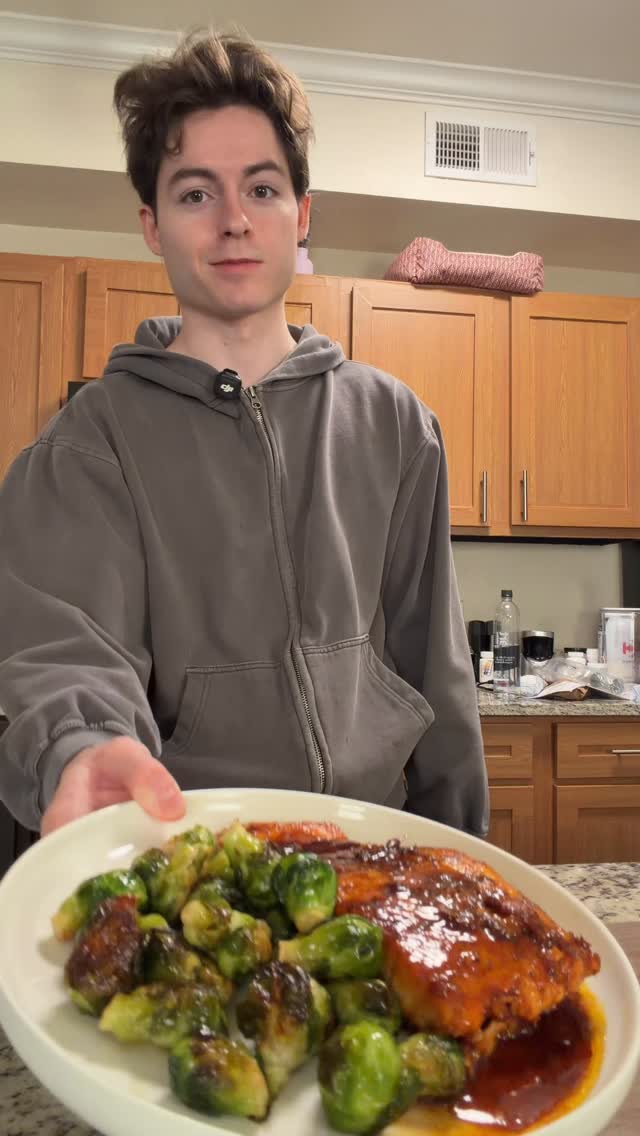 258.4K1.2×Embarrassing story told while cooking@brandongrogan1 · Pope In The Pool Multitask
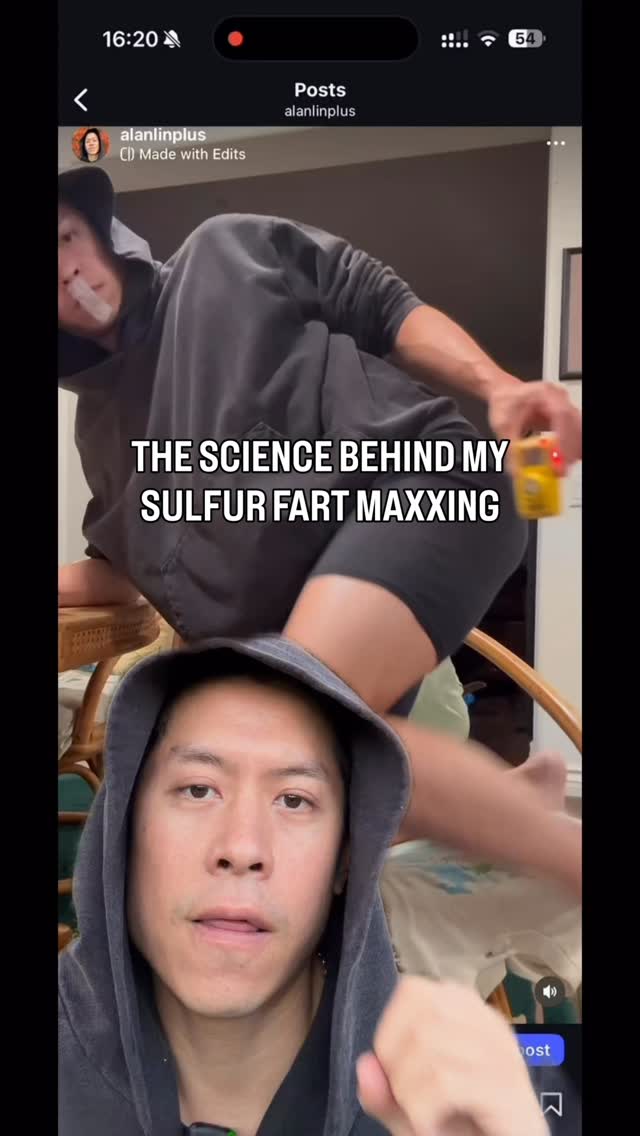 1.4M2.4×Explaining the science of farts@alanlinplus · Breakdown
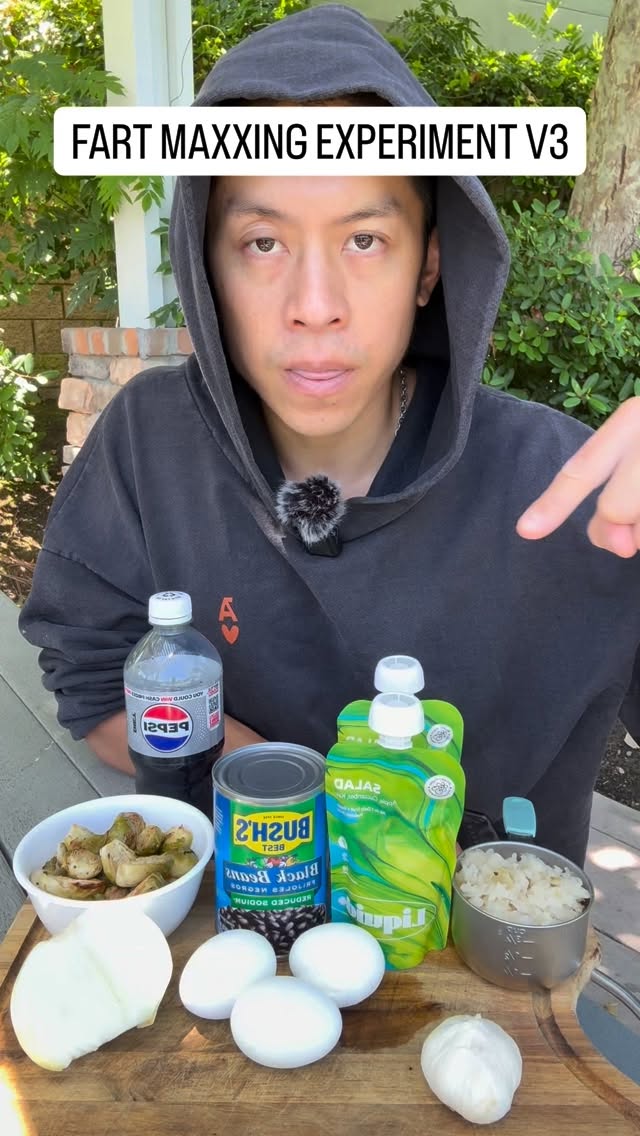 34.2M41.4×Explains gross recipe then eats it@alanlinplus · Challenge
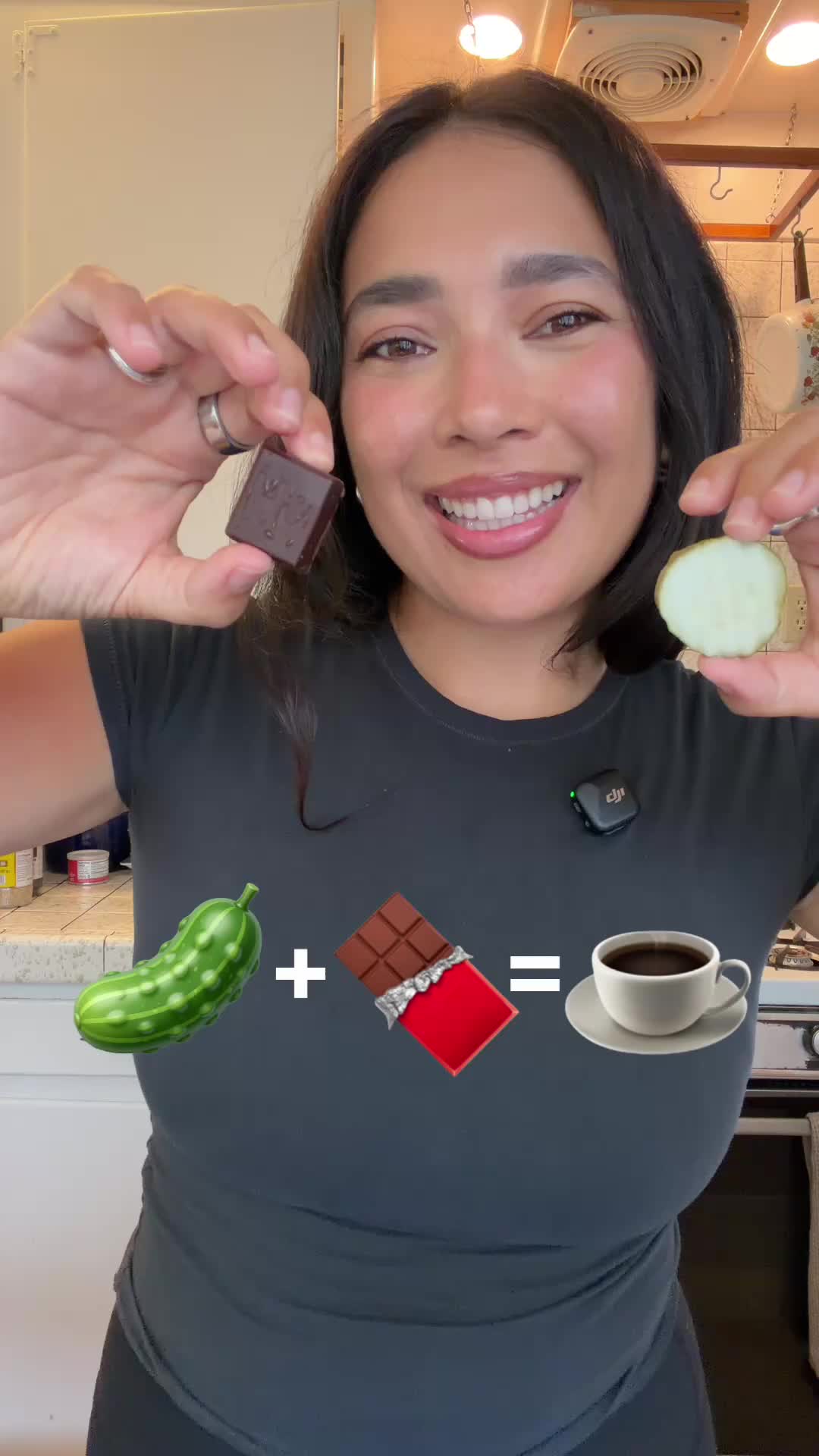 388.8KCreator tries weird food combinations@itspeanutbutterjamietime · Rapid Fire Listicle
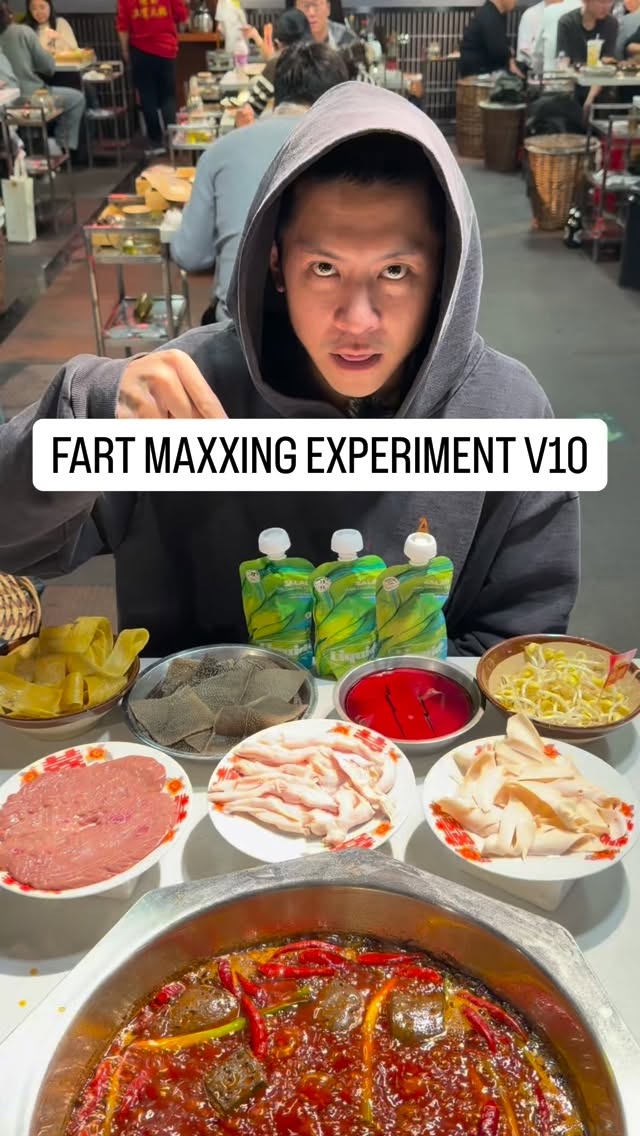 9.1M162.3×Scientific breakdown of fart ingredients@alanlinplus · Satirical Expertise
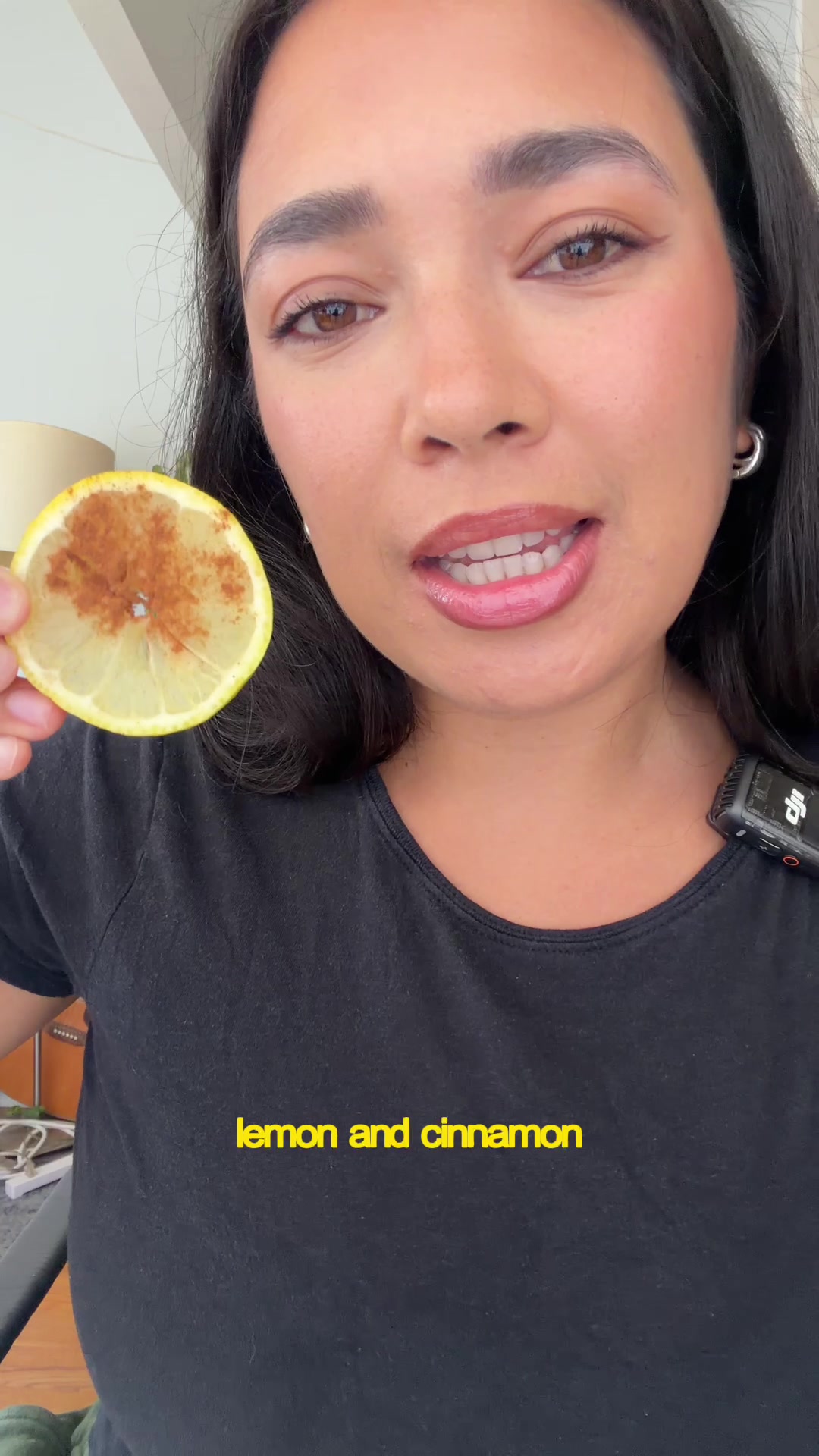 2.2M2225.7×Testing weird food combination hacks@itspeanutbutterjamietime · Rapid Fire Listicle
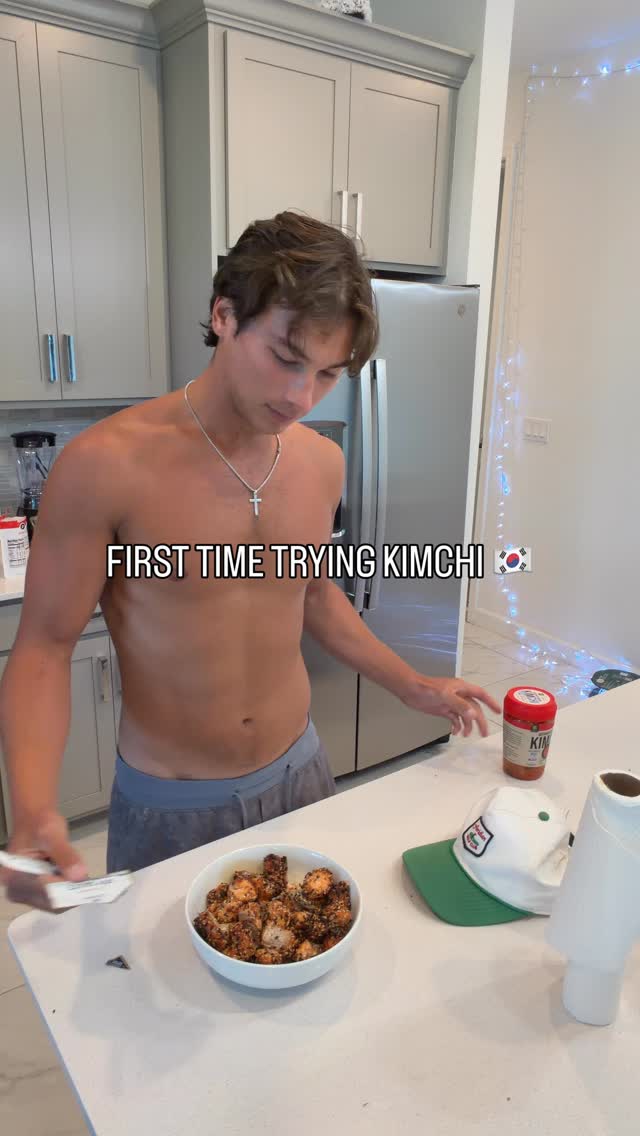 120.9KFirst time trying kimchi reaction@bigjohngolfs · Review
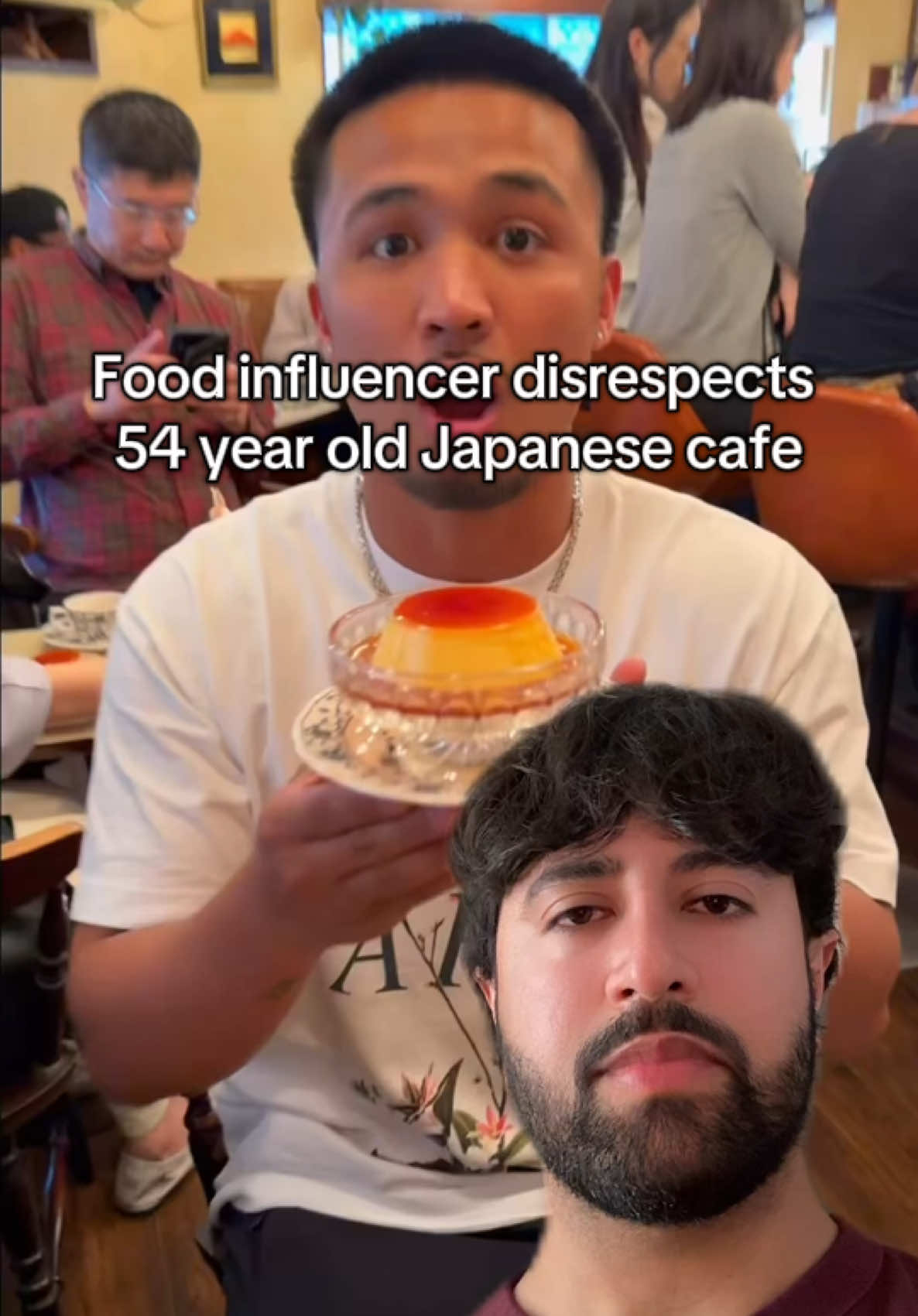 9.9M3.4×Creator critiques disrespectful food influencer@daadisnacks · Reaction
[04]
[05]
What stops the scroll in the first 3 seconds
Title hook · 35%
Cooking For Someone is the Most Selfless Act 🧐
Verbal hook · 60%
Did you know that when you cook a meal for someone that they're not actually tasting the same meal as what you're tasting?
Visual hook · 5%
An extreme close-up of the speaker's face, who is wearing distinctive orange-lensed glasses and using expressive hand gestures close to the camera.
[06]
Steal this for your own video
Did you know that when you , the other person is actually experiencing a completely than you are?
[07]
The promise the opener makes, and how the video pays it back
Hook
A direct question that challenges a common perception about a universal experience, creating an immediate knowledge gap the viewer wants to fill.
Payoff
A simple, actionable, and emotionally positive conclusion that reframes the information as a piece of social wisdom or a call to a positive action (gratitude).
[08]
The structural pattern this video runs on
Framework
The Analogy Bridge
Explaining a complex or counter-intuitive concept by bridging it to a simple, highly relatable, and often humorous analogy, then applying it back to a universal human experience.
The Relatability Gambit
The creator establishes common ground or vulnerability (e.g., 'I didn't finish high school') to disarm the audience and make the information feel like a shared discovery rather than a lecture.
The Concept Introduction
A key scientific or technical term is introduced, lending an air of authority and structure to the explanation that will follow.
The Unforgettable Analogy
The abstract concept is explained using a simple, visceral, and memorable real-world example (the 'fart in a room' analogy) that is easy for anyone to grasp instantly.
The Thesis Proof
The analogy is used as a bridge to apply the core concept directly to the initial hook, explaining the 'why' behind the phenomenon in a clear, logical progression.
The Validation Loop
The explanation is reinforced by citing common experiences that the audience can immediately recognize as true (restaurant food tasting better), triggering a satisfying 'aha!' moment.
This is why your own cooking never tastes as good as someone else’s or a restaurants! #food #cooking #recipe
title · beginning
Cooking For Someone is the Most Selfless Act 🧐
You know that when you cook a meal for someone that they're not actually tasting the same meal as what you're tasting? I just learned about this. I didn't finish high school, but I just learned about sensory adaptation, which is basically like when someone farts in the room and you and it smells for a little bit better then the smell kinda goes away and then someone walks in and they're like, guys, do you realize that it really stinks in here? That's sensory adaptation. Right? But in terms of for cooking, when you're cooking because you're so close to the aromas of the ingredients and it's going in your nose constantly, by the time you sit down to best, 80% of your taste is your smell, you actually can't taste the food properly. This is why eating at a restaurant tastes better than when you try to recreate the the meal at home or when someone else cooks for you, it normally tastes better than when you cook it. So there you go guys. Say thank you to the person that cooks for you every night.