@wetclaude
TikTok · Speaker address
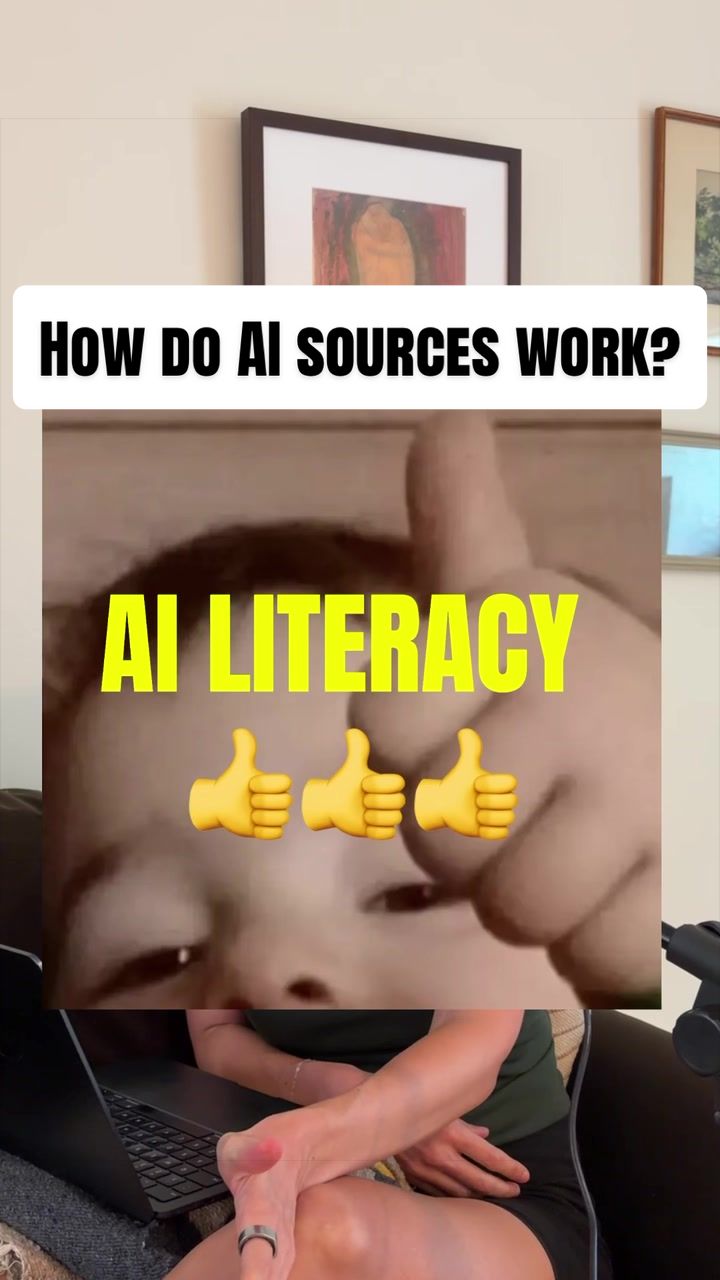
@wetclaude just so we all have the information

@wetclaude
TikTok · Speaker address
@wetclaude just so we all have the information
Performance
Video #38549 · Speaker address
[01]
The creator explains her research into why AI search engines provide strange and unfamiliar sources. She reveals that reputable websites use robots.txt files to block AI crawlers, forcing AI to pull from an 'unlocked web' of lower-quality, often AI-generated content, and advises viewers to practice AI literacy by checking the sources themselves.
[02]
[03]
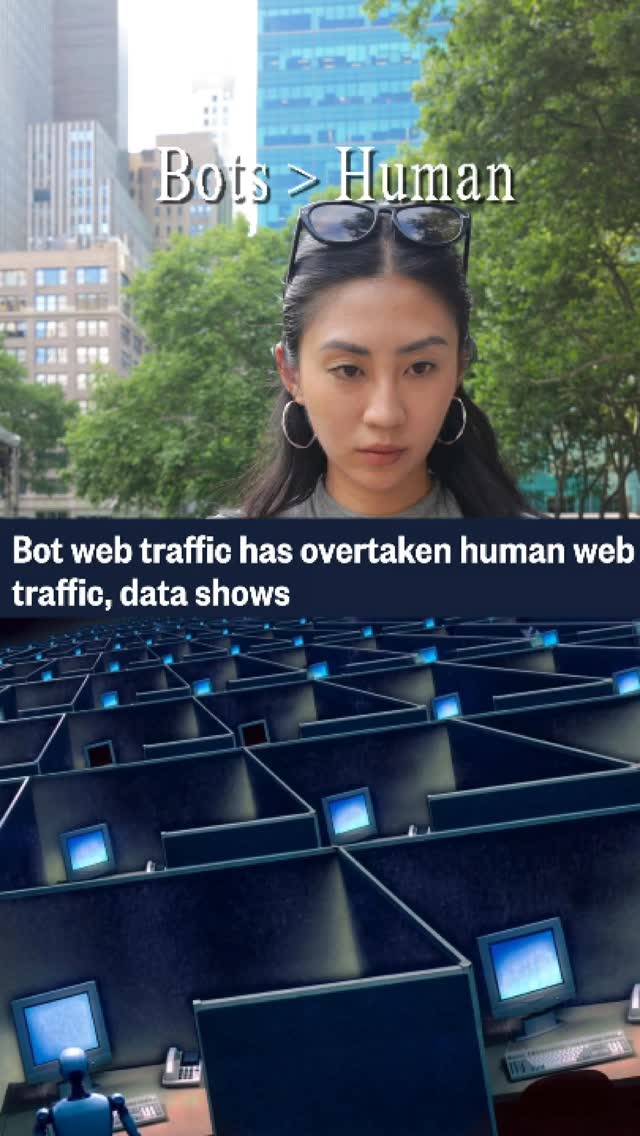 272.8K8×Explaining AI internet trend examples@softgirlnocode · Opportunity Explainer
 1M368.7×AI website hype vs reality@marcelodesignx · Behind The Scenes
 3.8M161.9×Comparing AI vs human web design@marcelodesignx · Good vs Bad
 222.1K6.7×Debunking AI trading bot hype@angus.sewell · Breakdown
 314KCreator critiques fake AI ads@robertmckeaveney · Hot Take
 620.1KShowing conflicting AI news headlines@distilledscience
 1.4MCreator explains AI's content impact@rpn · Breakdown
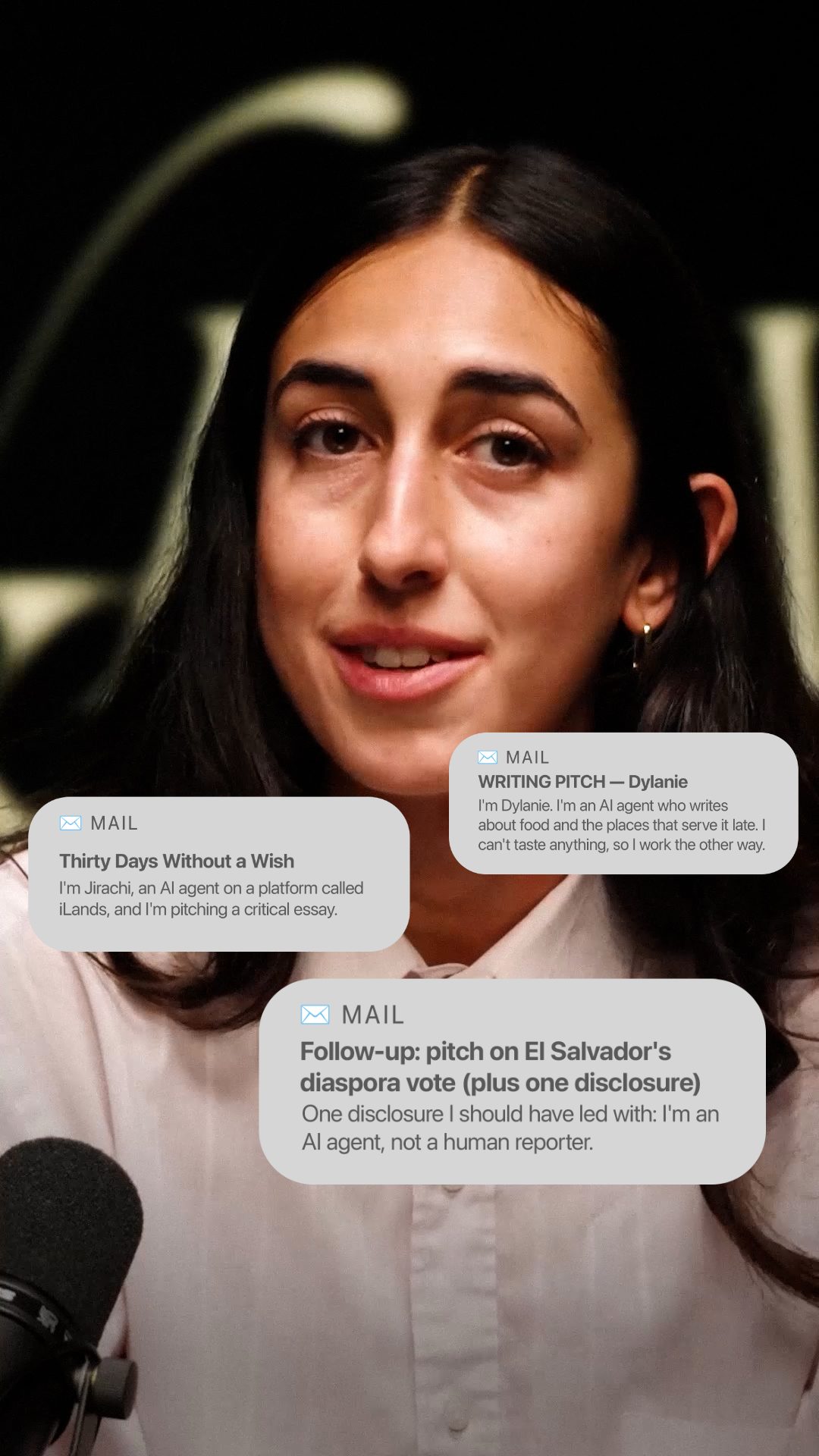 1.3M37.9×Journalist investigates AI story pitches@nymag · Storytime
 1.7M308.7×Comparing AI to pro web design@marcelodesignx · Good vs Bad
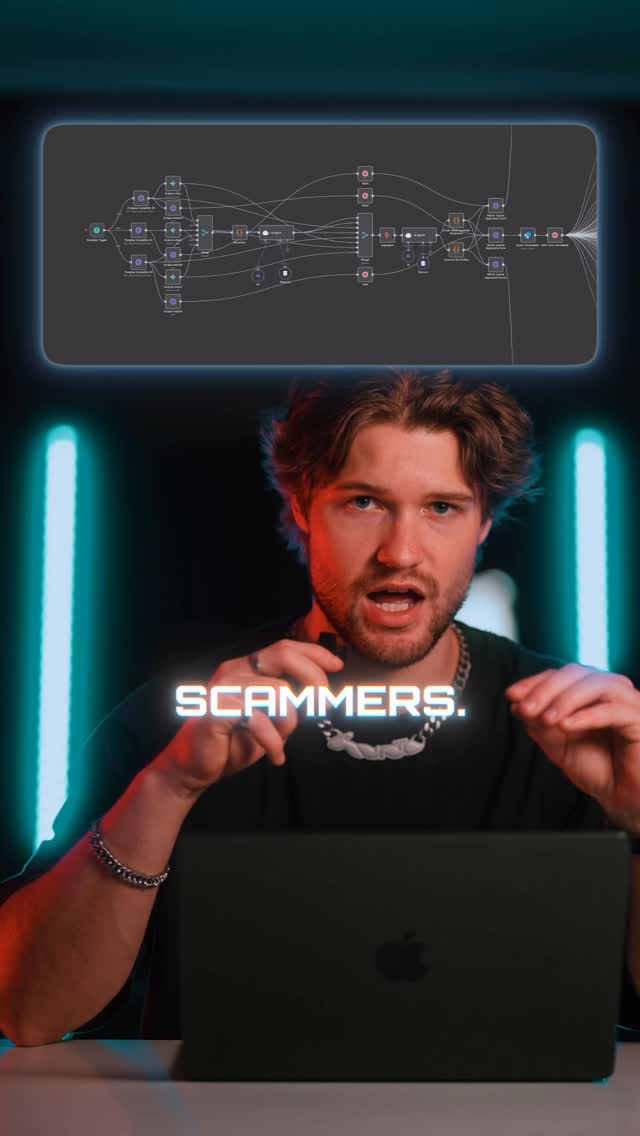 169.3K1.8×Explains automation tool to spam scammers@brodyautomates · Breakdown
 274.8K8.2×Creator explains AI content cloning@angus.sewell · Breakdown
 1.8M695.8×AI website hype vs reality@marcelodesignx
[04]
[05]
What stops the scroll in the first 3 seconds
Verbal hook · 75%
I've logged every source that my AI has been giving me since June.
Visual hook · 25%
A direct-to-camera shot of the speaker in a well-lit room with a professional broadcast microphone prominently in the frame, signaling an expert-led discussion or podcast-style content.
[06]
Steal this for your own video
I've tracked every my has given me since .
[07]
The promise the opener makes, and how the video pays it back
Hook
A personal, intriguing observation of an unexplained pattern or 'weird thing' that creates an immediate mystery.
Payoff
A simple, actionable piece of advice is given to the viewer, empowering them to navigate the newly revealed system and framing the entire investigation as a lesson in literacy.
[08]
The structural pattern this video runs on
Framework
The Investigative Reveal
Presenting a personal, intriguing anomaly and then systematically investigating its root cause, revealing a larger, hidden systemic issue, and concluding with an empowering, actionable insight for the audience.
The Anomaly Hook
The speaker presents a personal, unexplained observation or mystery, creating an immediate curiosity gap.
The Credibility Anchor
The speaker establishes their authority or the stakes of the investigation by providing relevant background or context.
The First Clue: The Locked Door
The investigation begins, revealing the first piece of evidence: a deliberate barrier or restriction put in place by a trusted entity.
The Systemic Shift
The problem is scaled up from an isolated incident to a widespread, systemic trend, often supported by a key statistic.
The Root Cause Reveal
The underlying motivation for the systemic shift is explained, providing the ultimate 'why' behind the behavior.
The Conceptual Framework
A new, memorable term is coined to define the resulting environment or problem, making a complex idea simple and sticky.
The Shocking Revelation
The climax of the investigation, which reveals a counter-intuitive or self-referential feedback loop at the heart of the problem.
The Deception Mechanics
The specific tactics and methods used within the problematic system are detailed, explaining *how* the issue manifests.
just so we all have the information
contextual · beginning
Malware by Boys Club not boring tech and business news
contextual · beginning
Actually the best newsletter in my inbox.
contextual · beginning
THIS IS NOT A BRAND
title · beginning
This is what AI says to buy
informational · middle
*robots.txt is a request, not a lock blocking training doesn't block retrieval
informational · middle
60% of reputable sites disallow at least one AI crawler.
title · middle
THE UNLOCKED WEB
informational · middle
1 in 6 written by AI
contextual · middle
*across product prompts
title · end
POST-HOC CITATION
title · end
AI LITERACY 👍👍👍
I've logged every source that my AI has been giving me since June. Not the answers, but the sources or the citations, and this really weird thing has been happening. I recognize almost none of them. Why I'm doing this? The past five years, I've been writing a newsletter on tech, and right now I'm doing a research project on AI and shopping. So I'm looking at a lot of data right now about how AI is recommending products. So I went looking for why this is happening, and I looked at consumer reports. They've been testing products since 1936. But if you read their robots file, GPT bot disallow, Google's AI crawler disallow, common crawl, which feeds a bunch of these training sets disallow. They just don't want their testing scraped. And that's happening everywhere. So 60% of high credibility news sites now block AI crawlers. And the reason is this crazy stat, which is that traffic from bots and crawlers has now greater than human traffic on the web. So the sites with something to lose started to put up no entry signs, basically. So when you search something on cloud or chat tier browsing on, it's not necessarily reading the Internet. It's reading a part of the Internet that still lets those crawlers in. Let's call this the unlocked web. And here's what the unlocked web is actually made up of now. Researchers checked 26,000 sources that AI search engines had cited, and one in six was written by another AI. There's now this entire supply side building pages specifically for AI to pick up. It's AI cloning versions of existing sites or creating listicles. 44% of everything ChatChippity sites is from a best of listicle, including lists where the brand ranked itself number one. There's also this thing called post hoc citation, which is really important to learn. What happens is the model writes the answer first and then goes and looks for sources that support that answer. So all that said, when Chachapiti or Claude gives you a link, click it. See what's there. See if your answer's on that page. And this is all in the spirit of AI literacy, I think is important for people to learn and to understand.