@kolbykirschner
Instagram · Greenscreen Talking Head
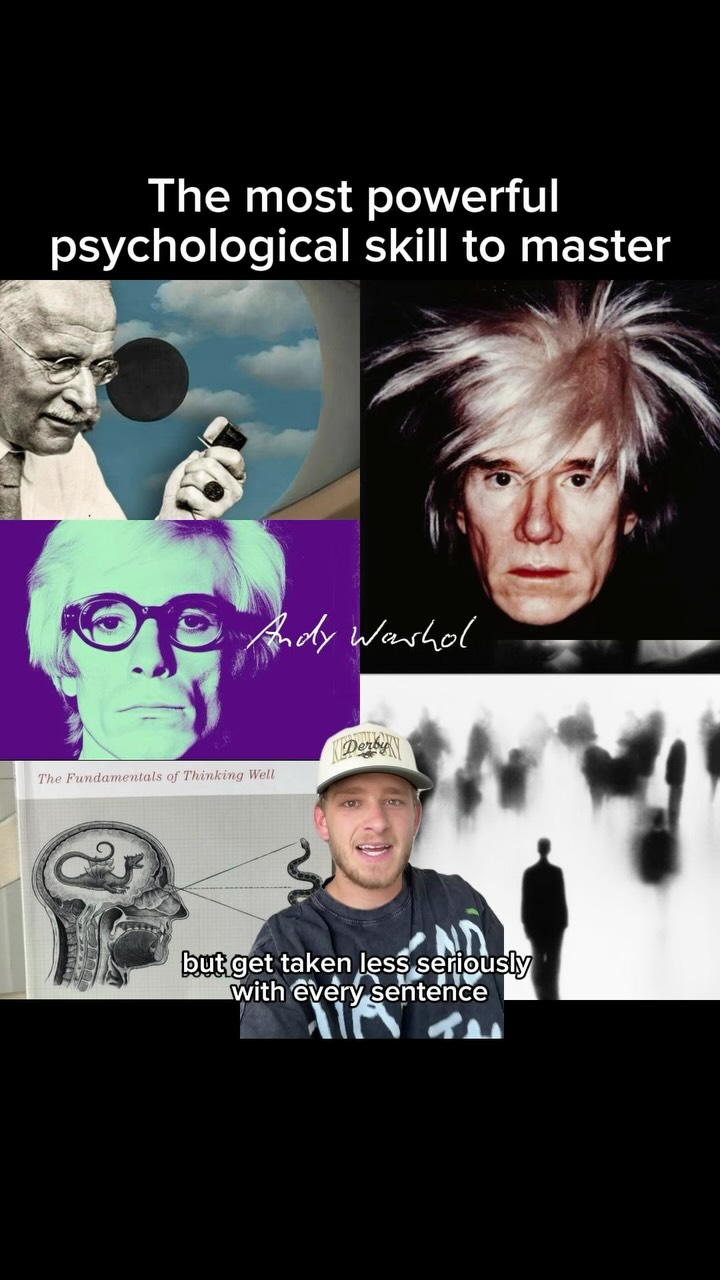
@kolbykirschner Michael Jackson Stanley Kubrick Bob Dylan Miles Davis J.D. Salinger Ernest Hemingway The list goes on and on of the greats that use this. May want to pay attention

@kolbykirschner
Instagram · Greenscreen Talking Head
@kolbykirschner Michael Jackson Stanley Kubrick Bob Dylan Miles Davis J.D. Salinger Ernest Hemingway The list goes on and on of the greats that use this. May want to pay attention
Performance
Video #38694 · Greenscreen Talking Head
[01]
The creator explains the psychological power of not explaining oneself, using historical figures like Stanley Kubrick, Miles Davis, and primarily Andy Warhol as case studies. He details Warhol's strategy of giving vague interviews and even sending an impersonator on tour to illustrate how ambiguity forces others to create their own meaning, making the subject more intriguing and powerful. The video concludes by advising the viewer to 'leave the portrait unfinished' to achieve a similar effect.
[02]
[03]
 213.1K6.3×Explains brain hack for creativity@fakeplasticbrands · Tutorial / How To
 1.2M9.8×Monologue on overthinking's pitfalls@benhbader · Hot Take
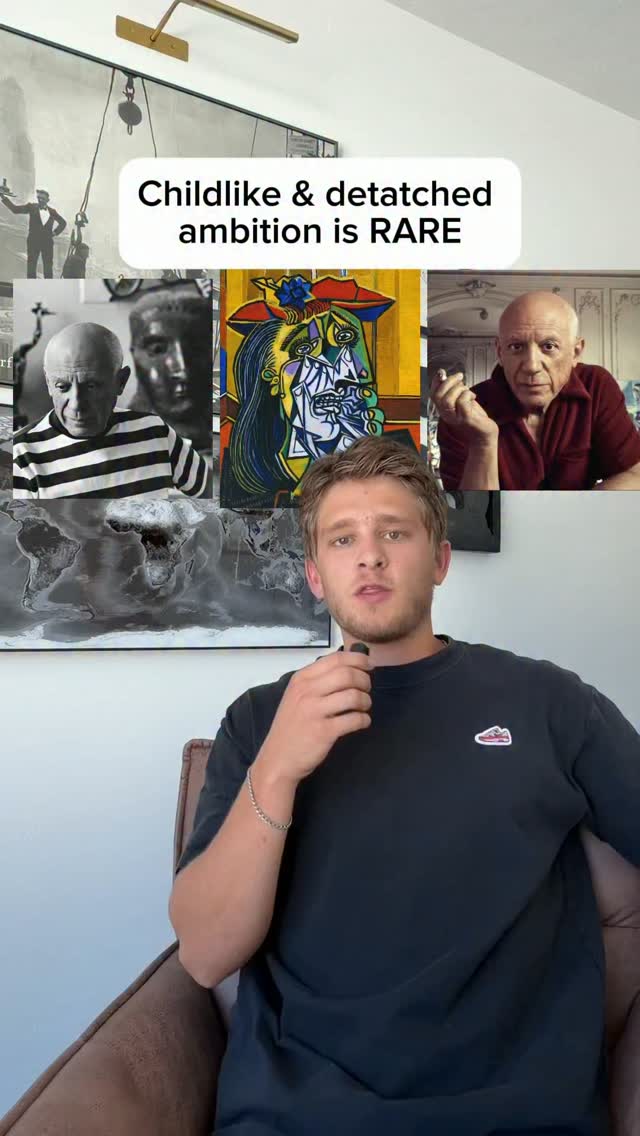 195.1K87.7×Historical figure success lesson@kolbykirschner · Case Study Reminder
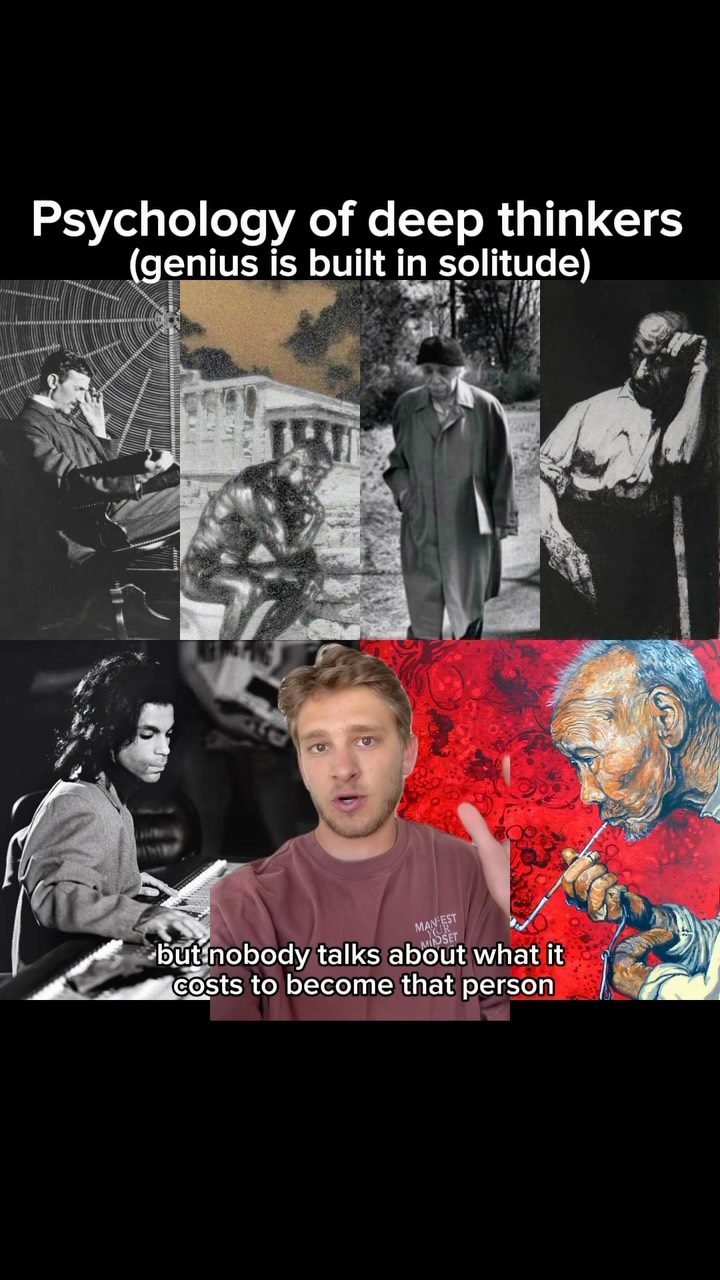 266.8K11.2×Philosophical take on creative solitude@kolbykirschner · Anecdotal Philosophy
 1.7M41.4×Monologue on dealing with manipulators@jrp.co · Vulnerable Monologue
 558K104.5×Philosophical monologue over illustrative photos@iamfieldnotes · Motivational Mantra
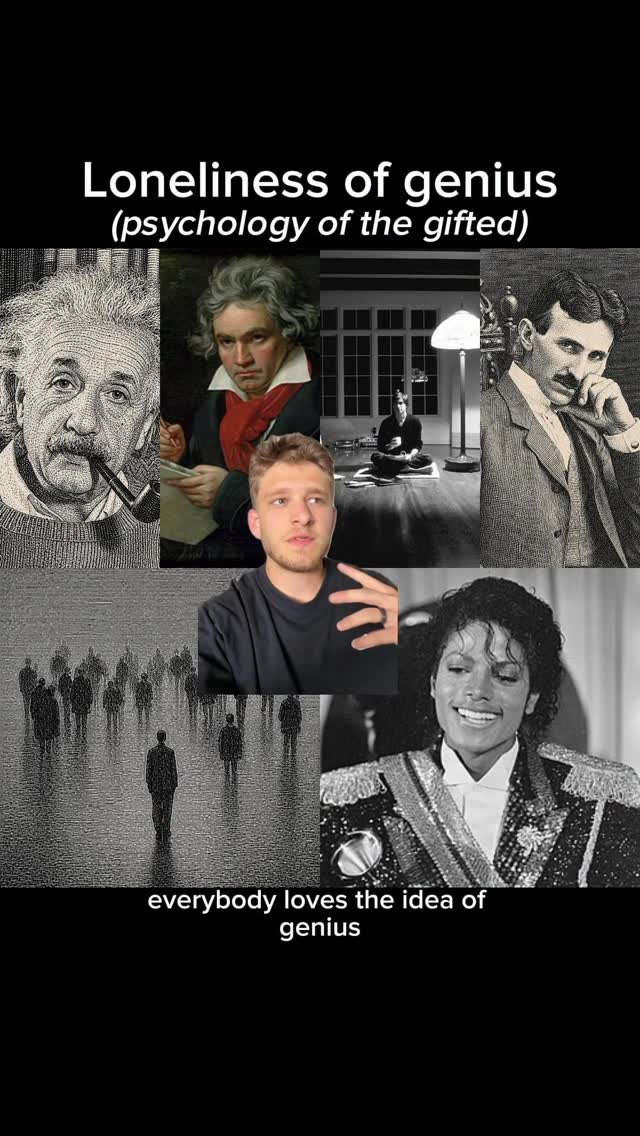 919.4K11.6×Explaining the loneliness of genius@kolbykirschner · Motivational Mantra
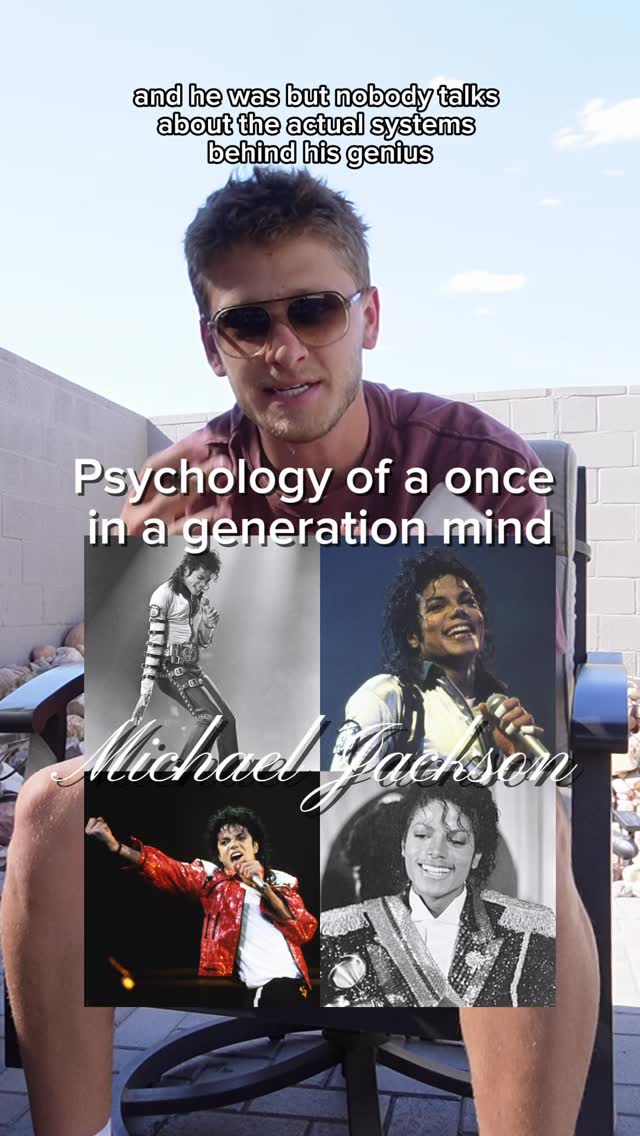 189.7K4.6×Psychology breakdown of a genius@kolbykirschner · Case Study Breakdown
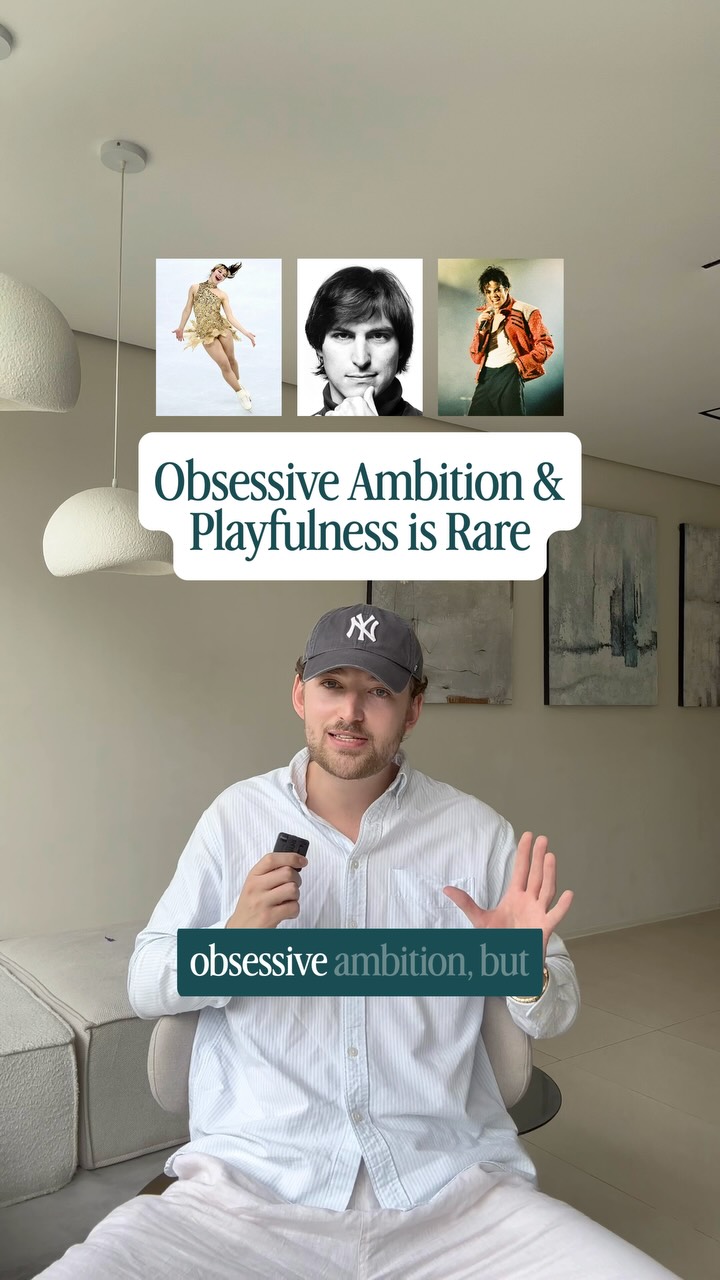 441.9KExplains a rare personality archetype@diewithoutregretss · Opportunity Explainer
 624.3KCreator reframes weed-induced paranoia as useful self-reflection@bradley.thor · Anecdotal Philosophy
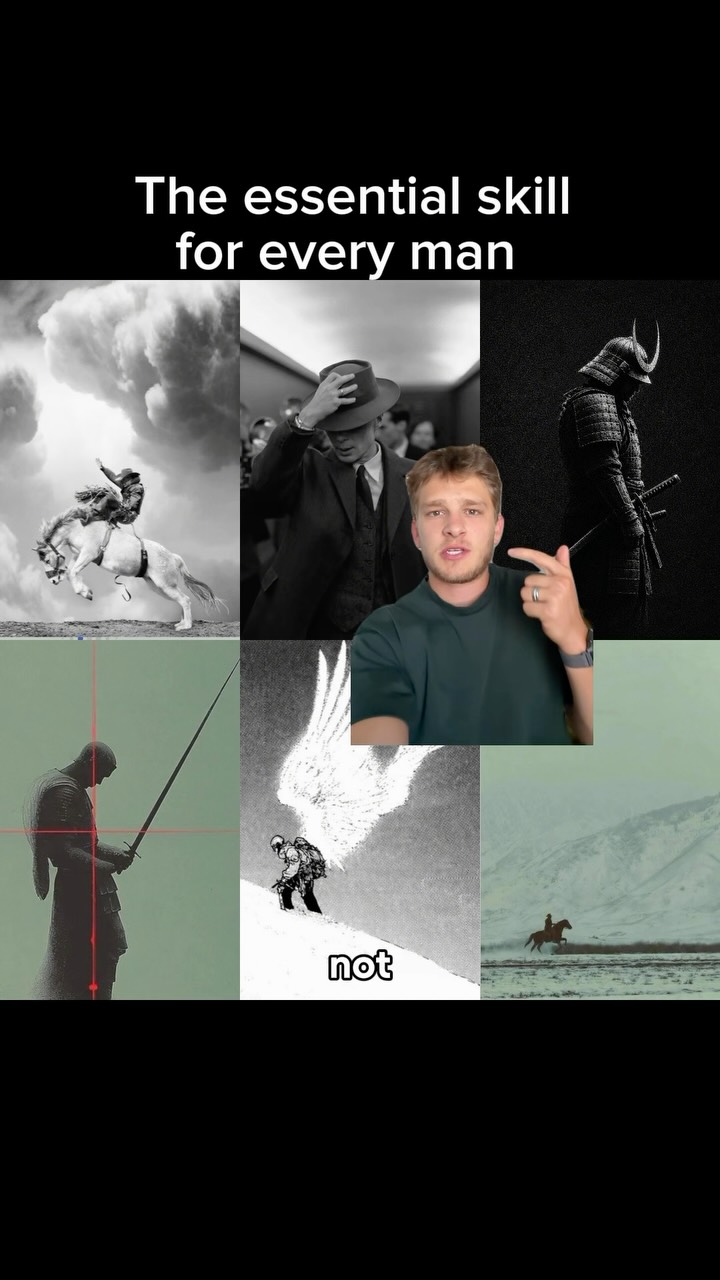 209.1K30.1×Explaining a philosophical concept with visuals@kolbykirschner · Breakdown
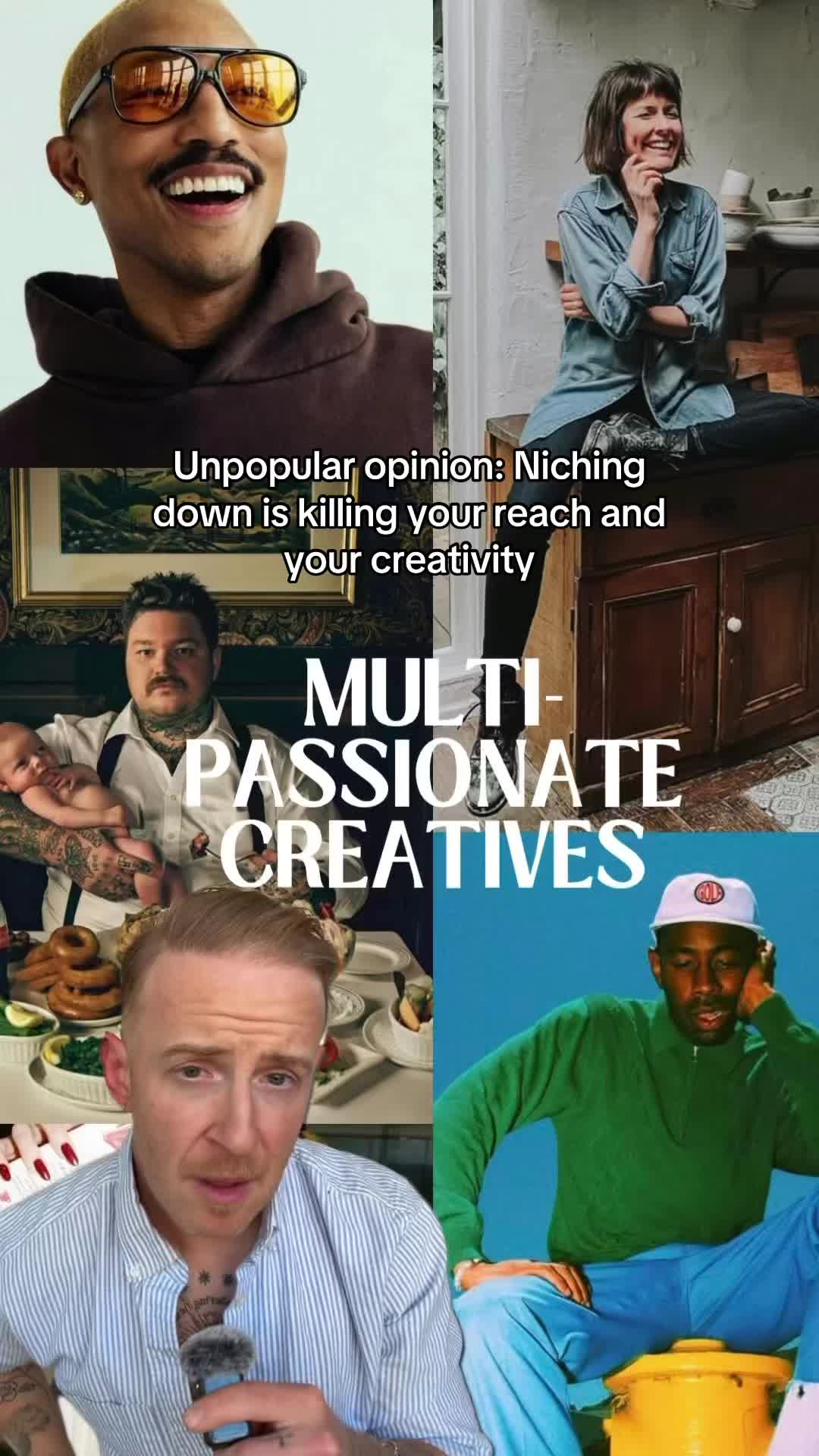 593.1K1.2×Greenscreen hot take with examples@gregsebell · Hot Take
[04]
[05]
What stops the scroll in the first 3 seconds
Title hook · 35%
The most powerful psychological skill to master
Verbal hook · 50%
There are people who explain themselves perfectly but get taken less seriously with every sentence.
Visual hook · 15%
A rapid montage of four distinct and visually intriguing images: a surrealist-style photo, a high-contrast portrait of Andy Warhol, a stylized purple portrait of Warhol, and a psychological diagram of a human head.
[06]
Steal this for your own video
The more you , the less you actually get.
[07]
The promise the opener makes, and how the video pays it back
Hook
Present a bold, superlative claim ('The most powerful skill') immediately followed by a relatable, counter-intuitive paradox: a common behavior (explaining yourself) that leads to the opposite of the desired outcome (being taken less seriously).
Payoff
Deliver a concise, poetic, and metaphorical final statement that encapsulates the entire philosophy, making the complex idea simple, memorable, and actionable.
[08]
The structural pattern this video runs on
Framework
The Unfinished Portrait
To argue for a counter-intuitive strategy by first presenting a common problem, then using revered historical figures as proof, revealing the underlying psychological principle, and concluding with a powerful, actionable metaphor.
The Icons of Ambiguity
Provide rapid-fire examples of highly respected figures from different fields who successfully employed the counter-intuitive strategy, building credibility and intrigue through association with genius.
The Apex Practitioner
Introduce a central figure as the ultimate master of the strategy, transitioning from broad examples to a focused case study.
The Case Study Evidence
Detail the specific, increasingly extreme tactics used by the central figure to execute the strategy, building the narrative to a climax of absurdity that proves the principle's power.
The Psychological Reveal
State the core psychological law or human tendency that makes the entire strategy effective. This is the 'aha!' moment that provides the intellectual payoff.
The Co-Creation Effect
Explain how the psychological principle works in practice: by not providing an answer, you force the audience to create their own, which they then value and defend more strongly because it's their own creation.
The Power Dynamic Shift
Explicitly contrast the person who over-explains (who appears weaker and defensive) with the person who remains ambiguous (who appears more powerful and confident), reinforcing the value of the strategy.
Michael Jackson Stanley Kubrick Bob Dylan Miles Davis J.D. Salinger Ernest Hemingway The list goes on and on of the greats that use this. May want to pay attention
title · beginning
The most powerful psychological skill to master
contextual · beginning
Andy Warhol
informational · middle
Unfinished portrait