@jrp.co
Instagram · Yap

@jrp.co These type of people hate when you’ve clocked them

@jrp.co
Instagram · Yap
@jrp.co These type of people hate when you’ve clocked them
Performance
Video #49694 · Yap
[01]
The creator delivers a direct-to-camera monologue explaining the psychological phenomenon where a person who has been 'figured out' will preemptively cast you as the villain to control the narrative. He details how they manipulate others' perceptions, explains that their anger stems from no longer being able to fool you, and advises the viewer to disengage rather than defend themselves against these false narratives. He concludes by stating that one doesn't need to attend a 'trial' where the verdict is already decided, encouraging self-preservation.
[02]
[03]
 628.5K61.5×Car monologue about losing respect@sensei.nick · Anecdotal Philosophy
 169.2K4.2×Raw motivational talk from car@gregcolbeck · Motivational Mantra
 1.4MLife advice from personal experience@wolf.hannibal · Anecdotal Philosophy
 8.5MMoody outdoor mindset advice monologue@tonito.rt · Motivational Mantra
 2.1M6.6×Explains psychology of social media lurking@sensei.nick · Breakdown
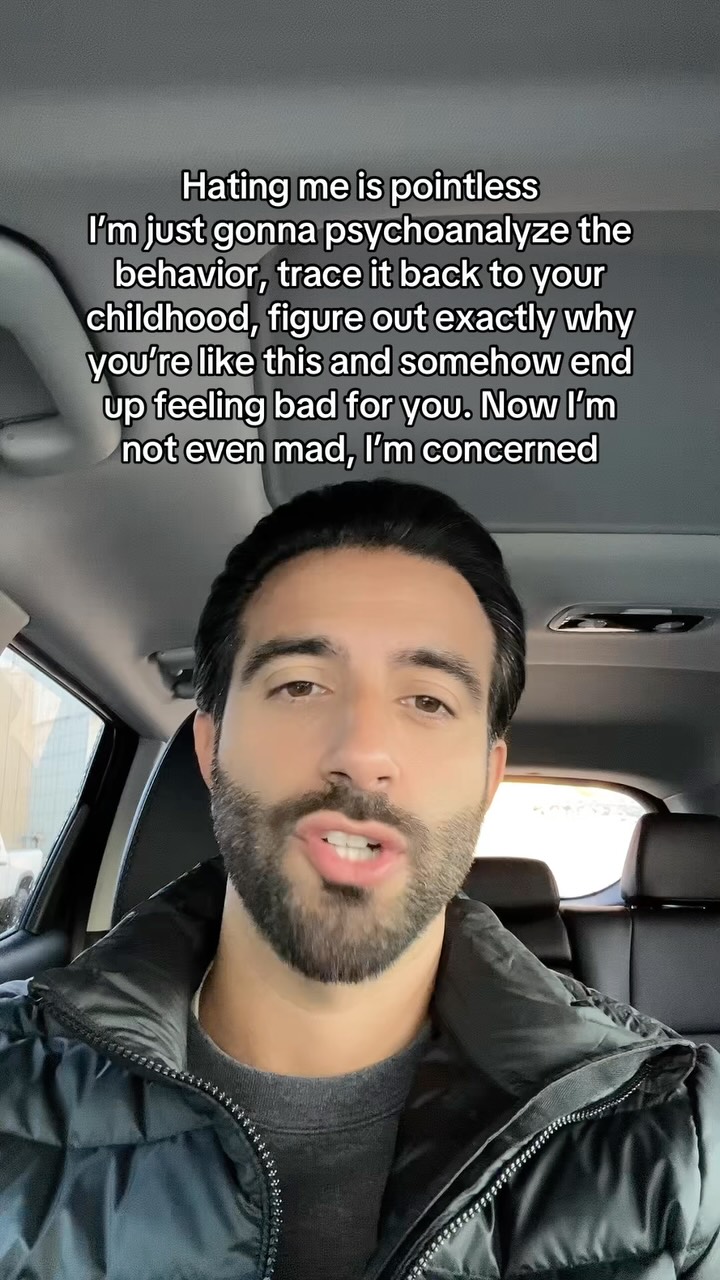 1.8M4.2×Man psychoanalyzes his haters monologue@davi87dp · Vulnerable Monologue
 1.2M9.8×Monologue on overthinking's pitfalls@benhbader · Hot Take
 874K12.9×Mock TED talk on self-importance@thatzonaguy · Hot Take
 551.8K122.9×Rant about contrarian friends@life.withkeri · Cultural Rant
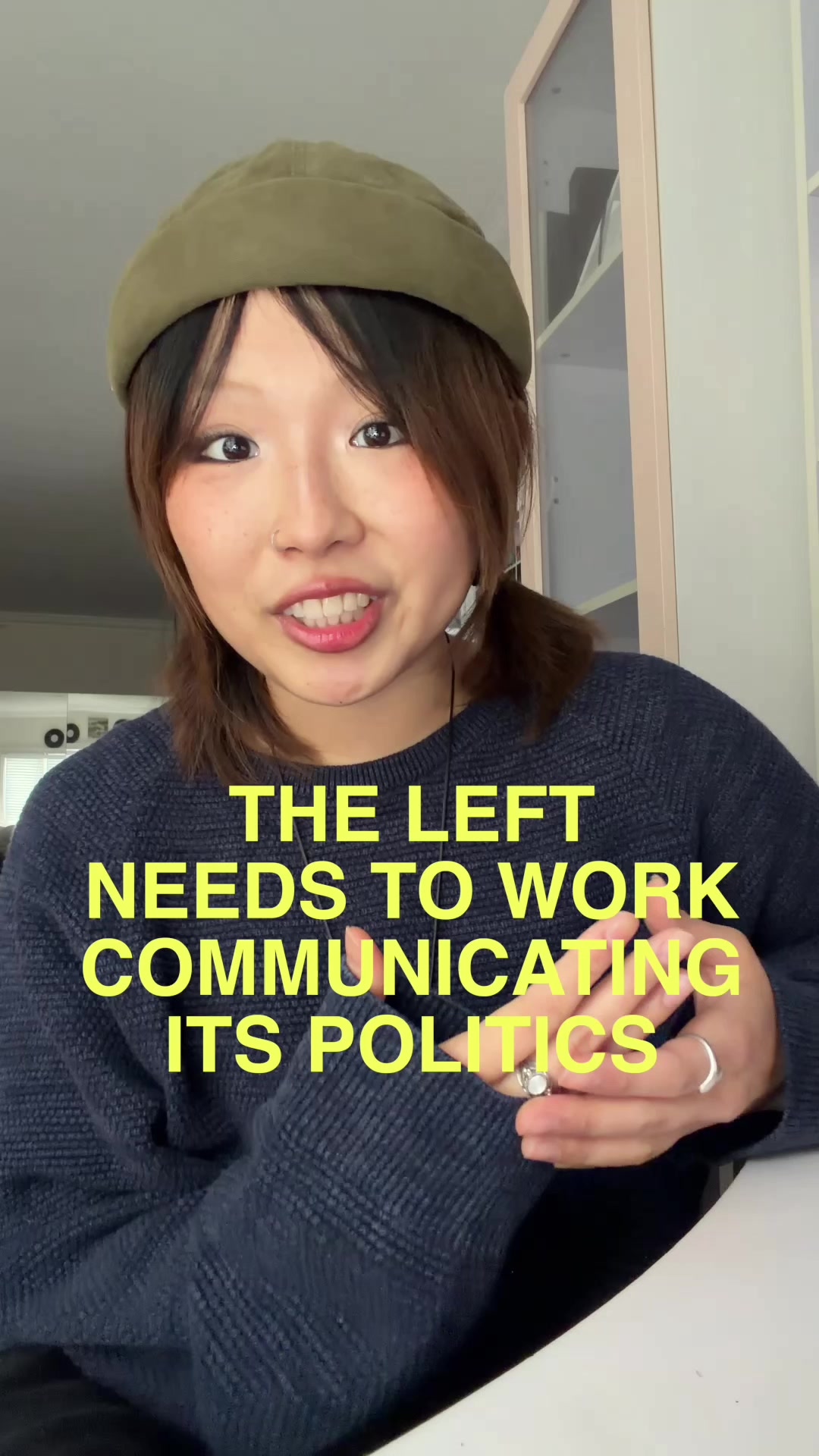 145K212.7×Speaker critiques leftist political communication@glass__museum · Breakdown
 439.9K2.7×Play dumb then crush manipulators@grantmitt · Playbook
 1.2MDirect motivational talk about identity@tysonnek · Motivational Mantra
[04]
[05]
What stops the scroll in the first 3 seconds
Title hook
NOBODY
Verbal hook
Nobody will make you the villain faster than somebody who realizes that you have already figured out who they are.
Visual hook
The video opens with a man in a dimly lit, intimate setting with dramatic, warm lighting that creates a strong shadow on the wall behind him. This focused lighting immediately establishes a serious and personal tone, breaking the pattern of brightly lit content.
[07]
The promise the opener makes, and how the video pays it back
Hook
A provocative universal truth about being unfairly cast as the villain, immediately validating a common feeling of injustice.
Payoff
The Liberation Mandate: A final, empowering statement that gives the viewer permission to disengage from the conflict and let others believe what they want, framing non-participation as the ultimate power move.
[08]
The structural pattern this video runs on
Framework
The Vindication & Liberation Framework
To validate a viewer's negative social experience, reframe it as a power dynamic they've already won, and provide a counterintuitive, empowering solution for emotional liberation.
The Villainizer Premise
Establishes the core conflict: someone turns on you precisely because you have figured them out.
The Social Weaponization
Escalates the stakes by explaining how this person will manipulate the perceptions of others against you.
The True Motivation Reveal
Provides the first major 'aha' moment by reframing the antagonist's 'hate' as frustration that they can no longer deceive you.
The Viewer Validation Checklist
Rapidly lists the correct observations the viewer made (seeing manipulation, lies, actions vs. words), reinforcing their perception and making them feel seen.
The Ironic Reversal
Delivers the punchline of the problem: because of your perception, you are suddenly cast as the 'bad guy'.
The Analytical Pivot
Uses a transitional phrase ('But here's where it gets interesting') to re-engage the viewer and signal a shift from describing the problem to explaining its underlying mechanics.
The Control-Loss Thesis
Presents the core psychological theory: when people lose control over your perception of them, they try to control everyone else's perception of you.
The Defensive Trap Warning
Highlights the long-term negative consequence of reacting intuitively—spending years defending yourself against a false narrative.
The 'Learned Wisdom' Pivot
Uses a personal, authority-building transition ('But here's what I've learned') to introduce the actionable solution.
The Disengagement Directive
Provides the counterintuitive advice: do not correct them or try to convince others. This directly opposes the natural human impulse to defend oneself.
These type of people hate when you’ve clocked them
contextual · beginning
NOBODY
contextual · beginning
VILLAIN
contextual · beginning
REALIZES
contextual · middle
MANIPULATION
contextual · middle
CONTROL
contextual · middle
DEFENDING
contextual · end
GUILTY
contextual · end
PEACE
Nobody will make you the villain faster than somebody who realizes that you have already figured out who they are. And the scariest part is that they will convince people that you have never met that you're the problem. Because some people don't actually hate you, they hate the fact that they cannot fool you anymore. You saw the manipulation, you no the lies, started paying attention to what they did instead of what they said, and suddenly, you became the bad guy. Funny how that works, isn't it? But here's where it gets interesting. When somebody loses control over how you see them, they will often try to gain control over how everybody else sees you. And if you aren't careful, you will spend years defending yourself or at least trying to defend yourself against a story that you didn't even write. But here's what I've learned. You don't have to correct them. You don't have to try to convince everybody that you are a good person. Sometimes you just gotta let people believe whatever the fuck they wanna believe because you don't need to attend better trial where somebody has already decided that you are guilty. I love y'all. Peace.