@cooksillustrated
Instagram · Talking Head Edit
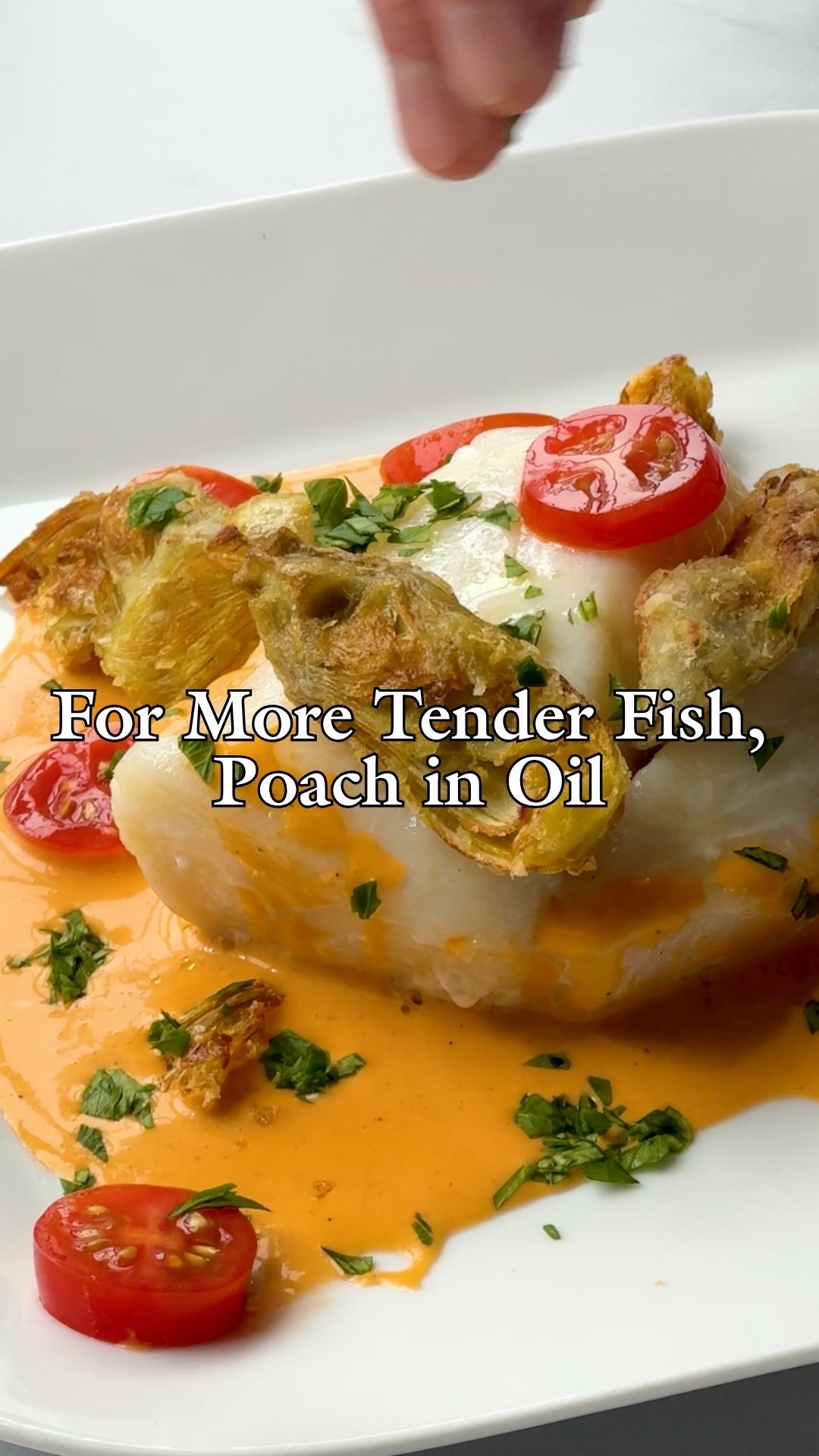
@cooksillustrated Oil has a reputation for high heat and aggressive cooking, but here's the twist: at the same temperature, oil is actually gentler than water, which makes for more tender, flaky fish.

@cooksillustrated
Instagram · Talking Head Edit
@cooksillustrated Oil has a reputation for high heat and aggressive cooking, but here's the twist: at the same temperature, oil is actually gentler than water, which makes for more tender, flaky fish.
Performance
Video #39273 · Talking Head Edit
[01]
The creator demonstrates the difference in heat transfer between oil and water at the same temperature by sticking his finger in both. He then explains the scientific principles behind why oil is a gentler cooking medium. He uses this concept to teach a recipe for oil-poached cod, showing how to use an onion to displace the oil, cooking the fish in the oven, and finally, repurposing the cooking oil into a tomato vinaigrette for the finished dish.
[02]
[03]
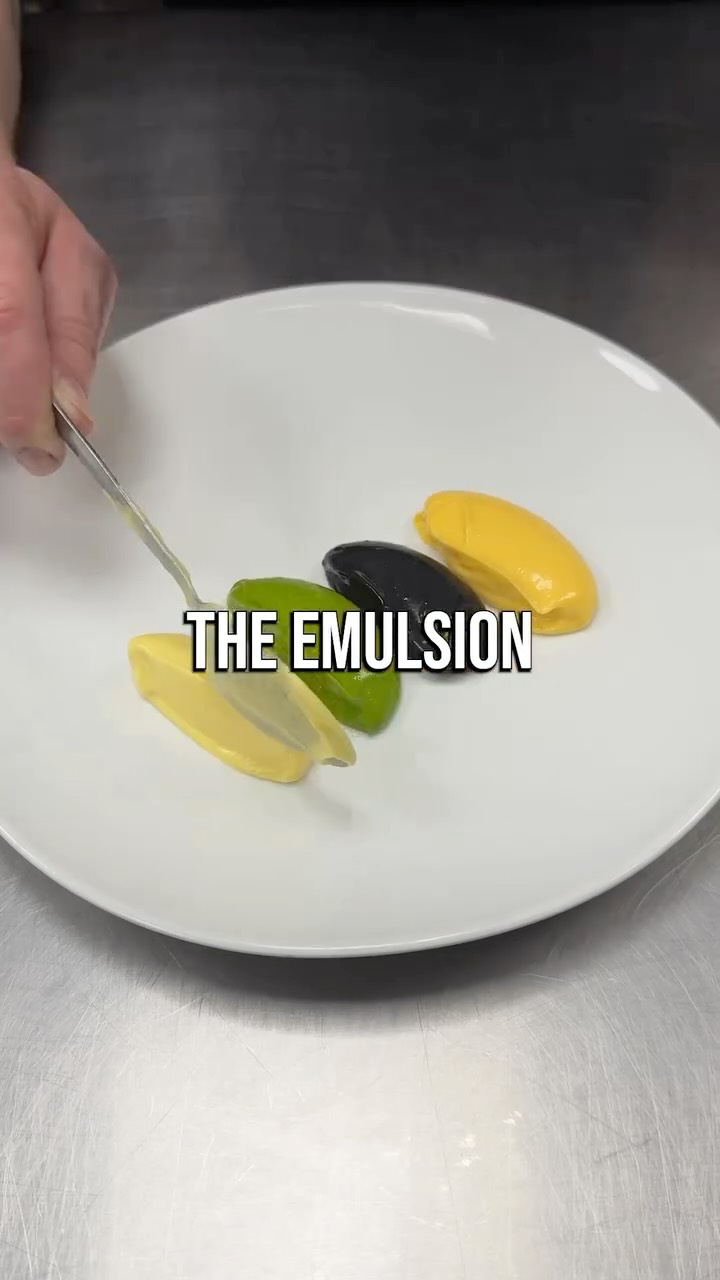 2.5M8.2×Explaining the science of emulsions.@fallowrestaurant · What Is X?
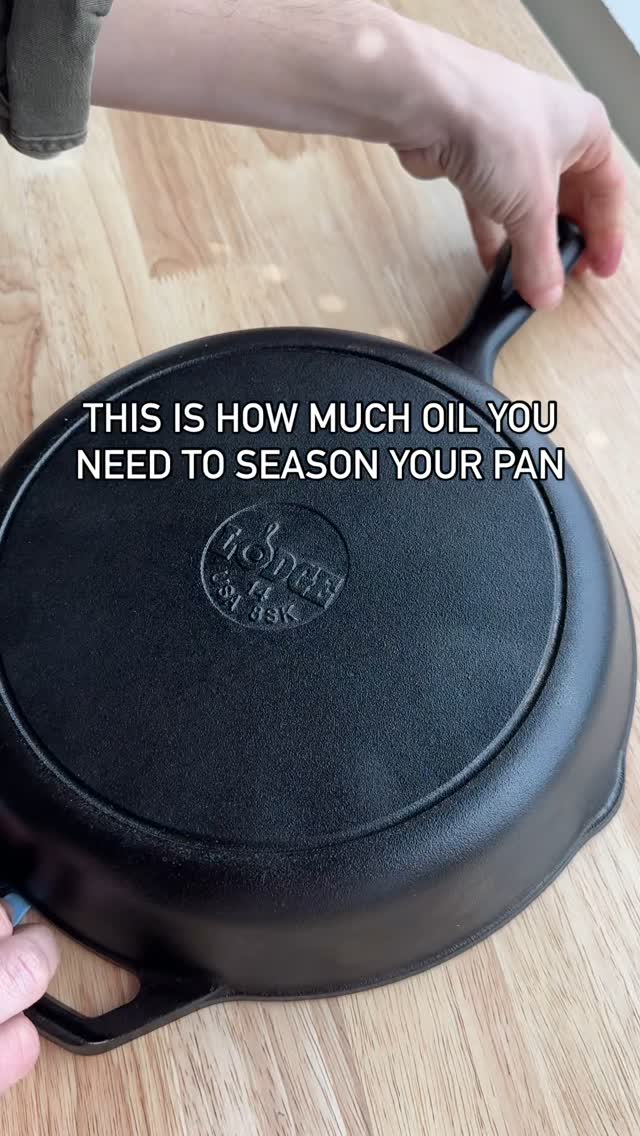 689.2K17.9×Demonstrating pan seasoning process@lodgecastiron · Process
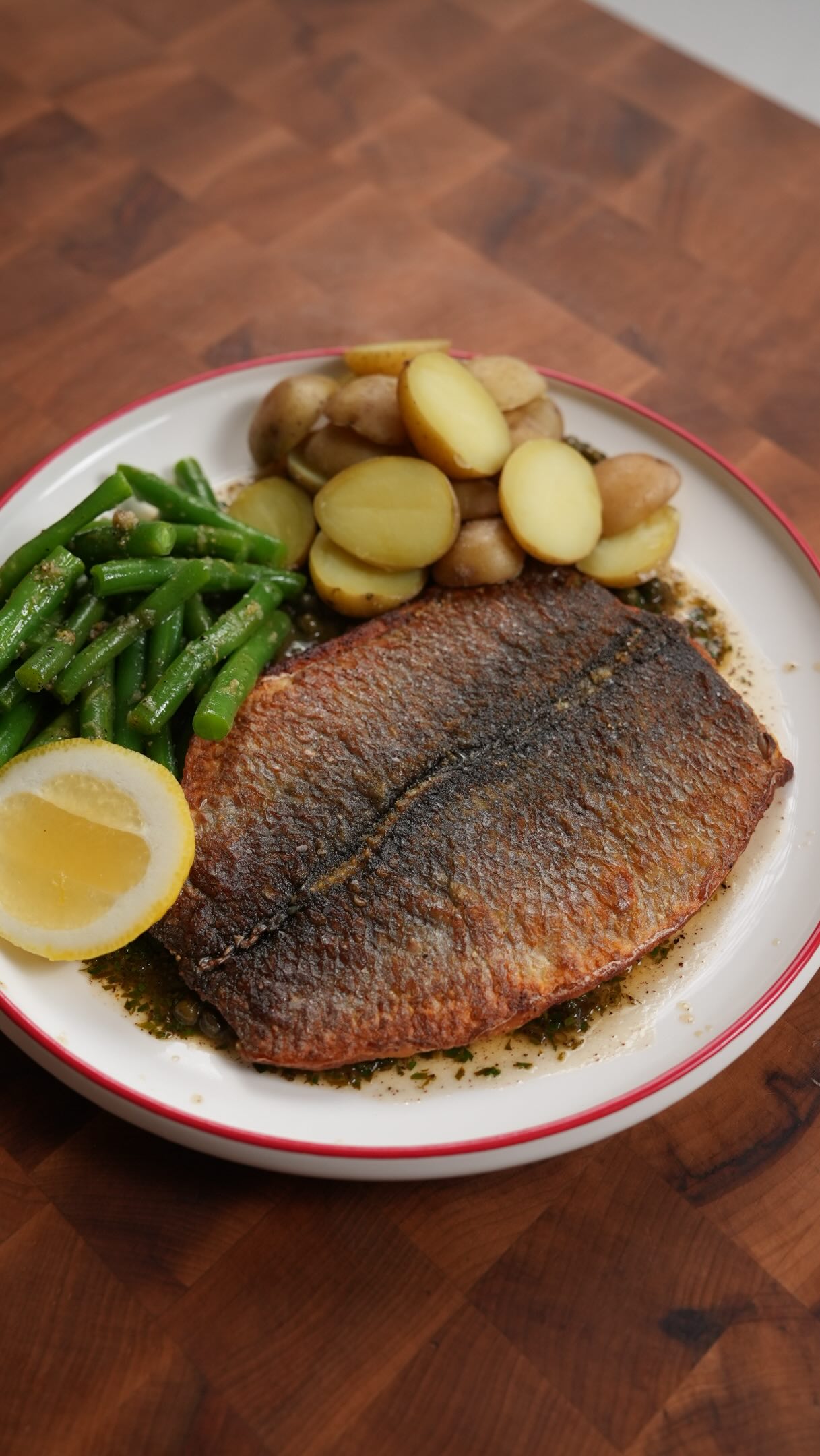 1M2.7×Show full recipe creation process@cheffinwithzach · Tutorial / How To
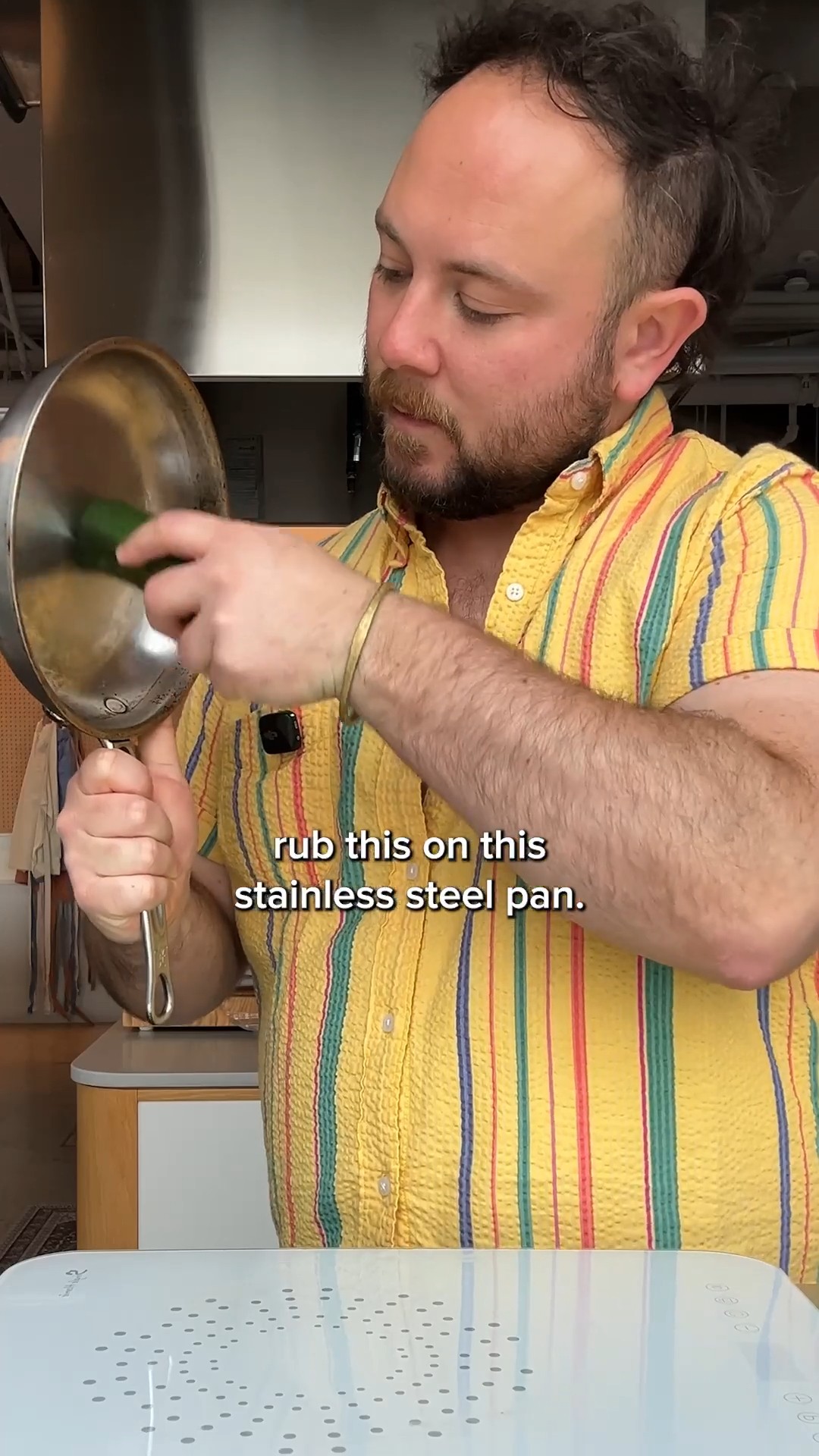 404.8K2.9×Debunking viral cucumber nonstick pan hack@food52 · Tutorial Follow-Along
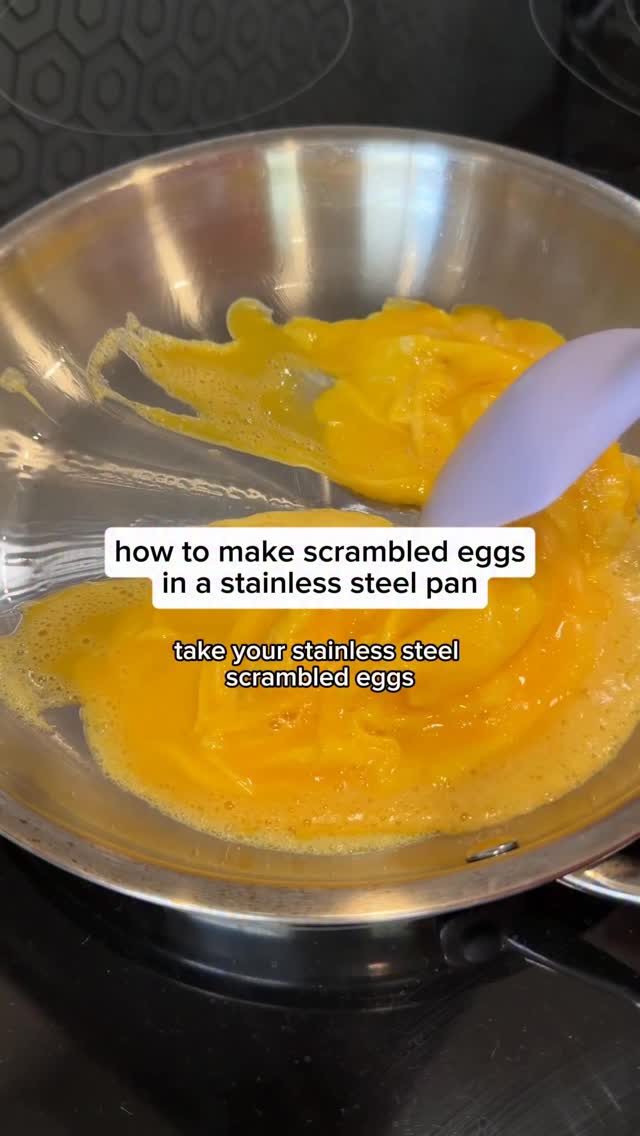 389K40.3×Stainless steel pan egg tutorial@gourmet_gab · Tutorial / How To
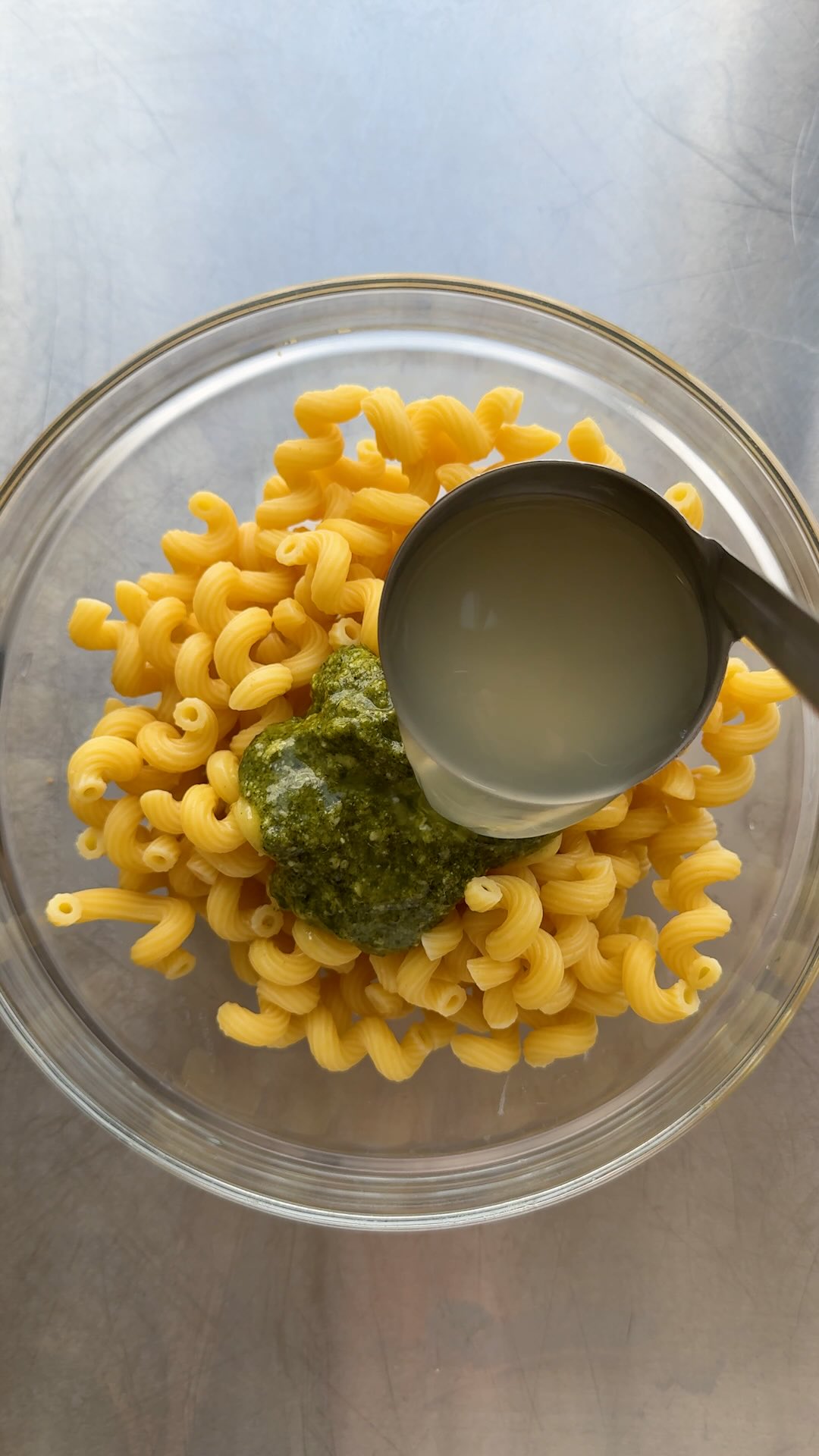 277.1K1.6×Pasta water hack for better sauce@food52 · Misconception Rebuttal
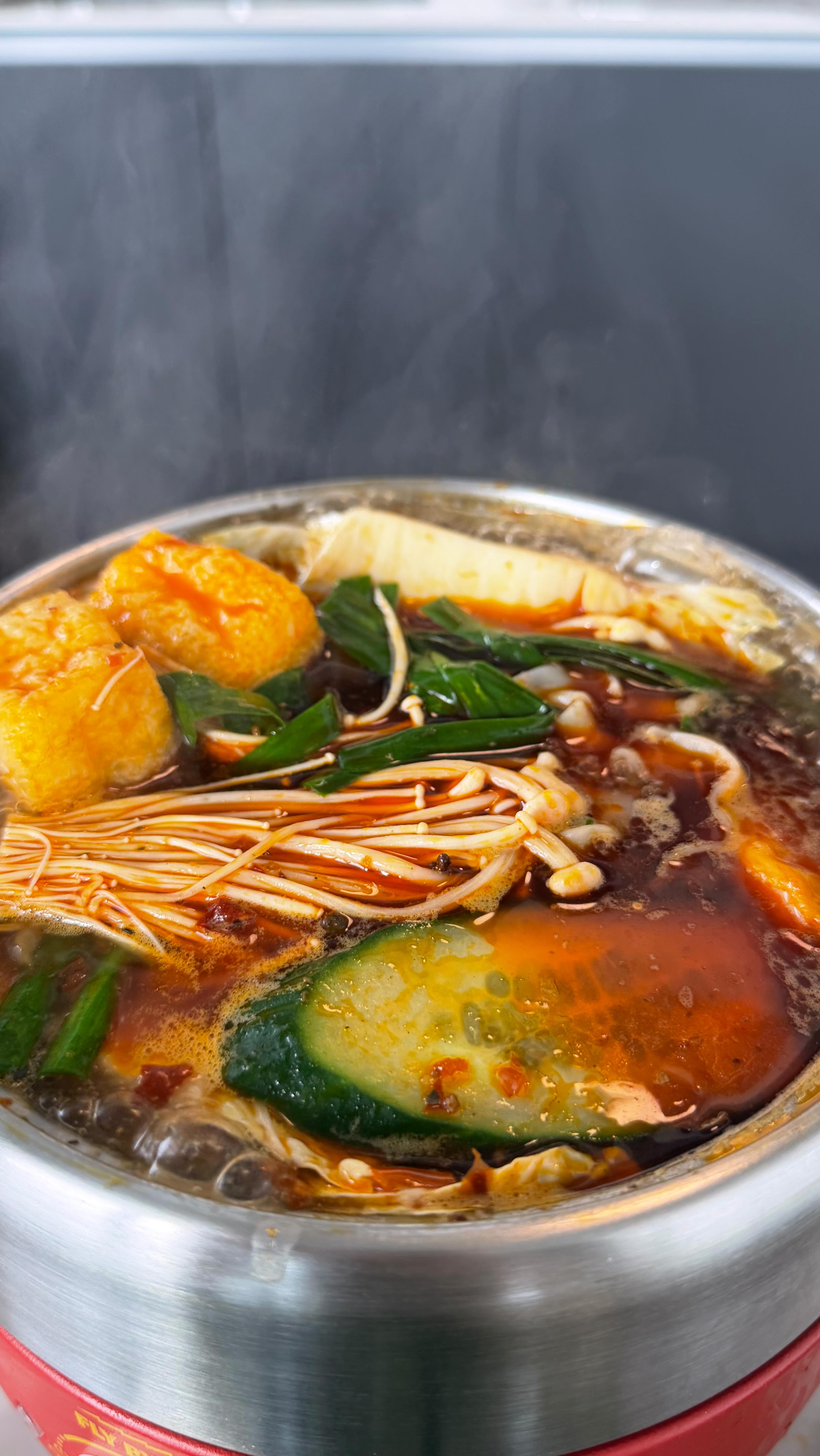 161KOne-pot hot pot recipe tutorial@logansfewd · Tutorial / How To
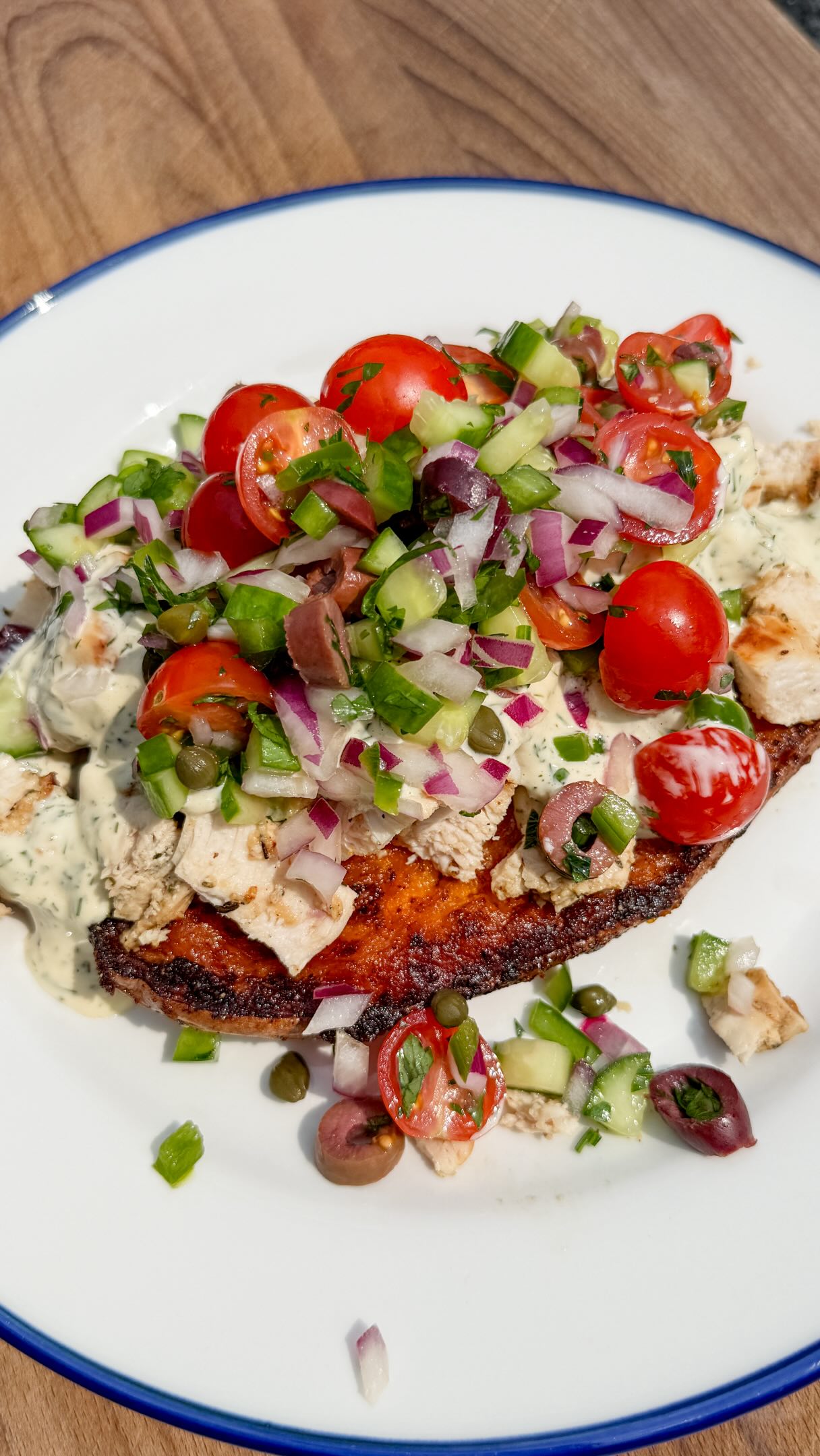 459.1K28.4×Fast-paced recipe creation montage@primal_gourmet · Tutorial / How To
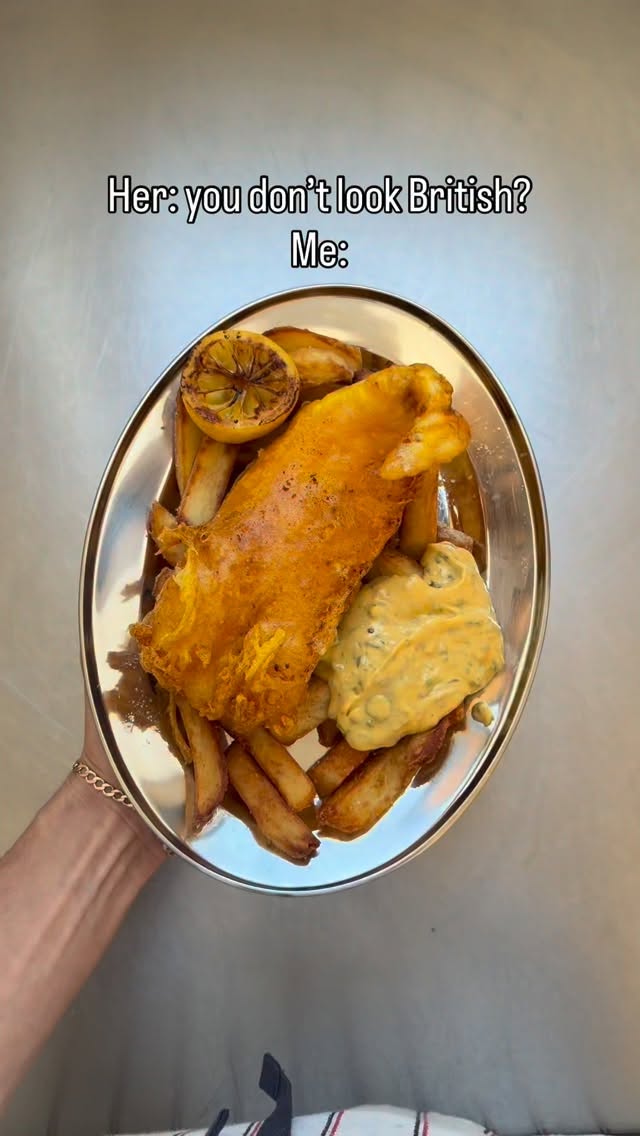 1M1.7×Joke text over cooking process@jctmw · Process
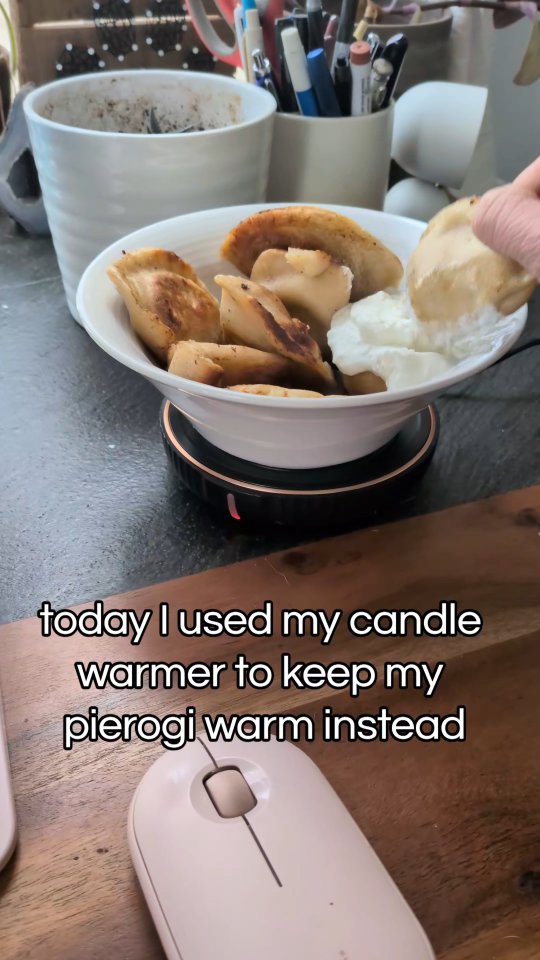 222.6K28.2×Funny candle warmer food hack@jajupierogi · Relatable One Shot
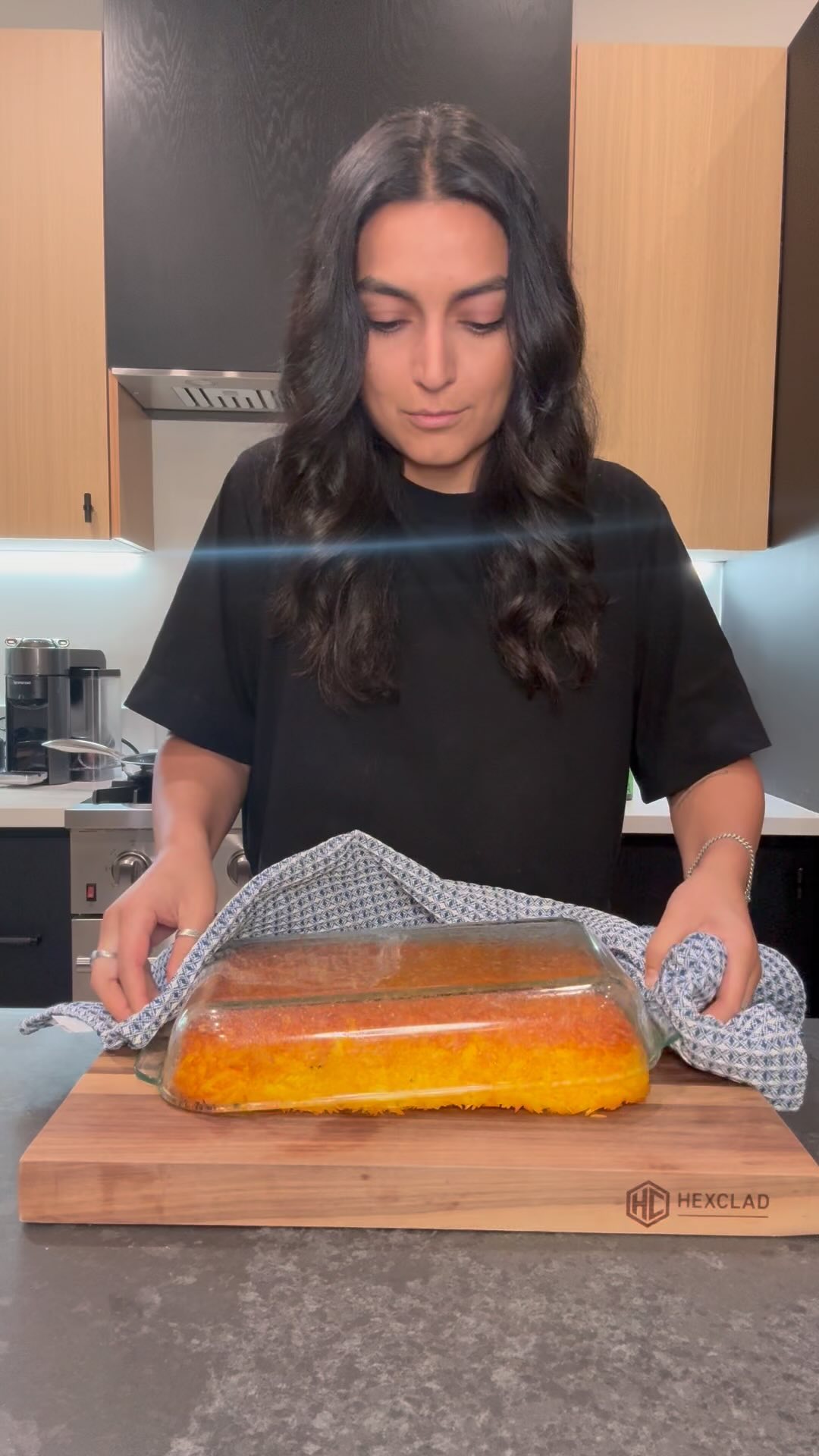 383.4KCooking process with personal narration@zoyaroya · Tutorial / How To
 775K5×Secret ingredient recipe process montage@seattlehanddoc · Process
[04]
[05]
What stops the scroll in the first 3 seconds
Title hook · 25%
For More Tender Fish, Poach in Oil
Verbal hook · 15%
Ow.
Visual hook · 60%
A split screen shows a man sticking his finger into a pot of hot oil and then reacting in pain as he sticks his finger into a pot of hot water, creating immediate curiosity and a pattern interrupt.
[06]
Steal this for your own video
A split screen shows someone touching and then that appear , but only one causes .
[07]
The promise the opener makes, and how the video pays it back
Hook
A shocking or counter-intuitive physical demonstration that defies common knowledge, creating an immediate 'knowledge gap' and a strong desire for an explanation.
Payoff
A multi-layered resolution that not only delivers the promised superior result but also provides a bonus 'hack' and repurposing tip, leaving the viewer feeling smarter, more capable, and fully equipped.
[08]
The structural pattern this video runs on
Framework
The Counter-Intuitive Mastery Method
Demonstrate a surprising, counter-intuitive scientific principle, explain the 'why,' and then apply it to a common activity to achieve a superior, aspirational result.
The Counter-Intuitive Physical Challenge
A physical test comparing two seemingly identical scenarios with drastically different outcomes, immediately violating viewer expectations and creating intense curiosity.
The Explicit Bridge
The presenter directly addresses the viewer's unspoken question ('Why?'), explicitly connecting the strange demonstration to the video's purpose.
The Ultimate Value Proposition
A bold promise is made, framing the upcoming information as a key to achieving mastery or a 'best-ever' result in a relatable skill.
The 'Nerd-Out' Explanation
The scientific or technical principles behind the initial demonstration are explained concisely, providing the intellectual payoff and satisfying the viewer's curiosity.
The 'In-a-Nutshell' Translation
The complex explanation is distilled into a simple, memorable, and actionable rule or takeaway.
The Practical Pivot
The narrative transitions from theory to a real-world application, showing the viewer how to implement the newfound knowledge.
The Micro-Problem & Clever Hack
A small, foreseeable obstacle in the application is introduced and then immediately solved with a clever, unexpected trick, adding a secondary layer of value.
The Method Demonstration
The core process of the application is shown in a clear, step-by-step manner, making the technique feel accessible and repeatable.
The Sensory Payoff
The final result is revealed with a strong focus on sensory details (texture, appearance), visually confirming that the promised superior outcome has been achieved.
The Objection Pre-buttal
A likely viewer concern or skepticism about the method is anticipated, addressed, and debunked with another brief scientific or logical explanation, building trust.
The 'No-Waste' Bonus Loop
A final problem (e.g., waste) is solved by showing how to repurpose a byproduct of the process, delivering a final piece of bonus value and ending on a note of efficiency and cleverness.
Oil has a reputation for high heat and aggressive cooking, but here's the twist: at the same temperature, oil is actually gentler than water, which makes for more tender, flaky fish.
title · beginning
For More Tender Fish, Poach in Oil
contextual · beginning
Ah!
informational · middle
Translation:
Ow. I have a pot of water and a pot of oil here. They're heated to the exact same temperature, 140 degrees. But this finger in the oil feels like it's having a nice day at the spa, while the finger in the water got too hot for me to bear it. Why am I showing you this? Because understanding this difference will help you cook the best fish of your life. A pot of oil requires half as much energy to reach the same temperature as the same volume of water. The oil therefore has less energy to transfer to whatever's in it, whether that's fingers or food. Oil also conducts heat more slowly than water does. Translation, poaching in oil is much gentler than poaching in better, and it gets you really moist and velvety results. This cod is about to transform. I'm going to put about three quarters of a cup of olive oil in a skillet. This might not look like enough oil to cover the fish, but we've got a trick to make it work. This onion half displaces some of the oil, so it comes up higher in the pan. I'm gonna heat the oil to a 180 degrees, add my fish, then slide the skillet into a 250 degree oven. The results better about half an hour are downright restaurant worse, super silky and better. And the fish isn't oily at all, just moist and flavorful. That's because oil can't enter the fish until the fish's juices exit. And since water and oil repel each other, it's difficult for the juices inside the fish to enter the oil. So the juice stays in while the oil stays out. One more thing. While this method requires a lot of oil, we're able to repurpose most of it into a tasty tomato vinaigrette to pour on top of the fish.