@fallowrestaurant
Instagram · Talking Head Edit
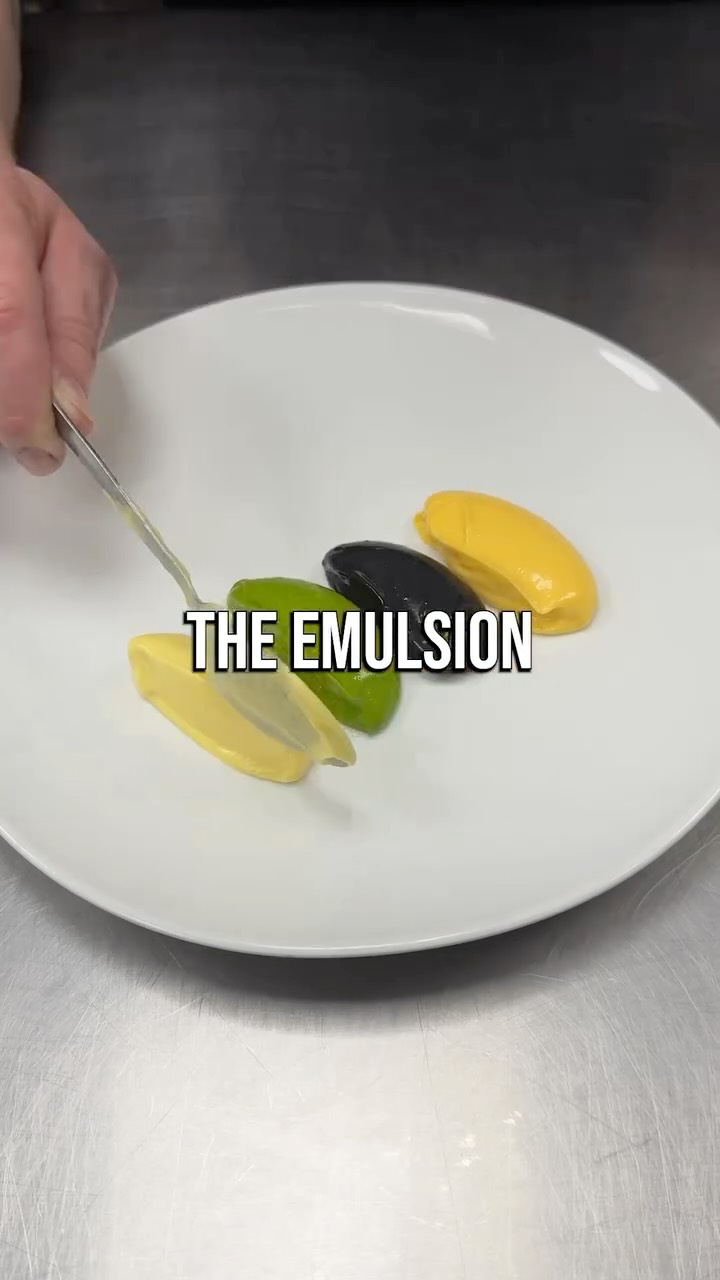
@fallowrestaurant The secret to dressings, dips and sauces all lies in mastering the emulsion 🧪

@fallowrestaurant
Instagram · Talking Head Edit
@fallowrestaurant The secret to dressings, dips and sauces all lies in mastering the emulsion 🧪
Performance
Video #29184 · Talking Head Edit
[01]
The creator explains the scientific concept of an emulsion, defining it as a mixture of immiscible liquids like fat and water. He uses vinaigrette as an example of an unstable emulsion, then introduces emulsifying agents (surfactants) and uses an animated diagram to show how they work at a molecular level. The creator demonstrates making stable emulsions like mayonnaise and other sauces, concluding by showing various culinary applications for dressings, dips, and sauces.
[02]
[03]
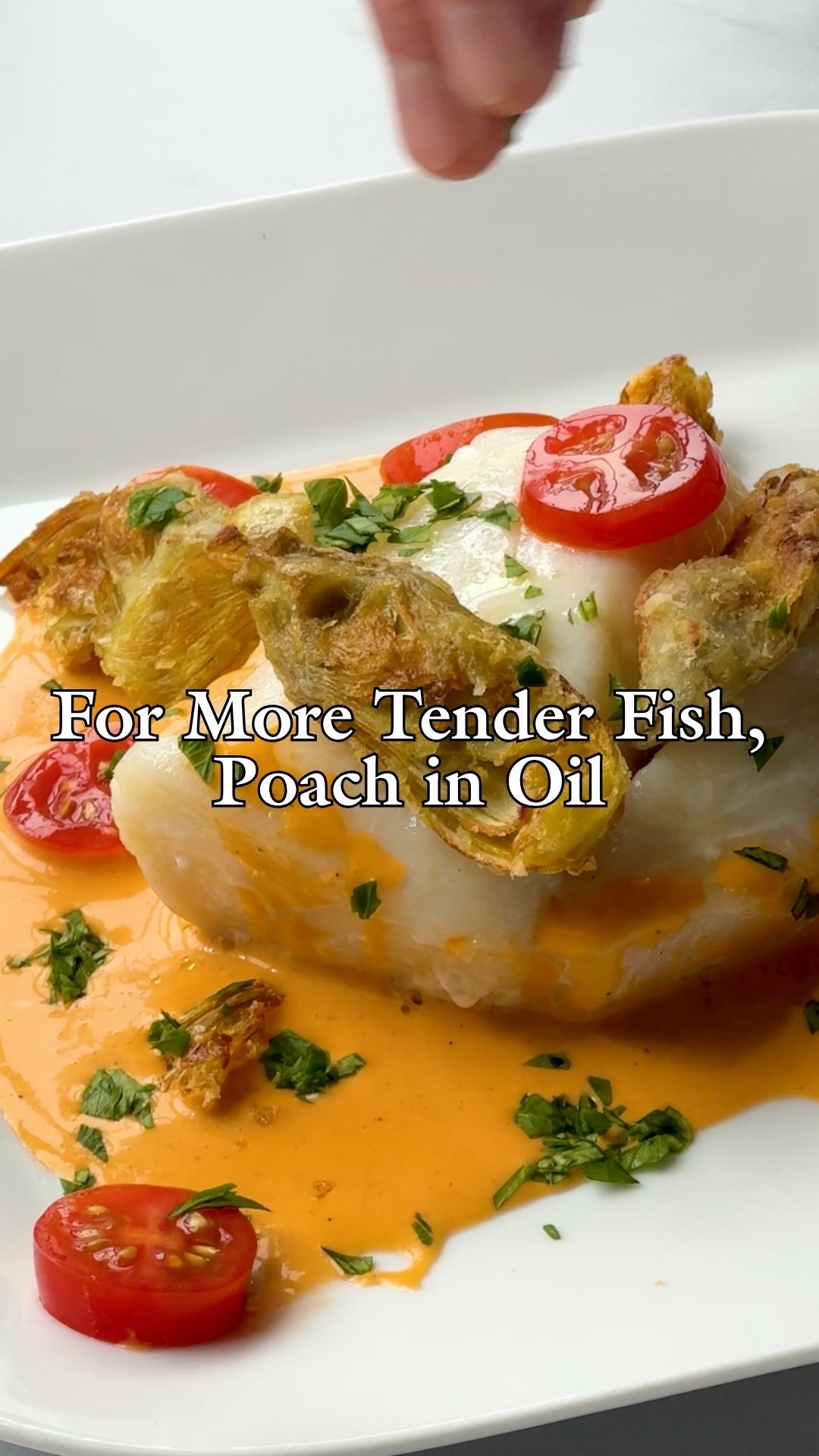 7.5M100.2×Science behind oil poached fish@cooksillustrated · Tutorial / How To
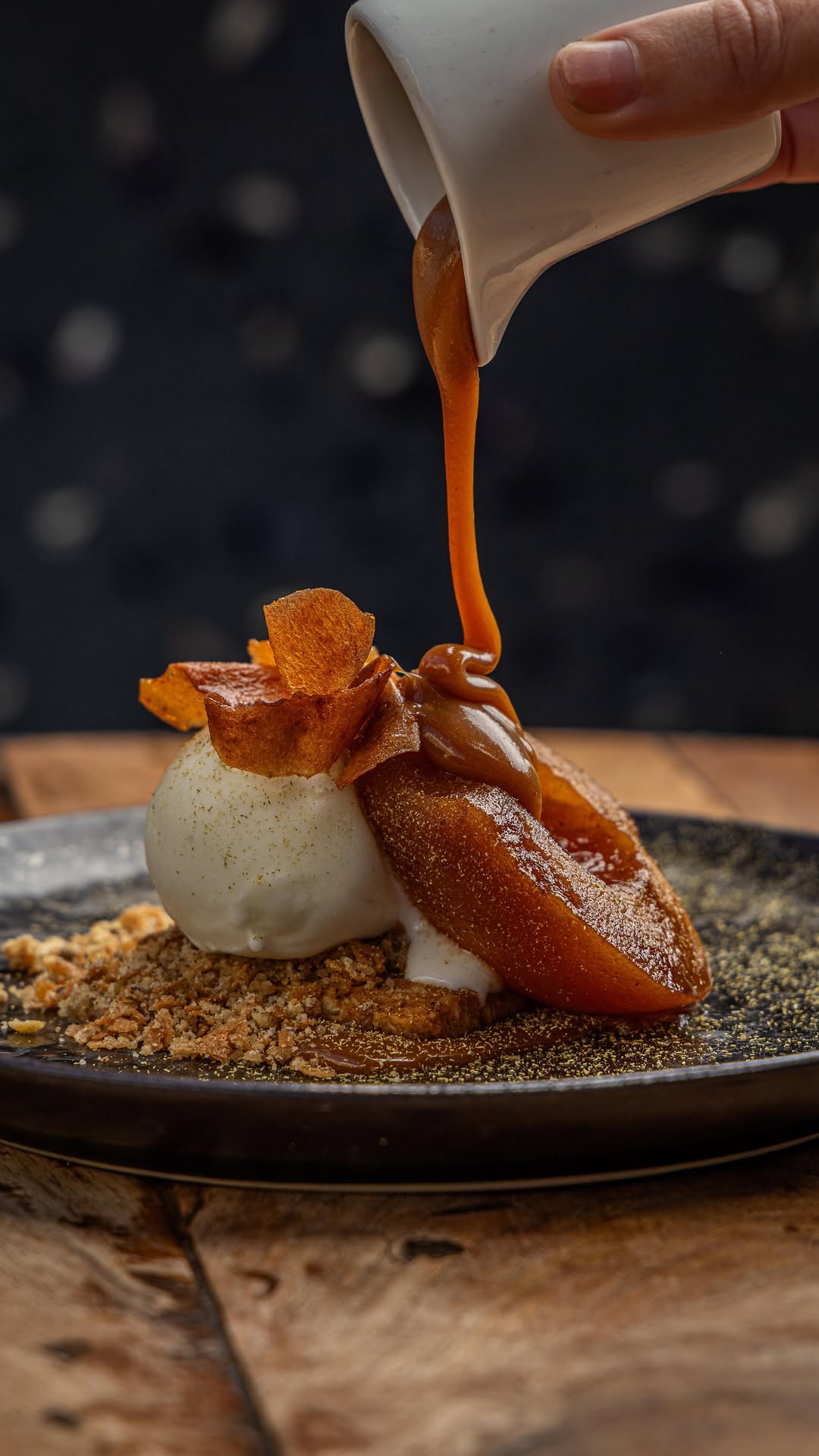 774.9K2.9×Chef explains the science of caramel@fallowrestaurant · Breakdown
 1.2M112.3×Tutorial for three mother sauces@madein · Tutorial / How To
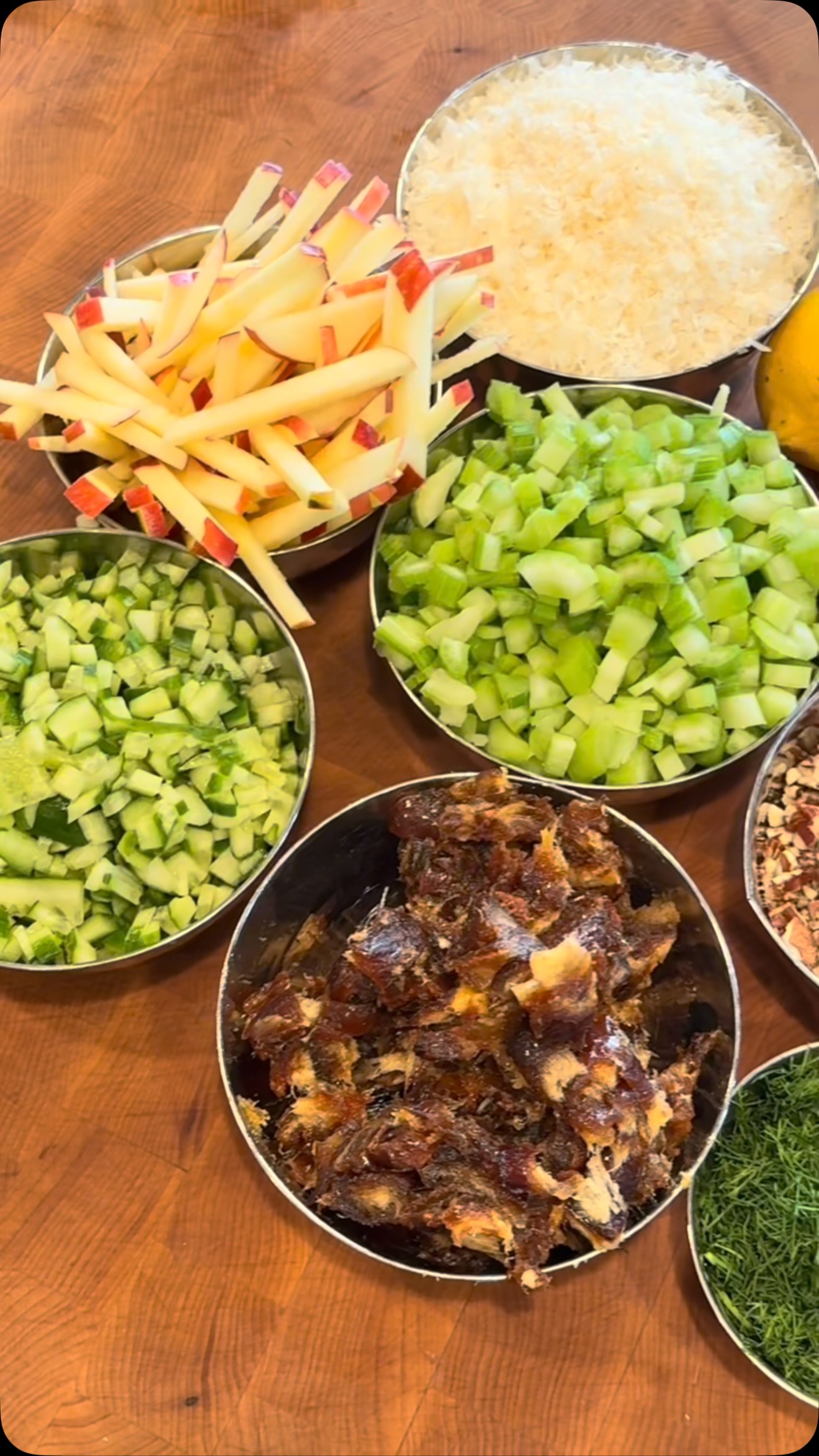 1.1M2.1×Fast-paced recipe montage from scratch@seattlehanddoc · Tutorial / How To
 6.6MBreakfast sandwich egg tutorial@cooksillustrated · Tutorial / How To
 775K5×Secret ingredient recipe process montage@seattlehanddoc · Process
 279.6KVisual analogy for digestive health@alanlinplus · Breakdown
 6.9M185.3×Relatable quote over satisfying process@amber_bees · Relatable One Shot
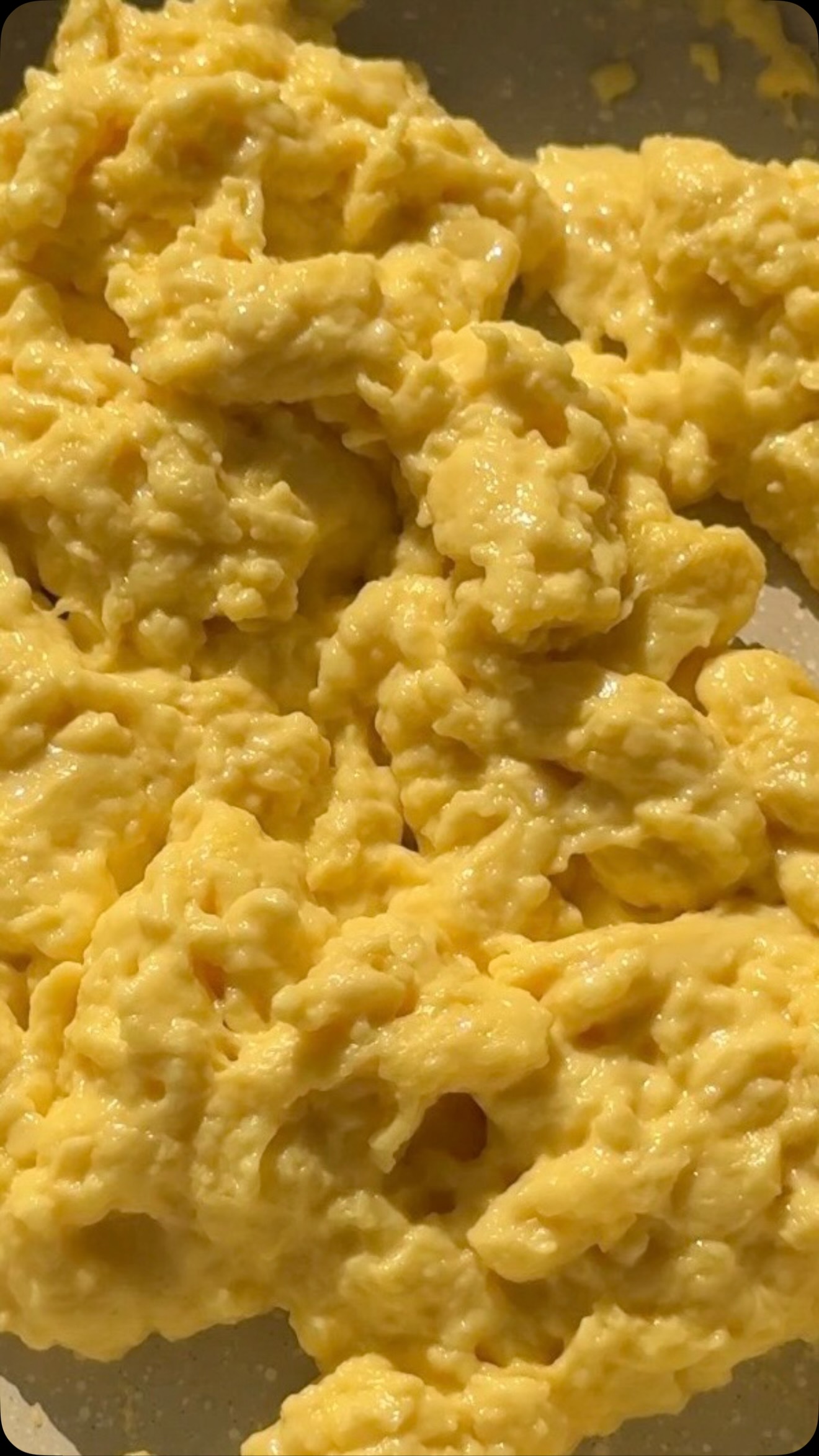 1.7M8.4×Visual proof of vegan product@vegangirlboss · Product Demo
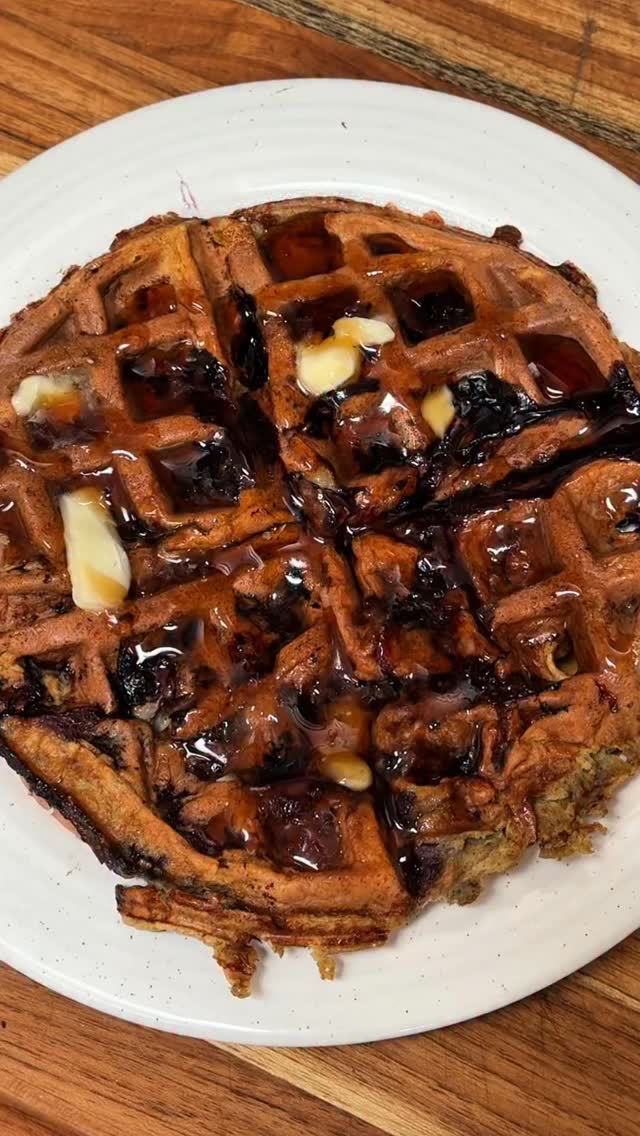 249.2K7.2×Make simple animal based waffles@grantsgrassfed · Tutorial / How To
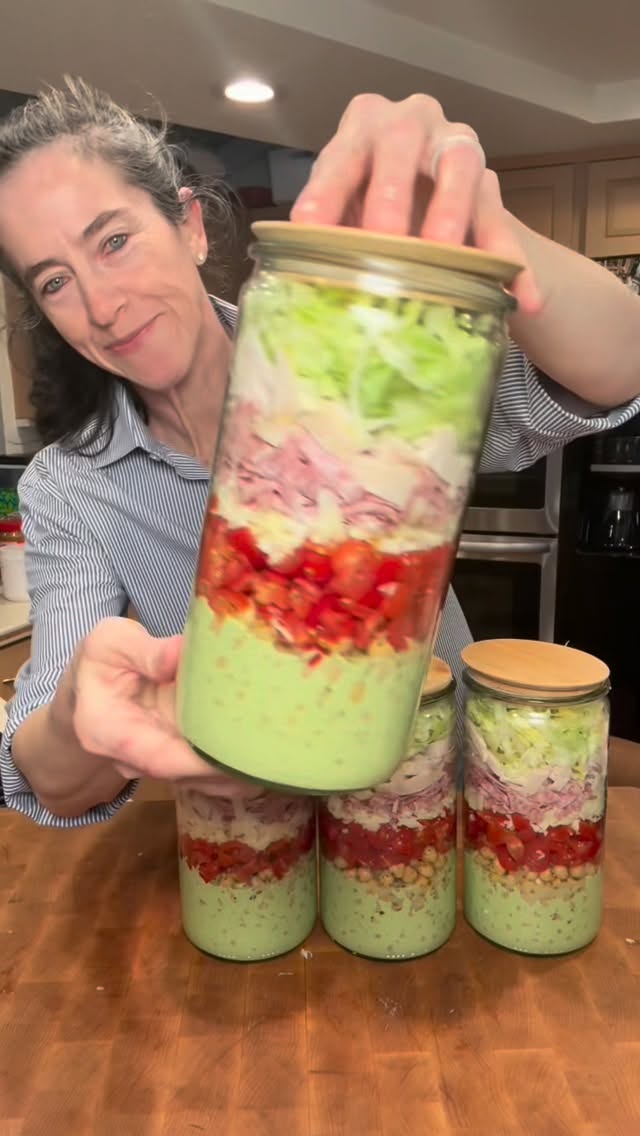 1.4M9.1×Visual recipe meal prep montage@seattlehanddoc · Process
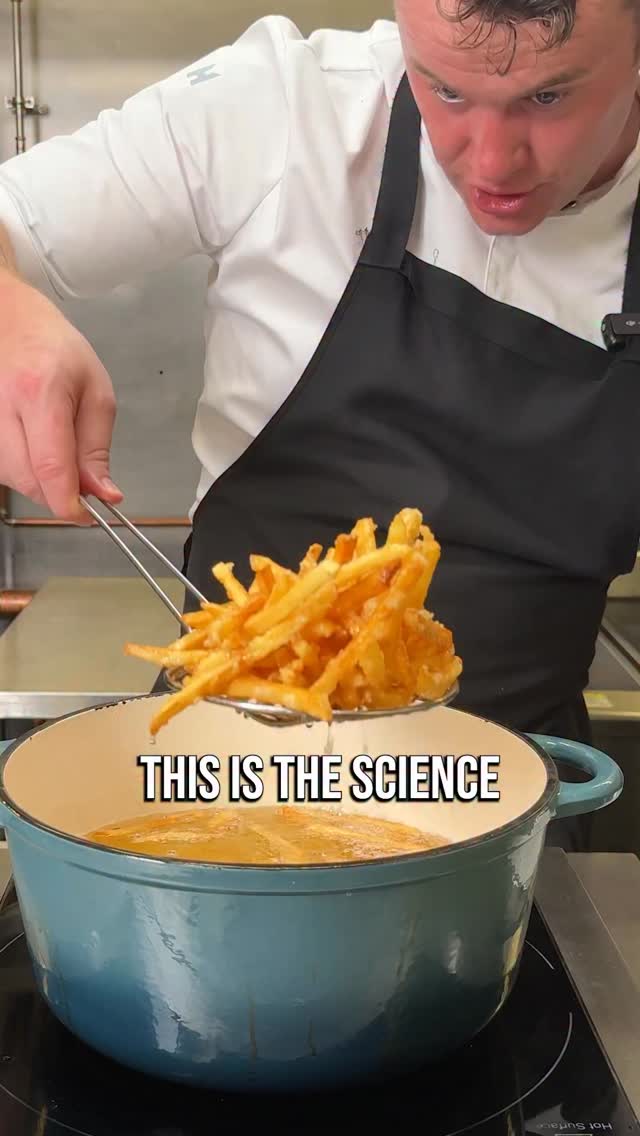 1M1.4×Chef explains perfect fry science@fallowrestaurant · Tutorial / How To
[04]
[05]
What stops the scroll in the first 3 seconds
Title hook · 48%
ONE OF THE MOST
Verbal hook · 47%
One of the most important skills in any professional kitchen is mastering the emulsion.
Visual hook · 5%
A close-up shot of a dark liquid being poured from a red-capped bottle into a clear glass containing a golden oil, creating a visually distinct separation of the two liquids.
[06]
Steal this for your own video
One of the most important skills in is mastering .
[07]
The promise the opener makes, and how the video pays it back
Hook
An authoritative statement that establishes a specific skill or concept as fundamentally important, creating a knowledge gap and promising insider information.
Payoff
A rapid montage showcasing multiple, highly desirable applications of the final result, confirming the hook's initial claim of importance and providing a strong sensory and aspirational reward.
[08]
The structural pattern this video runs on
Framework
The Concept Deconstruction
To establish a complex or professional-level concept as important, break it down into a simple problem, explain the scientific solution, and demonstrate its value through aspirational applications.
The Defining Question
Directly asks and then answers the 'what is it?' question, providing a simple, high-level definition of the core concept.
The Problem Visualization
Uses a common, relatable example to visually demonstrate the inherent conflict or problem that the concept is designed to solve.
The Solution Introduction
Presents the key element or 'secret ingredient' that resolves the previously established conflict, positioning it as the turning point.
The Simplified Science
Uses a simple graphic or animation to explain the underlying mechanism or 'how it works' principle, making a complex idea feel accessible and understandable.
The Practical Demonstration
Shows the concept being put into practice in a real-world scenario, connecting the theoretical explanation to a tangible process and outcome.
The Transformation Rule
Reveals a key characteristic or universal truth about the outcome of the process, giving the viewer a clear takeaway to identify success.
The secret to dressings, dips and sauces all lies in mastering the emulsion 🧪
title · beginning
ONE OF THE MOST
title · beginning
THE EMULSION
title · middle
SURFACTENT
informational · middle
WATER LOVING
informational · middle
FAT LOVING
contextual · middle
MAYONNAISE
contextual · end
DIPS AND SAUCES
One of the most important skills in any professional kitchen is mastering the emulsion. But what is an emulsion? Essentially, it is a combined mixture of two or more ingredients that don't usually mix, in most cases, fat and water. If you think about a classic vinaigrette with vinegar and olive oil, as vinegar is mostly water, naturally, they repel each other. While you could whisk it vigorously, tier would always find a way to separate. However, with the addition of emulsifying agent, otherwise known as a surfactant, these opposing substances can come together in a stable emulsion. In a surfactant, one side is attracted to water and the other side is attracted to fat, basically forming bridges between the fat and water molecules and enabling them to coexist harmoniously. Common surfactants include mustard, egg yolks, or honey. In a standard mayonnaise, both the egg yolks and the mustard work together to bridge this molecular gap between the water content in the lemon juice and the fat in the oil. Once you've got successful emulsion, it's always going to be thicker than either of the substances alone, making it the perfect hat for dressing dips and sauces.