Viral Hooks
Trending short videosYouth sports business model breakdown
D

@dominyckb

Instagram · Talking Head Edit

@dominyckb What if the most premium youth sports product was the one parents didn’t have to pay for? That’s the vision @brianmazza sees for @sportingclubwestchester1984 No training fees. No tournament fees. No club expenses. And players don’t even have to leave their current teams. The model flips one of the fundamental assumptions of elite youth sports: Instead of asking “How much can we charge the athlete?” Ask “How valuable can we make the ecosystem around the athlete?” Remove price as the filter → attract more talent → create better competition → build a stronger brand → attract more sponsors, partners and resources. For decades, we’ve assumed making youth sports better means making them more expensive. We’re betting those two things don’t have to move together. And if the economics work, this could become a very interesting blueprint for the future of elite youth sports. #sports #youthsports #businessideas #gyms #realestate

View original on Instagram

The edit1 shot · 1 text
Shots Text1:23

Performance

Views
258K
Likes
7.8K
Comments
945
Engagement
3.4%
Outlier
74.8×
Length · 24 Aug 2026
1:23

Video #39813 · Talking Head Edit

Youth sports business model breakdownfrom @dominyckb

[01]

Overview

The creator breaks down an innovative "no-pay-to-play" business model for premium youth sports facilities, as conceptualized by entrepreneur Brian Mazza. He contrasts this new approach, which focuses on building a valuable ecosystem around athletes, with the current expensive "pay-to-play" system, explaining how it could create a flywheel effect to attract top talent and build a legacy brand.

[02]

Simple outline

  1. 1Pose a radical counter-narrative
  2. 2Deconstruct the flawed status quo
  3. 3Explain the new model's flywheel
  4. 4Reveal the true economic engine

[03]

Related videos

[04]

Classification

Concepts
Opportunity ExplainerCase Study Breakdown
Elements
B-Roll CutawayPicture-in-PictureTitle Text HookEngagement CTA

[05]

Hook analysis

What stops the scroll in the first 3 seconds

Title hook · 55%

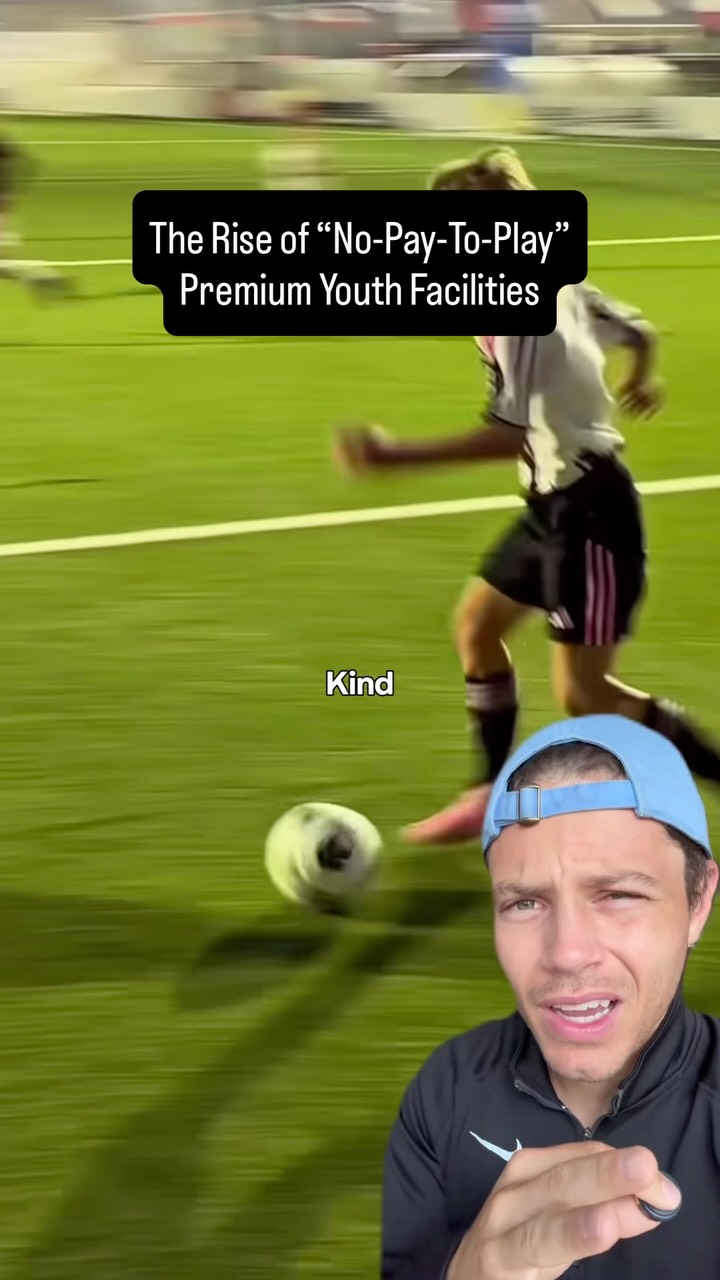
The Rise of “No-Pay-To-Play” Premium Youth Facilities

Verbal hook · 30%

This is a new level of insanity.

Visual hook · 15%

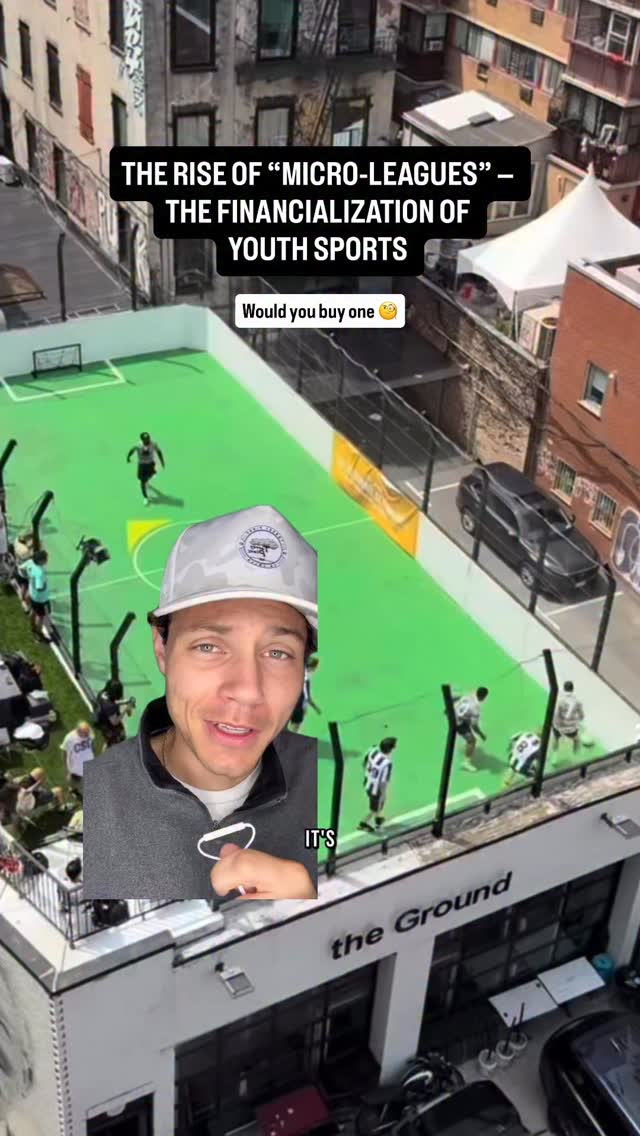
Fast-paced B-roll footage of a youth soccer game being played at night under bright stadium lights, with the creator's face overlaid in a small circle, creating immediate motion and visual layers.

[06]

Hook template

Steal this for your own video

The Rise of [disruptive model] in [traditional industry]

  • — The Rise of 'No-Mortgage' Homeownership in Real Estate
  • — The Rise of 'No-Tuition' Premium Education in Private Schooling
  • — The Rise of 'No-Commission' Luxury Brokerage in High-End Sales

[07]

Hook and payoff

The promise the opener makes, and how the video pays it back

Hook

An extreme, almost unbelievable statement that frames the topic as a revolutionary or insane idea, immediately creating a strong curiosity gap.

Payoff

A powerful, concluding thesis that summarizes the entire paradigm shift in a single, memorable statement, followed by a direct call to action to engage with the concept.

[08]

Narrative framework

The structural pattern this video runs on

Framework

The Paradigm Shift Blueprint

To deconstruct a widely accepted industry norm by introducing a radical, counter-intuitive alternative, and then systematically revealing the hidden logic and business model that makes it viable, thereby reframing the audience's entire perspective.

  1. 1

    The Visionary & The Vision

    Introduce the authority figure behind the new idea and state the core concept in its simplest, most disruptive form. This grounds the abstract idea and establishes its initial premise.

  2. 2

    The Old World Problem

    Clearly articulate the pain points and limitations of the current, widely accepted system. This establishes the 'villain' or problem that the new vision aims to solve, creating audience buy-in.

  3. 3

    The New Model's Logic

    Explain the fundamental principle that allows the new model to work. This often involves describing a positive feedback loop or 'flywheel effect' that demonstrates its potential for sustainable growth and superiority.

  4. 4

    The Economic Revelation

    Unveil the hidden or non-obvious mechanism that makes the new model financially viable. This is the 'aha!' moment that resolves the audience's primary skepticism and provides intellectual satisfaction.

Themes

  • Innovation
  • Business Strategy
  • Accessibility in Sports
  • Economic Disruption

Techniques

  • B-Roll Cutaway
  • Picture-in-Picture
  • Direct-to-camera narration

Post caption

What if the most premium youth sports product was the one parents didn’t have to pay for? That’s the vision @brianmazza sees for @sportingclubwestchester1984 No training fees. No tournament fees. No club expenses. And players don’t even have to leave their current teams. The model flips one of the fundamental assumptions of elite youth sports: Instead of asking “How much can we charge the athlete?” Ask “How valuable can we make the ecosystem around the athlete?” Remove price as the filter → attract more talent → create better competition → build a stronger brand → attract more sponsors, partners and resources. For decades, we’ve assumed making youth sports better means making them more expensive. We’re betting those two things don’t have to move together. And if the economics work, this could become a very interesting blueprint for the future of elite youth sports. #sports #youthsports #businessideas #gyms #realestate

Text overlays

  • title · beginning

    The Rise of “No-Pay-To-Play” Premium Youth Facilities

Transcript

This is a new level of insanity. Kinda thought it was a joke. Imagine private equity investing now 40,000,000,000 into youth sports just for Brian Mazza to happen. Brian is a fitness entrepreneur and part of the ownership group in Bruntley and La Liga tier Espanol. I asked Brian if you were to open up a facility today for youth sports, what do you do? And the concept he explained blew my mind. The whole model good be built around premium, no pay to play. Whether it's training or tournament fees, all club related expenses are covered. Families, you pay nothing. The one that kills me, though, is that players don't even have to leave their clubs. Let me explain. Lead training and competition will give them access to resources they could have never had before, and there's something really cool about that because most of these models put a financial burden on the family. Want better coaching? Want more scholarships? Pay, pay, pay, which means your talent pool is thus limited by your ability to pay. Brian's thought is to remove price as the filter and let talent be it. And if you do that right, the interesting thing here is this becomes a flywheel. Better players create better competition, and better competition creates a legacy brand. So instead of asking how much can we make off this kid, the question has now turned to how valuable of an ecosystem we can create around the kid. And the spooky part here is if you do this right, you shift the economics off the kid entirely. The ecosystem around this for brands alone is going to be invaluable, which is why the most premium product in youth sports today might be the one that athletes don't pay for at all. If you're interested in this model, make sure to comment, connect down below, and send this to a family that needs to see it.

Youth sports business model breakdown | Viral Hooks