Viral Hooks
Trending short videosExplains surprising history of beer
M

@migo_beer

TikTok · Greenscreen Talking Head

@migo_beer Modelo and Corona aren't truly Mexican because German, Austrian, and Swiss immigrants created Mexican lager by adapting Vienna lager with corn in the 1800s. Spanish businessmen opened breweries and hired German brewmasters who made lighter, crisper versions of German style beers. Corona, Modelo, and Dos Equis all originated from breweries with German brewmasters before Mexicans took over in the 1930s and 1940s. #cerveza #beer #mexico #modelo #corona

View original on TikTok

The edit1 shot · 2 text
Shots Text0:27

Performance

Views
64.8K
Likes
3.5K
Comments
103
Engagement
5.6%
Length · 5 Jan 2026
0:27

Video #40004 · Greenscreen Talking Head

Explains surprising history of beerfrom @migo_beer

[01]

Overview

The creator makes the provocative claim that popular Mexican beers aren't truly Mexican and proceeds to explain the history. He details how German, Austrian, and Swiss immigrants introduced Vienna-style lagers to Mexico in the 1800s, which were then adapted with local corn to create the lighter Mexican lager style, and notes that the original breweries for brands like Corona and Modelo employed German brewmasters.

[02]

Simple outline

  1. 1Challenge common knowledge
  2. 2Explain historical catalyst
  3. 3Detail the innovation
  4. 4Connect to modern examples

[03]

Related videos

[04]

Classification

Concepts
Strange but TrueBreakdownOrigin Story
Elements
Image OverlayTitle Text Hook

[05]

Hook analysis

What stops the scroll in the first 3 seconds

Title hook · 55%

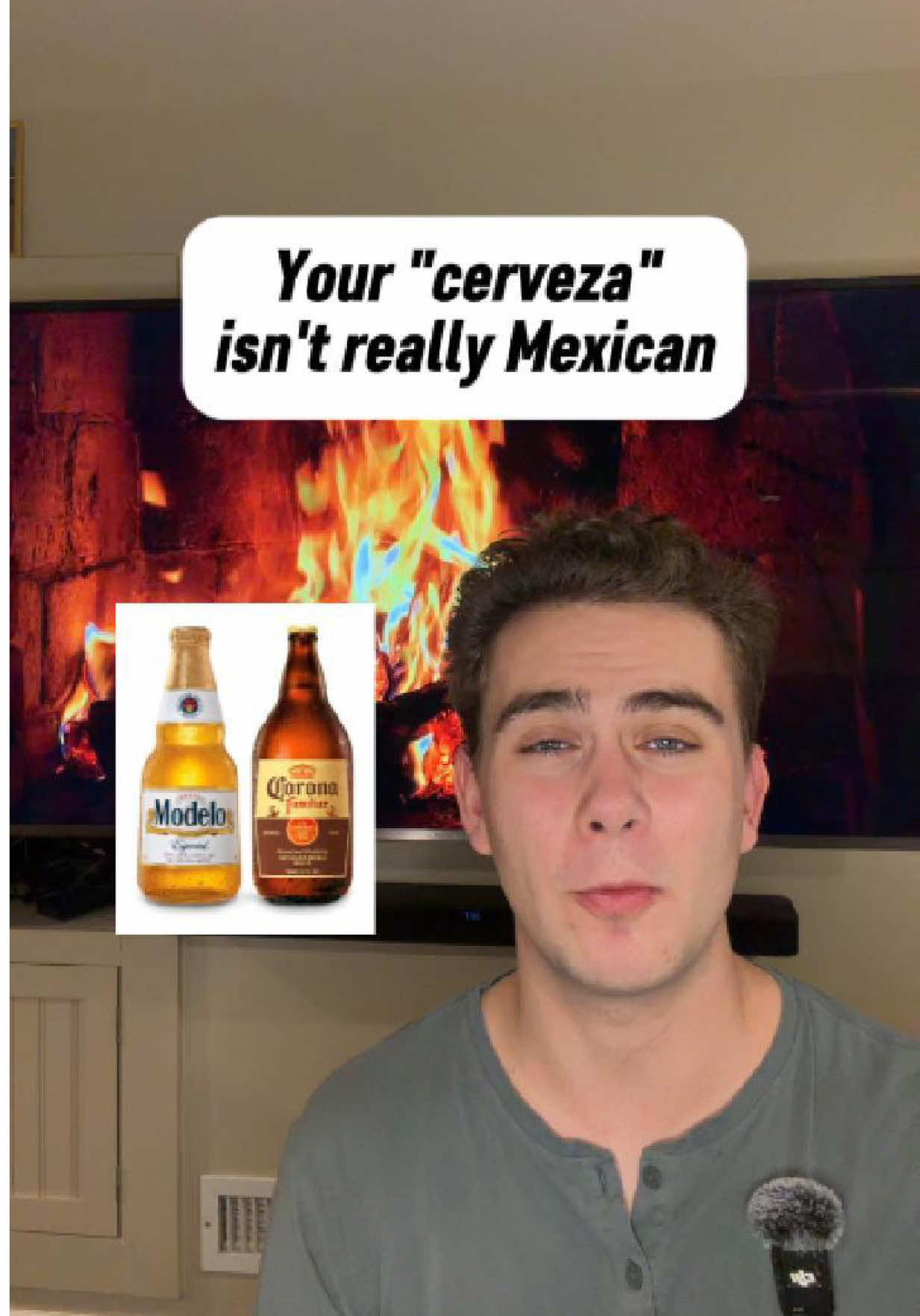
Your "cerveza" isn't really Mexican

Verbal hook · 40%

Odello and Corona aren't really Mexican, and here's why.

Visual hook · 5%

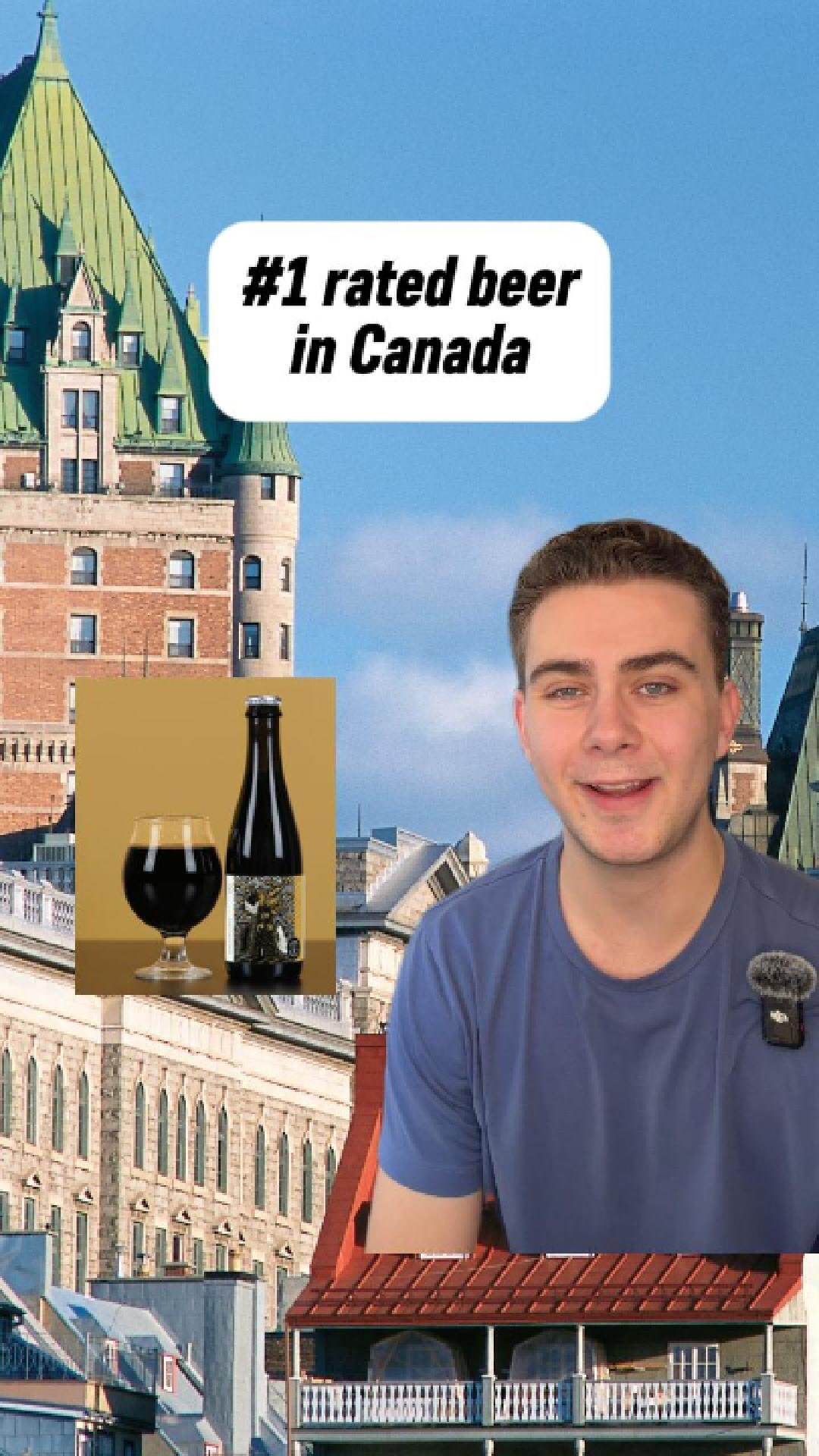
A speaker is positioned in front of a large screen showing a crackling fireplace, with an image overlay of Modelo and Corona beer bottles appearing next to him.

[07]

Hook and payoff

The promise the opener makes, and how the video pays it back

Hook

A provocative, counter-intuitive statement that challenges a widely held belief, immediately creating a curiosity gap and promising a revelation.

Payoff

The viewer is rewarded with 'secret knowledge' that re-frames their understanding of a familiar topic, providing a feeling of intellectual satisfaction and a shareable piece of trivia.

[08]

Narrative framework

The structural pattern this video runs on

Framework

The Secret History Framework

To deconstruct a common belief about a popular subject by revealing its surprising, often multicultural, origin story through a concise historical narrative.

  1. 1

    The Historical Baseline

    Establishes the 'before' state of the subject, providing the necessary context for the change that is about to be introduced.

  2. 2

    The External Catalyst

    Introduces the outside influence (e.g., people, technology, an event) that disrupted the status quo and initiated a transformation.

  3. 3

    The Fusion Formula

    Details the specific process of innovation, explaining how existing elements were combined with new ones to create a novel outcome.

  4. 4

    The New Creation Defined

    Clearly defines the characteristics of the resulting creation, contrasting it with what came before.

  5. 5

    The Legacy Connection

    Connects the historical narrative directly to recognizable, modern examples, thereby proving the hook's initial claim.

  6. 6

    The Cultural Adoption

    Adds a final layer of nuance by explaining how the creation was eventually adopted, mastered, and evolved by the culture it is now famously associated with.

Themes

  • Cultural history
  • Food origins
  • Myth-busting

Techniques

  • Direct address
  • Visual aids

Trends

  • Historical deep dive
  • Surprising facts

Post caption

Modelo and Corona aren't truly Mexican because German, Austrian, and Swiss immigrants created Mexican lager by adapting Vienna lager with corn in the 1800s. Spanish businessmen opened breweries and hired German brewmasters who made lighter, crisper versions of German style beers. Corona, Modelo, and Dos Equis all originated from breweries with German brewmasters before Mexicans took over in the 1930s and 1940s. #cerveza #beer #mexico #modelo #corona

Text overlays

  • title · beginning

    Your "cerveza" isn't really Mexican

  • contextual · beginning

    Corona aren't

Transcript

Odello and Corona aren't really Mexican, and here's why. Beer wasn't popular in Mexico until Spanish rule in the eighteen hundreds. German, Austrian, and Swiss immigration made beer more common in Mexico, and Spanish businessmen opened breweries and hired them. They took the Vienna lager, added corn because it was cheap and abundant, and created the Mexican lager, which was a lighter, crisper, and drier version of German style beers. Corona, Modelo, and Dos Equis all originated from breweries that employed German brewmasters and were later run by Mexicans in the thirties and forties who learned from them.

Explains surprising history of beer | Viral Hooks