@life.withkeri
Instagram · Yap
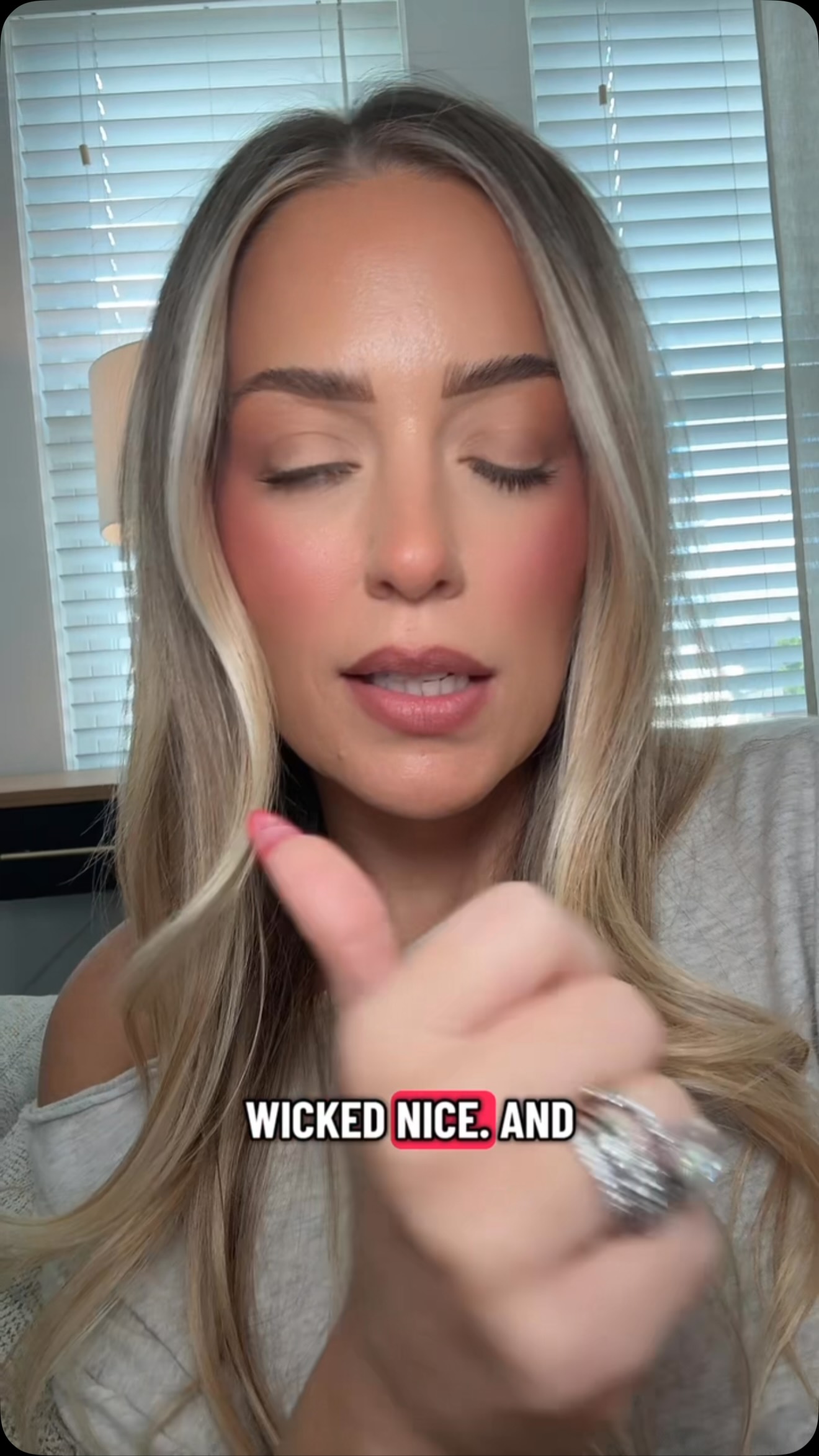

@life.withkeri
Instagram · Yap
Performance
Video #41656 · Yap
[01]
The creator delivers a direct-to-camera monologue, instructing the viewer that if they are going to tell a story about her being a 'bitch,' they must include the full context. She outlines the chronological progression of events: starting with her being nice, then observing the other person's negative behavior, confronting them about it, and only then reacting in a way that might be perceived as harsh. She concludes by emphasizing the importance of starting the story from the beginning and not in the middle.
[02]
[03]
 1.3MShort relatable talking head yap@life.withkeri · Hot Take
 551.8K122.9×Rant about contrarian friends@life.withkeri · Cultural Rant
 685K43.1×Blunt advice for personal branding@sarahhguerra_ · Hot Take
 659.7K2.4×Energetic monologue against haters@oldfashonedhussle · Cultural Rant
 269.2K193.1×Controversial relationship advice talking head@skyfisherforsky · Anecdotal Philosophy
 1.7M41.4×Monologue on dealing with manipulators@jrp.co · Vulnerable Monologue
 628.5K61.5×Car monologue about losing respect@sensei.nick · Anecdotal Philosophy
 502.8K32.4×Direct to camera mindset advice@viralclubhouse_ · Motivational Mantra
 1.6M18.3×Tough love advice for organization@amandanelz · Hot Take
 8.5MMoody outdoor mindset advice monologue@tonito.rt · Motivational Mantra
 447.9K11.8×Direct speech on women's resilience@viralclubhouse_ · Motivational Mantra
 147.5K7.8×Relationship advice using food analogy@couldbaret · Analogical Definition
[04]
[05]
What stops the scroll in the first 3 seconds
Title hook · 35%
IF YOU'RE GONNA
Verbal hook · 60%
If you're gonna tell the story of when I was a bitch, just make sure that you go back to the beginning of the story where I was wicked nice.
Visual hook · 5%
A medium close-up of the speaker looking directly into the camera, using expressive hand gestures to emphasize her points from the start.
[06]
Steal this for your own video
If you're gonna tell the story of me being , make sure you start from the beginning — when I was .
[07]
The promise the opener makes, and how the video pays it back
Hook
Directly addresses an implied antagonist by referencing a negative label they've applied to the speaker, immediately establishing a relatable conflict and a promise to set the record straight.
Payoff
Redefines the initial negative label, framing it not as a character flaw but as the direct and earned consequence of the antagonist's actions. It concludes by reinforcing the initial demand to tell the complete, contextualized story.
[08]
The structural pattern this video runs on
Framework
The Justification Arc
To reframe a negative perception by presenting a chronological sequence of events that justifies it as a logical and necessary reaction to a specific catalyst, thereby seizing control of the narrative.
The Rule of Context
Establishes a non-negotiable condition for telling the story: it must start at the absolute beginning, positioning the speaker as the authority on the 'true' narrative.
The 'Before' Baseline
Describes the speaker's initial positive or neutral state, establishing a baseline of good faith and cooperative behavior before the conflict began.
The Observational Shift
Pinpoints the turning point where the speaker transitioned from passive interaction to actively noticing and analyzing the antagonist's negative behavior.
The Confrontational Act
Details the specific action the speaker took to address the observed behavior, identifying this as the direct trigger for the subsequent conflict.
If you're gonna tell the story of when I was a bitch, just make sure that you go back to the beginning of the story where I was wicked nice. And then I was nice, and then I started to, like, clock your behavior. And then I then I called you out on it, and that's when I became a bitch. Don't start in the middle of the story. Back it on up to the beginning. Tell the full thing, girl. Tell the full thing.