Viral Hooks
Trending short videosPersonal grief story critiques society.
I

@isabelgeorginataylor

Instagram · Vlog

@isabelgeorginataylor TW suicide. You never expect to be writing a post like this, and then one day you are. We can’t ever foretell what’s round the corner, neither can we foretell how we will deal with it and cope when it does. What this has taught me is that none of us are ever actually that far away from not wanting to be here or feeling our only way to cope is with behaviours that could lead to that. With the state of the world and the increasing hyper-individualisation, now more than ever it’s easy to feel as if no one cares, no one understands, and there is no way out of the situation you are in. If we can support someone by not just looking at how their thoughts are ‘distortions’ or that they must have a ‘disorder’ and instead by ‘what experience in life is this an understandable reaction to?’ we might have a better chance at reducing the 720,000 a year that decide this is the only option. The fact that 73% of suicides happen in low-middle income countries, should be enough to highlight the greater systemic issues at play when it comes to this topic. The entire month of September is dedicated to raising awareness about suicide prevention. Hotlines if you need help now: 1018 in Greece 116123 in the UK 988 in the US & Canada

🤍

View original on Instagram

The edit1 shot · 0 text
Shots1:04

Performance

Views
233.2K
Likes
13.3K
Comments
354
Engagement
5.9%
Outlier
43.2×
Length · 9 Sept 2026
1:04

Video #41773 · Vlog

Personal grief story critiques society.from @isabelgeorginataylor

[01]

Overview

The creator shares her personal experience of losing her best friend to suicide and her brother shortly after. As a therapist, she reflects on how her professional training was inadequate for the reality of grief, particularly the societal pressure to continue working and functioning normally. She critiques the tendency to individualize mental health issues and blame the person, suggesting a need to examine and regulate the broader societal systems that contribute to distress.

[02]

Simple outline

  1. 1Declare a personal vulnerability
  2. 2Introduce a conflicting identity
  3. 3Expose a systemic friction
  4. 4Deliver a paradigm-shifting thesis

[03]

Related videos

[04]

Classification

Format
Concepts
Vulnerable MonologueAnecdotal Philosophy
Elements
VoiceoverMontage EditingMood Music

[05]

Hook analysis

What stops the scroll in the first 3 seconds

Verbal hook · 45%

My name is Isabel, and this is Alice, my best friend who we lost to suicide at the beginning of this year.

Visual hook · 55%

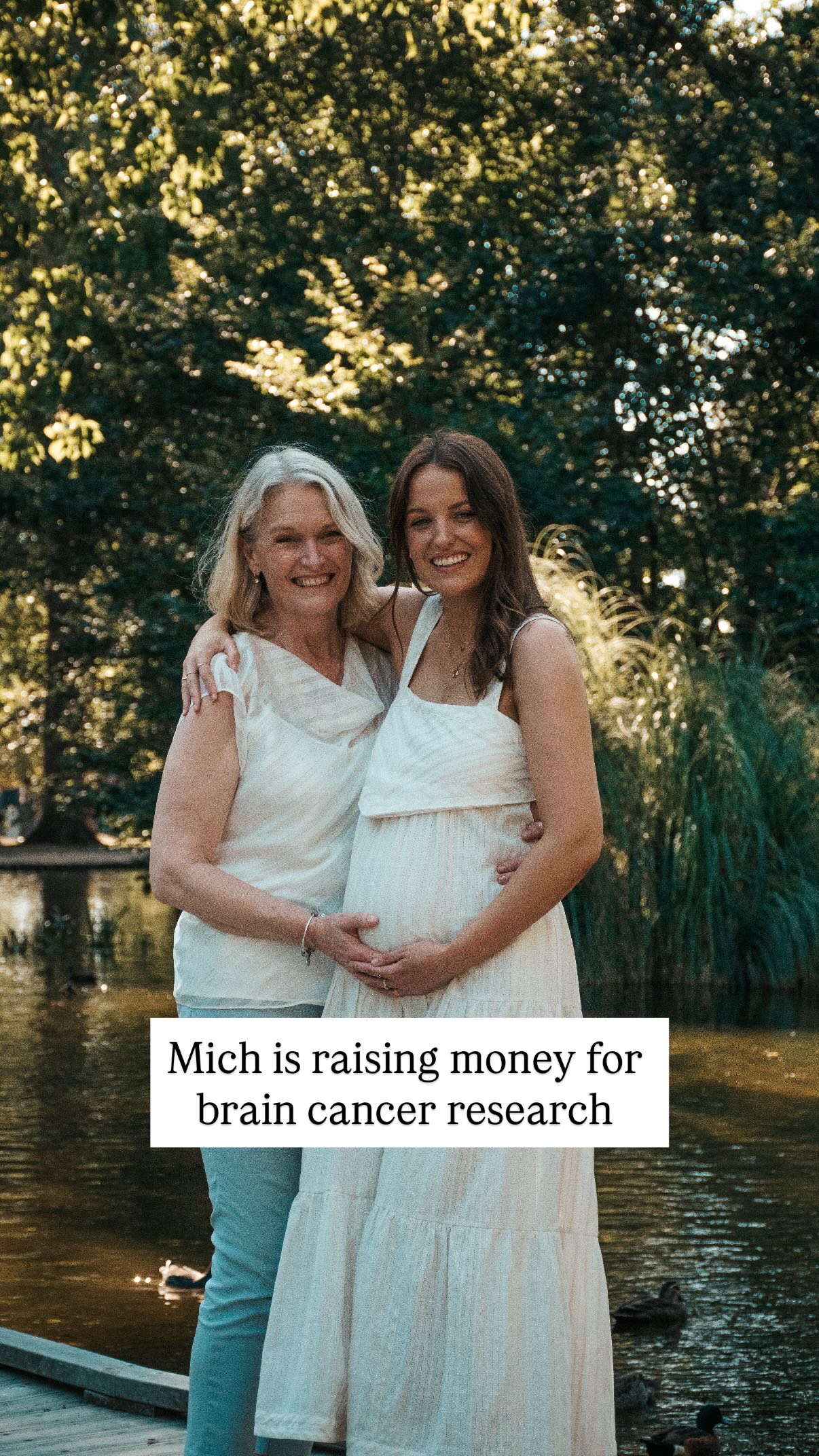
An intimate shot of two women smiling together outdoors during sunset, establishing a personal and emotional connection.

[07]

Hook and payoff

The promise the opener makes, and how the video pays it back

Hook

The Personal Tragedy Declaration: Immediately establishes high emotional stakes and vulnerability by revealing a profound personal loss, compelling the viewer to listen.

Payoff

The Thesis Reveal: The narrative culminates in a powerful, concise thesis that reframes the entire problem, shifting the focus from individual failing to a flaw in the wider system, providing the viewer with a new, shareable perspective.

[08]

Narrative framework

The structural pattern this video runs on

Framework

The Systemic Reframe

The narrative uses a deeply personal story of struggle to deconstruct a commonly held belief about individual responsibility, ultimately reframing the problem as a systemic issue.

  1. 1

    The Identity Paradox

    The narrator reveals a professional or personal identity that creates an ironic conflict with their stated vulnerability, establishing an internal struggle (e.g., 'I'm a financial advisor who is broke').

  2. 2

    The Invalidation of Expertise

    The narrator subverts the expectation set by their identity, explaining why their specialized knowledge or tools are insufficient against the harsh, practical realities of their situation.

  3. 3

    The Unyielding System

    The conflict is externalized by highlighting how societal or systemic pressures (work, finances, social expectations) are indifferent to the narrator's personal struggle, creating a relatable point of friction.

  4. 4

    The Misplaced Blame

    The narrator pivots from their personal story to a broader critique, identifying how the system incorrectly places blame on the individual for their struggles, citing common but flawed advice or mindsets.

Themes

  • Grief and loss
  • Societal pressure
  • Mental health systems
  • Personal vulnerability

Techniques

  • Voiceover narration
  • Montage editing
  • Personal storytelling

Post caption

TW suicide. You never expect to be writing a post like this, and then one day you are. We can’t ever foretell what’s round the corner, neither can we foretell how we will deal with it and cope when it does. What this has taught me is that none of us are ever actually that far away from not wanting to be here or feeling our only way to cope is with behaviours that could lead to that. With the state of the world and the increasing hyper-individualisation, now more than ever it’s easy to feel as if no one cares, no one understands, and there is no way out of the situation you are in. If we can support someone by not just looking at how their thoughts are ‘distortions’ or that they must have a ‘disorder’ and instead by ‘what experience in life is this an understandable reaction to?’ we might have a better chance at reducing the 720,000 a year that decide this is the only option. The fact that 73% of suicides happen in low-middle income countries, should be enough to highlight the greater systemic issues at play when it comes to this topic. The entire month of September is dedicated to raising awareness about suicide prevention. Hotlines if you need help now: 1018 in Greece 116123 in the UK 988 in the US & Canada

🤍

Transcript

My name is Isabelle and this is Alice, my best friend who we lost to suicide at the beginning of this year. And this is Philip, my better, who we also lost just a few months later. Now I'm a therapist, so obviously I'm meant to know what to do, I'm meant to have the tools, how to help people who feel bad, how to even stop this happening. And the funny thing is is that I realized through this whole experience, it's not about the tools. It's not about what my professors said to do and not do at university. It's about that I've had to go back to work because I have bills to pay that aren't gonna be paused just because I'm really, really sad. It's that five months after losing my brother, I'm expected to be the same as I was before. I'm expected to function the same as I could function before. It's about that most people don't know what to say, and even if they do, they don't have the time to say it because they also have bills to pay. And sometimes I wonder if we're looking at the wrong source, that we're so quick to blame the individual and find a way to fix how they feel, we say that they're not manifesting hard enough, or they don't have an abundance mindset, or they're just being negative, and they're not regulated enough, because it's always regulate your nervous system, and never regulate the wider systems that we exist in.


Personal grief story critiques society. | Viral Hooks