@bitterbuilds
Instagram · Speaker address
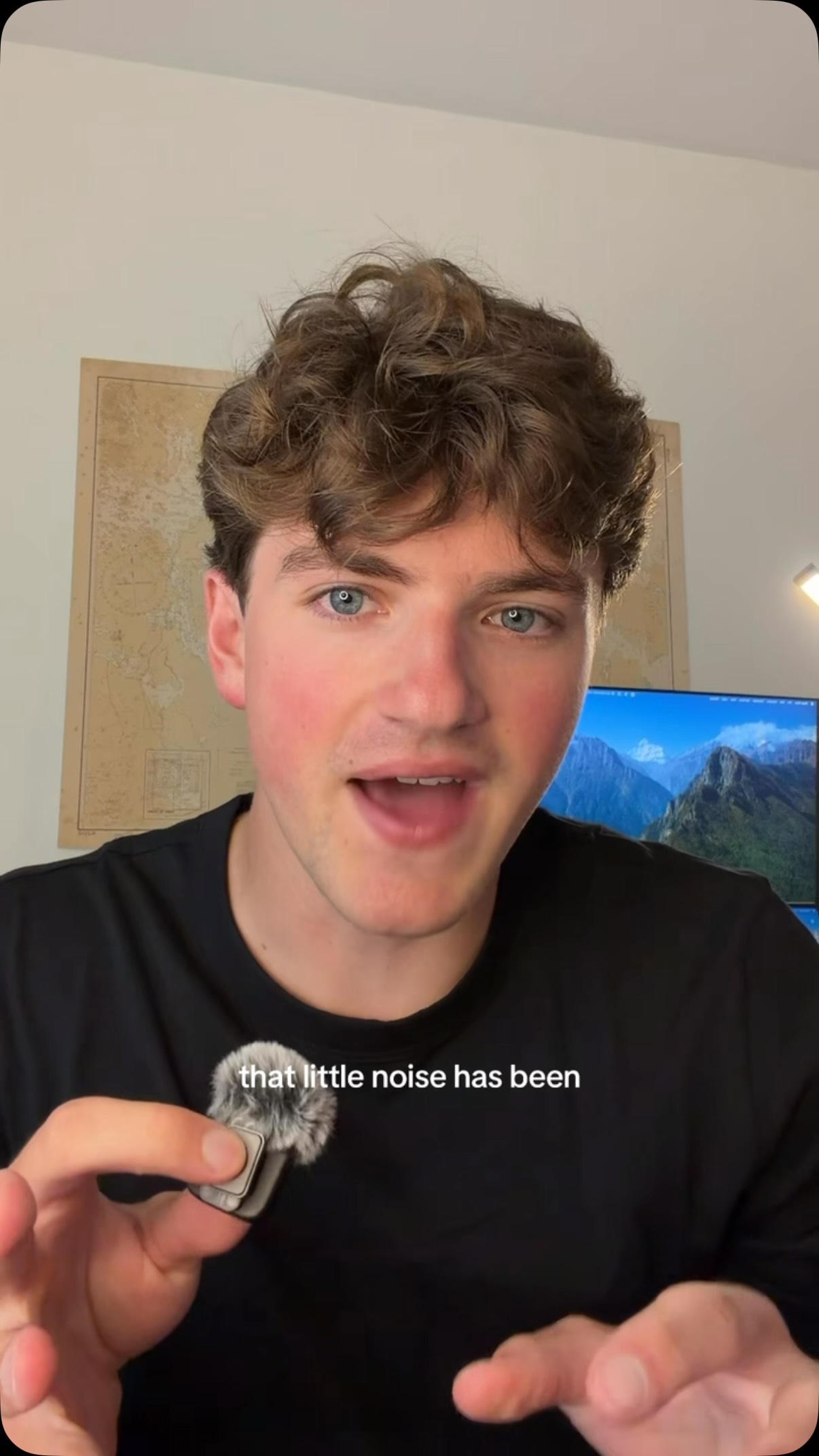
@bitterbuilds Ngl this one was so interesting

@bitterbuilds
Instagram · Speaker address
@bitterbuilds Ngl this one was so interesting
Performance
Video #41976 · Speaker address
[01]
The creator explains the psychological reason behind the chime sound Uber plays at the end of a ride, revealing it as a strategy to reduce friction and retain drivers by automatically queuing their next trip. He then connects this principle of 'friction removal' to personal habit formation, providing actionable examples like sleeping in running clothes to encourage morning runs and removing one's phone to encourage reading.
[02]
[03]
 87.9KExplains how environment shapes habits@coachkyle · Breakdown
 461.1K6.7×Man's self-rebranding journey and rules@zackkravits · Journey Documentation
 247.2K36.6×Why talking to strangers is valuable@harnidhk · Anecdotal Philosophy
 470.6K5.5×Acting out annoying gym conversations@grillguy · Relatable Skit
 271.1K3.8×Man quits running for cycling@daaaanjj · Origin Story
 1.2M4.3×Self-help advice as product ad@chloe.shih · Value Vlog
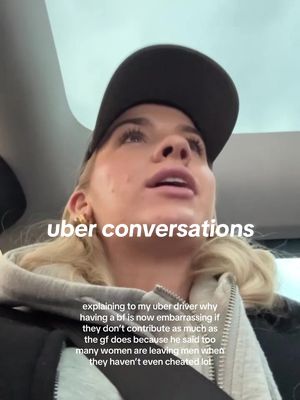 299.1KExplaining modern dating standards in Uber@gracebeverley · Hot Take
 1M28.8×Shares mom's motivational morning routine@dailyrepsguy · Origin Story
 318.3K1.2×Rant about technology ruining society@willeygoat · Cultural Rant
 304.5KPersonal story about slowing down@wacomo · Journey Documentation
 1.6M1.1×Street interview about subway etiquette@subwaytakes · Street Interview
 1.8M4.2×Man psychoanalyzes his haters monologue@davi87dp · Vulnerable Monologue
[04]
[05]
What stops the scroll in the first 3 seconds
Verbal hook · 95%
You ever been in an Uber and you hear this at the end of your ride?
Visual hook · 5%
The speaker holds a small, furry microphone on his finger while talking directly to the camera, creating a distinct and slightly unusual visual focal point.
[06]
Steal this for your own video
You ever notice and wonder why happens right at ?
[07]
The promise the opener makes, and how the video pays it back
Hook
A sensory-based question about a universally recognized experience, followed by a bold, counterintuitive claim about its hidden significance, creating an immediate knowledge gap.
Payoff
An empowering reframe of a common personal struggle, attributing it to an external, manageable factor (the principle) rather than an internal failing, leaving the viewer with a sense of agency and a new perspective.
[08]
The structural pattern this video runs on
Framework
The Trojan Horse Principle
A narrative structure that uses a surprising, counterintuitive fact about a familiar entity (a brand, a product, a phenomenon) as a vehicle to deliver a broader psychological principle or life hack.
The Personal Value Proposition
Explicitly states how understanding the upcoming explanation will directly benefit the viewer, answering the 'Why should I care?' question upfront.
The Problem Context
Establishes the high-stakes problem that the familiar entity was facing, providing the necessary backstory and building narrative tension.
The 'Aha!' Solution Reveal
Unveils the clever solution to the previously established problem, directly connecting the initial hook to its functional purpose and satisfying initial curiosity.
The Core Principle Extraction
Abstracts the specific solution into a universal, transferable principle or law, forming the central thesis of the video.
The Practical Application Bridge
Translates the abstract principle into multiple, concrete, and actionable examples relevant to the viewer's daily life, demonstrating its utility.
Ngl this one was so interesting
Ever been in an Uber and you hear this at the end of your ride? Believe it or not, that little noise has been one of Uber's most profitable decisions, and the psychology behind it will help you build better habits. See, Uber had a big problem. Their drivers would quit after just a handful of rides. Like, they just couldn't keep drivers on the platform rank it was costing them a ton of money. No, geniusly, Uber turned to psychology to fix the issue. At the end of each ride, Uber automatically matches the driver to their next tier, hence the little chime noise. What this does is it removes all friction between drivers and the act of driving for Uber, and studies prove that this removal of friction is the best way to reinforce our own habits. You wanna go on morning runs? Start sleeping in your running clothes. You wanna read more? Keep your phone in the kitchen and fill your room with books. Because odds are you don't lack willpower, your environment just has way too much friction.