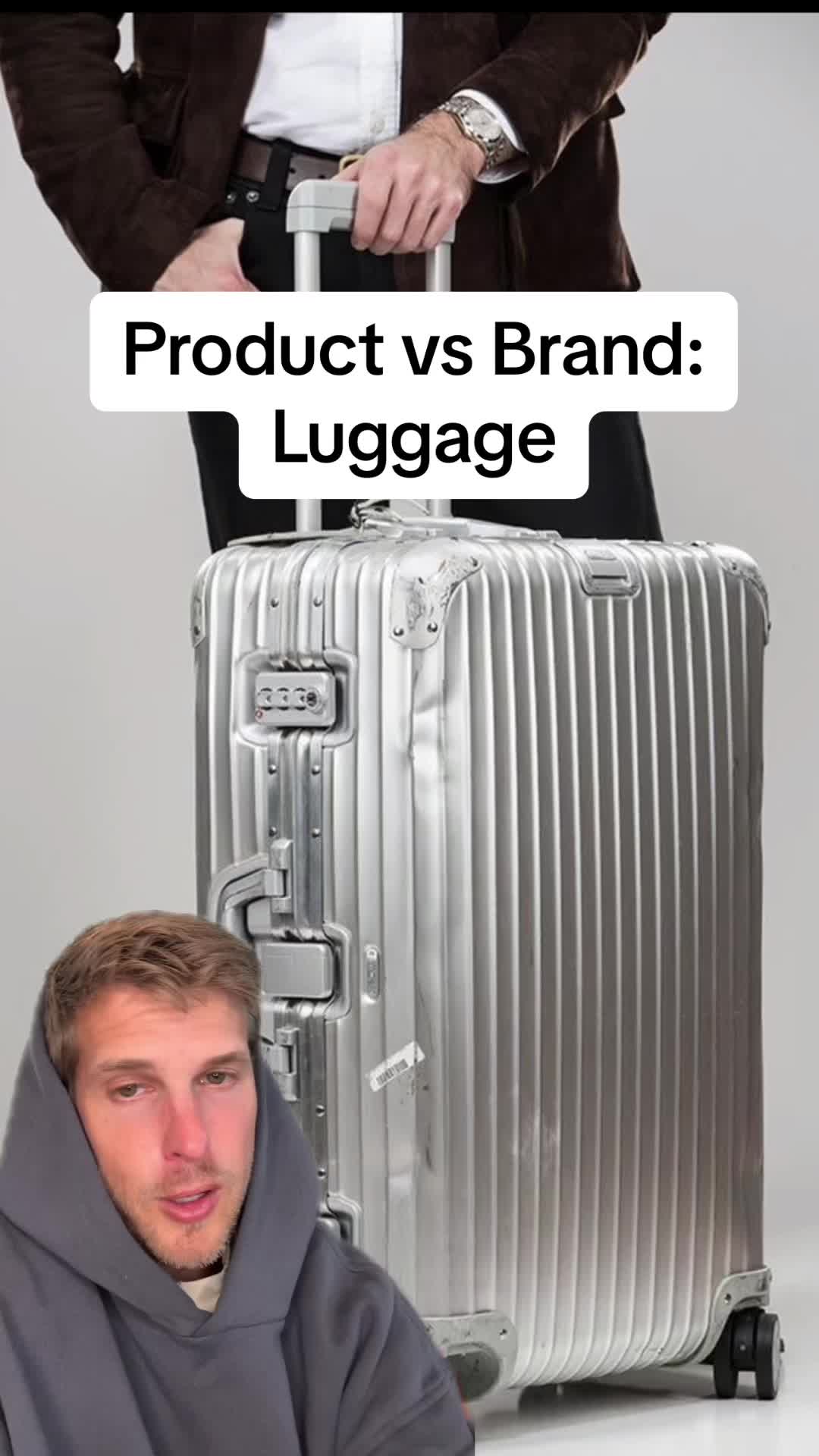
To deconstruct a well-known entity by presenting a strong, counter-intuitive thesis and then systematically building a case using analogies, evidence, and universal principles, culminating in a call for public debate.
- 1
The Provocative Declaration
State an extreme, negative opinion about a well-regarded subject to establish a strong, controversial thesis from the outset.
- 2
The Surprising Alternative
Propose a 'lower-status' or unexpected alternative as superior, creating a compelling contrast that grounds the argument.
- 3
The Baseline Justification
Explain the merits of the alternative, focusing on core values like reliability, predictability, and value-for-money.
- 4
The Value Proposition Challenge
Directly question what value the premium subject actually provides for its higher cost or status, shifting the burden of proof.
- 5
The Legacy Brand Analogy
Compare the subject to another well-known entity from a different category that shares the same perceived flaw (e.g., a legacy brand coasting on reputation).
- 6
The Concession and Rebuttal
Briefly acknowledge a potential counter-argument to build credibility, then immediately dismiss it as rare or irrelevant, strengthening the main thesis.
- 7
The 'Lost Brand' Comparison
Reinforce the initial analogy with a second, more direct comparison from the subject's own category to suggest a recurring pattern.
- 8
The Concrete Evidence
Introduce a specific, factual piece of data or a recent event that supports the negative thesis, moving from opinion to evidence.
- 9
The Systemic Diagnosis
Broaden the argument to explain the underlying systemic reasons for the subject's decline, framing it as a common and predictable failure pattern.
- 10
The Universal Principle
Abstract the argument into a general 'law' or principle that governs all similar situations, positioning the critique as an objective, high-level analysis.
- 11
The Refined Thesis
Offer a final, nuanced clarification of the universal principle, demonstrating deep thought and providing a sharp takeaway.