@lilswalty
Instagram · Talking Head Edit
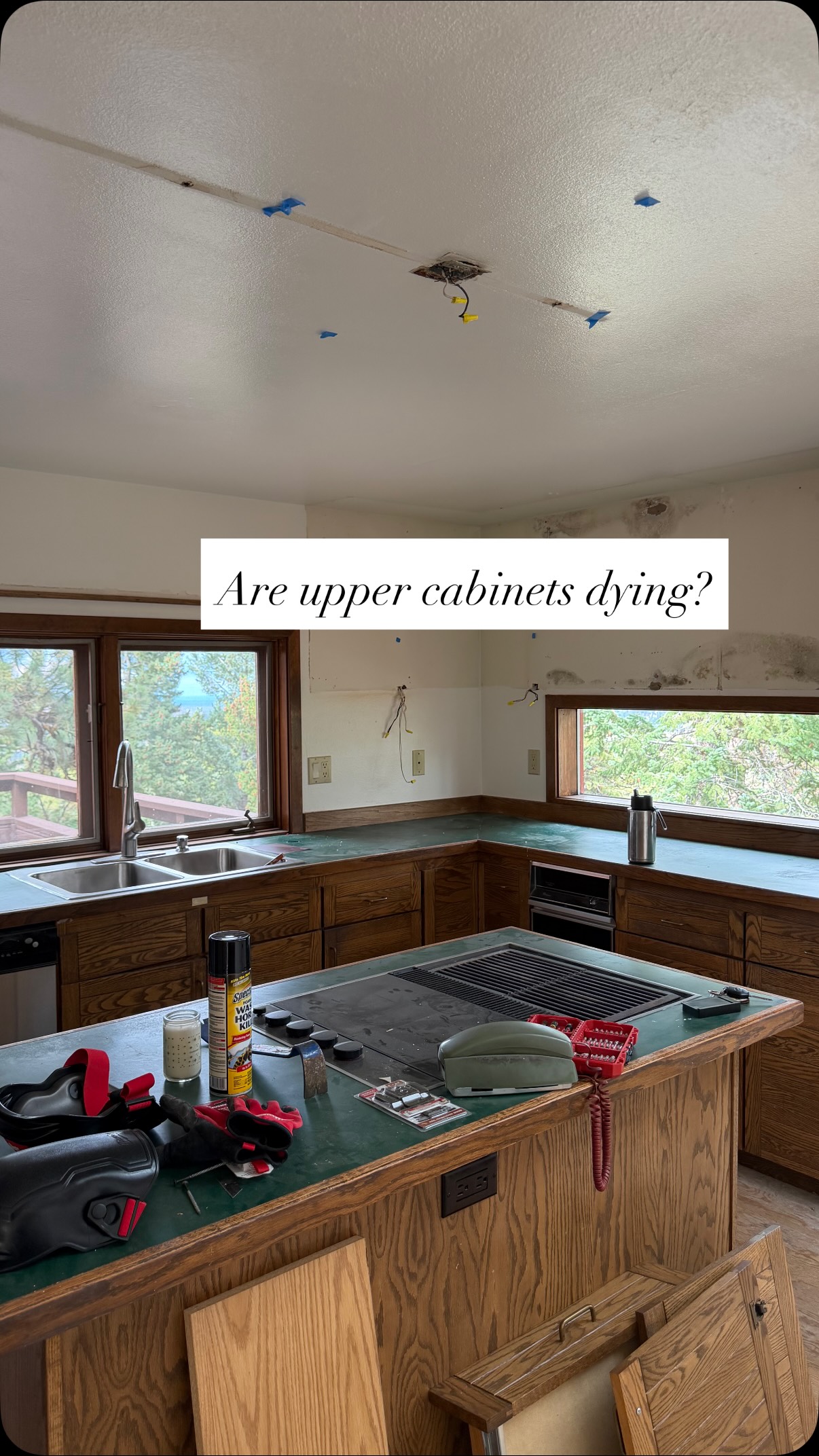
@lilswalty What do you think? Uppers or no? #interiordesigner #denverinteriordesign #interiordesigntips #interiordesignideas #askadesigner

@lilswalty
Instagram · Talking Head Edit
@lilswalty What do you think? Uppers or no? #interiordesigner #denverinteriordesign #interiordesigntips #interiordesignideas #askadesigner
Performance
Video #42634 · Talking Head Edit
[01]
An interior designer questions the trend of upper kitchen cabinets, arguing they can make spaces feel smaller. She uses B-roll of various kitchens to illustrate how removing them creates a more open feel and allows for statement backsplashes. The creator shares her personal decision to omit upper cabinets in her own small kitchen renovation, opting for smart drawers and a pantry wall, but admits she's concerned about the psychological habit of storing glassware up high, and asks her audience for their opinions.
[02]
[03]
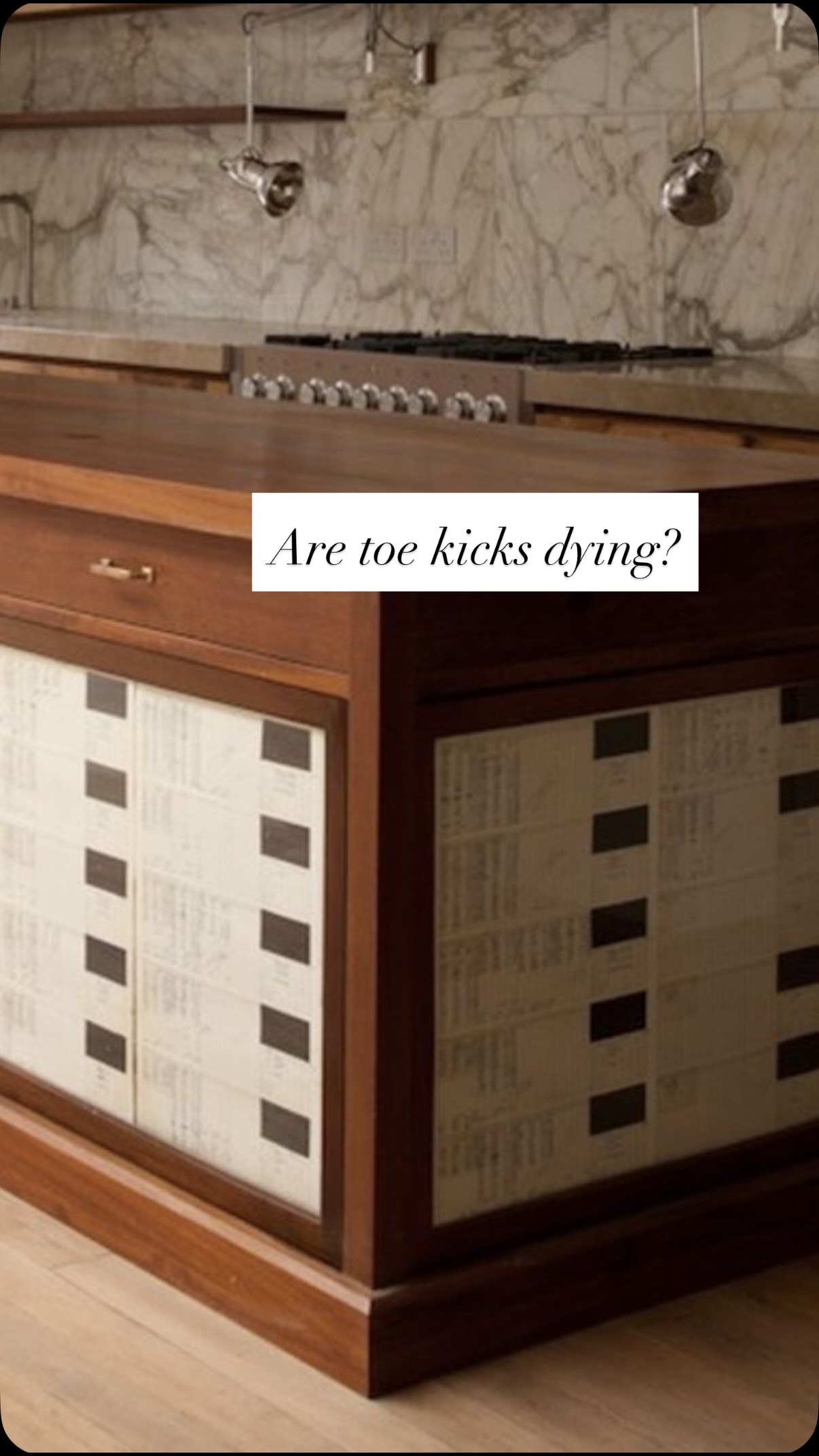 536.9K5.4×Designer questions standard design feature@lilswalty · Hot Take
 1.4M25.4×Explains a simple design hack@hansloreidesign · Breakdown
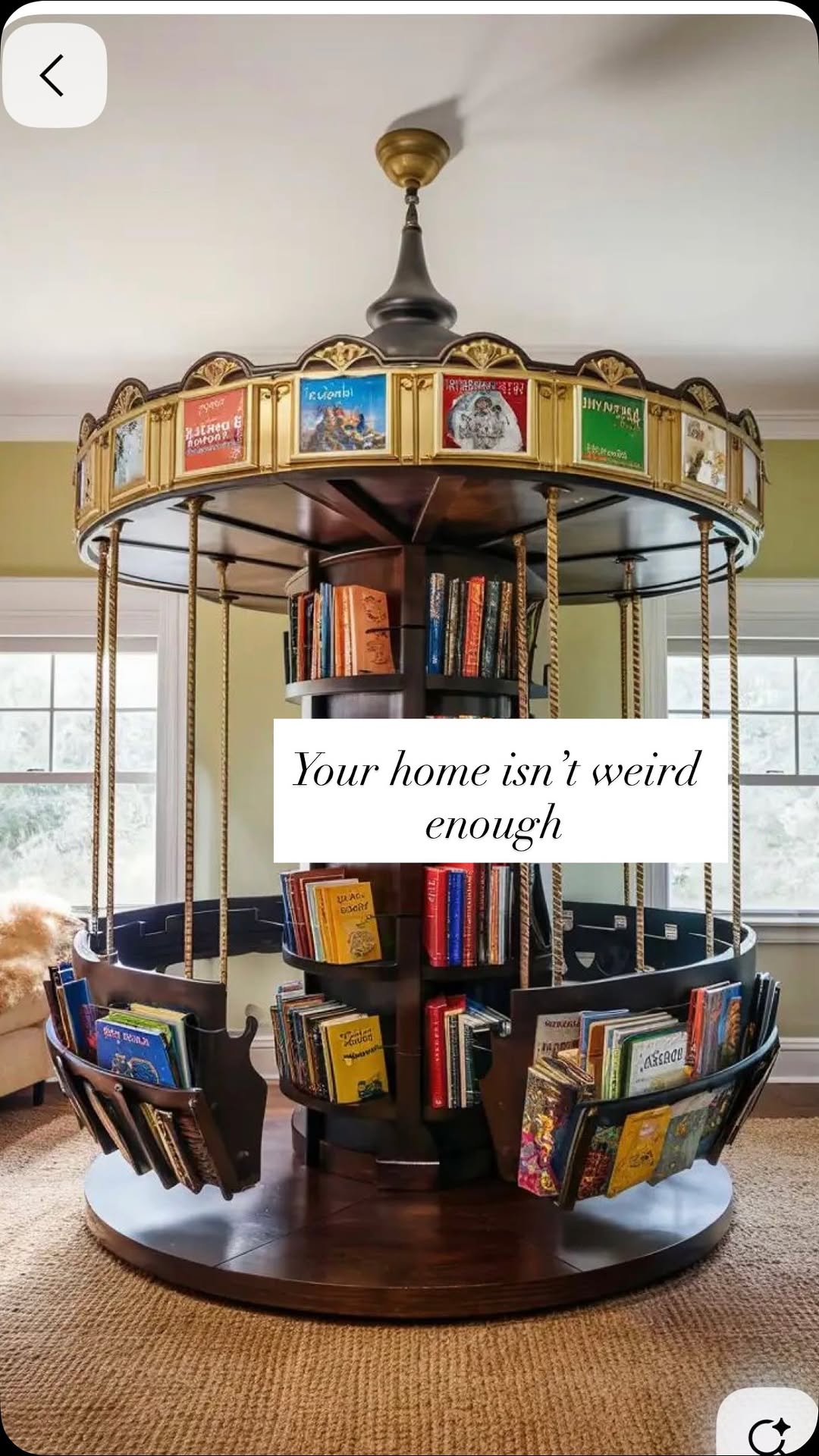 741.2K5×Critiquing boring decor with weird alternatives@lilswalty · Rapid Fire Listicle
 444.1K1.7×Rapid fire list of design pet peeves@lilswalty · Rapid Fire Listicle
 82.5KInterior design mistakes and fixes@mrphoenixgrey · Good vs Bad
 1M4.2×List of weird home design alternatives@lilswalty · Rapid Fire Listicle
 768.3K8.5×Creator argues against design trend@lilswalty · Hot Take
 201.3K13×Contrasting boring vs bold design.@hansloreidesign · Rapid Fire Listicle
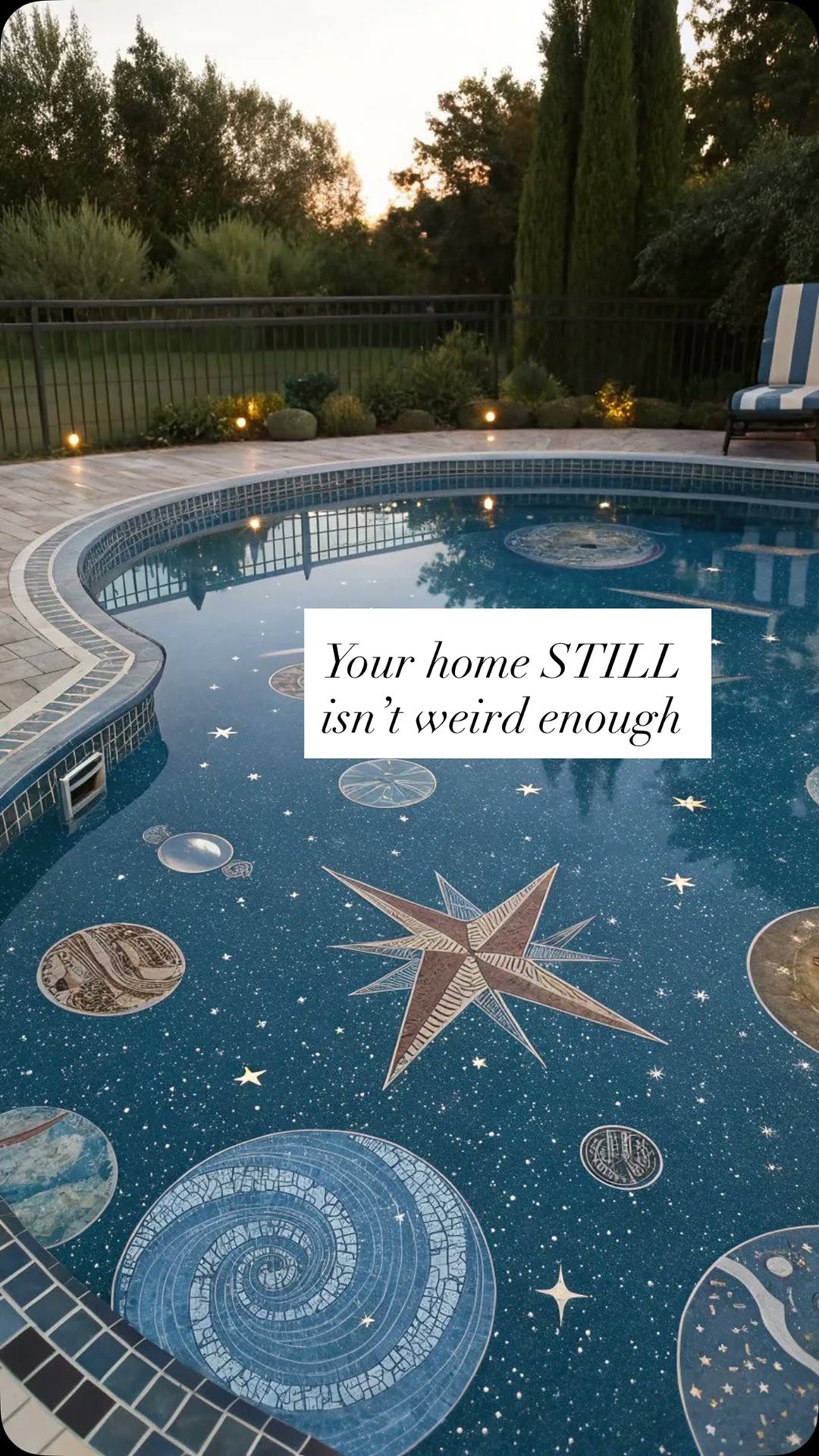 663.8K2.6×Contrasting boring vs. weird homes@lilswalty · Rapid Fire Listicle
 1M5.3×List of nostalgic home features@lilswalty · Rapid Fire Listicle
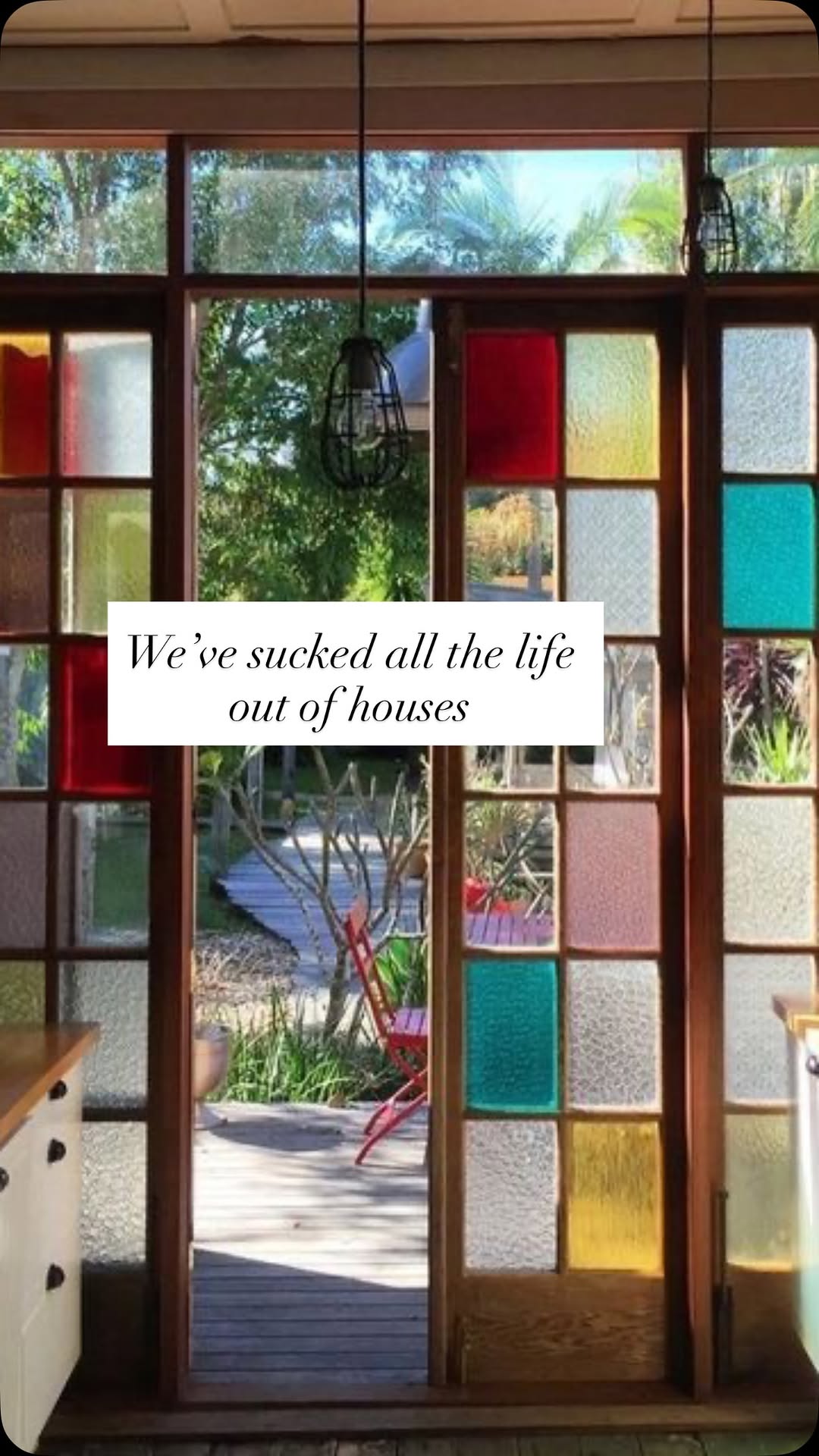 2.9M22.5×Creator lists unconventional home designs@lilswalty · Rapid Fire Listicle
 263.3K16.1×Interior design tip with examples@hansloreidesign · Breakdown
[04]
[05]
What stops the scroll in the first 3 seconds
Title hook · 50%
Are upper cabinets dying?
Verbal hook · 50%
Are upper cabinets dying?
Visual hook
A clean, aesthetically pleasing shot of a modern kitchen with light grey shaker cabinets and a stainless steel range hood. The composition immediately establishes the video's topic of kitchen design.
[07]
The promise the opener makes, and how the video pays it back
Hook
A provocative, rhetorical question that challenges a widely held belief or standard practice within a niche, immediately creating intrigue.
Payoff
A direct and vulnerable appeal to the audience for their opinion, asking them to validate the decision or 'convince' the creator otherwise, effectively outsourcing the conclusion to the comments section.
[08]
The structural pattern this video runs on
Framework
The Community Mandate
To challenge a conventional belief, present a personal case study of breaking that convention, and then leverage the resulting uncertainty to solicit a verdict from the audience, driving high-quality engagement.
The Contrarian Thesis
State the argument against the convention, supported by visual evidence of the 'better' alternative and its benefits (e.g., more open, better aesthetics).
The Personal Stake
Announce a personal, high-stakes commitment to adopting the unconventional approach, transforming the abstract debate into a tangible, real-world case study.
The Practical Hurdle
Introduce the most obvious and relatable objection or functional problem with the unconventional approach, demonstrating self-awareness and creating conflict.
The Psychological Reframe
Question the validity of the hurdle itself, reframing it as a learned habit or psychological bias rather than an insurmountable law (e.g., 'Is it human nature or have we just been trained?').
The Viable Alternative
Present a clever or elegant solution to the previously stated hurdle, resolving the practical conflict and strengthening the contrarian argument.
The Core Dilemma Summary
Re-state the central trade-off at the heart of the debate (e.g., maximizing storage vs. making a room feel smaller), simplifying the decision for the audience.
What do you think? Uppers or no? #interiordesigner #denverinteriordesign #interiordesigntips #interiordesignideas #askadesigner
title · beginning
Are upper cabinets dying?
title · end
Will I regret this?
Our upper cabinets dying because this week on things I'm questioning as a designer, I'm questioning upper cabinets. I don't hate them, but kitchens without them feel so much more open. You get this huge wall for stone, tile, or some insane backsplash moment instead of just cabinet, cabinet, cabinet. I'm actually not putting a single upper cabinet in my kitchen, which is insane because my kitchen is tier. But that's also kind of the point. If I put upper cabinets everywhere, I think it would start to feel like I was cooking inside of a shoe box. Instead, I'm doing really smart drawers plus one wall of floor to ceiling, wall to wall closed cabinetry with the fridge built in. But the thing I keep getting hung up on is the glassware. Psychologically, I feel like I want to reach up to grab a glass. That feels like human nature, but is it? Or have we just been trained by big kitchen that glasses need to go above our hats? Maybe instead they live in a drawer next to the fridge, and I just need to move on. Obviously, if you need every inch of storage, use the uppers. But I have a tiny kitchen, too, and I'm questioning whether maximizing the storage is worth making the room feel smaller. Am I going to regret this? Upper cabinet fans, please convince me.