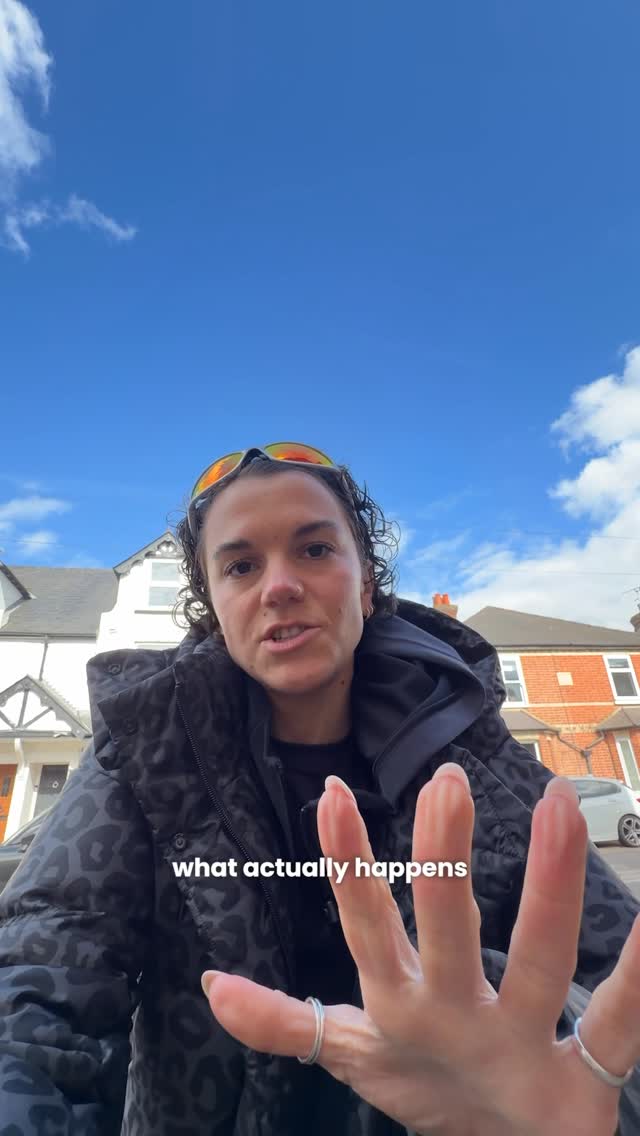
@philybowden Caffeine and me have had a turbulent past… but today we try to change that 👀 AD
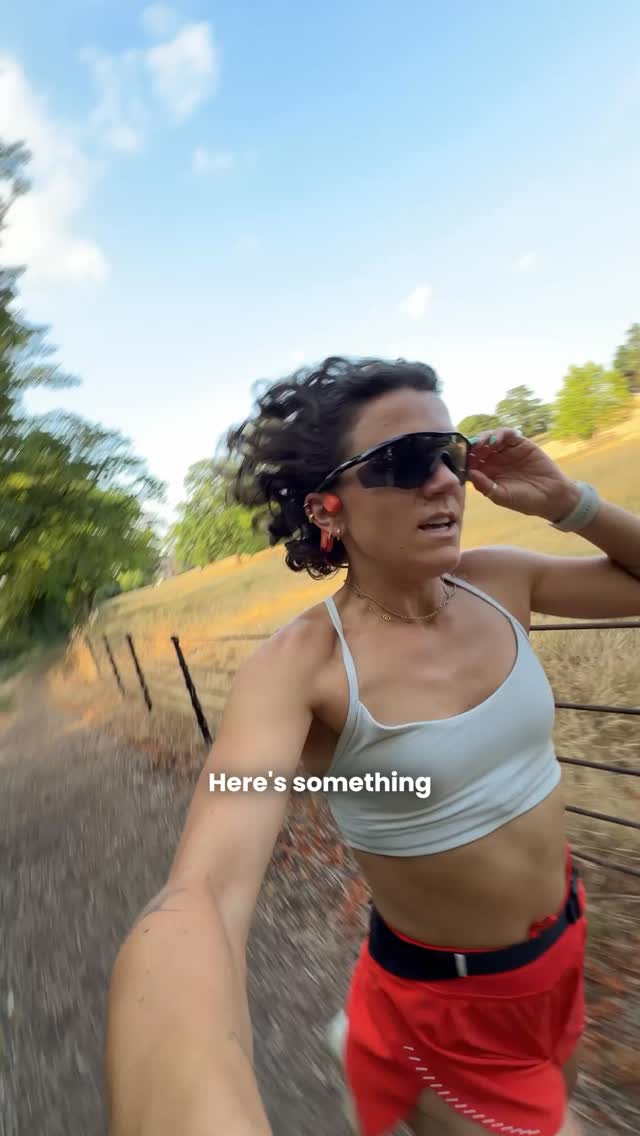
33mg over 22 miles, and the sports science team at @precisionfandh keeping an eye on me
Thinking of experimenting with caffeine yourself? Here’s how to do your own trial and error with it sensibly:
☕ Start low
Research shows 3 to 6mg per kg of body weight improves endurance performance, but lower doses of around 2 to 3mg/kg can still give you a boost with fewer side effects. There’s no need to go in at the top end.
⏱️ Get your timing right
Caffeine usually peaks in the bloodstream 30 to 60 minutes after you take it, so plan that in and take it before you actually want it to be kicking in.
📝 Take notes
Build up gradually (I’m going a third of a gel, then two thirds, then a full one), note down how you feel and any side effects, and only increase once your stomach is happy.
🏃♀️ Test runs
Practise with the exact product, dose and timing you plan to race with IN TRAINING. Nothing new on race day!
💧 Hydrate
Stay on top of fluids and sodium, especially in warmer conditions.
🧬 Individualise
Everyone responds differently - Genetics, body size and how much coffee you normally drink all change how caffeine hits you. What works for your training partner might not be the move for you.
⚠️ Know your limits
Most adults are advised to stay under 400mg a day in total, and that includes your morning coffee.
Next up: 66mg. Wish me (and my stomach) luck 🫡
#PrecisionFuelAndHydration #MarathonTraining #RunningNutrition
Explaining caffeine risks before experimentfrom @philybowden
[01]
Overview
The creator recounts a negative experience with caffeine on a long run, then explains the scientific pros (stimulant, reduced perceived exertion) and cons (digestive issues) of using it for performance. She introduces her expert team from a sports nutrition brand and explains her plan to 'train her gut' by starting with a very small dose of a caffeine gel for her next run.
This is what happened last time I had caffeine on a long run.
Visual hook · 30%
A creator speaks directly to the camera while a picture-in-picture B-roll clip shows her bent over in distress on a running trail.
[06]
Hook template
Steal this for your own video
This is what happened last time I tried [performance aid] during [activity].
— This is what happened last time I tried caffeine during a long run.
— This is what happened last time I tried an energy drink during a study session.
— This is what happened last time I tried a pre-workout supplement during weight training.
[07]
Hook and payoff
The promise the opener makes, and how the video pays it back
Hook
A visually arresting depiction of a past failure, immediately establishing high personal stakes and a relatable problem.
Payoff
A cliffhanger that initiates the first step of the experiment, promising a future resolution and encouraging viewers to follow for the results.
[08]
Narrative framework
The structural pattern this video runs on
Framework
The Comeback Experiment
Frame a personal challenge as a structured experiment, educating the audience on the underlying principles (the 'why') before revealing the specific action (the 'how'), and ending on a cliffhanger that initiates the experiment.
1
The Painful Backstory
Establishes the core conflict by showing a past failure and its negative consequences, creating immediate empathy and curiosity.
2
The Stakes Declaration
Quantifies the impact of the failure (e.g., 'I've avoided X for Y months') and announces a decision to confront it again, creating a clear story arc.
3
The Central Question Pivot
Transitions from the personal narrative to a broader, educational question, framing the creator as an investigator and justifying the following informational segment.
4
The 'Pro' Argument
Explains the potential benefits or positive aspects of the challenge, using energetic visuals to embody the upside and justify the risk.
5
The 'Con' Argument
Explains the risks and downsides, using dramatic visuals to embody the negative consequences and reinforce the initial conflict.
6
The Authority & Strategy Reveal
Introduces external validation (experts, data, a specific methodology) to build credibility, followed by a clear statement of the plan to mitigate the risks.
7
The Inciting Incident
The final beat, which serves as a cliffhanger. The creator takes the very first, small step of the new strategy, leaving the outcome unresolved to build anticipation for a follow-up.
Themes
Personal Experimentation
Sports Science
Health & Wellness
Techniques
Direct-to-camera address
Comedic acting
Picture-in-picture
Trends
Educational content
Personal journey documentation
Post caption
Caffeine and me have had a turbulent past… but today we try to change that 👀 AD
33mg over 22 miles, and the sports science team at @precisionfandh keeping an eye on me
Thinking of experimenting with caffeine yourself? Here’s how to do your own trial and error with it sensibly:
☕ Start low
Research shows 3 to 6mg per kg of body weight improves endurance performance, but lower doses of around 2 to 3mg/kg can still give you a boost with fewer side effects. There’s no need to go in at the top end.
⏱️ Get your timing right
Caffeine usually peaks in the bloodstream 30 to 60 minutes after you take it, so plan that in and take it before you actually want it to be kicking in.
📝 Take notes
Build up gradually (I’m going a third of a gel, then two thirds, then a full one), note down how you feel and any side effects, and only increase once your stomach is happy.
🏃♀️ Test runs
Practise with the exact product, dose and timing you plan to race with IN TRAINING. Nothing new on race day!
💧 Hydrate
Stay on top of fluids and sodium, especially in warmer conditions.
🧬 Individualise
Everyone responds differently - Genetics, body size and how much coffee you normally drink all change how caffeine hits you. What works for your training partner might not be the move for you.
⚠️ Know your limits
Most adults are advised to stay under 400mg a day in total, and that includes your morning coffee.
Next up: 66mg. Wish me (and my stomach) luck 🫡
#PrecisionFuelAndHydration #MarathonTraining #RunningNutrition
Text overlays
contextual · middle
my ass
contextual · end
PF 30 caffeine gel
Transcript
This is what happened last time I had caffeine on a long run. Since then, I've been pretty much caffeine free for twelve months. Today, that changes. But before we run the experiment, why is caffeine so great but also so risky? Well, firstly, it's a stimulant. It blocks the tiredness signals in your brain and reduces the rate of perceived exertion. Therefore, hard paces feel easier even if your body is working just as hard. However, caffeine also stimulates other things. It also boosts stomach acid, which can mean heartburn, nausea, or cramping. It's fine balance. Luckily, I have experts on my team. The sports science guys at Precision Fuel and Hydration are watching over me for this one. So before I go sinking multiple caffeine gels in a marathon, I need to train my gut. So today No today I am taking on one third of a 30 caffeine gel.