@bitterbuilds
Instagram · Yap


@bitterbuilds
Instagram · Yap
Performance
Video #43992 · Yap
[01]
The creator explains a modern business principle by first quoting an entrepreneur's analogy about comic books and newspapers. He then uses the Garfield comic strip as a case study to illustrate how free distribution in a high-attention channel (newspapers) built a massive brand that was monetized through merchandise. He concludes by applying this lesson to modern entrepreneurs, urging them to build their brands on social media (the modern newspaper) where attention already exists.
[02]
[03]
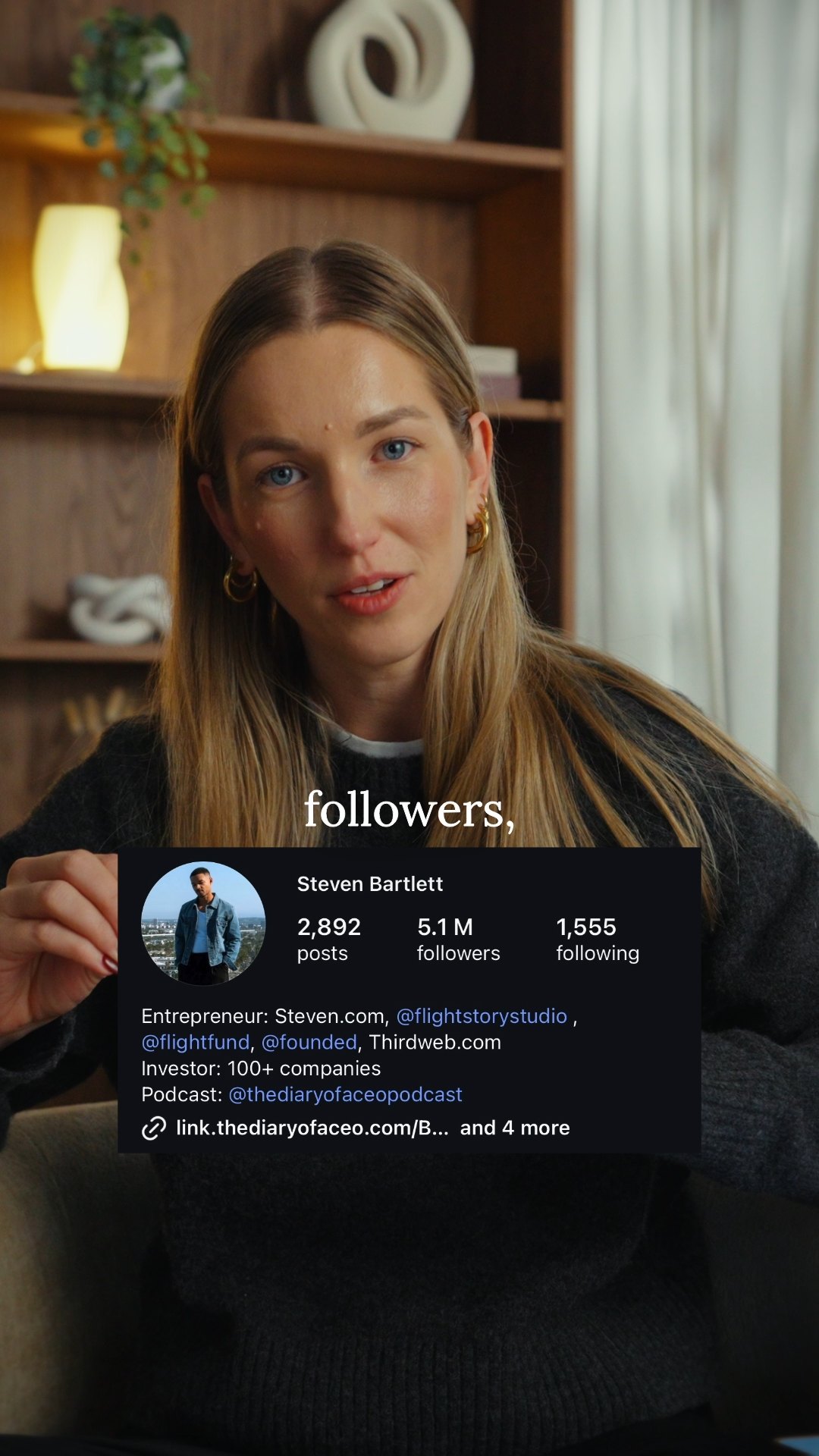 682K63.4×Compare personal vs business brands@its.sammywu · Case Study Reminder
 329.7KWhy rich founders still post@longevitypenguin · Case Study Breakdown
 221.2K9.9×Text overlay marketing case study@dizzybeemarketing · Case Study Reminder
 2M22.1×Marketing strategy case study breakdown@house.of.ag · Breakdown
 59.9KDeconstructing an entrepreneur's success strategy@tomkatz.marketing · Case Study Breakdown
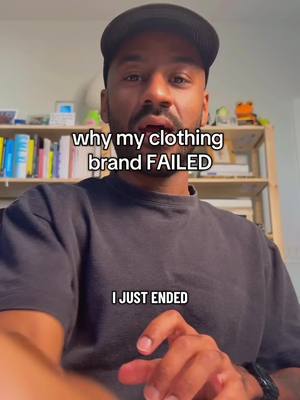 139.5K64.6×Business failure lesson and tips@saeedferguson · Breakdown
 99.6KArticle breakdown and business commentary@itshannahzhang · Headlines
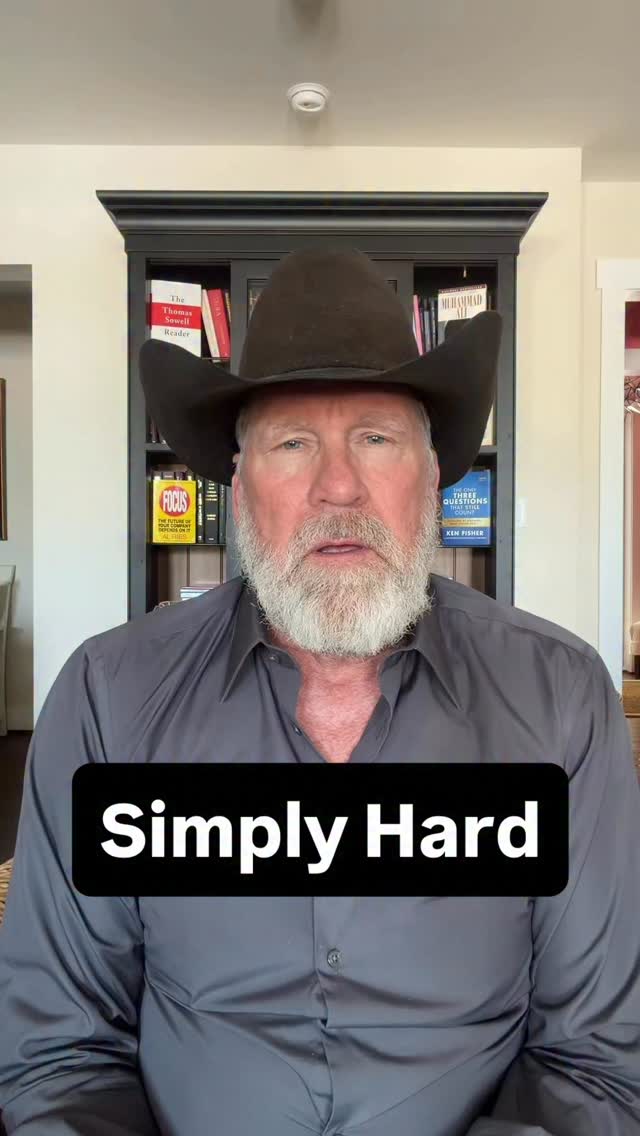 204.2K97.2×Cowboy explains simple brand playbook@frankfellersfreedom · Playbook
 136.8KStop selling products, sell culture@therobbiemurray · Good vs Bad
 480.9KStanford business strategy explained visually@jayhoovy · Breakdown
 563.3K3.2×Animated graphics explain marketing principle@conversion.doc · Explainer
 671.5KExpert explains new brand building@zachheffner · Case Study Breakdown
[04]
[05]
What stops the scroll in the first 3 seconds
Verbal hook
A few days ago, a legendary entrepreneur said...
Visual hook
Direct-to-camera address with the creator holding a small, prominent, furry microphone, signaling a personal and direct communication style.
[07]
The promise the opener makes, and how the video pays it back
Hook
Introduce a paradoxical or counter-intuitive quote from an unnamed but credible source ('a legendary entrepreneur') to create an immediate information gap and establish authority.
Payoff
The narrative loops back to the initial paradox, rephrasing its logic ('they won't skip it if it's in their hands') to provide a satisfying and memorable conclusion that reinforces the core lesson.
[08]
The structural pattern this video runs on
Framework
The Parable to Principle Framework
Using a historical anecdote or parable to explain a complex modern concept, making it feel both timeless and newly relevant by translating its core lesson into an actionable, modern strategy.
The 'Perspective Shift' Proclamation
The narrator claims the quote fundamentally changed their understanding of a high-stakes topic (making millions), which elevates the importance of the information for the viewer.
The Historical Case Study
A simple, universally understood historical example (Garfield comics) is used to make the abstract principle concrete and prove its validity. This beat focuses on the distribution model over the product itself.
The Monetization Reveal
Clarifies that the real profit came not from the core 'free' product, but from secondary monetization (merchandise), a key part of the lesson.
The Modern Analogy
Directly translates the historical lesson into a modern context, equating the 'newspaper' with the new center of attention and reframing modern creators' strategy.
The Universal Law Declaration
The specific lesson from the analogy is abstracted into a single, powerful, and universally applicable rule: 'exist where the attention lives'.
The Actionable Translation
The universal law is translated into a direct, actionable strategy for the viewer, explicitly naming the modern platform (social media) and the goal (building a brand to leverage).
A few days ago, a legendary entrepreneur said, we don't go to the comic book tier, but if the comics were in the newspaper, we'd read them. This quote genuinely shifted my perspective on how the next generation of millionaires is being made. Because hear me out, Garfield was free in every newspaper, which is how millions came to recognize it. They made their billions from selling tier shirts and mugs. Like, the genius Gen Z entrepreneurs are not building comic book stores. They are simply appearing in the newspaper. The single greatest advantage is existing where all the attention lives, which is social media, and then building a brand to leverage it. Because the thing is, nobody goes out of their way for a comic book store, but they won't skip it if it's in their hands.