@shwinnabegobrand
Instagram · Greenscreen Talking Head
@shwinnabegobrand The AI marketing wars: Claude vs Friend #marketing #ai

@shwinnabegobrand
Instagram · Greenscreen Talking Head
@shwinnabegobrand The AI marketing wars: Claude vs Friend #marketing #ai
Performance
Video #4533 · Greenscreen Talking Head
[01]
The creator compares the marketing campaigns of two AI companies, Friend and Claude. He breaks down Friend's provocative subway ad campaign, showing the negative public backlash and supporting his analysis with data on public fears about AI. He then contrasts this with Claude's campaign, which he argues successfully 'reads the room' by positioning AI as a tool to enhance human creativity, resulting in a positive public response.
[02]
[03]
 83.7K4.2×How AI replaced human research@nathanazareth · Breakdown
 57.7KAI advertising opportunity showcase@thejamescamp · Opportunity Explainer
 314KCreator critiques fake AI ads@robertmckeaveney · Hot Take
 1.9M3711.6×Claude vs ChatGPT simplified breakdown@bigpictureclub · Breakdown
 2.9M118.2×Explaining AI's impact on culture@fakeplasticbrands · Breakdown
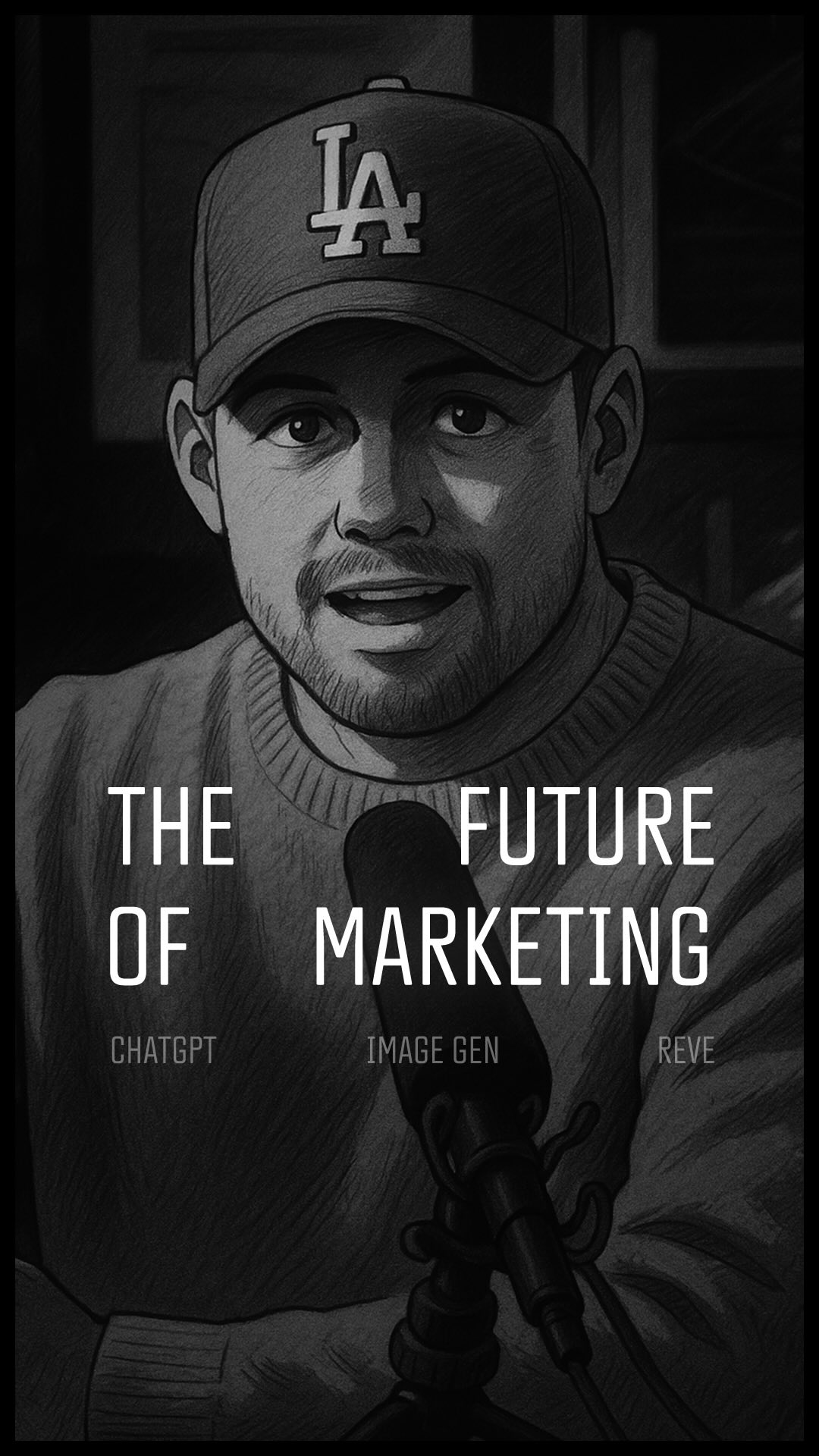 2M1.3×Explaining new AI marketing tools@rpn · Breakdown
 644.1K100.3×AI problem and council solution@jasoncooperson · Breakdown
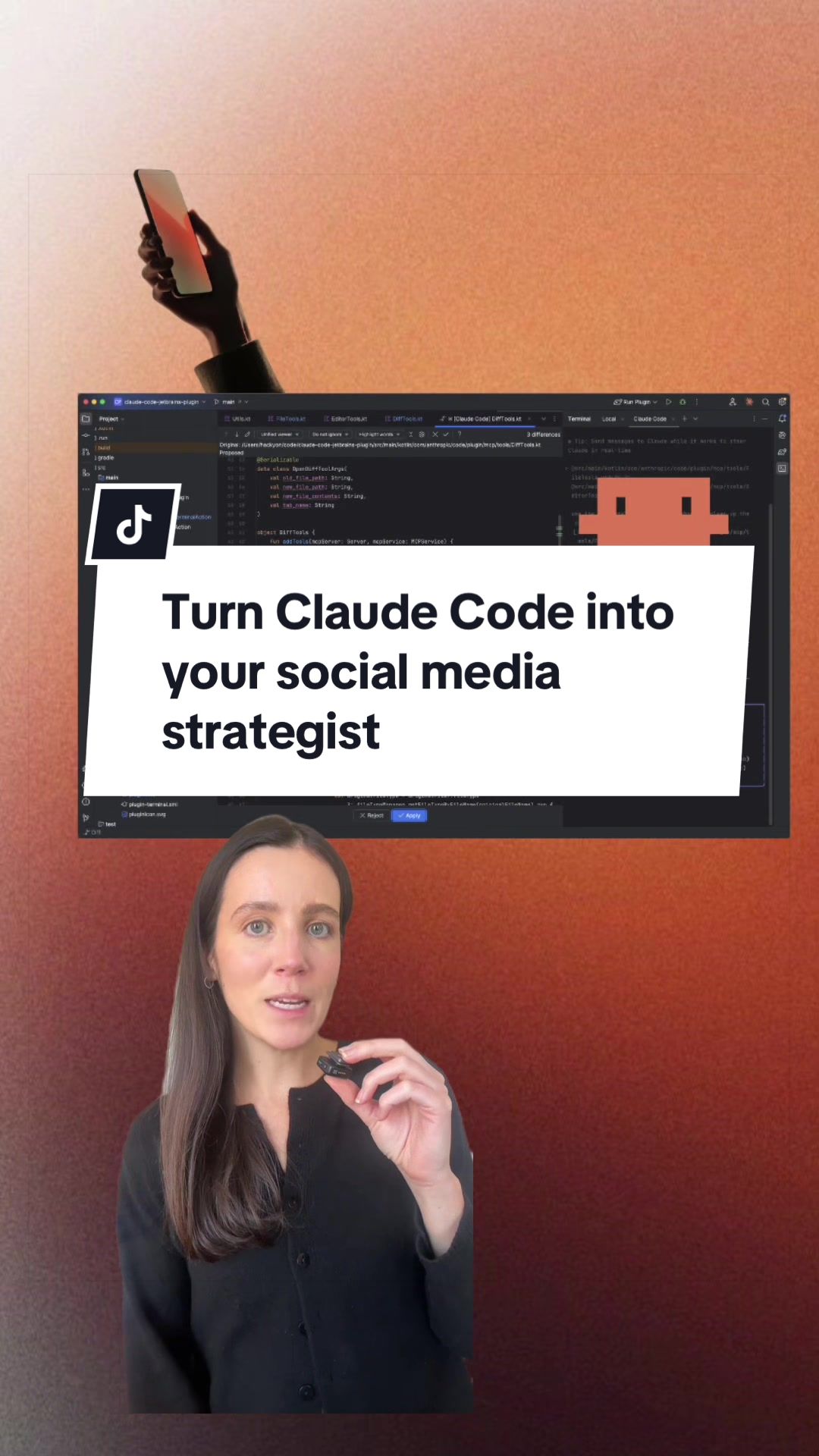 96.7KUsing AI for content strategy@mirandadoesbrands · Case Study Breakdown
 389K3.1×Split screen AI news breakdown@rony · Case Study Breakdown
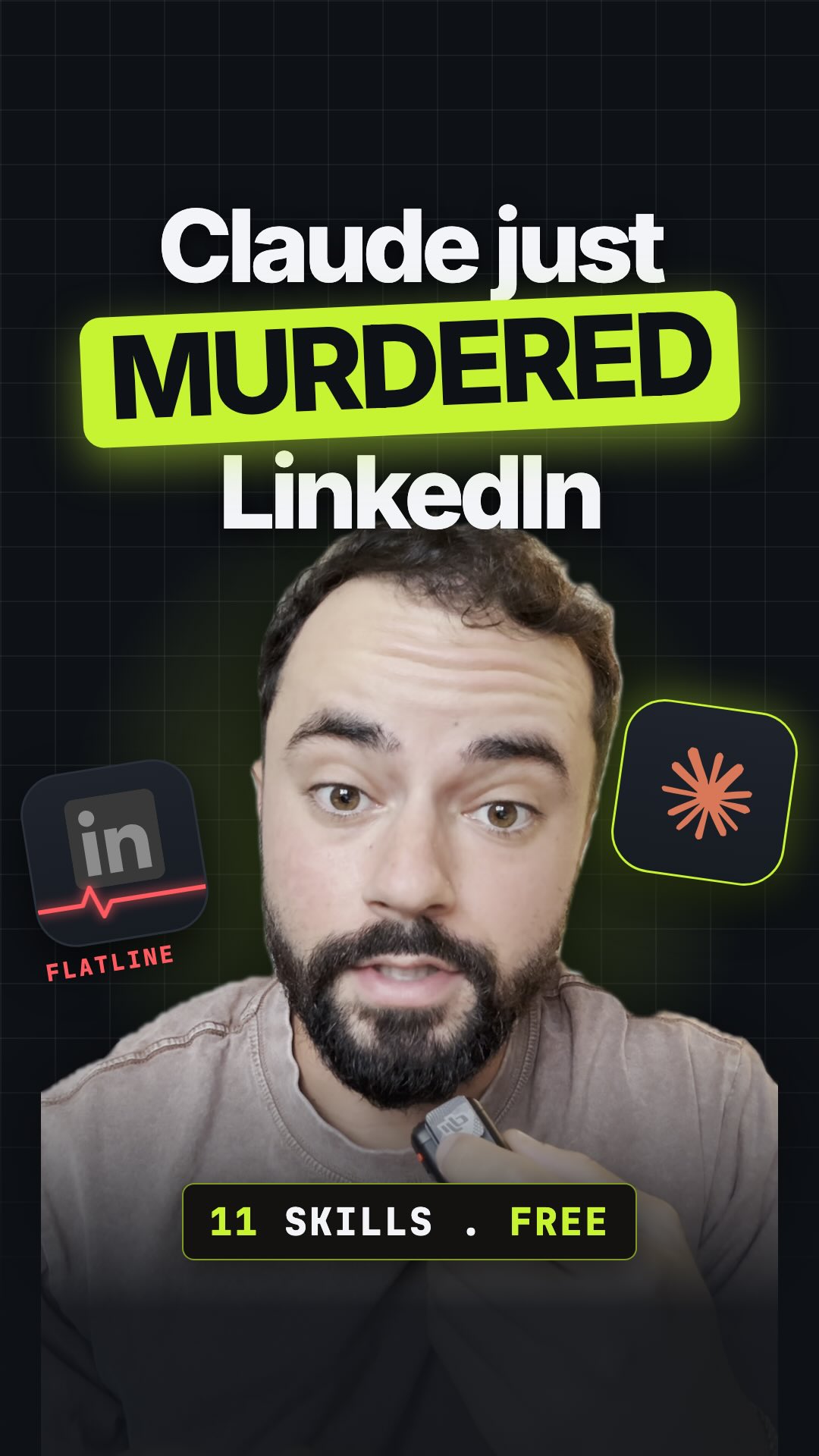 966.6KAI tool automates LinkedIn tasks@avigrondin · Opportunity Explainer
 693.3K5×Talking head tech news breakdown@metav3rse · Headlines
 306.4K17.9×Creator shows AI editing workflow@minolee.mp4
[04]
[05]
What stops the scroll in the first 3 seconds
Title hook · 45%
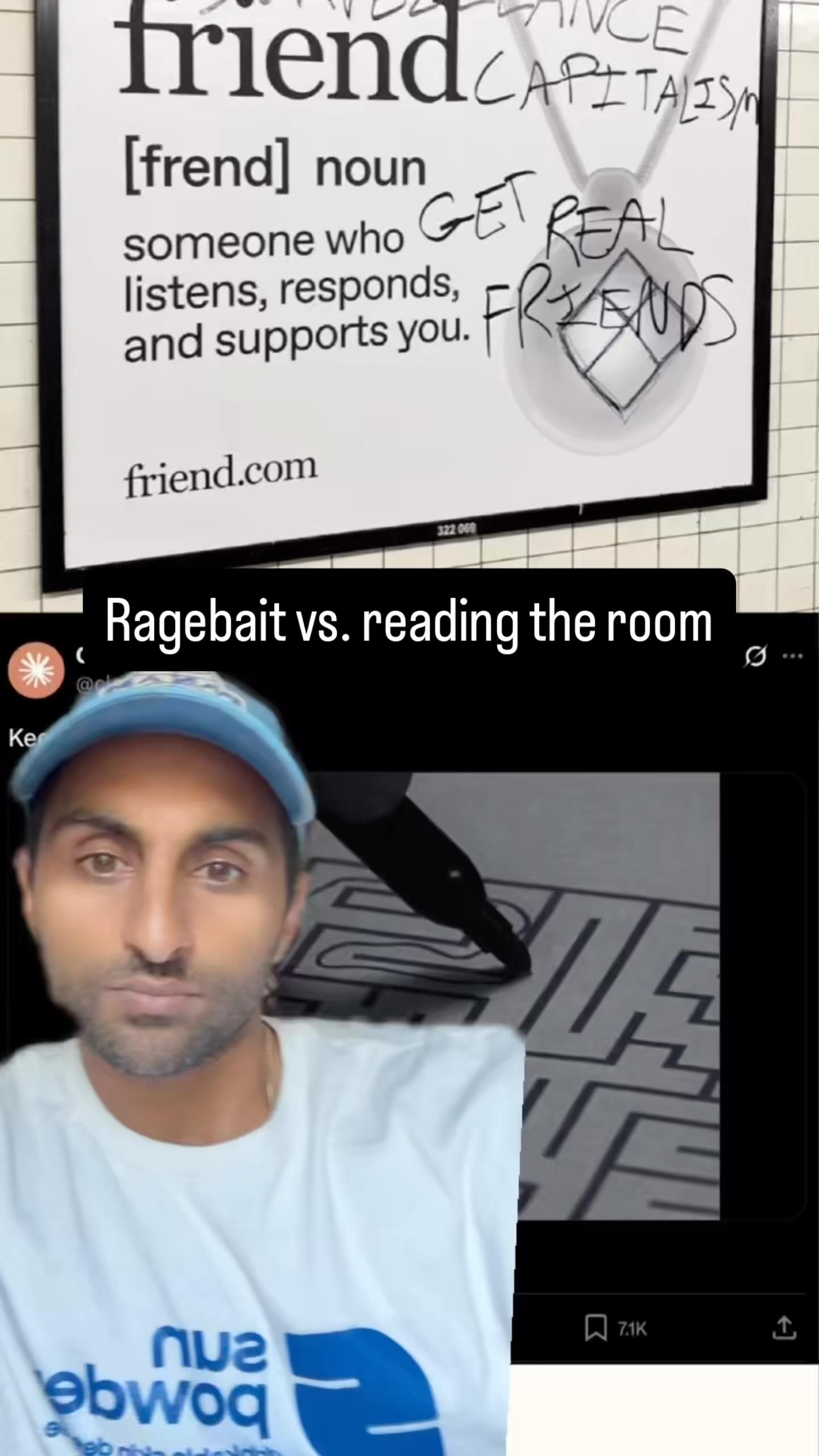
Ragebait vs. reading the room
Verbal hook · 40%
Why is one of these AI companies getting absolutely flamed while the other is getting a lot of love?
Visual hook · 15%
A split-screen composition showing a subway ad that has been defaced with graffiti reading 'SURVEILLANCE CAPITALISM' and 'GET REAL FRIENDS' on top, while the creator speaks on the bottom.
[07]
The promise the opener makes, and how the video pays it back
Hook
A question that highlights a stark contrast in outcomes between two comparable subjects, creating a mystery the viewer wants solved.
Payoff
A concluding statement that summarizes the core lesson learned from the comparison, leaving the viewer with a clear, actionable principle.
[08]
The structural pattern this video runs on
Framework
The Comparative Case Study
To explain a complex principle by contrasting a 'losing' example with a 'winning' example, using social proof and data to validate the analysis and deliver a clear takeaway.
The Analytical Framework
States the core principle or lens through which the subjects will be judged (e.g., 'Ragebait vs. Reading the Room').
The Negative Case Study
Introduces the 'losing' subject and presents tangible evidence of its strategy and approach.
The Social Proof of Failure
Shows real-world negative reactions (comments, user-generated critiques) to validate the 'losing' classification.
The Data-Backed Diagnosis
Provides an external data point or logical rationale that explains the psychological reason for the failure, adding credibility.
The Positive Case Study
Pivots to the 'winning' subject as a direct contrast, presenting evidence of its superior strategy.
The Strategic Deconstruction
Breaks down precisely why the winning strategy works, connecting its success back to the core analytical framework.
The Social Proof of Success
Shows real-world positive reactions to validate the 'winning' classification and create a sense of resolution.
The AI marketing wars: Claude vs Friend #marketing #ai
title · beginning
Ragebait vs. reading the room
contextual · beginning
SURVEILLANCE CAPITALISM
contextual · beginning
GET REAL FRIENDS
informational · middle
Half of Americans say AI will worsen people's ability to form meaningful relationships with others
branding · middle
Keep thinking.
branding · end
Keep Researching
branding · end
Keep Learning
Why is one of these AI companies getting absolutely flamed while the other is getting a lot of love? Let's take a look at rage better marketing versus marketing that reads the room. This week, AI device startup called Friend launched a subway campaign in New York City with ads like this. Friend, someone who listens, responds, and supports you. Provocative messaging like I'll never bail on our dinner plant. A real life version of her where most of the sentiment in response to this has been anger and critique. Because to no one's surprise, very few people want an always listening pendant that positions itself as replacing human relationships. And the response to this ad can be understood through some data here. worse% of people from this Pew Research were concerned that AI would make us worse off for forming meaningful relationships with other people. And another fifty three percent thought we will be worse off in in our ability to think creatively, which is exactly the insight on which this ad from Claude is playing into. It's never been a better tier. A better time to have a problem. To be stuck, No this ad is great for a number of reasons, but the entire concept and positioning is to use AI to help you solve problems in the real world. Keep doing better research, keep learning stuff, and their last line, keep thinking. Claude's saying, hey, we're not going to degrade your ability to think creatively. We are going to enable you to do it much better. And as a result, this bad got a very positive response. Rank better marketing can work to get attention, but the question is, does that attention drive to desire?