@grillguy
Instagram · Yap
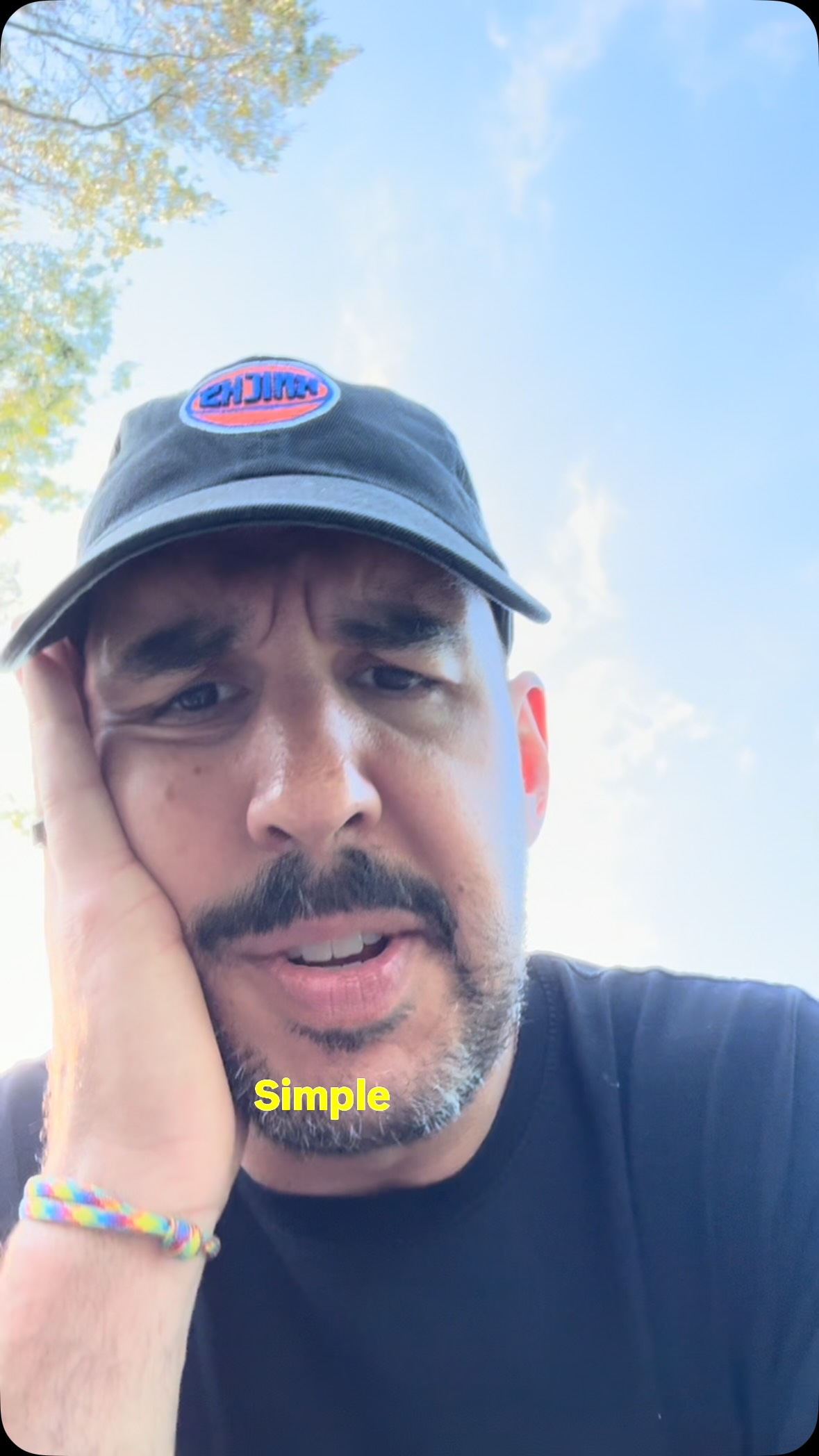
@grillguy Sounds like we need more government programs then huh

@grillguy
Instagram · Yap
@grillguy Sounds like we need more government programs then huh
Performance
Video #46298 · Yap
[01]
The creator performs a satirical dialogue between two characters to deconstruct the idea of a 'simple solution' for school safety. The first character proposes placing armed guards at every school, while the second character probes the logistical and financial implications, such as raising taxes or reallocating government funds. As the conversation progresses, the first character contradicts himself, rejecting taxes and social programs while simultaneously proposing a new, large government agency, exposing the flawed logic behind his initial 'simple' idea.
[02]
[03]
 244.2K10.9×Satirical plan using stereotypes@womp_tomp · Satirical Advice
 424.2K13.1×Man rants on misplaced outrage@grillguy · Vulnerable Monologue
 3.3MMan gives satirical political advice@fritzthedev · Satirical Advice
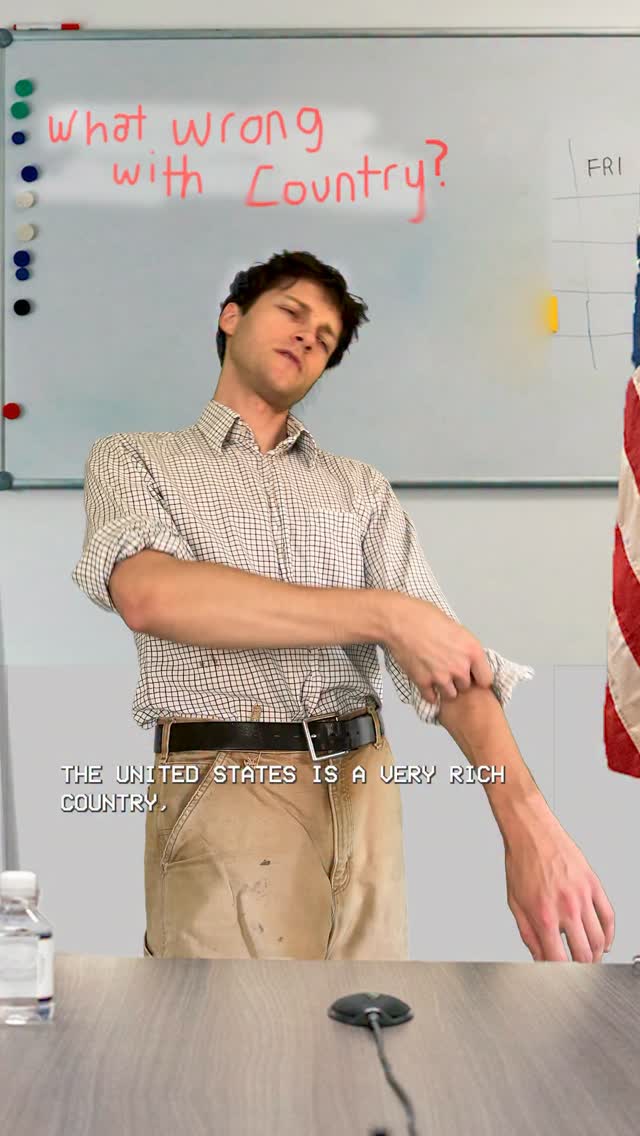 961.8K23.9×Satirical explainer on economic inequality@npr · Opportunity Explainer
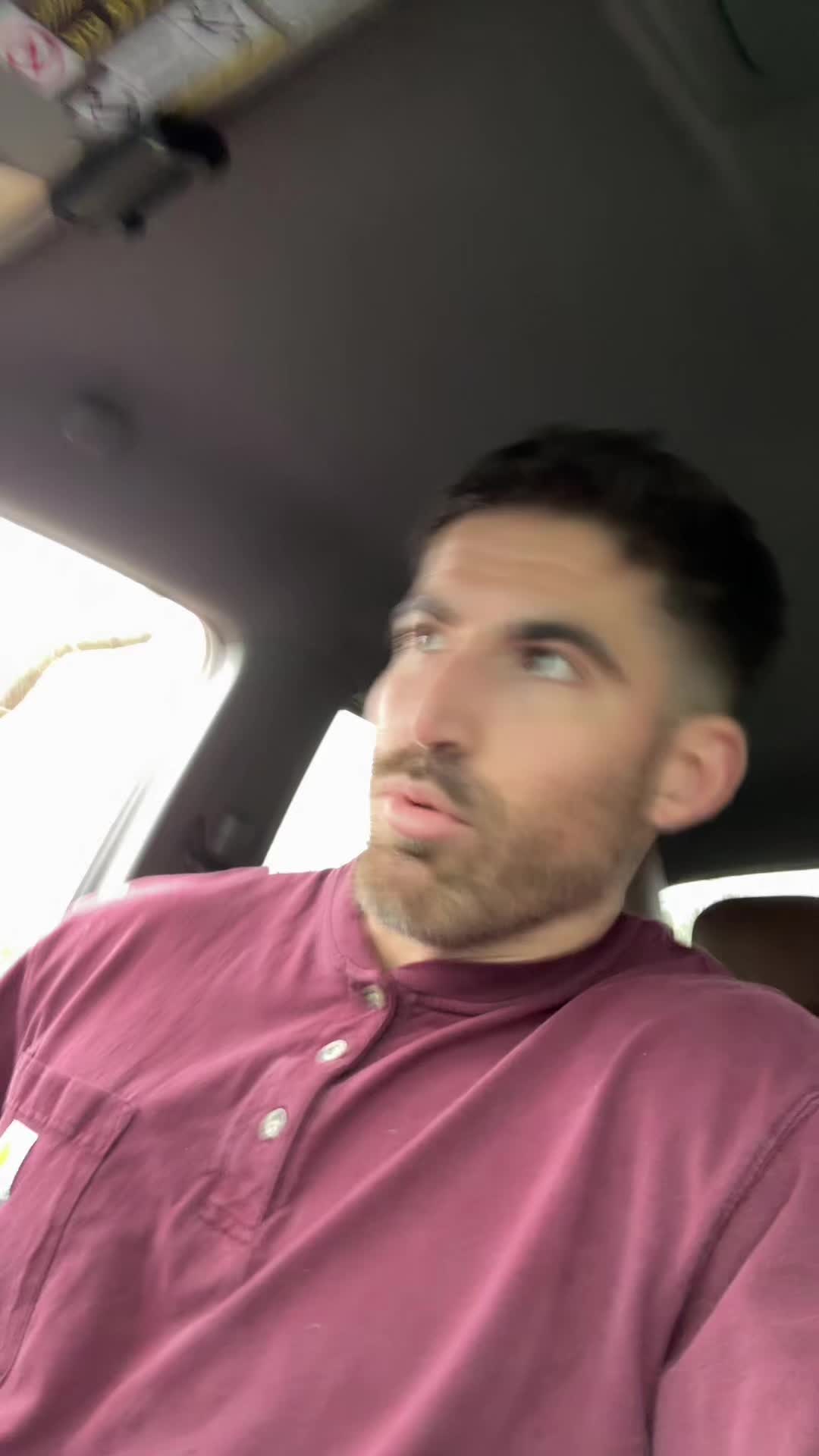 2.1M2.6×Car rant debunking who actually drives the national debt@bradley.thor · Hot Take
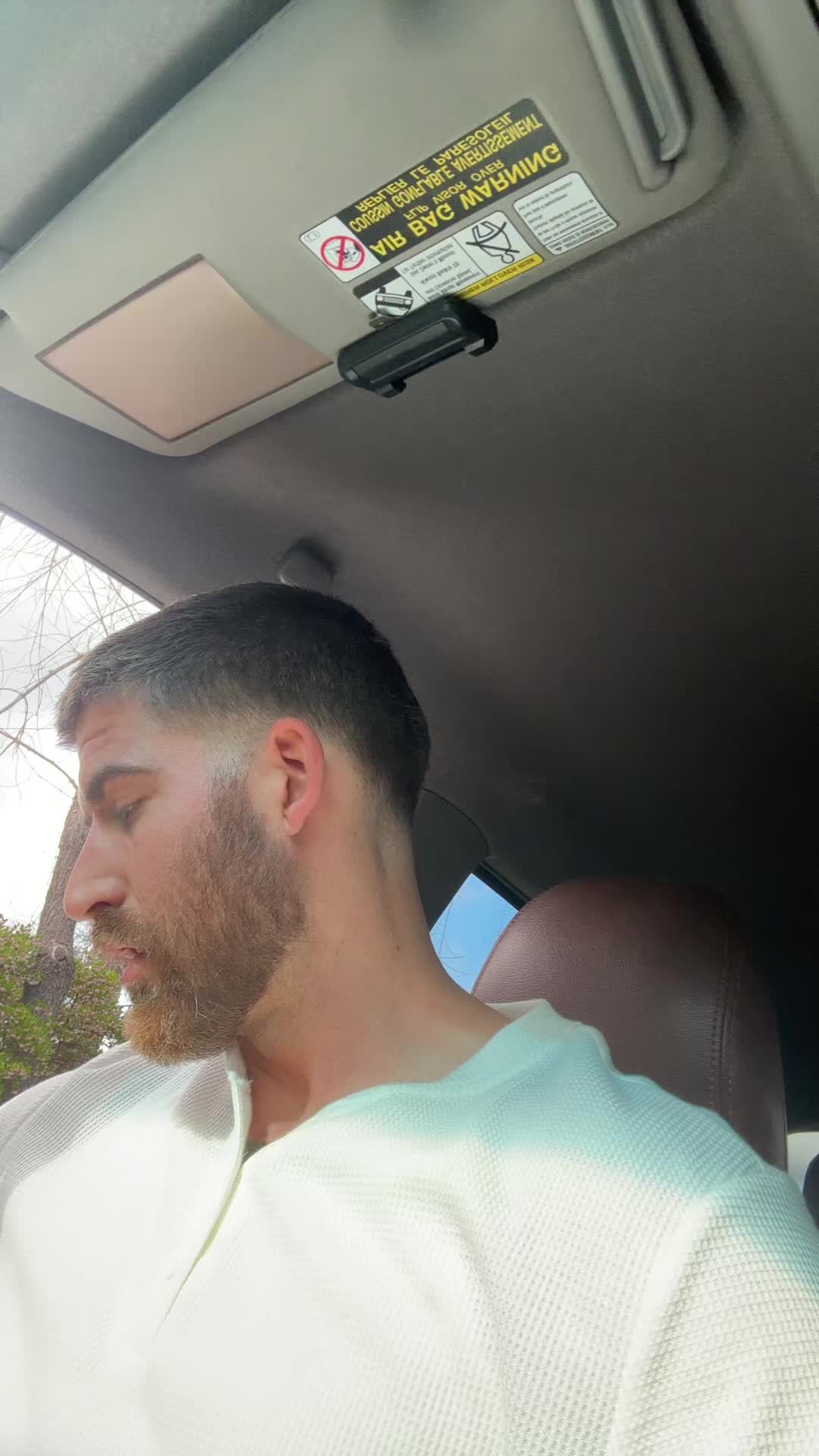 781KRural guy warns small farmers their land is at risk from deregulation@bradley.thor · Vulnerable Monologue
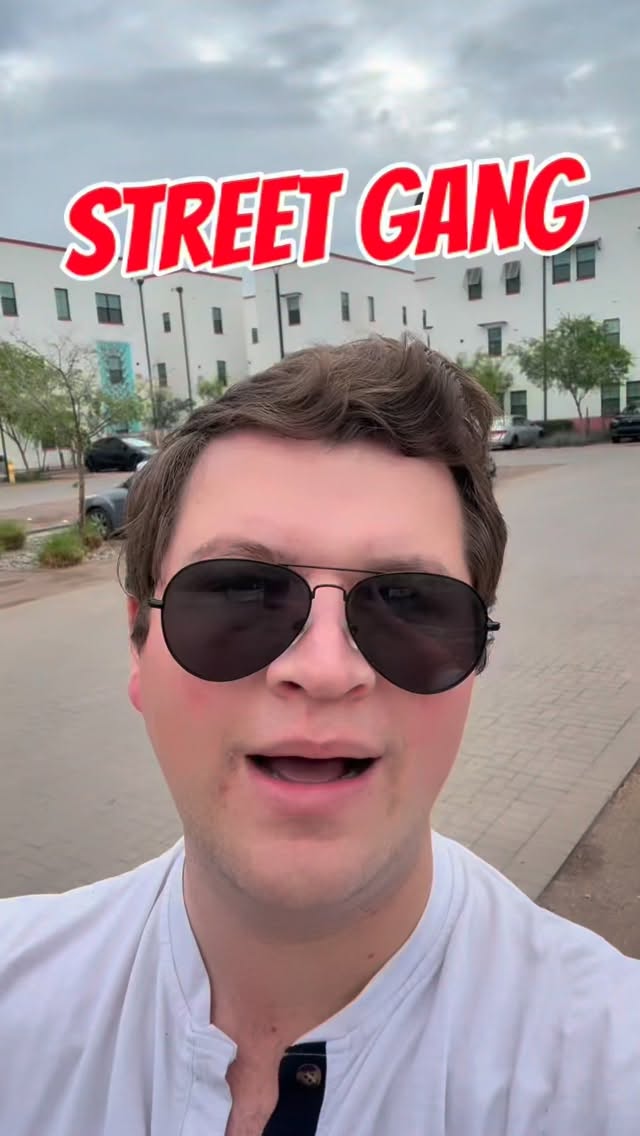 302.9K1.6×Satirical pitch for positive street gang@fritzthedev · Satirical Advice
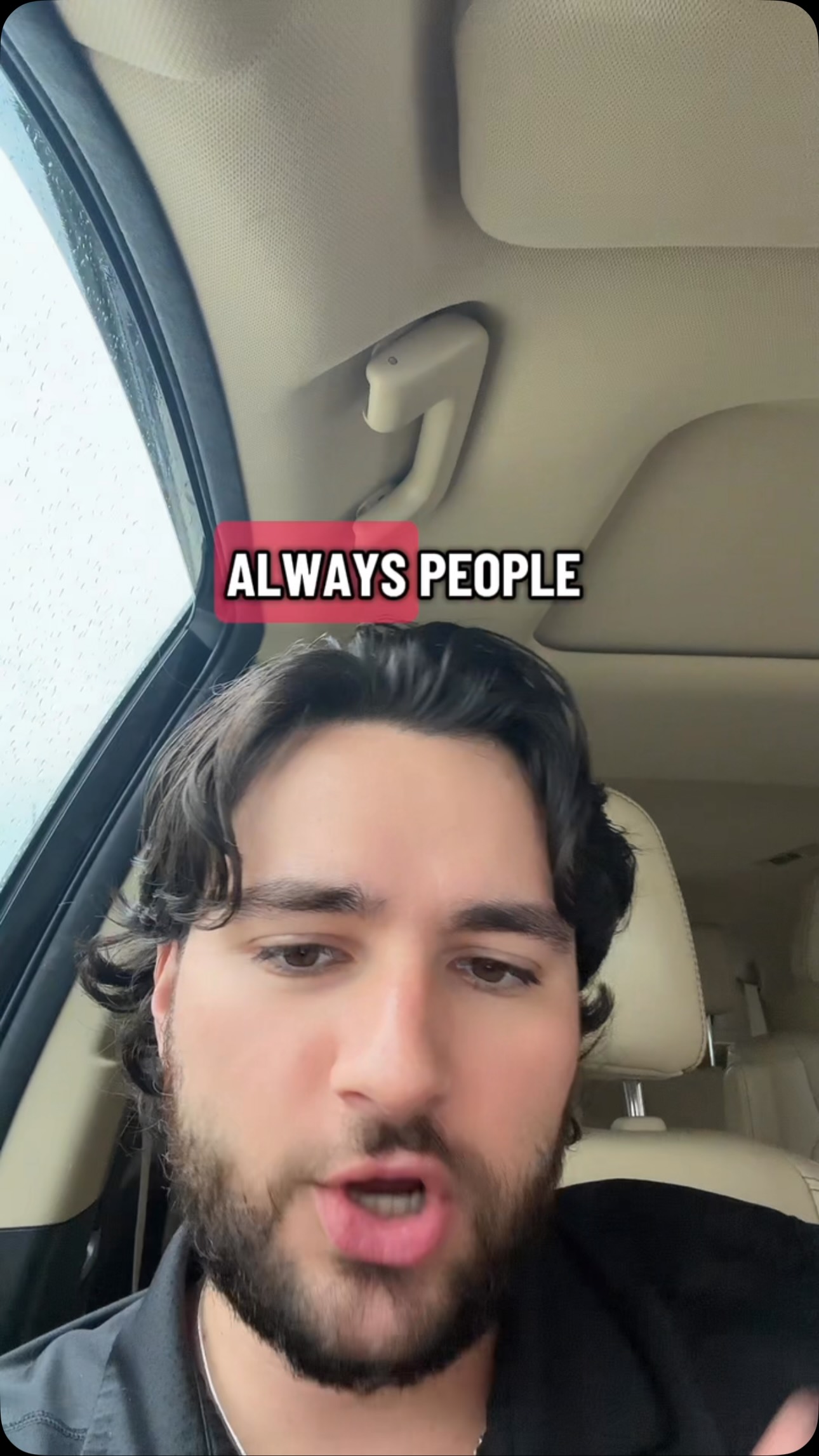 844.9K14.5×Split screen political commentary rant@womp_tomp · Reaction
 519.8KCreator refutes three common arguments in favor of economic tariffs@bradley.thor · Breakdown
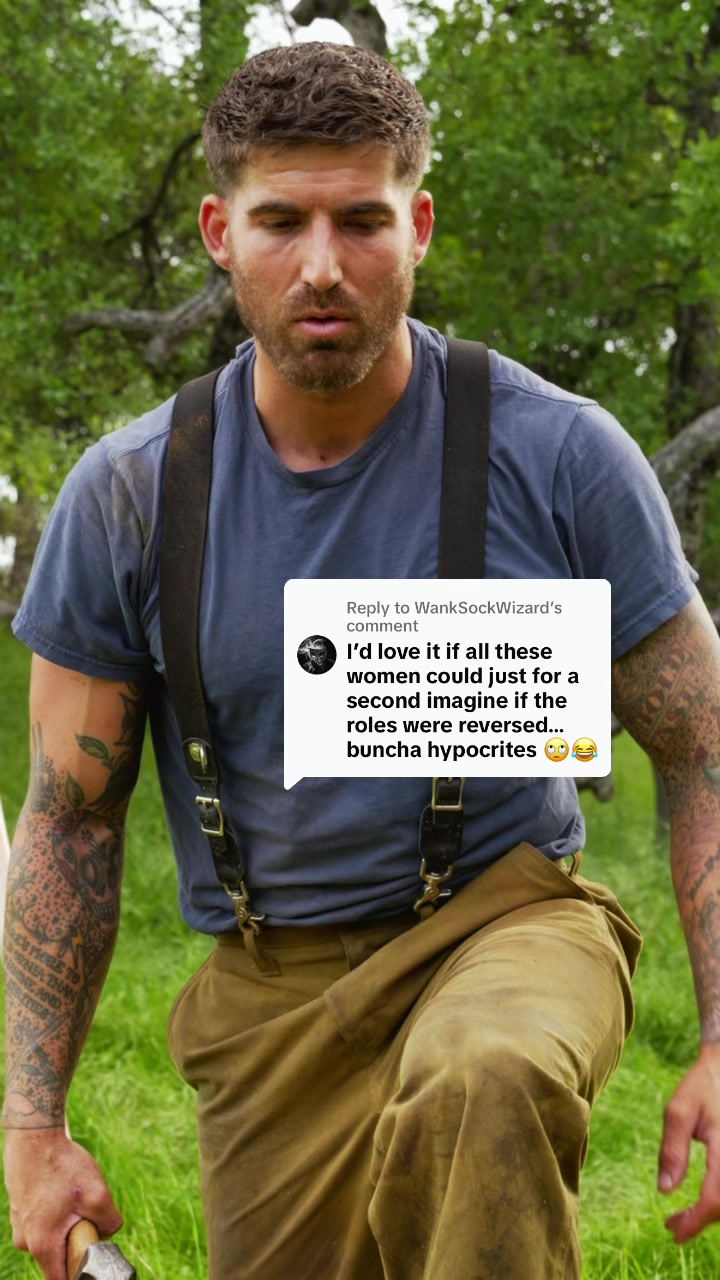 1.1M1.3×Creator dismantles the reversed gender roles argument with an analogy@bradley.thor · Breakdown
 379.7KGuy chopping wood rants about why both political parties are the same@bradley.thor · Hot Take
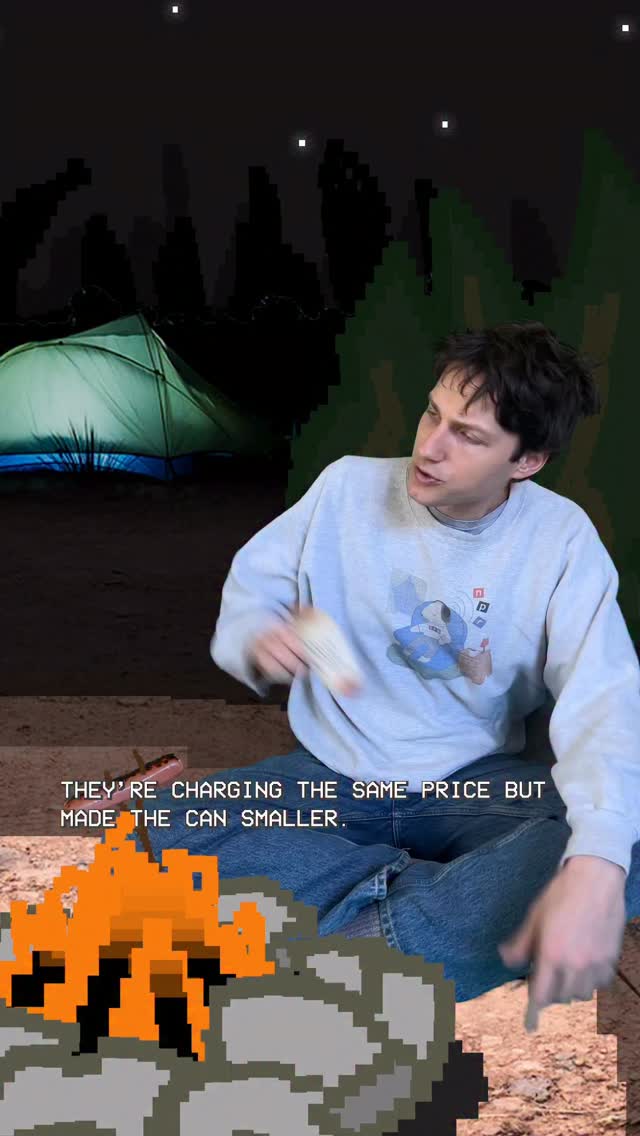 648.6K38.1×Skit explains complex economic topic@npr · Breakdown
[04]
[05]
What stops the scroll in the first 3 seconds
Title hook
Simple
Verbal hook
Simple solution, two armed guards outside of every school.
Visual hook
An extreme low-angle, close-up shot of the creator's face as he rests his head on his hand with a weary expression.
[07]
The promise the opener makes, and how the video pays it back
Hook
The 'Antagonist' character states an overly simplistic, definitive solution to a complex and emotionally charged issue, presented as an obvious truth.
Payoff
The 'Loop Closure Checkmate': The Protagonist demonstrates how the Antagonist's new, pivoted solution is a perfect example of the very thing their core ideology claims to oppose, trapping them in a logical loop and ending the video on the unresolved contradiction.
[08]
The structural pattern this video runs on
Framework
The Socratic Trap
A two-character dialogue where one character uses seemingly agreeable, logical questions to lead another character into exposing the contradictions of their own simplistic argument. The creator plays both roles, using a simple change in camera angle or head position to differentiate them.
The Consequence Probe
The 'Protagonist' character feigns agreement but immediately introduces an undesirable, real-world consequence or cost of the proposed solution (e.g., financial, social).
The Vague Dodge
The Antagonist dismisses the consequence without a concrete plan, offering a poorly defined, hand-waving alternative to avoid addressing the problem raised.
The Ideological Reframe
The Protagonist takes the Antagonist's vague alternative and re-labels it using the terminology of a political or social ideology the Antagonist is implicitly against, all while enthusiastically agreeing with it.
The Panic Pivot
The Antagonist, recoiling from the ideological label, hastily proposes a new, slightly more complex but equally flawed solution (often involving creating a new system or bureaucracy) to distance themselves from the reframe.
Sounds like we need more government programs then huh
Simple solution, two armed guards outside of every school. Done. Cool. Sounds like it's gonna raise taxes a little bit. You cool with that? I'm down. No. I don't know. It's not gonna raise taxes. We're gonna use... It's... We're gonna use... We use the money government already has. Oh, so allocating funds, taking them away from, say, a war machine, putting it back into government programs that help people live better lives? Cool. Sounds like social democracy. I'm in. No. No. No. It's not that. It's just... It's a new... It's like we create, like, the TSA. We create that for schools, SSA, School Safety Administration. Cool. Sounds like a government program. We cut, like, a 100 of them. So maybe bring those back down.