@themarcsinan
Instagram · Carousel
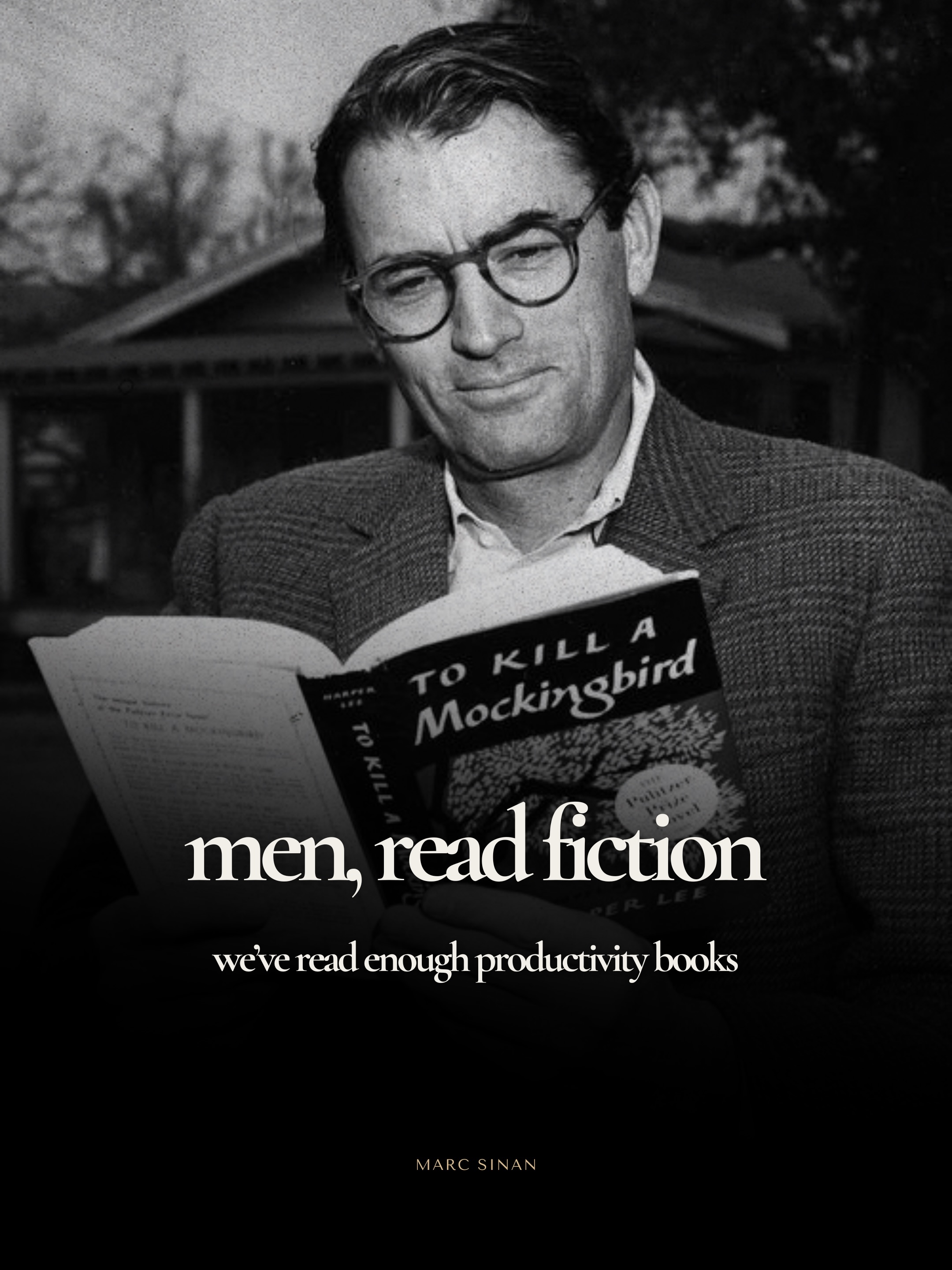
@themarcsinan I don’t think everything we read needs to “improve” us. Sometimes I just want to know who murdered the rich uncle 🥃📚

@themarcsinan
Instagram · Carousel
@themarcsinan I don’t think everything we read needs to “improve” us. Sometimes I just want to know who murdered the rich uncle 🥃📚
Performance
Video #46378 · Carousel
[01]
This is a nine-slide Instagram carousel that makes a case for men to read fiction. It critiques the modern male obsession with productivity and self-help literature, arguing that fiction offers unique benefits like empathy, taste, and a richer inner life, without needing to be 'useful' in a business sense.
[02]
[03]
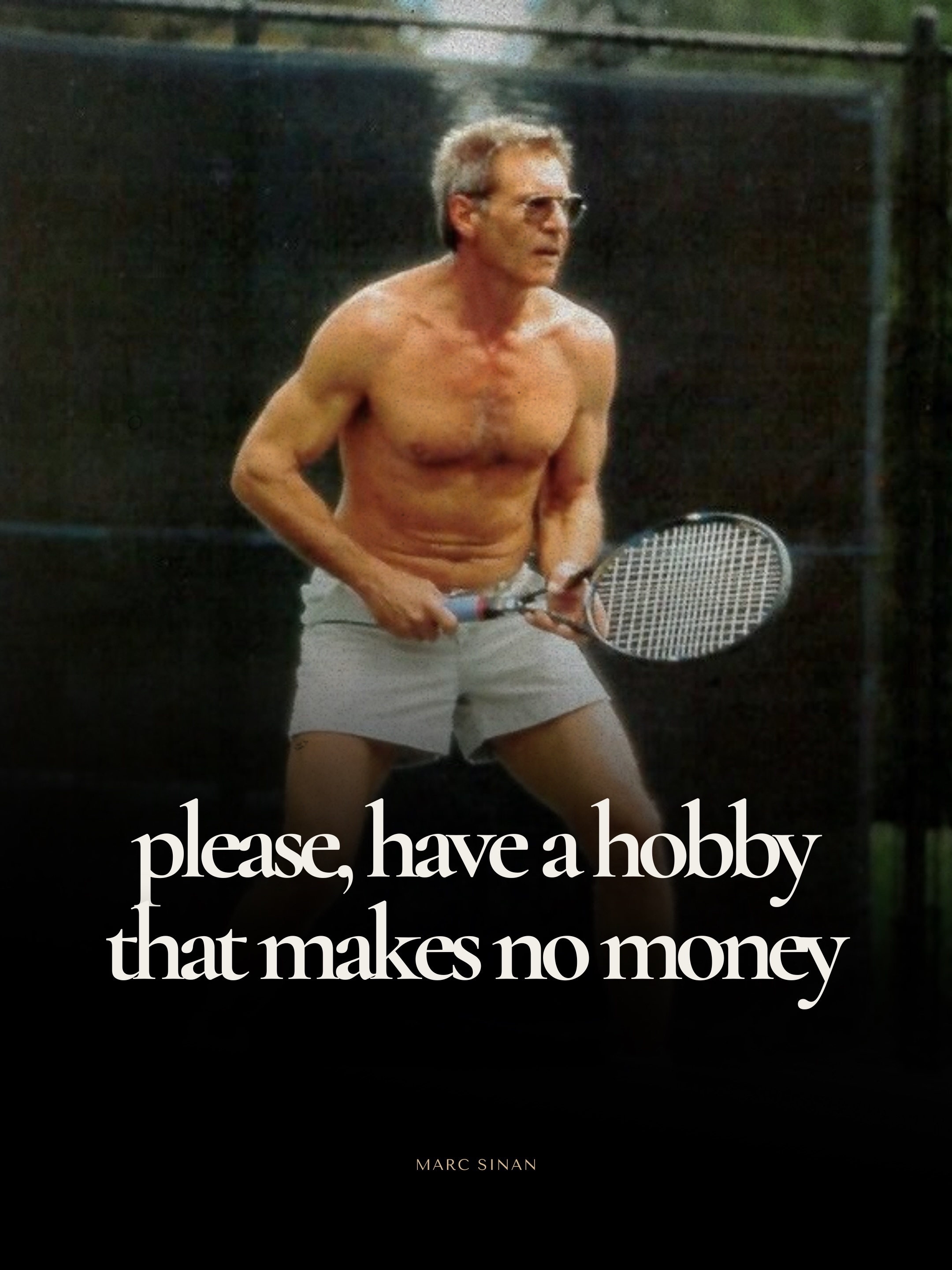 138.2KPhilosophical carousel about unproductive hobbies@themarcsinan · Statement Carousel
 229.2KInspirational guide to romanticizing life.@hiimlialol · Guide Carousel
 188.5KAesthetic guide to romanticizing life.@hiimlialol · Guide Carousel
 337.3KSeven pieces of motivational advice with travel photography@angelagiakas · Statement Carousel
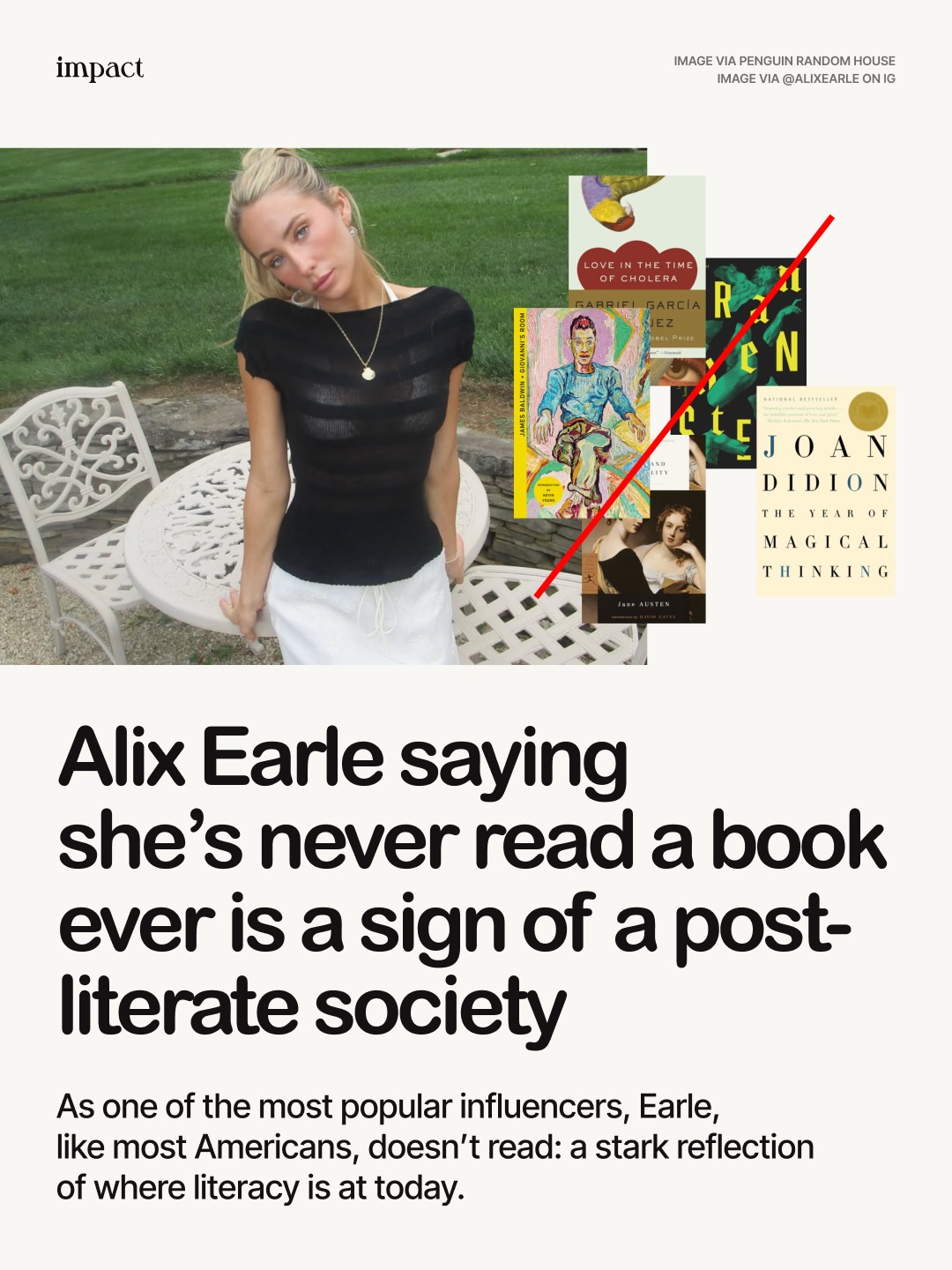 1.9M11.9×Influencer reading habits social commentary@impact · Editorial Carousel
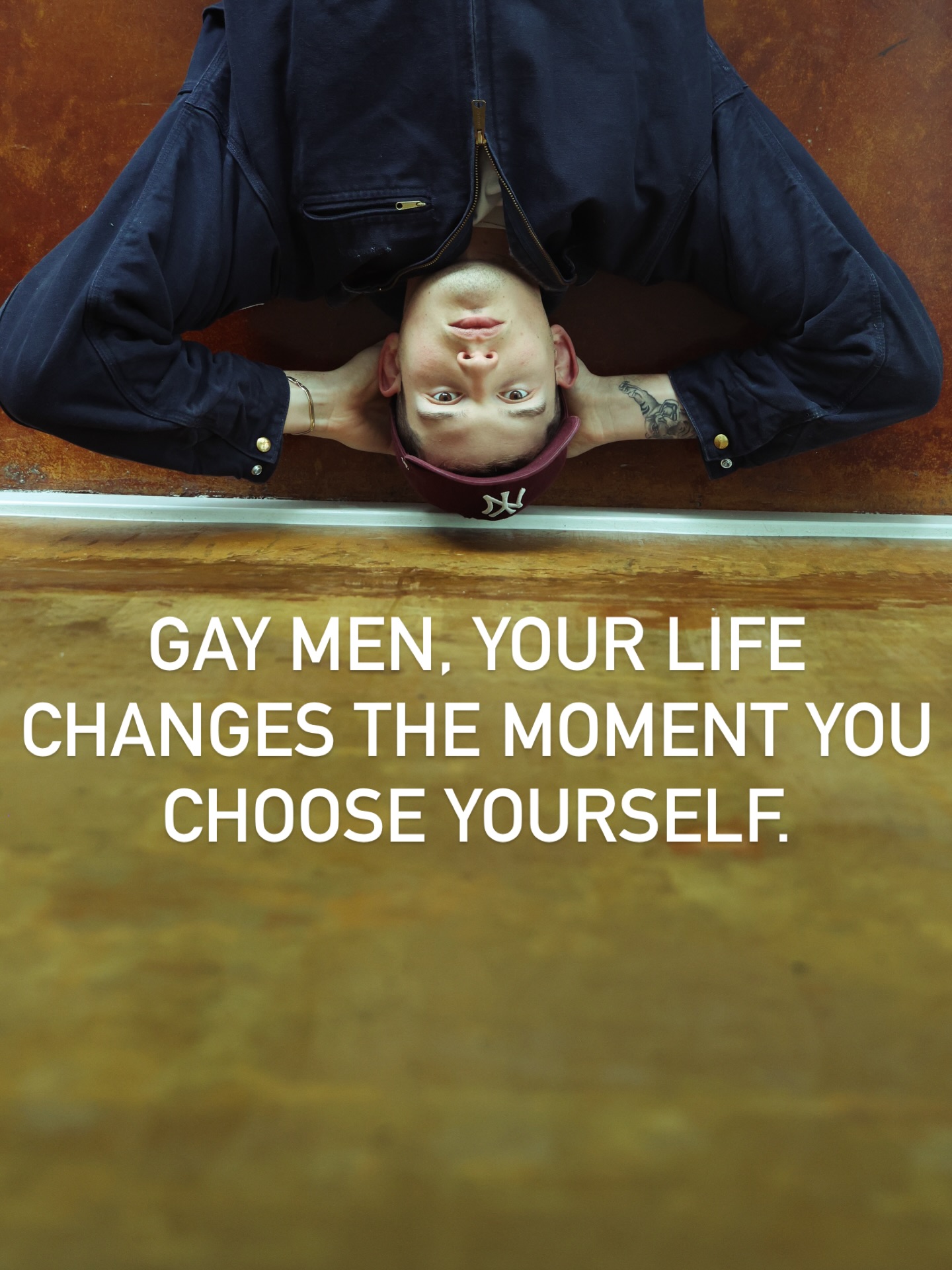 276.2K53.4×Motivational photo series for gay men.@ethandressen · Statement Carousel
 1.1M4.8×Relatable relationship meme carousel post@peytonknight · Statement Carousel
 572.4KInspirational photo guide on being alone@hiimlialol · Guide Carousel
 102.5KAspirational lifestyle self-improvement photo guide@alexeubankbusiness · Guide Carousel
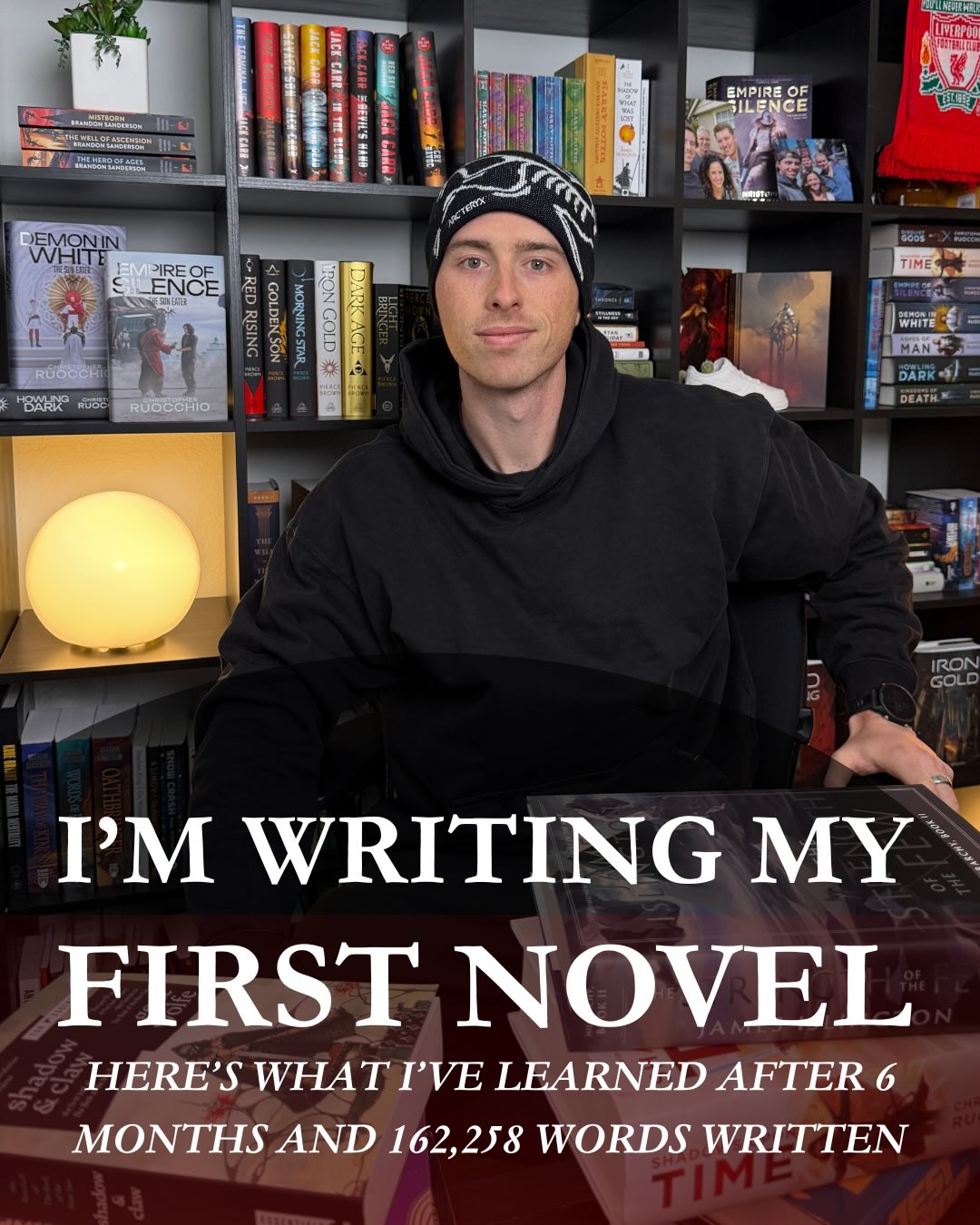 40.7KAuthor shares lessons from writing a novel.@tclarkmedia · Guide Carousel
 800.6KCarousel of motivational life advice quotes@workinghardpod · Statement Carousel
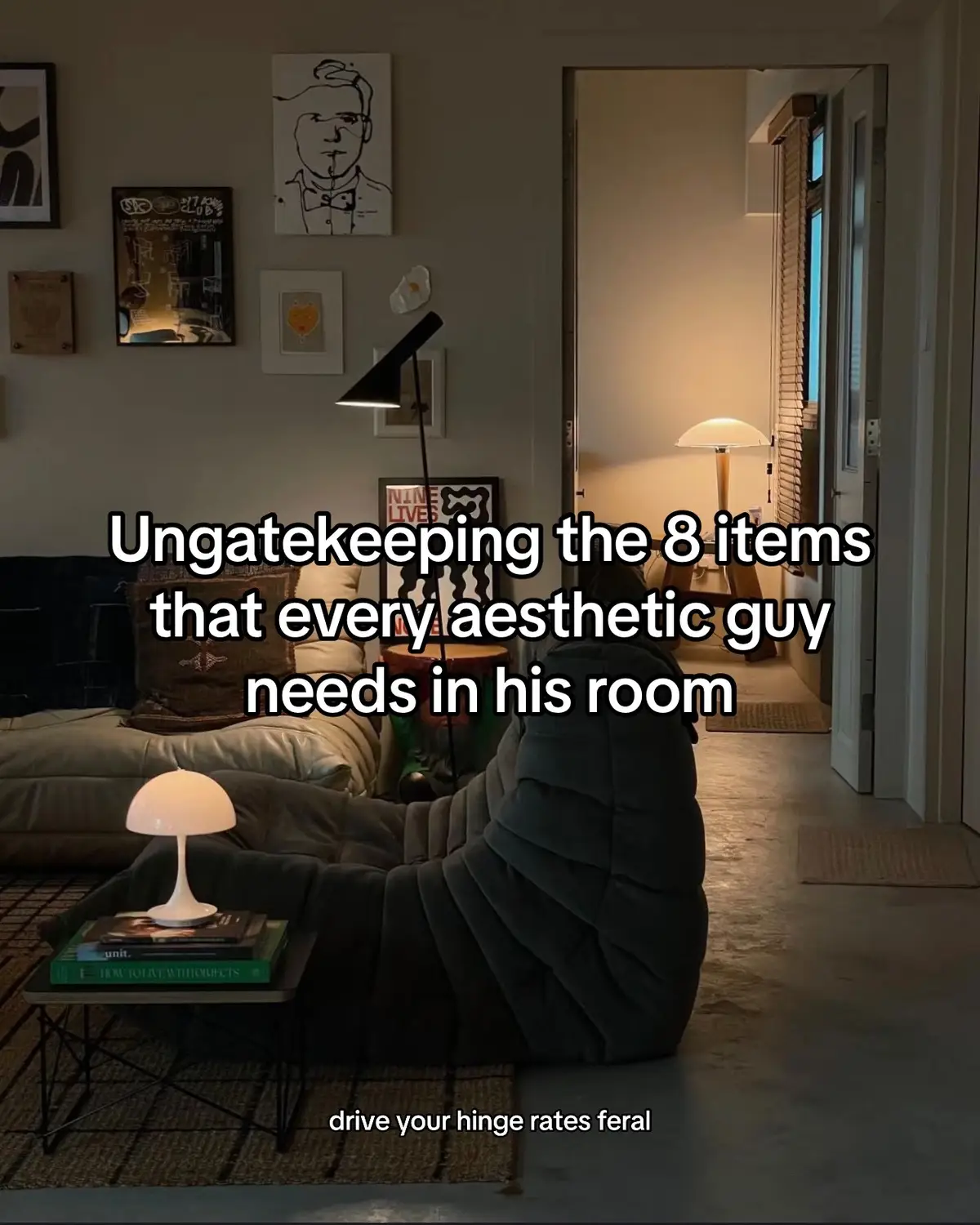 460.9KAesthetic men's room essentials list@dalbytheduck · Guide Carousel
[04]
[05]
What stops the scroll in the first 3 seconds
Title hook
men, read fiction we've read enough productivity books
Verbal hook
I don’t think everything we read needs to “improve” us.
Visual hook
The first image is a striking black-and-white photograph of a classic, masculine figure (Gregory Peck) engrossed in a book. The high contrast and nostalgic feel create a strong pattern interrupt in a typical colorful social media feed, immediately establishing the post's theme.
[07]
The promise the opener makes, and how the video pays it back
Hook
The carousel opens with a direct, provocative command aimed at a specific audience, immediately establishing the core thesis and challenging a common behavior. (Slide 1)
Payoff
The framework concludes with a simple, empowering mandate that reframes the entire activity as a source of personal enjoyment rather than a duty or a tool for self-improvement, providing a liberating final call to action. (Slide 9)
[08]
The structural pattern this video runs on
Framework
The Manifesto Framework
This framework makes a persuasive argument for a contrarian viewpoint. It begins with a bold thesis, defines a 'common enemy' or flawed status quo, systematically builds a case with a series of distinct benefits, and concludes by removing barriers to adoption and offering a liberating final thought.
The Cultural Diagnosis
Establish the core conflict by creating a sharp contrast between the audience's current, socially-accepted behavior and the proposed alternative, framing the proposed behavior as misunderstood or unfairly judged. (Slide 2)
The Status Quo Caricature
Illustrate the negative extreme of the current behavior, painting it as restrictive, one-dimensional, or unfulfilling. This validates the audience's potential dissatisfaction and creates a desire for change. (Slide 3)
The Philosophical Reframe
Introduce the first major argument by challenging the underlying values of the status quo. This beat shifts the audience's perspective on what constitutes 'value' or 'success' regarding the topic. (Slide 4)
The Benefit Stack
Deliver a rapid succession of distinct, compelling arguments for the proposed behavior. Each slide in this sequence presents a different angle of value, such as emotional, social, or intellectual benefits. (Slides 5-7)
The Pressure Release
Systematically dismantle the barrier of perfectionism. This beat gives the audience explicit permission to engage with the new behavior in a low-stakes, imperfect, or 'entry-level' way, making adoption feel more accessible. (Slide 8)
I don’t think everything we read needs to “improve” us. Sometimes I just want to know who murdered the rich uncle 🥃📚
title · photo_0
men, read fiction we've read enough productivity books MARC SINAN
informational · photo_1
apparently this is feminine now A man reading a novel in a café? Performative. Feminine. Try hard. A man listening to a three-hour podcast about becoming more alpha at 1.5x speed? Self-improvement. Interesting.
informational · photo_2
the average male reading list How to make money. How to wake up earlier. How to negotiate. How to become disciplined. How to stop caring what people think. At some point, your bookshelf starts looking like an employee training programme.
informational · photo_3
a novel has no business plan It might take you to 1920s Paris. Or inside a miserable marriage. Or into the mind of a detective trying to work out who poisoned the uncle. And none of it needs to be "useful." And that's rather the point.
informational · photo_4
spend time with people unlike you I think one of the strange pleasures of fiction is finding yourself completely invested in someone you wouldn't understand in real life. A woman twice your age. A criminal. A terrible husband. A frightened child. Someone from a country you've never visited. For a few hundred pages, their world becomes yours.
informational · photo_5
it gives you better things to talk about There are only so many conversations a man can have about: business, the gym, vibe coding, morning routines, and whether seed oils are apparently killing us. Read a few novels. For everyone's sake.
informational · photo_6
fiction feeds taste Good stories introduce you to places, eras, manners, language, clothes, architecture, food, relationships, music. You start collecting references without really trying. Taste rarely comes from someone handing you a list called "10 Ways to Develop Better Taste."
informational · photo_7
please read some rubbish Not every book has to be Tolstoy. Buy the airport thriller. Read the ridiculous romance. Spend Sunday finding out who murdered the wealthy family patriarch. If you can't put it down, it's doing its job.
informational · photo_8
read what you actually enjoy Read the serious novel. Read the trashy one. Read something weird because you liked the cover. You already have enough things in your life telling you how to improve.