@colossus.production
Instagram · Faceless
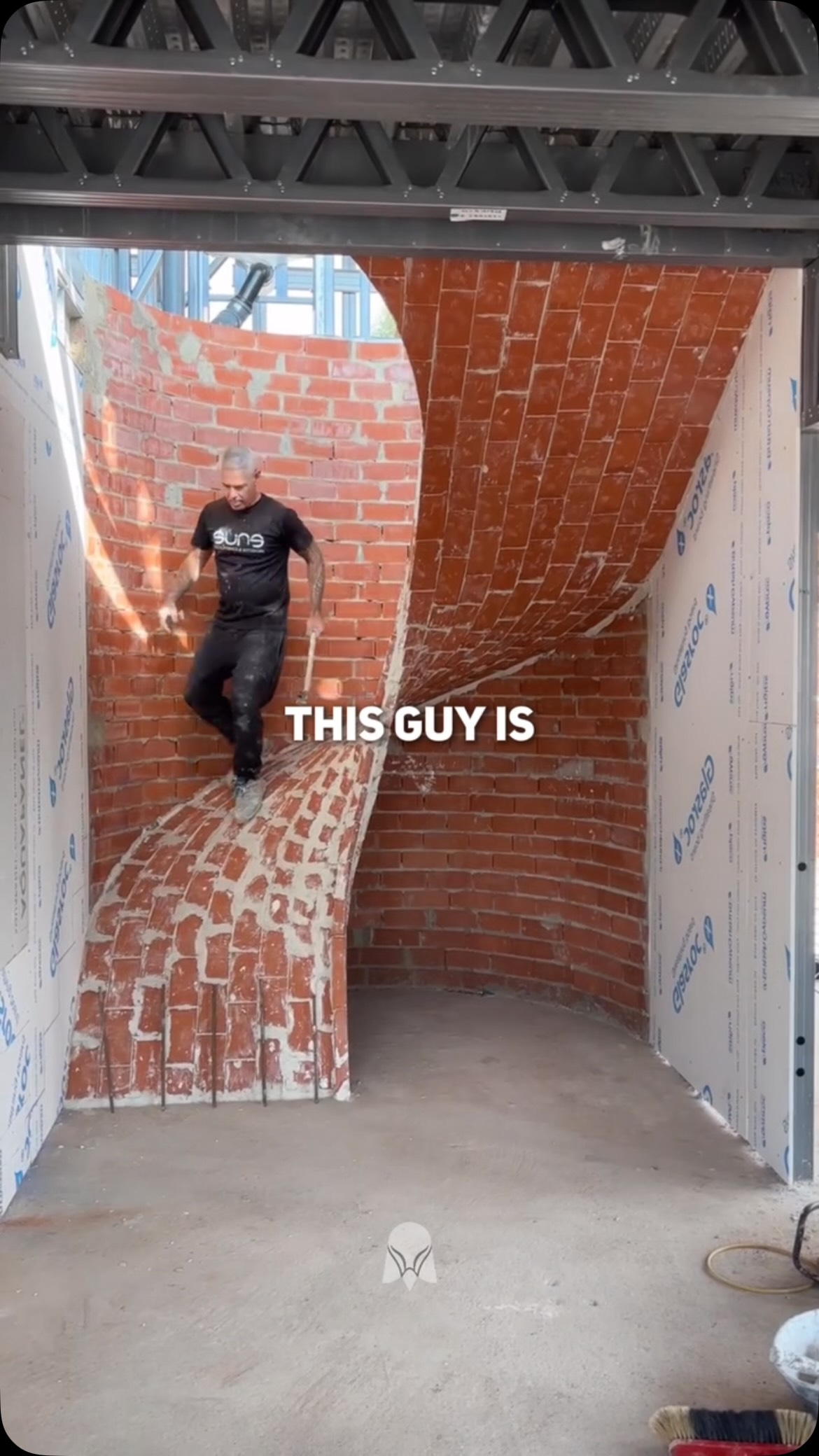
@colossus.production A Staircase Without Support.

@colossus.production
Instagram · Faceless
@colossus.production A Staircase Without Support.
Performance
Video #46687 · Faceless
[01]
The video showcases a traditional Spanish construction method for building a self-supporting, curved brick staircase. The narrator explains the process, starting with a man standing on the seemingly unsupported structure, then contrasts it with typical construction methods. The video details the process of laying the initial brick vault by hand, reinforcing it with rebar and cement, building the steps, and concludes by showing the strong, finished staircase and mentioning the technique's 700-year history.
[02]
[03]
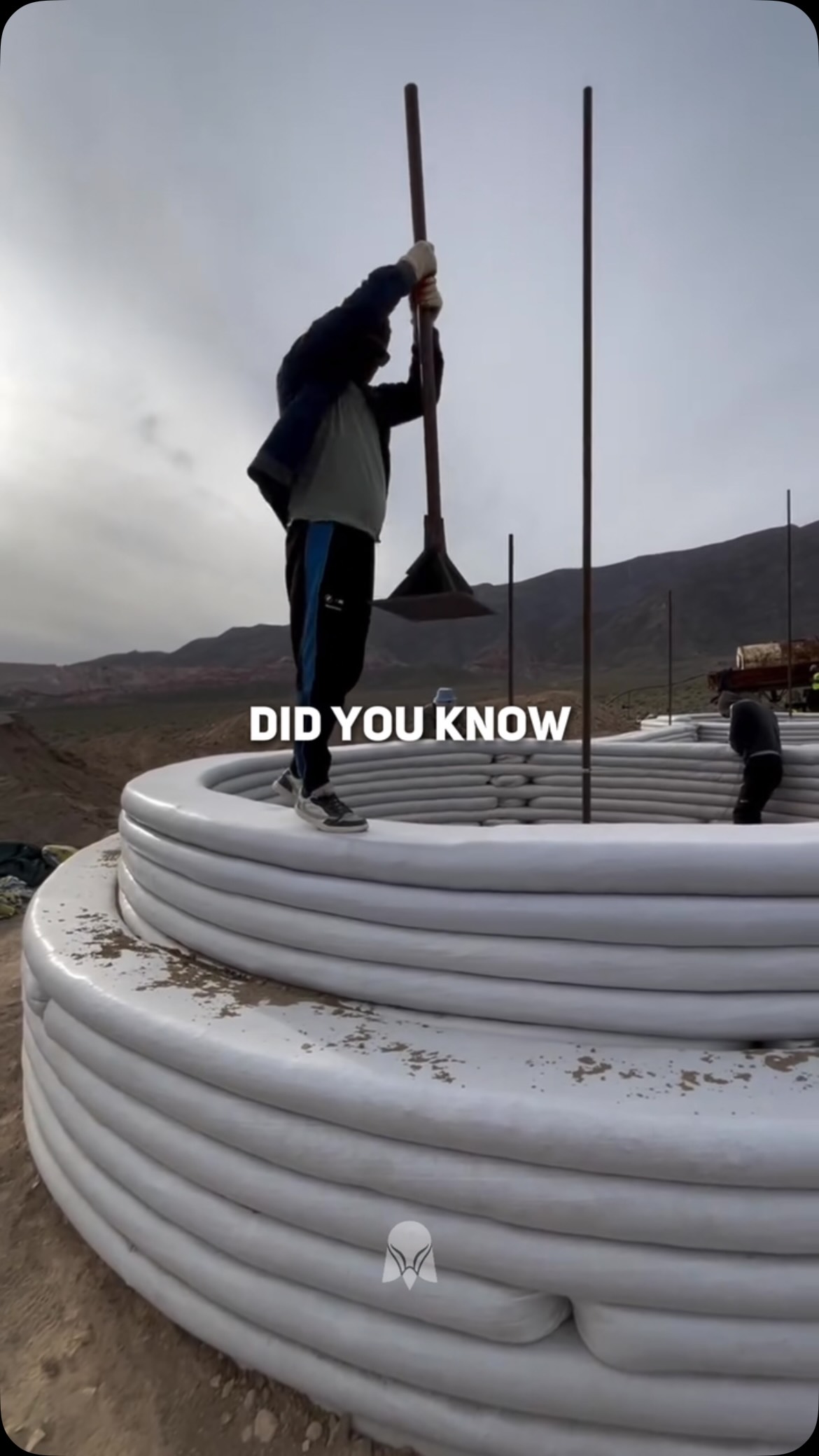 2M81.2×Faceless voiceover construction process breakdown@colossus.production · Breakdown
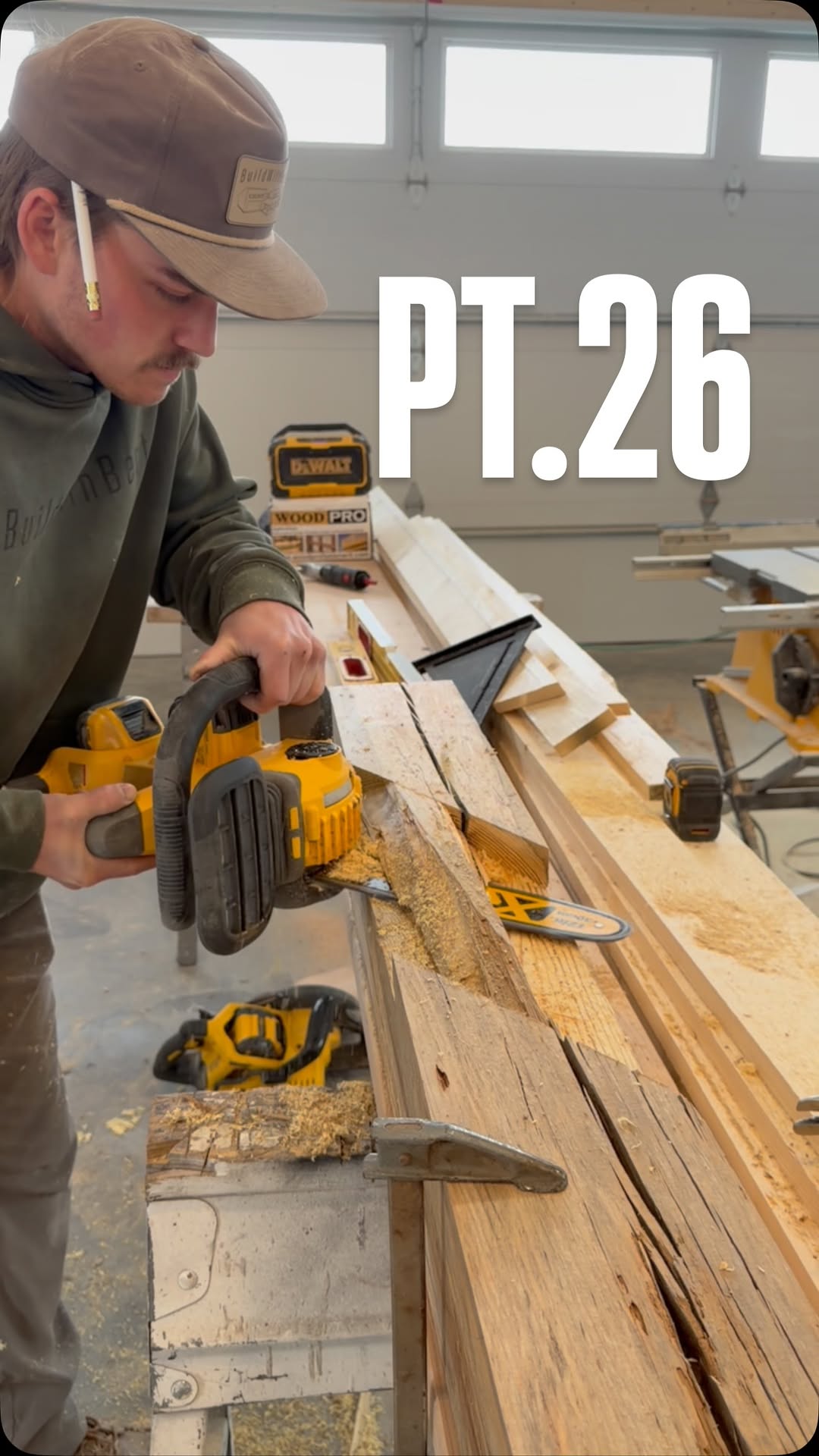 2.4M1.4×Process of building garage stairs@buildwithbert · Process
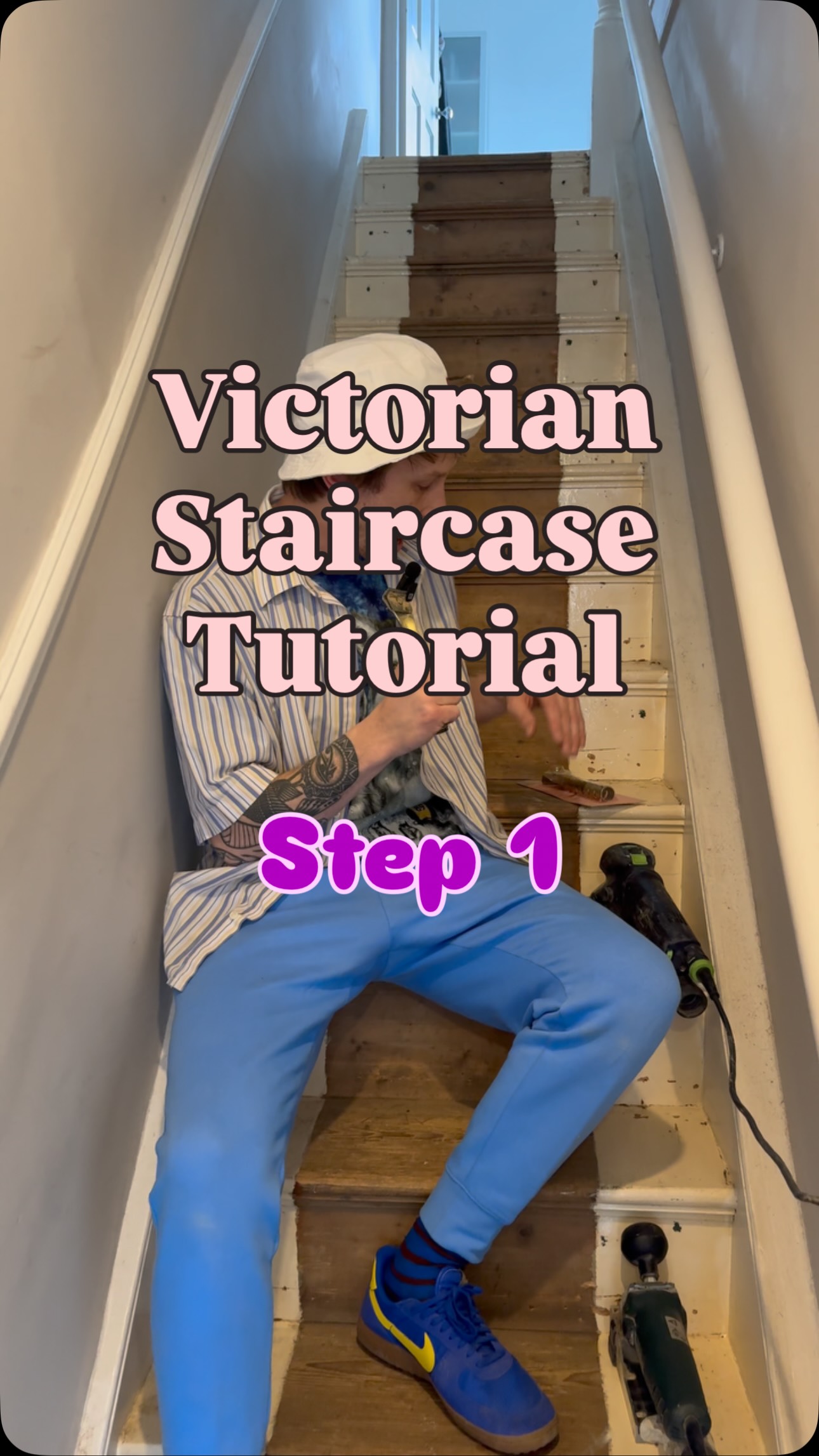 661.9K3.1×Staircase restoration how-to guide@danny_sandhouse · Tutorial / How To
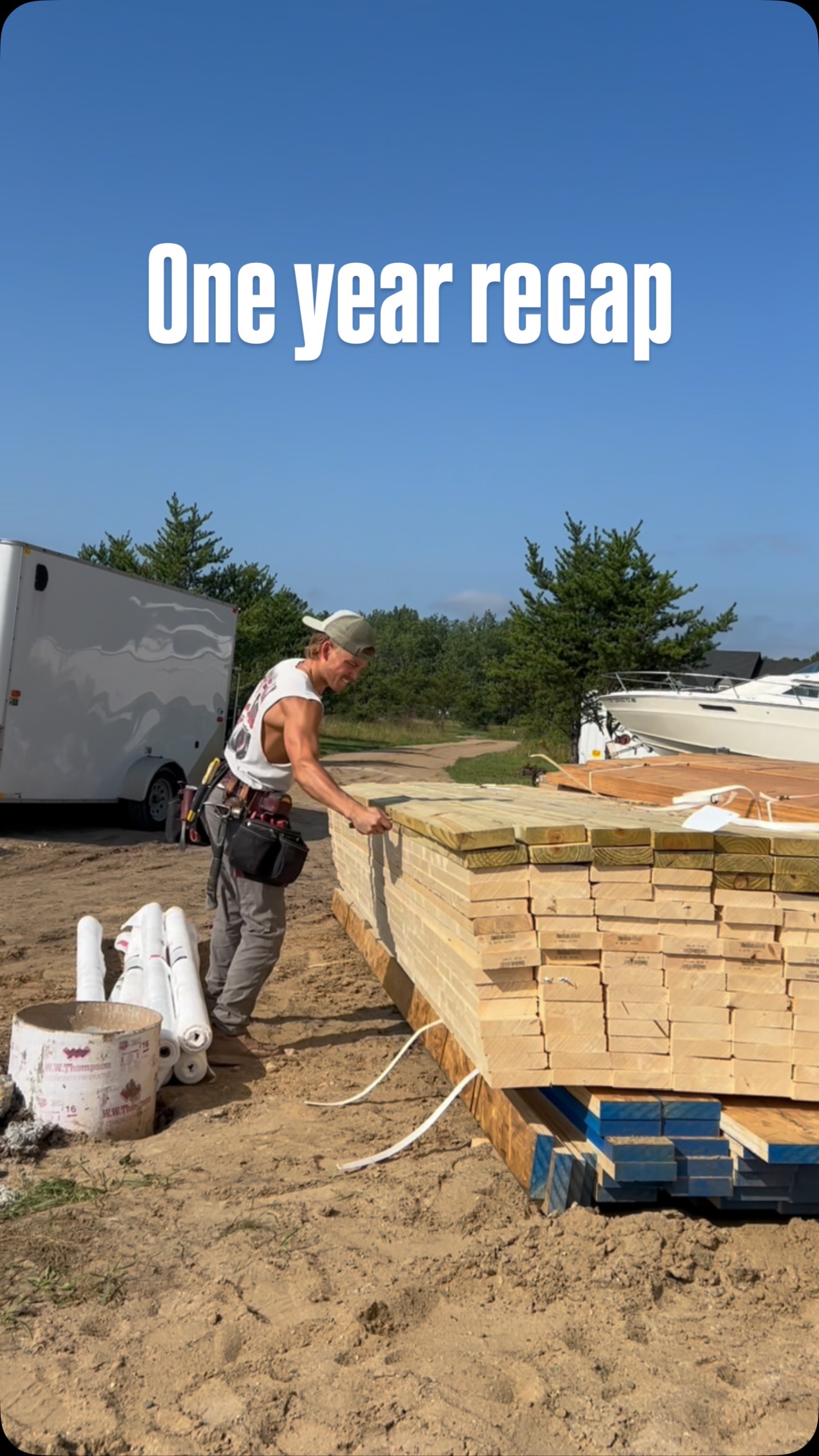 25.9M19×One year house building journey@buildwithbert · Journey Documentation
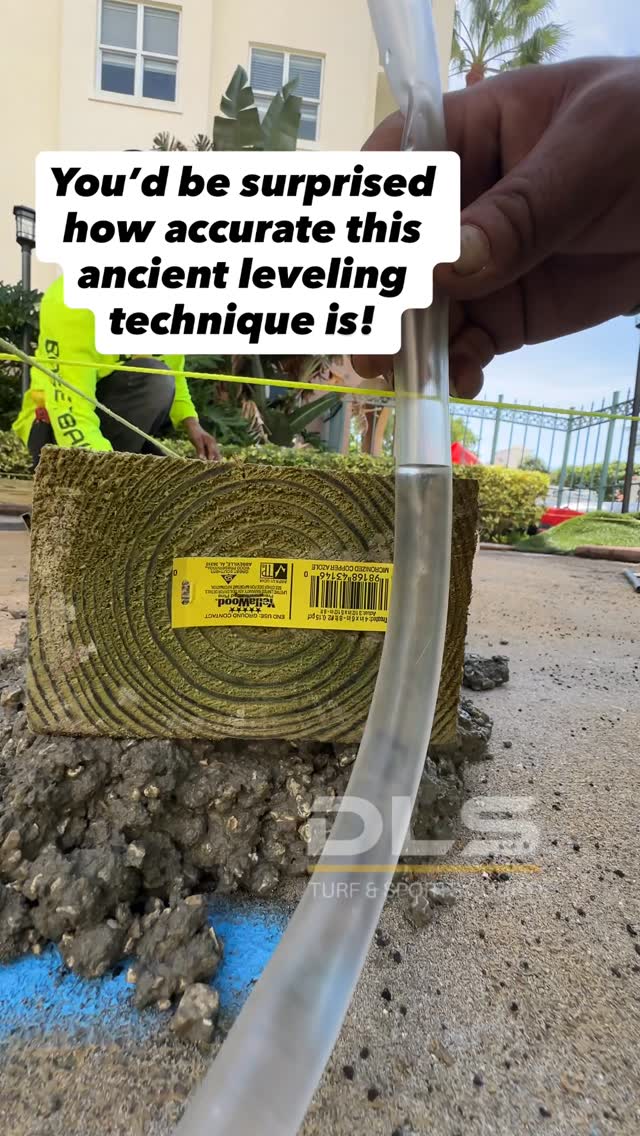 4.2M293.2×Showing an ancient leveling technique@dlsturfcourts · Tutorial / How To
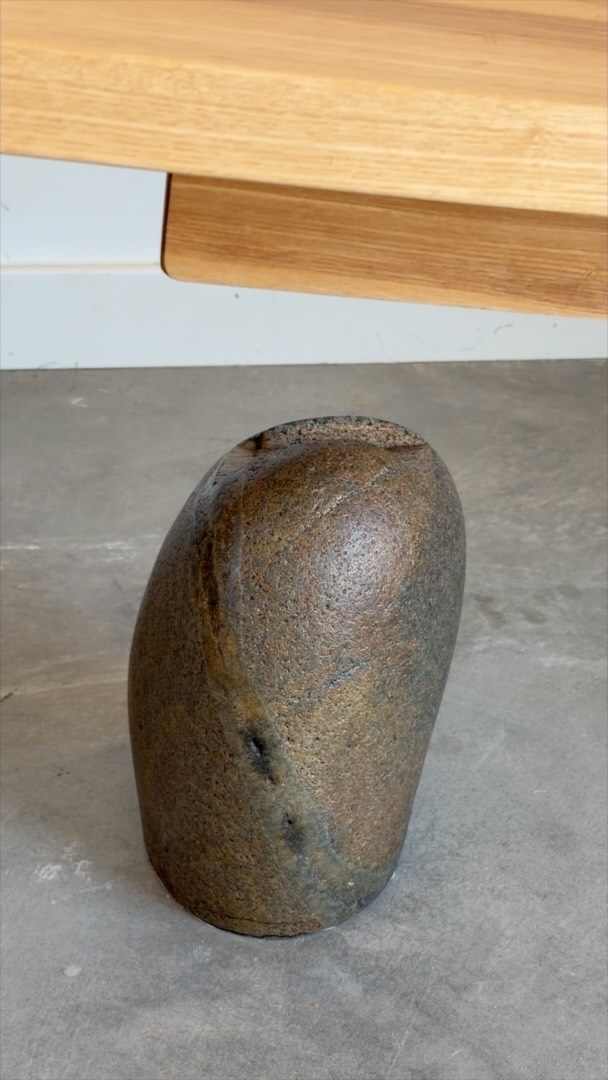 14.3M840.6×DIY wood and stone bench@highdesertdesignweek · Tutorial / How To
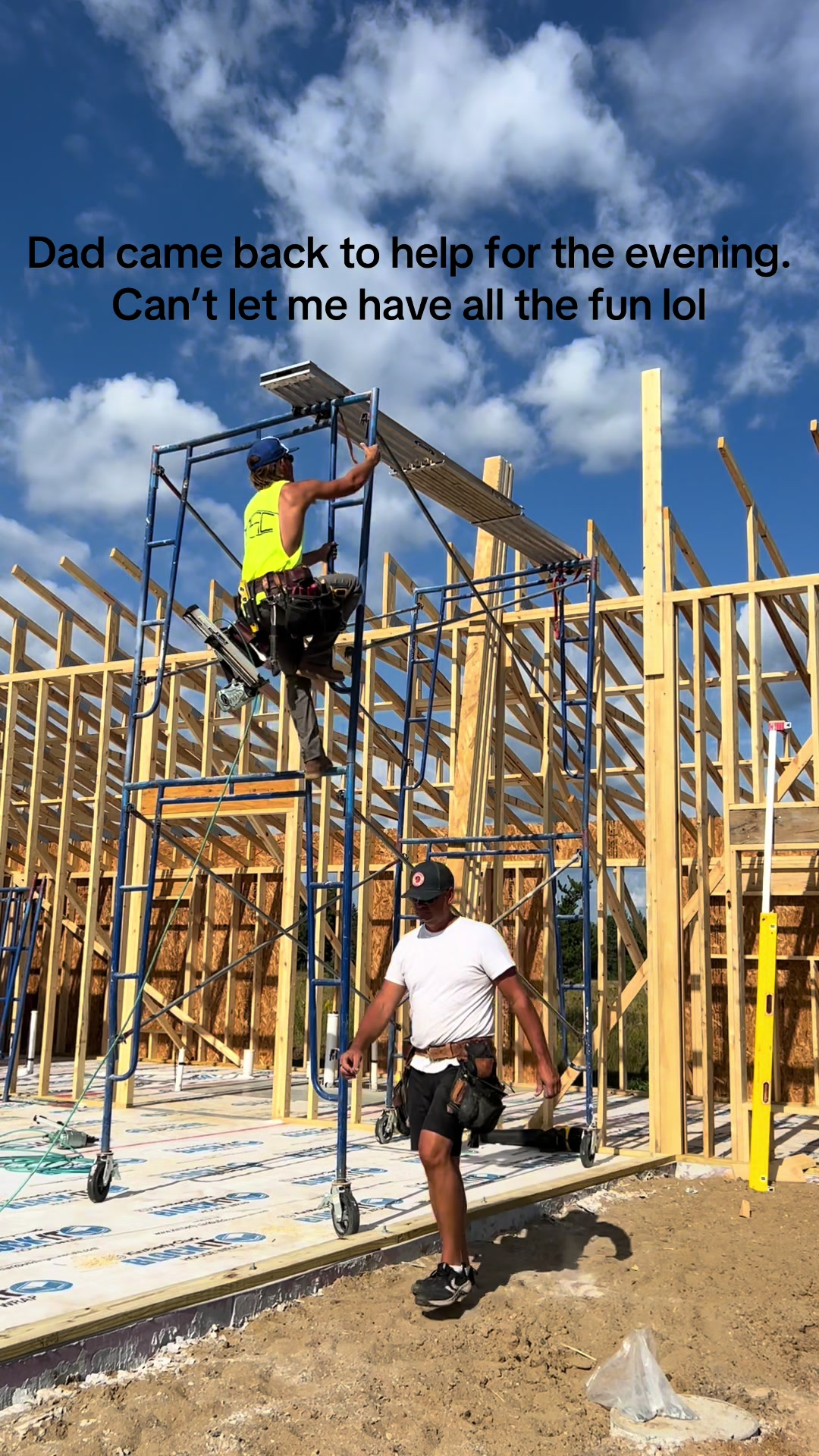 1.2M1.3×DIY house building process vlog@buildwithbert · Journey Documentation
 3.7MDocumenting water tower renovation progress.@bardneywatertower · Before/After Transformation
 2.4MDIY custom shelving wall process@another_beautiful_day_official · Process
 72.5M107.3×Satisfying tile work process@artem_chiba · Process
 1.2M1.3×Documenting solo house build process@buildwithbert · Journey Documentation
 1.2M1.4×DIY house build progress update@buildwithbert · Journey Documentation
[04]
[05]
What stops the scroll in the first 3 seconds
Title hook
THIS GUY IS EITHER A MADMAN OR A GENIUS
Verbal hook
This guy is either a madman or a genius.
Visual hook
A man stands confidently on a thin, curved brick staircase that appears to have no visible support, creating immediate visual intrigue and questioning the laws of physics.
[07]
The promise the opener makes, and how the video pays it back
Hook
Present a visually paradoxical or counter-intuitive action that immediately raises the question 'How is this possible?' and frames the subject with a high-stakes binary judgment like 'madman or genius'.
Payoff
The payoff is a multi-layered resolution: a visually stunning final product, the intellectual satisfaction of understanding a complex process, and the final revelation that this seemingly reckless method is actually a time-honored, legitimate craft.
[08]
The structural pattern this video runs on
Framework
The Paradox-to-Process-to-Proof Formula
To hook viewers with a visually confusing or seemingly impossible outcome, then systematically deconstruct the unique process that makes it possible, and finally validate the method with a satisfying reveal and an appeal to historical authority.
The Conventional Contrast
Briefly explain the typical, expected method for achieving a similar result. This establishes a baseline of normalcy and accentuates the abnormality and skill of the technique being showcased.
The Method Deconstruction
Reveal and explain the core, unconventional technique. This begins to resolve the initial mystery by breaking down the 'secret' into understandable, sequential actions.
The Vulnerability Clause
Introduce a complication or clarification that the process isn't complete or safe in its current state. This maintains tension by revealing a hidden vulnerability and setting up the need for a subsequent step.
The Reinforcement Resolution
Demonstrate the crucial step that ensures the final product's integrity, strength, and safety. This fully resolves any lingering questions about viability and provides technical satisfaction.
The Aesthetic Payoff
Showcase the fully completed, aesthetically pleasing result of the process, providing a strong visual payoff and a sense of awe and completion.
The Legacy Anchor
Validate the entire unconventional method by anchoring it in deep history, tradition, or established authority. This elevates the technique from a mere 'trick' to a respected 'craft' and provides a final, impressive fact that solidifies its credibility.
A Staircase Without Support.
title · beginning
THIS GUY IS EITHER A MADMAN OR A GENIUS
contextual · beginning
ON A STAIRCASE WITH NO VISIBLE SUPPORT
informational · beginning
TYPICALLY WHEN CONSTRUCTING SUPPORT MODULES ARE USED FOR REINFORCEMENT
informational · middle
BUT IN SPAIN THE CONSTRUCTION METHOD IS MORE STRAIGHTFORWARD
informational · middle
THE BRICKS FORM A SOLID SUPPORTING STRUCTURE
informational · middle
SO ADDITIONAL REINFORCEMENT IS ADDED
informational · middle
MAKING THE STAIRCASE STRONGER AND MORE DURABLE
contextual · end
THE FINISHED STAIRCASE ACTUALLY LOOKS QUITE GOOD
informational · end
AND THE METHOD HAS A HISTORY OF NEARLY SEVEN HUNDRED YEARS
This guy is either a madman or a genius. He actually walks on a staircase with no visible support, showing no concern that it might collapse beneath him. Typically, when constructing this kind of staircase, support modules are used for reinforcement. But in Spain, the construction method is more straightforward rank bold. The workers simply apply mortar to bricks and stack them by hand along a guideline on the wall. Once the stacking is complete, the bricks form a solid supporting structure. Although it's possible to walk on it, such a staircase isn't yet ready for actual yes. So additional reinforcement is added. A layer of rebar and cement mortar is applied over the bricks, making the staircase stronger and more durable. Of course, the same method is used when laying the steps. The main idea is to stack the bricks step by step. Even though the process might seem unsettling, the finished staircase actually looks quite good. After all, this construction technique has been used locally for many interior staircases, and the method itself has a history of nearly seven hundred years.