@danny_sandhouse
Instagram · Vlog
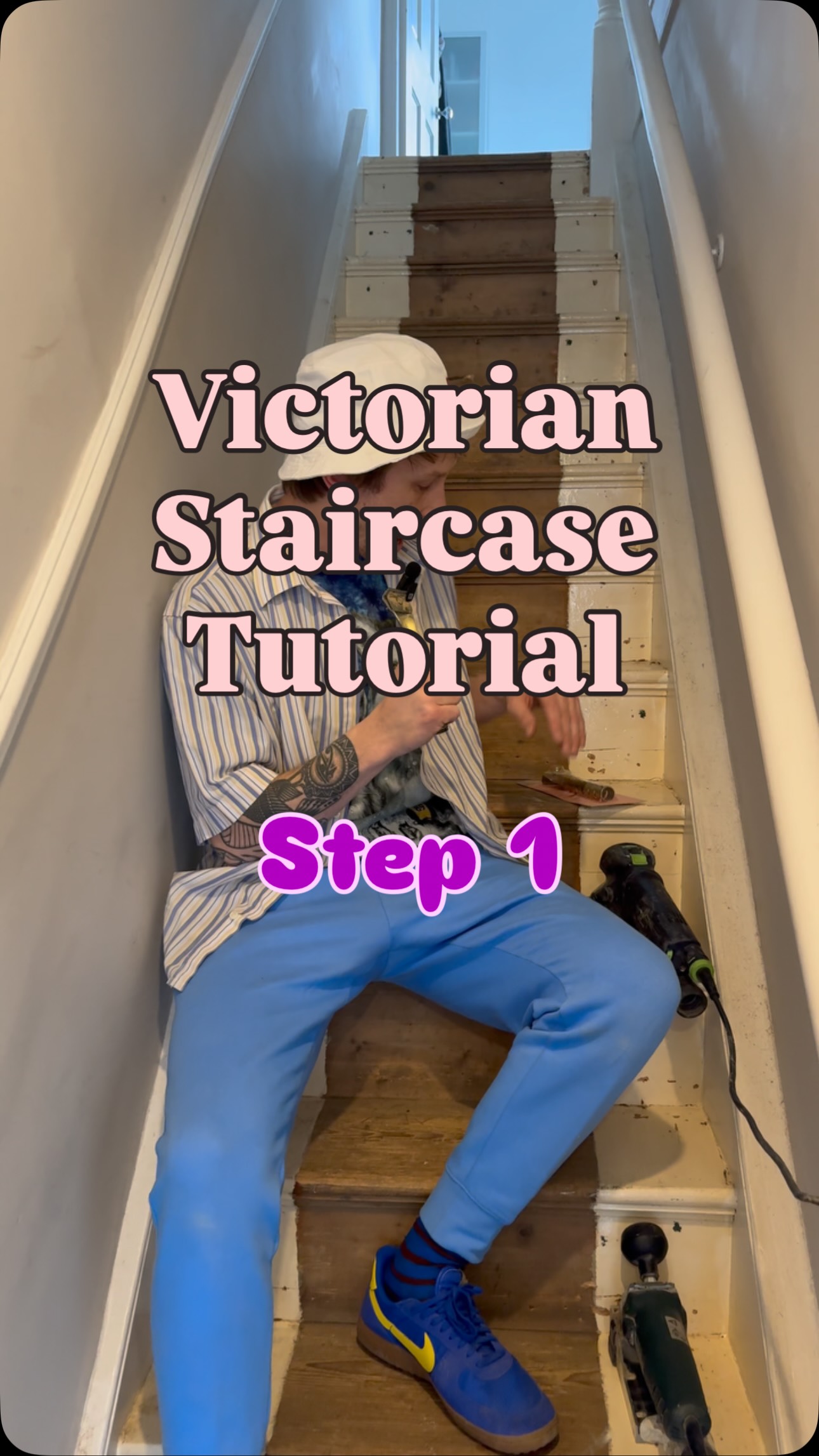
@danny_sandhouse Step 1 of my long awaited tutorial, the 120 year old stair case glow up!

@danny_sandhouse
Instagram · Vlog
@danny_sandhouse Step 1 of my long awaited tutorial, the 120 year old stair case glow up!
Performance
Video #49245 · Vlog
[01]
The creator demonstrates the first step in restoring a Victorian staircase. He begins by defining the parts of a stair (tread, riser, molding), then shows how to carefully remove the molding, highlighting a mistake and how to fix it. He offers a time-saving tip to paint the risers instead of stripping them, shows how to use a chemical stripper on the detailed molding, and performs a lead paint test before concluding with a teaser for the next step.
[02]
[03]
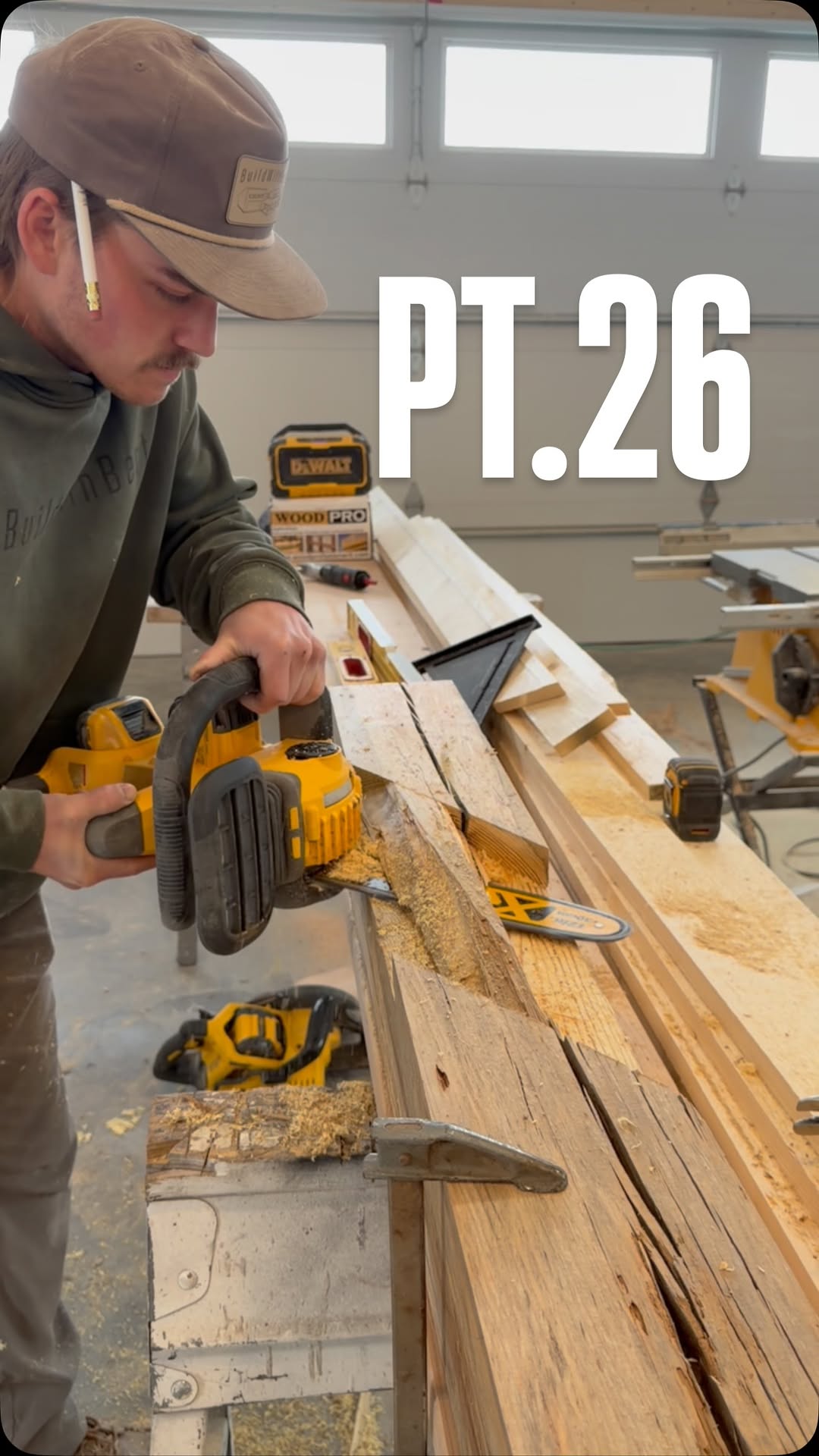 2.4M1.4×Process of building garage stairs@buildwithbert · Process
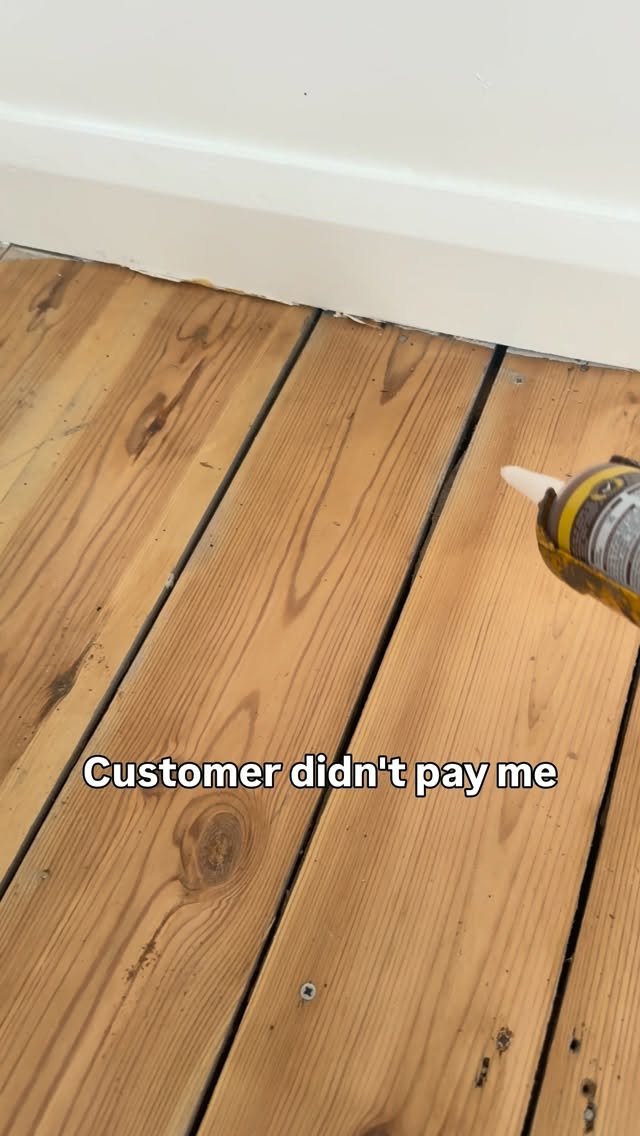 3.5M8.4×Floor restoration with story twist@danny_sandhouse · Before/After Transformation
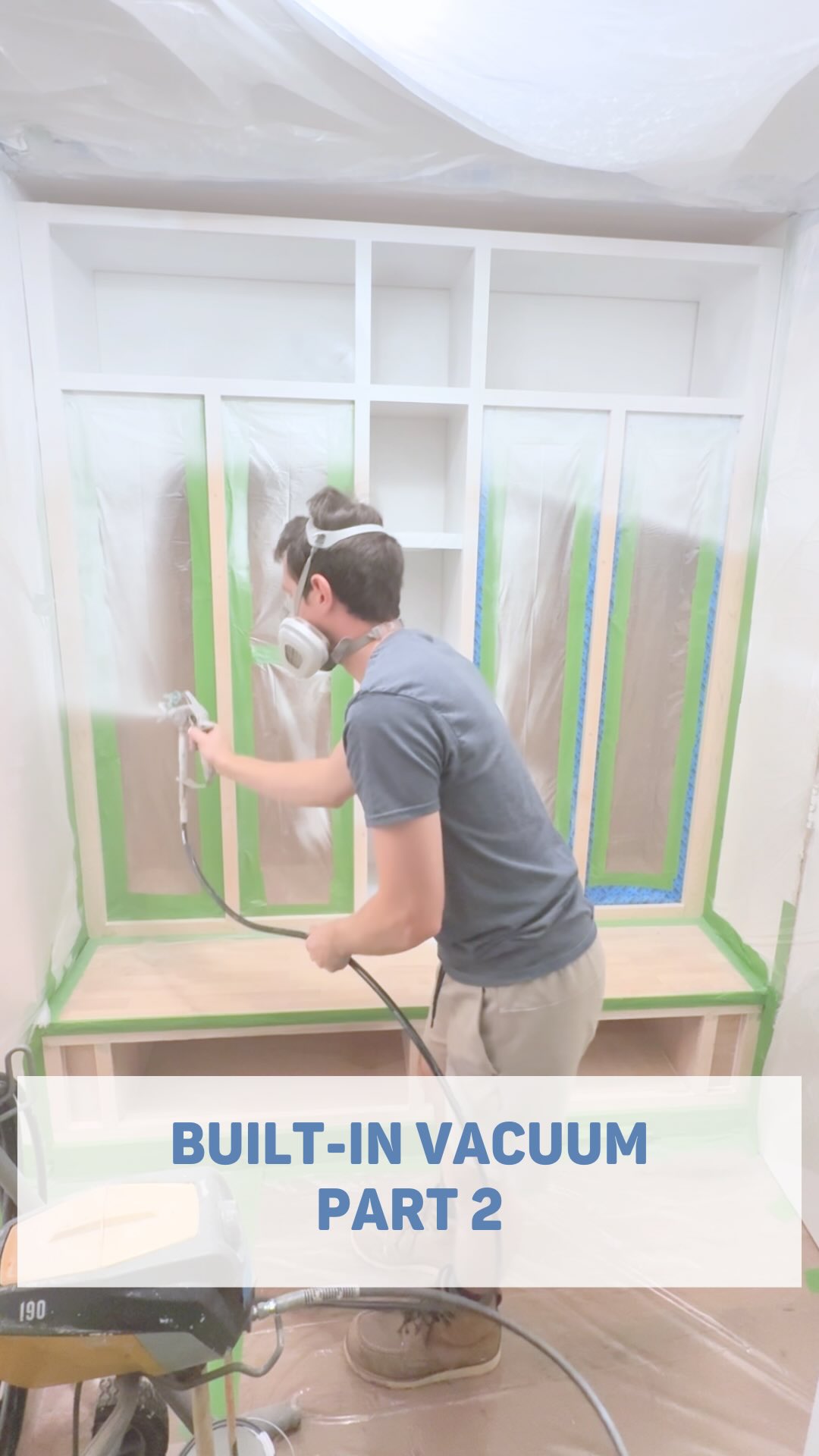 2.3M1.9×Documenting a DIY home project@realiferenovation · Journey Documentation
 235.1K1.1×DIY ceiling hole repair process@sarahellenrandall · Process
 8M1530.8×On-site construction tip demonstration@felipe.freig · Tutorial / How To
 290.5K93.5×Tradesman shows a marking trick@felipe.freig · Tutorial / How To
 960.9K1.2×Creator documents home build progress@buildwithbert · Journey Documentation
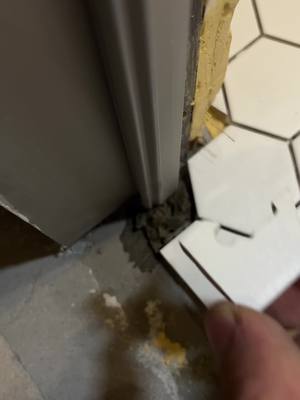 72.5M107.3×Satisfying tile work process@artem_chiba · Process
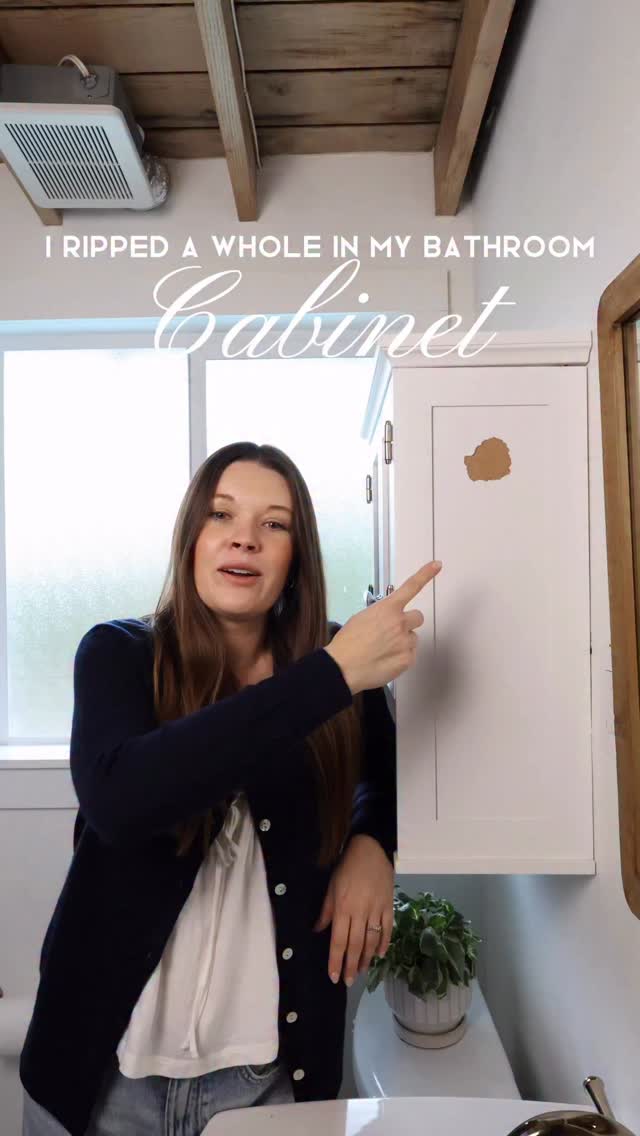 384.1K1.5×DIY bathroom cabinet replacement process@sarahellenrandall · Journey Documentation
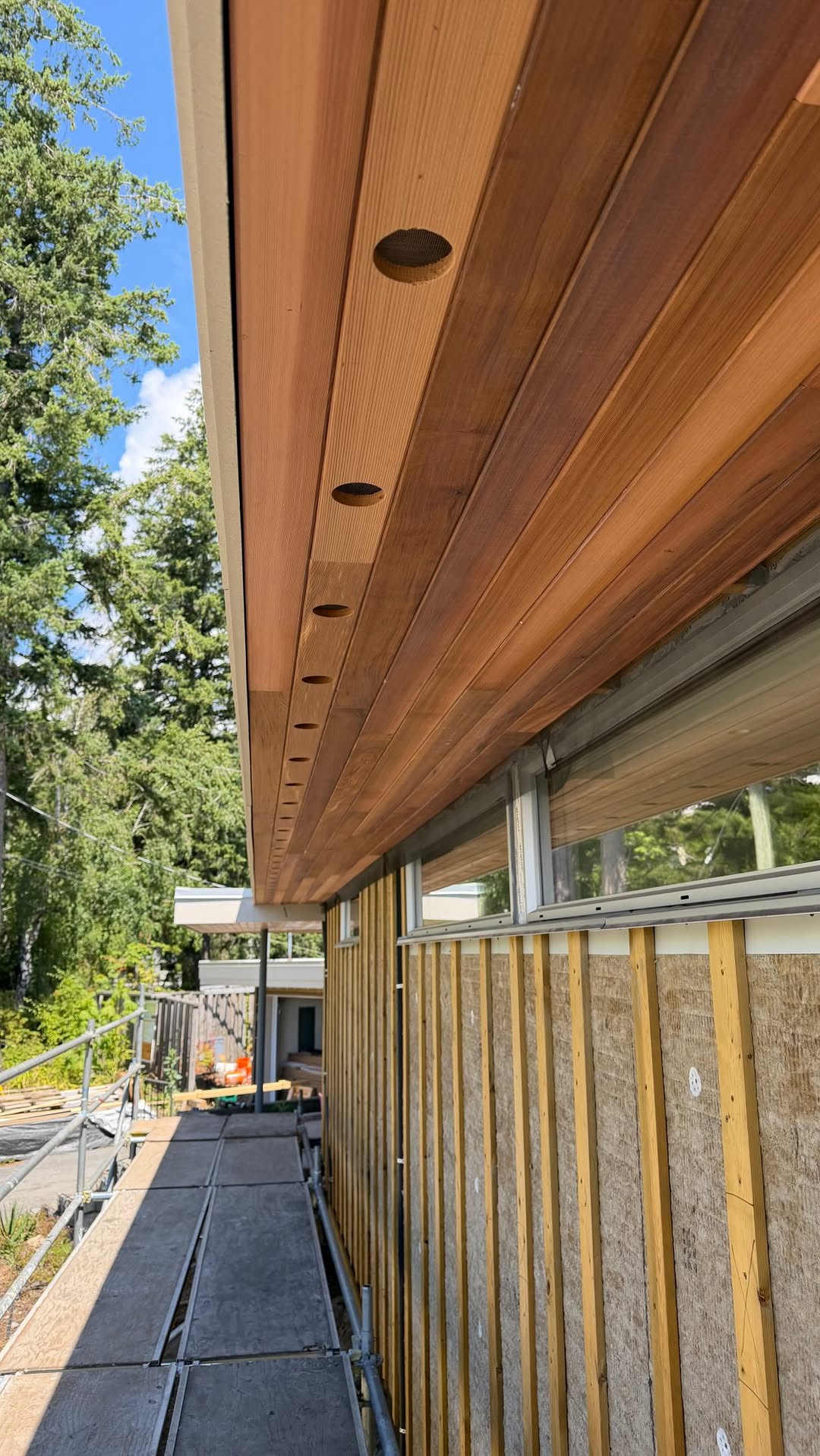 1.6M1.5×DIY home renovation journey@jennaphipps · Journey Documentation
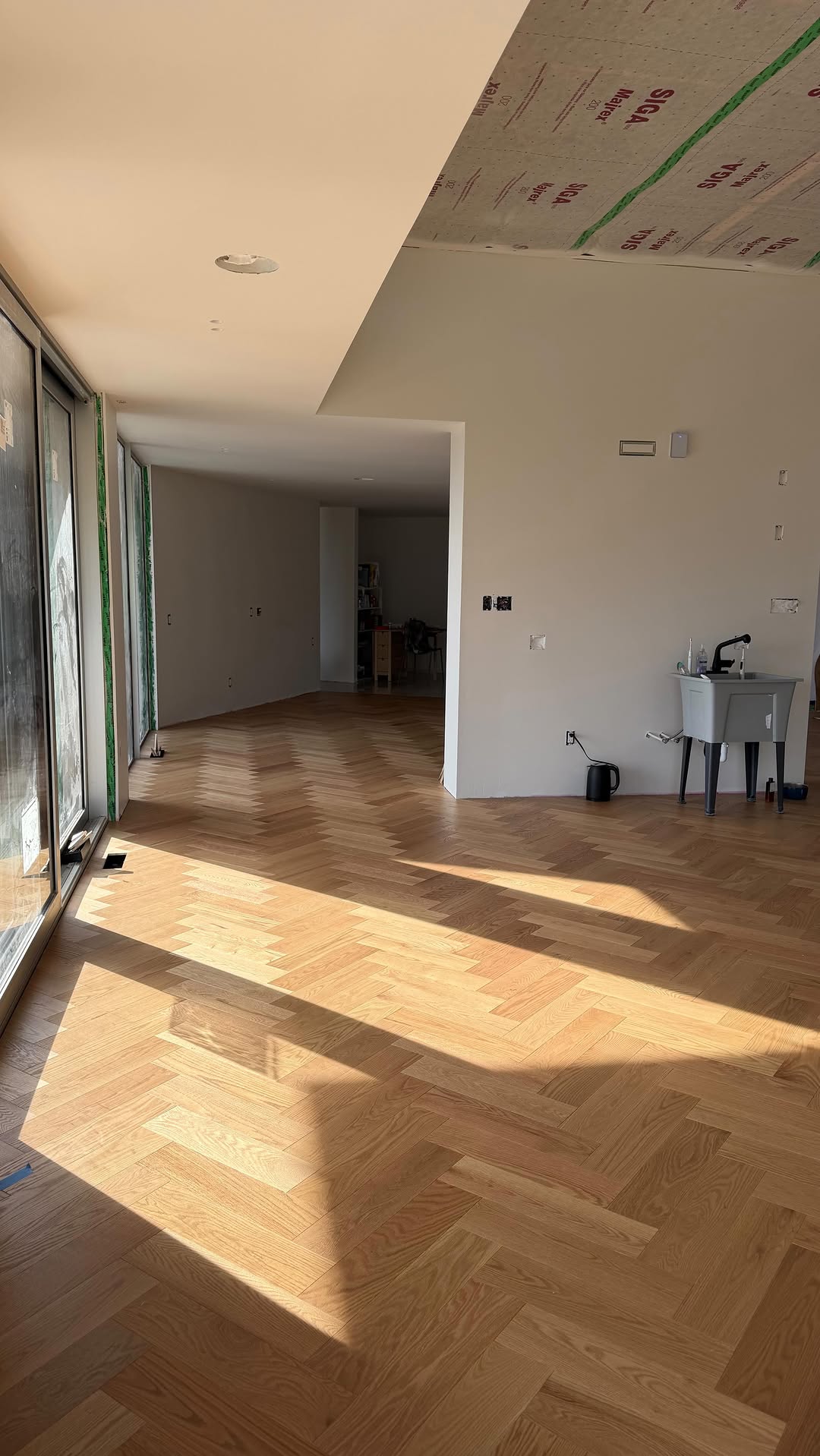 2.4M1.7×Fixing a flooring installation mistake@jennaphipps · Journey Documentation
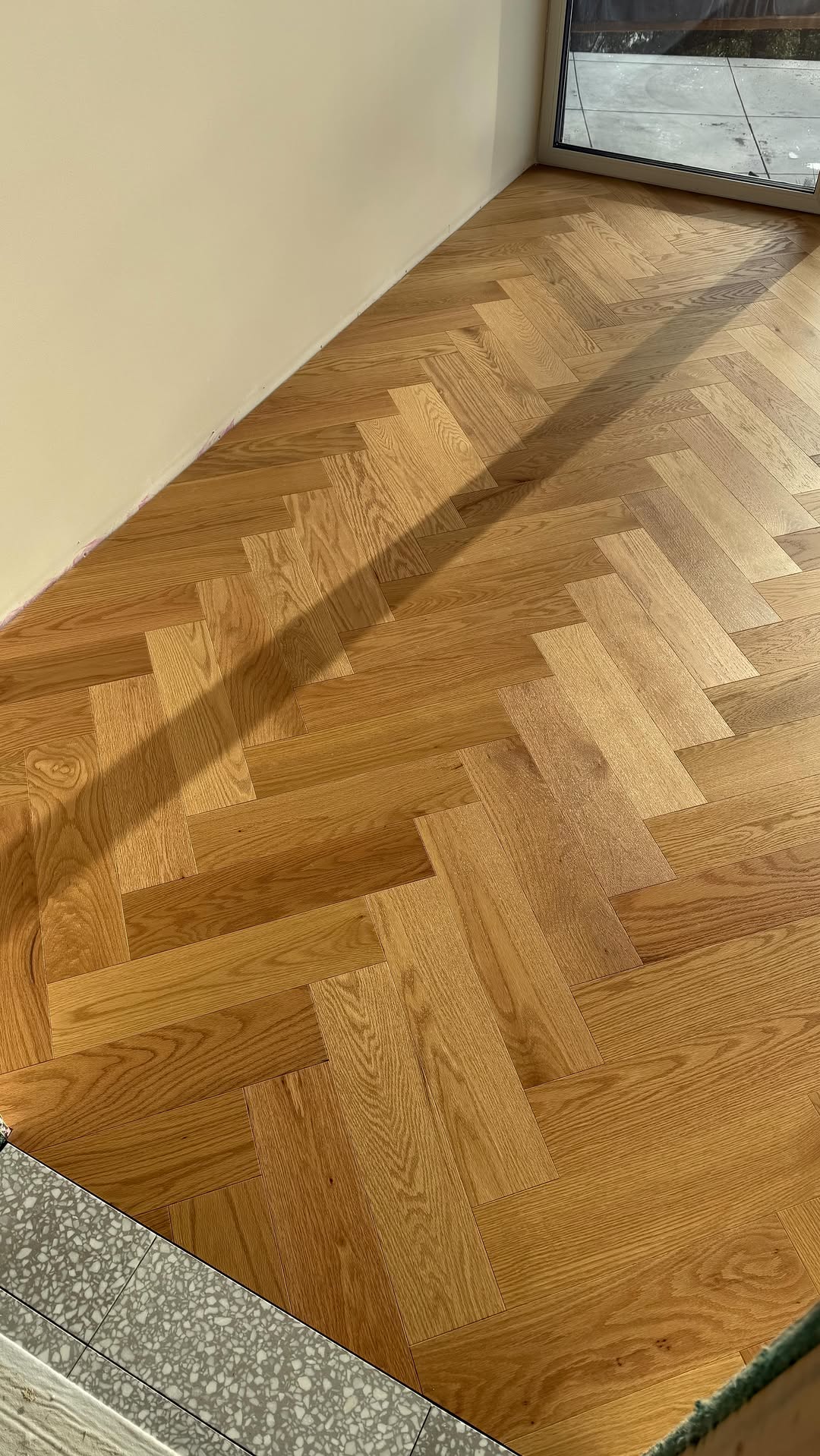 2.1M1.4×DIY herringbone floor installation journey@jennaphipps · Journey Documentation
[04]
[05]
What stops the scroll in the first 3 seconds
Verbal hook
How do you sand and restart Victorian staircases like this?
Visual hook
A man sits on a staircase that is visually split down the middle, showing a stark contrast between the old, carpeted side and the newly sanded, restored wood side.
[07]
The promise the opener makes, and how the video pays it back
Hook
Pose a common 'How do I do [complex task]?' question and immediately promise a simplified, accessible method.
Payoff
Conclude the current stage of the process and create a cliffhanger by explicitly stating what the next step is and telling the audience to return for the next installment, driving series consumption and follows.
[08]
The structural pattern this video runs on
Framework
The Expert-in-the-Trenches Tutorial
Deconstructing a complex, aspirational project into a series of manageable steps, while building trust through transparency, relatable mistakes, and value-added shortcuts.
The Anatomy Lesson
Define the essential terminology and components of the subject, establishing authority and educating the audience from the ground up.
The First Action & Critical Rule
Demonstrate the initial, often irreversible, step of the process while providing a crucial rule about its timing or sequence to prevent common errors.
The Pace-Setting Reality Check
Contrast the slow, deliberate nature of real work with the sped-up video, managing viewer expectations about the time and effort required.
The Humanizing Flaw
Intentionally showcase a small, fixable error made during the process to build relatability, lower the viewer's fear of failure, and demonstrate problem-solving.
The Insider's Shortcut
Offer a legitimate alternative method that saves significant time or effort, positioning the creator as a practical guide rather than a purist and delivering high-value insight.
The Process Mandate
Share a crucial, non-obvious organizational tip that is vital for the project's success but easily overlooked by a novice.
The Advanced Technique & Safety Protocol
Introduce a specialized tool or method for a particularly tricky part of the task, and follow it by demonstrating a key safety or quality check, reinforcing expertise and responsibility.
Step 1 of my long awaited tutorial, the 120 year old stair case glow up!
title · beginning
Step 1
informational · beginning
Tread
informational · beginning
Riser
contextual · middle
Concentrating Face
informational · middle
Will fix with glue
call-to-action · end
Follow to catch all the steps!
How do you sand and restart Victorian staircases like this? I'm gonna show you how you do it with just three tools. So step one, LOL. Let's learn the basics. The thing you stand on is the tread. Get it? That's the riser, and this is we call the beading or molding. If you wanna strip the whole staircase, then these are gonna have to come off. Do it first. Don't do it ever through the process. This is me doing it in real time. That was my concentrating worse. I know we good a short attention span these days, but in real time, you gotta go slow and steady. So about to five times speed, you're about to hear something, which is the sound of failure. Best there. I'm gonna give you a tip. You can save yourself a lot of torment if you just paint the risers. Still looks great in my opinion, and you can avoid doing this bit. Make sure you keep them in the order that you take them off. They have to go back on in that order. This is another good tip. These are quite hard to sand because of the detail in them. But also, if you have lead on your stairs, you're not gonna wanna go straight in with the sanding. People use peel away where you use the cling film and wait overnight. I hate waiting overnight. So I yes that. It's from c t one. It's called Peel Tech. Just to prove to everybody that there is no lead on these stairs because usually there is lead on the stairs. Look. Give it a test. We're good to go. Right. Let's rock and roll. See you for step two.