@officialmtclips
TikTok · Faceless
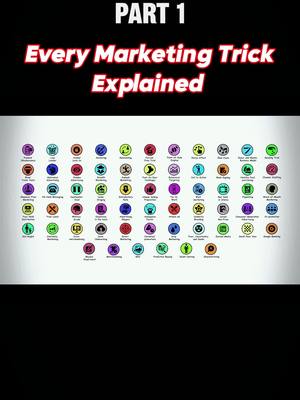
@officialmtclips Part 1 - Every Marketing Trick Explained #LearnOnTikTok #marketingtricks #spychology #businesshacks #brandbuilding #advertising

@officialmtclips
TikTok · Faceless
@officialmtclips Part 1 - Every Marketing Trick Explained #LearnOnTikTok #marketingtricks #spychology #businesshacks #brandbuilding #advertising
Performance
Video #4674 · Faceless
[01]
The creator provides a rapid-fire list of common marketing tricks, explaining each one with a concise voiceover definition and a simple animated graphic. The video systematically moves through various tactics, including planned obsolescence, loss leaders, vendor lock-in, anchoring, rebranding, the decoy effect, and subliminal advertising, functioning as an educational breakdown of consumer psychology in business.
[02]
[03]
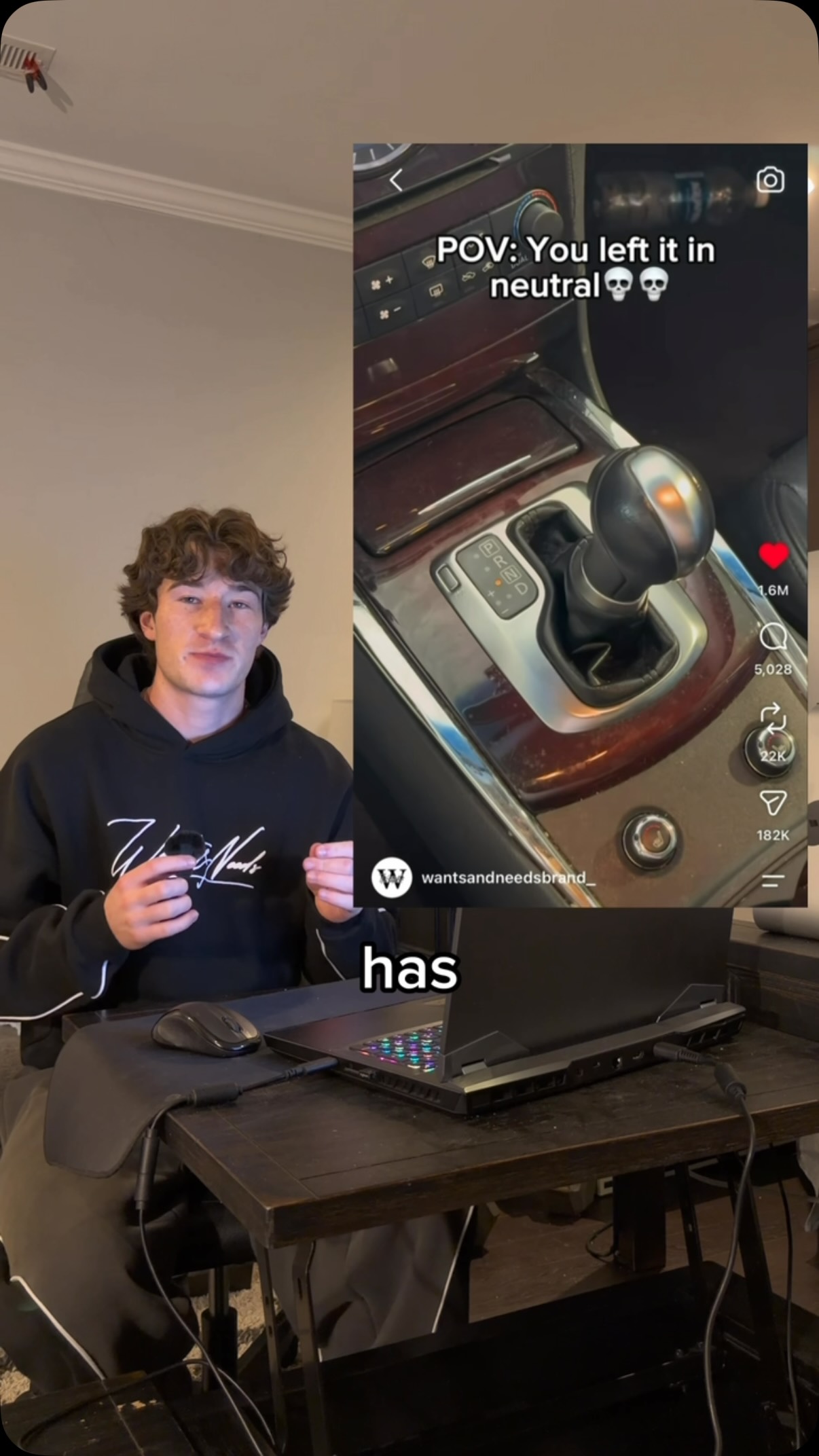 774.2K1.4×Viral video marketing strategy breakdown@robertmckeaveney · Breakdown
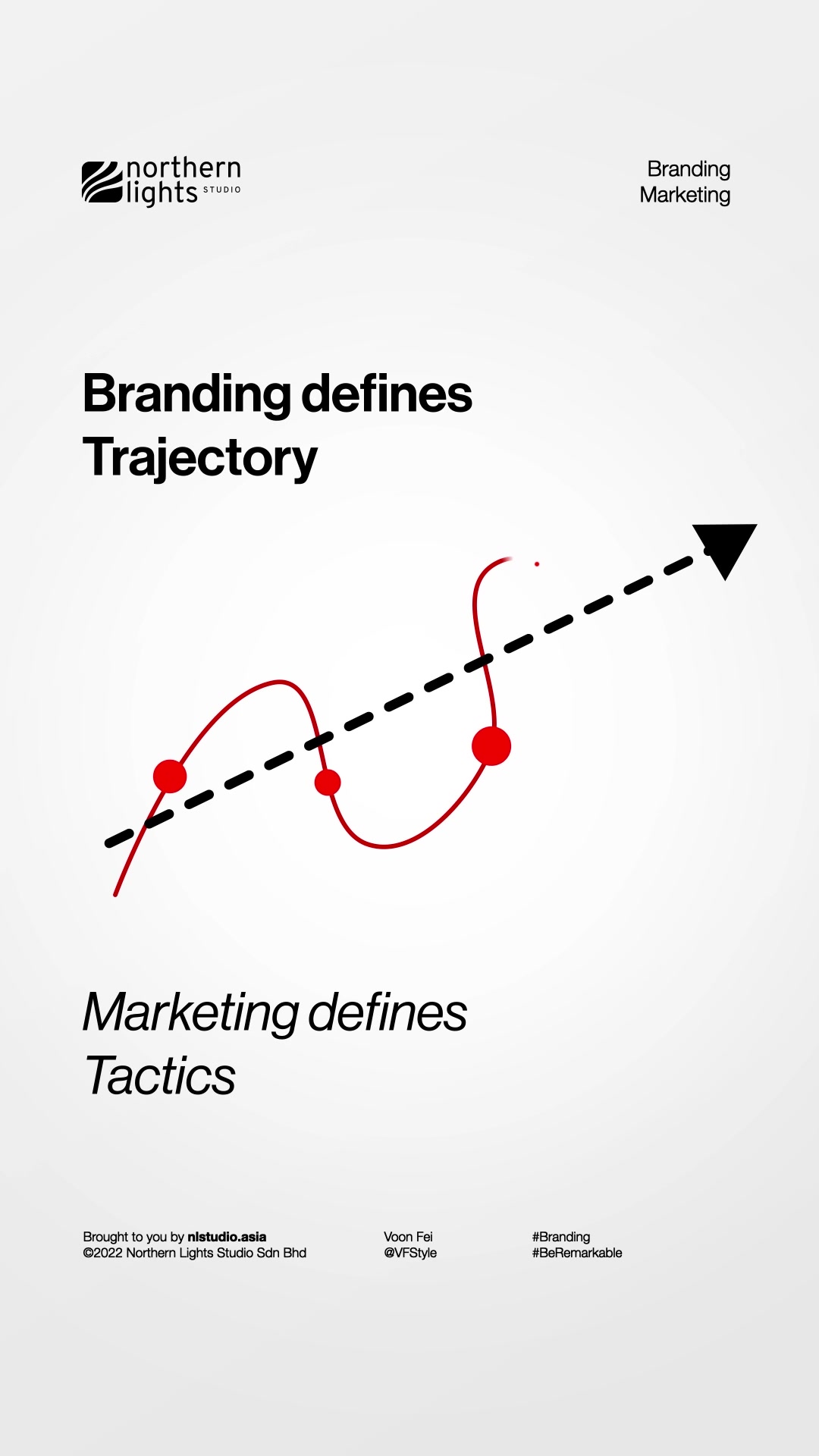 1.1M6.5×Animated explainer comparing branding marketing.@vfstyle · Explainer
 9.5MExplaining decoy pricing with animation.@decoyreport · Case Study Breakdown
 631.1K3.6×Animated graphics explain marketing strategy@brandon_.marketing · Breakdown
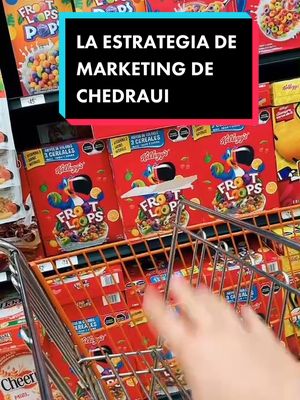 5.7M32.6×In-store marketing strategy breakdown@emiliodelap · Breakdown
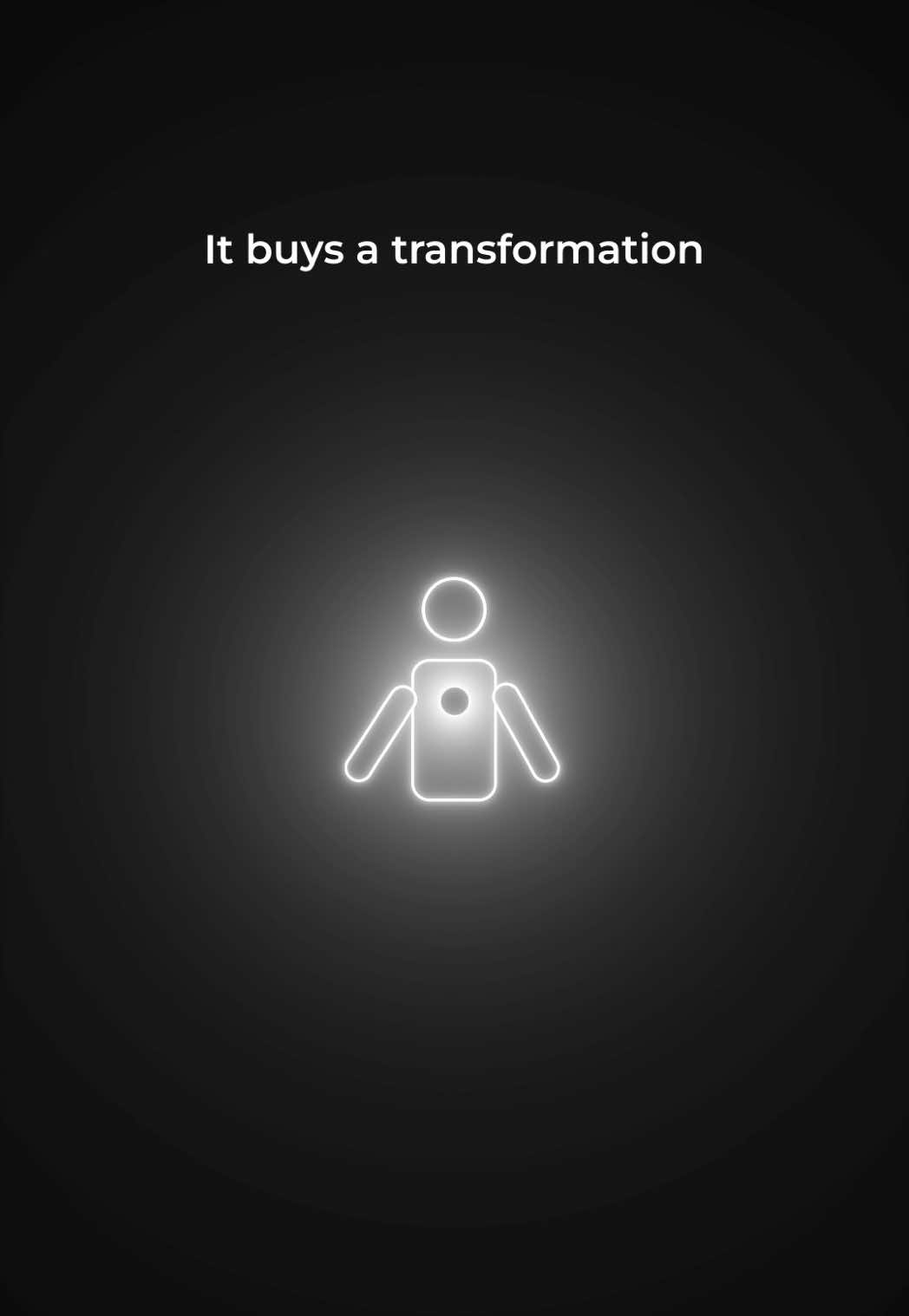 219.5K1.3×Why marketing should sell transformation not the product@conversion.doc · Breakdown
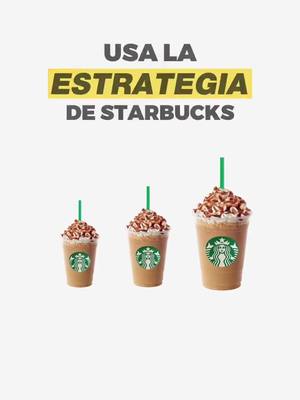 726.3K4.2×Graphic explainer of decoy effect@gennesisbrand · Breakdown
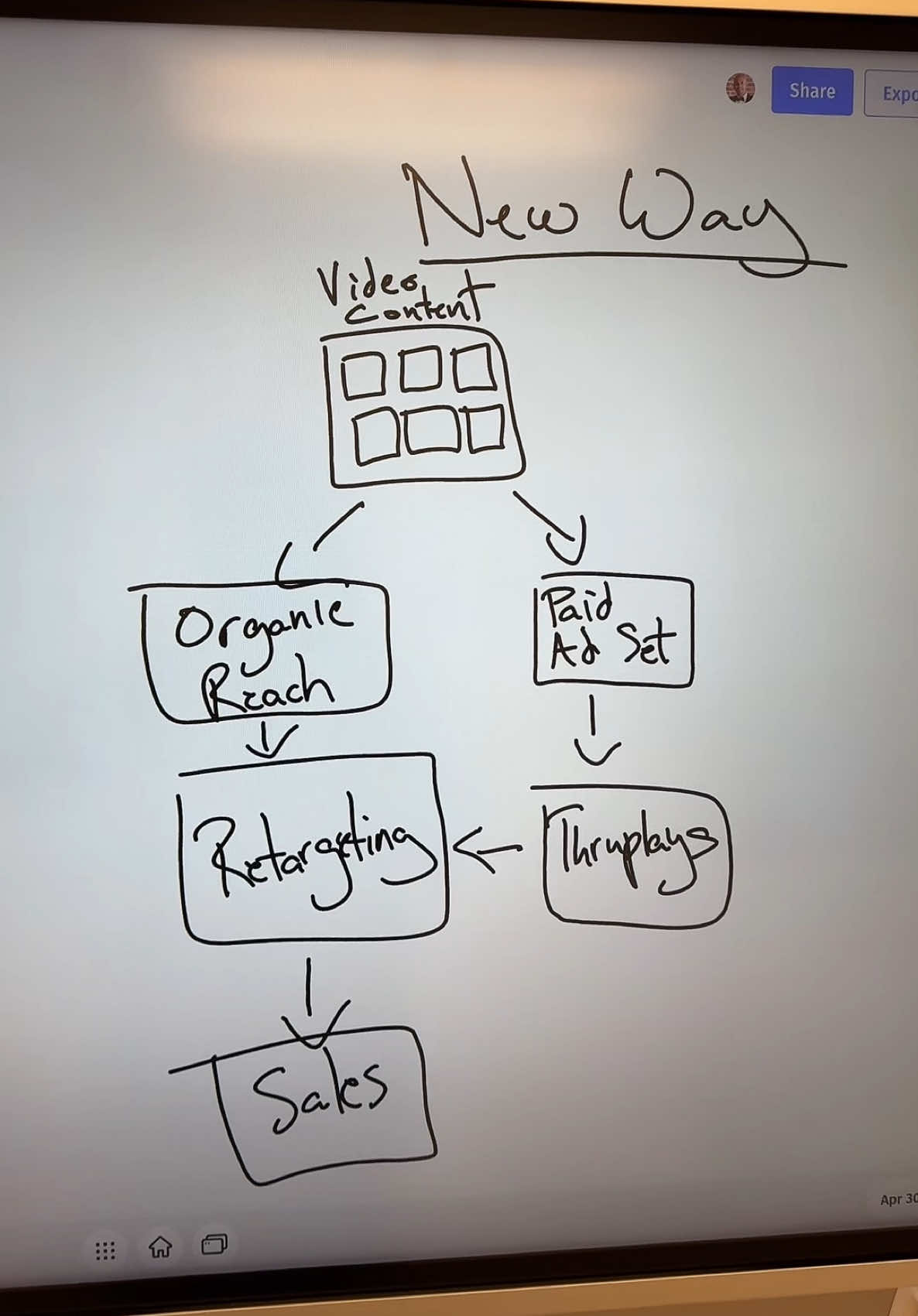 185.1K1.1×Whiteboard breakdown of a new video ad retargeting strategy that beats direct ads@adamcbenjamin · Breakdown
 103.5KBreakdown of five influential running brand marketing campaigns@orenmeetsworld · Breakdown
 157.7K6.6×Explaining pricing psychology with Apple@decoyreport · Case Study Breakdown
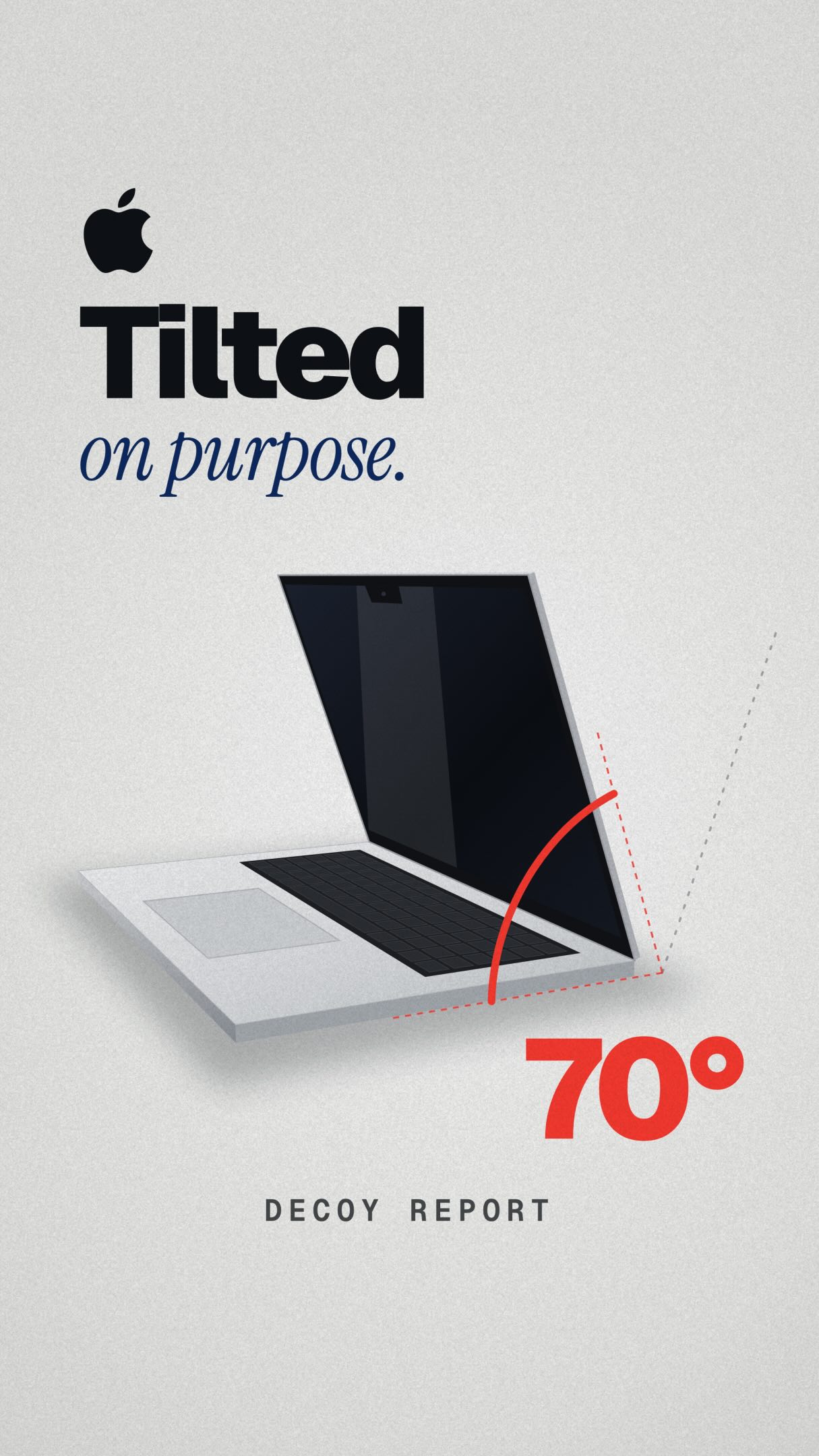 3M34.9×Animated breakdown of marketing psychology@decoyreport · Case Study Breakdown
 507.7K7×Marketing breakdown of viral brand strategy@house.of.ag · Breakdown
[04]
[05]
What stops the scroll in the first 3 seconds
Title hook · 45%
PART 1 Every Marketing Trick Explained
Verbal hook · 20%
Planned obsolescence.
Visual hook · 35%
A dense grid of dozens of colorful icons, each representing a different marketing trick, creating immediate visual curiosity and implying a high volume of information.
[07]
The promise the opener makes, and how the video pays it back
Hook
A bold, comprehensive title (e.g., 'Every Trick Explained') that promises exhaustive knowledge on a topic, establishing authority and creating a high-value proposition for the viewer.
Payoff
An abrupt ending after the final item that reinforces a 'Part 1' or series hook, leaving the viewer with a sense of cumulative knowledge and strong anticipation for the next installment.
[08]
The structural pattern this video runs on
Framework
The Rapid-Fire Encyclopedia
To systematically deconstruct a series of related concepts by presenting each one through a consistent, three-part formula of identification, definition, and visual illustration, creating a high-density educational experience.
The Concept Deconstruction Loop
A repeating segment that introduces a term, provides a concise text-based definition, and uses a simple animation to illustrate the concept, delivering a self-contained piece of knowledge before rapidly transitioning to the next.
Part 1 - Every Marketing Trick Explained #LearnOnTikTok #marketingtricks #spychology #businesshacks #brandbuilding #advertising
title · beginning
PART 1 Every Marketing Trick Explained
informational · beginning
Planned Obsolescence
informational · beginning
Loss Leader
informational · beginning
Vendor Lock-In
informational · beginning
Anchoring
informational · middle
Rebranding
informational · middle
Forced Free Trial
informational · middle
Point-of-Sale Display
informational · middle
Decoy effect
informational · end
Slow music
informational · end
Razor and Blades Business Model
informational · end
Seeding Trial
informational · end
Blind Taste Tests
informational · end
Subliminal Advertising
informational · end
Hidden Advertising
informational · end
Stealth Marketing
informational · end
Ambush Marketing
informational · end
Foot-In-Door Technique
informational · end
Behavioral Targeting
informational · end
Call to Action
informational · end
Book Signing
Planned obsolescence. Designing products with limited lifespans to boost repeat purchases and sales volume. Loss better. A pricing strategy where a product is sold below cost to boost sales of more profitable items. Vendor lock in. Dependency on a vendor, making it challenging to switch to another without significant costs. Anchoring. When shown what a product or service costs before the promotion alongside the sale price, the initial price acts as an anchor. Clients that look at both prices will consider the new cheaper price a better deal than they would have if only the sale price were visible. Another example of anchoring would be showing an insanely expensive variation of a product, and then showing the one the marketer wants to sell, which will have a normal price. Rebranding. Changing brand elements like name, logo, or image to create a new identity and perception. Forced free trial. A forced free trial is a direct marketing technique where potential buyers are sent free samples of a product, often for periodic publications to encourage subscription. Point of sale display, promotional materials near checkout counters to attract customers attention and promote products. Decoy effect, it's the phenomenon whereby consumers will tend to have a specific change in preference between two options when also presented with a third option that is asymmetrically dominated. An option is asymmetrically dominated when it is inferior in all respects to one option. But in comparison to the other option, it is inferior in some respects and superior in others. Slow music. Supermarkets usually put slow music to make you feel less rushed and happy to spend more time and money in store. Razor and blades business model. The razor and Blade's business model involves selling one item at a low price or for free to boost sales of complimentary good, such as consumable supplies, seeding trial, allocating marketing to specific customers to stimulate word-of-mouth diffusion, blind taste tests. Companies use blind taste tests like the Pepsi challenge to compare brands, develop new products, and gather customer preferences. These tests help track views, assess product changes, and gauge reactions. Subliminal advertising. Using subliminal messages to boost a product sales. Hidden advertising. It occurs when advertisements are not sufficiently marked as ads. For example, an actor who keeps using the same brand of razors to cut his beard. Stealth marketing. Subtly introducing a product to consumers without them realizing they are being marketed to. Ambush marketing. A method where brands associate themselves with an event without paying sponsorship fees, leveraging the events visibility to gain attention. Foot in the door technique. Persuading someone to accept a significant request by first gaining their agreement to a smaller related request. Behavioral targeting. Using the consumers data to match ads aligned with their interests. Call to action. A specific prompt designed to encourage an immediate response or sale used in ads, web pages, and more. Book signing, book signings boost book value for collectors, with authors providing signatures and optional personalized dedications.