Transcript
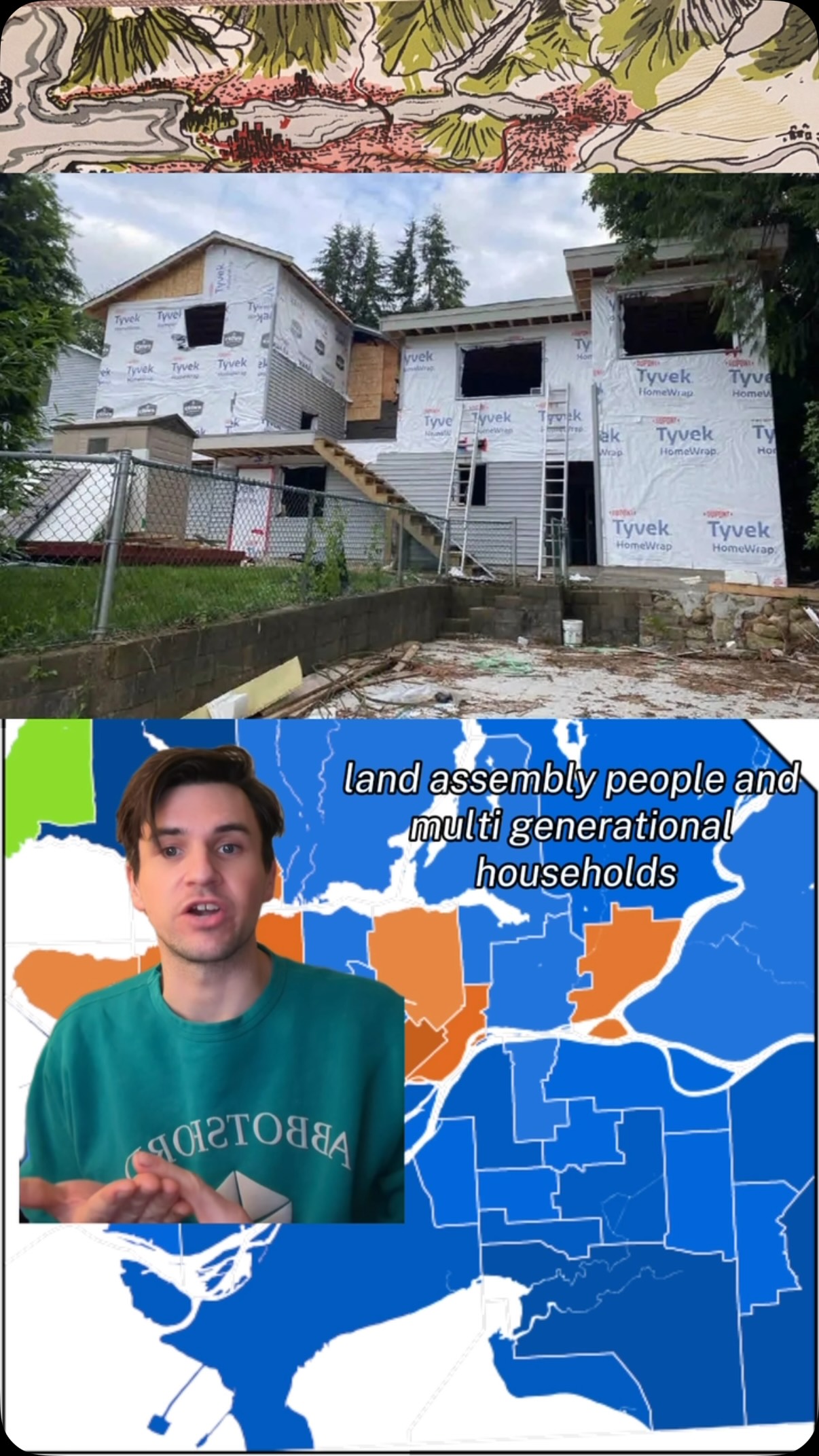
It's not about the rich versus the poor. It's not about urban versus the suburb. It's not even about labor versus capital. Binary that drives all of our politics and our culture in British Columbia is extraction versus speculation. Remember when I said that British Columbia never had a nineteenth century? People from the Best and bad East are baffled by this. They're trying to apply a history to BC to understand it that doesn't exist here. The way you look at Vancouver and BC is as a kind of post industrial topia kind of run by environmentalists. That's not the case at all. Best was never developed in the era of the roman farmer and the kind of generational slow buildup that led to places back East and in the Midwest having this kind of desire for stability and moving towards a more center of politics. We went straight from vast wilderness into full industrialization. There was no middle period, and therefore, there's no middle ground in politics. And this manifests in British Columbia as suburban swing voters who are different than anywhere else. In the rest of North America, the suburban voter values asset preservation and stability. It's the cultural inheritance of the yeoman farmer. In British Columbia, the suburban voter values yield and liquidity. You can divide the voters in our suburban kind of beltway into two distinct groups. There's the mom and pop real estate speculator, a lot of Airbnb investors, realtors, land assembly people, and multi generational households. Their primary net worth is not going to come from pensions and savings. It's going to come from land assembly. It's going to come from transit oriented upzoning tier adding secondary suites or laneway houses to their own home. They support density when it inflates their land values, but they rage against government policies like speculation tax. And then we have the resource adjacent contractor. These are the type of people that run independent trades, logistics, and contracting firms, drive big trucks, give you fuel taxes, carbon pricing, environmental deferrals, and slow permitting as direct threats to their existence. Their small businesses depend on resource extraction in in BC's hinterlands, especially despise DRIPA and anything to do with First Nations relations in this province. They view this as a hindrance to the resource extraction activity that they depend on for their small businesses. I think that to win an election in this province and to understand how politics in this province works, you have to understand these two specific types of voters in the suburbs. You can't apply the same rules as you apply everywhere else to understanding these types of people. I think that this stems from BC's lack of an agrarian nineteenth century. This doesn't come from a post industrial utopian environmentalist culture. This comes from a heavily resourced extraction dependent and frictionless land development oriented culture. Ironic thing is speculation and extraction aren't even opposed. They're connected at the top. Binary comes from us having these ideological kind of prejudices, how we decide which one gets to run the show for a while.