Viral Hooks
Trending short videosExplaining value of unprompted affection
N

@nycdivorcelawyer

Instagram · Talking Head Edit

@nycdivorcelawyer There's an enormous difference between someone doing something for you because you asked and someone doing it because they genuinely want to. I think that's something we underestimate in relationships. It's not about needing someone to take care of you because you're incapable of taking care of yourself. It's about knowing you're perfectly capable, but having someone who takes pleasure in making your life easier. And the same goes for affection. If you have to ask your partner, "Do I look good?" and they say yes, that's nice. But when you walk into a room and they look at you and say, "Wow, you look incredible." That's an entirely different feeling. The most meaningful gestures in a relationship are often the ones we don't have to ask for. Because what makes them special isn't just the gesture itself. It's knowing that someone was paying attention, thought about you, and genuinely wanted to make you happy. There's something wonderful about being loved without having to constantly ask for proof of it.

View original on Instagram

The edit1 shot · 5 text
Shots Text1:12

Performance

Views
893.9K
Likes
54K
Comments
223
Engagement
6.1%
Outlier
9.5×
Length · 2 Nov 2026
1:12

Video #48279 · Talking Head Edit

Explaining value of unprompted affectionfrom @nycdivorcelawyer

[01]

Overview

The speaker analyzes relationship dynamics by contrasting a partner who asks for help out of dependency with one who is capable but chooses to receive care out of mutual pleasure. He argues that any act of affection or service that must be requested, using a compliment as an example, is inherently less valuable than one given spontaneously. The core message is that authentic, unprompted gestures are the most meaningful because they prove a partner truly knows, understands, and genuinely wants to please you.

[02]

Simple outline

  1. 1Contrast two mindsets
  2. 2Use a shocking analogy
  3. 3State the universal principle
  4. 4Describe the ideal outcome
  5. 5Explain the deeper meaning

[03]

Related videos

[04]

Classification

Concepts
Anecdotal PhilosophyVulnerable Monologue
Elements
B-Roll CutawayMood MusicText OverlayJump CutVoiceover

[05]

Hook analysis

What stops the scroll in the first 3 seconds

Title hook · 25%

WOMAN

Verbal hook · 70%

A woman who I can't handle things. Can you handle them for me?

Visual hook · 5%

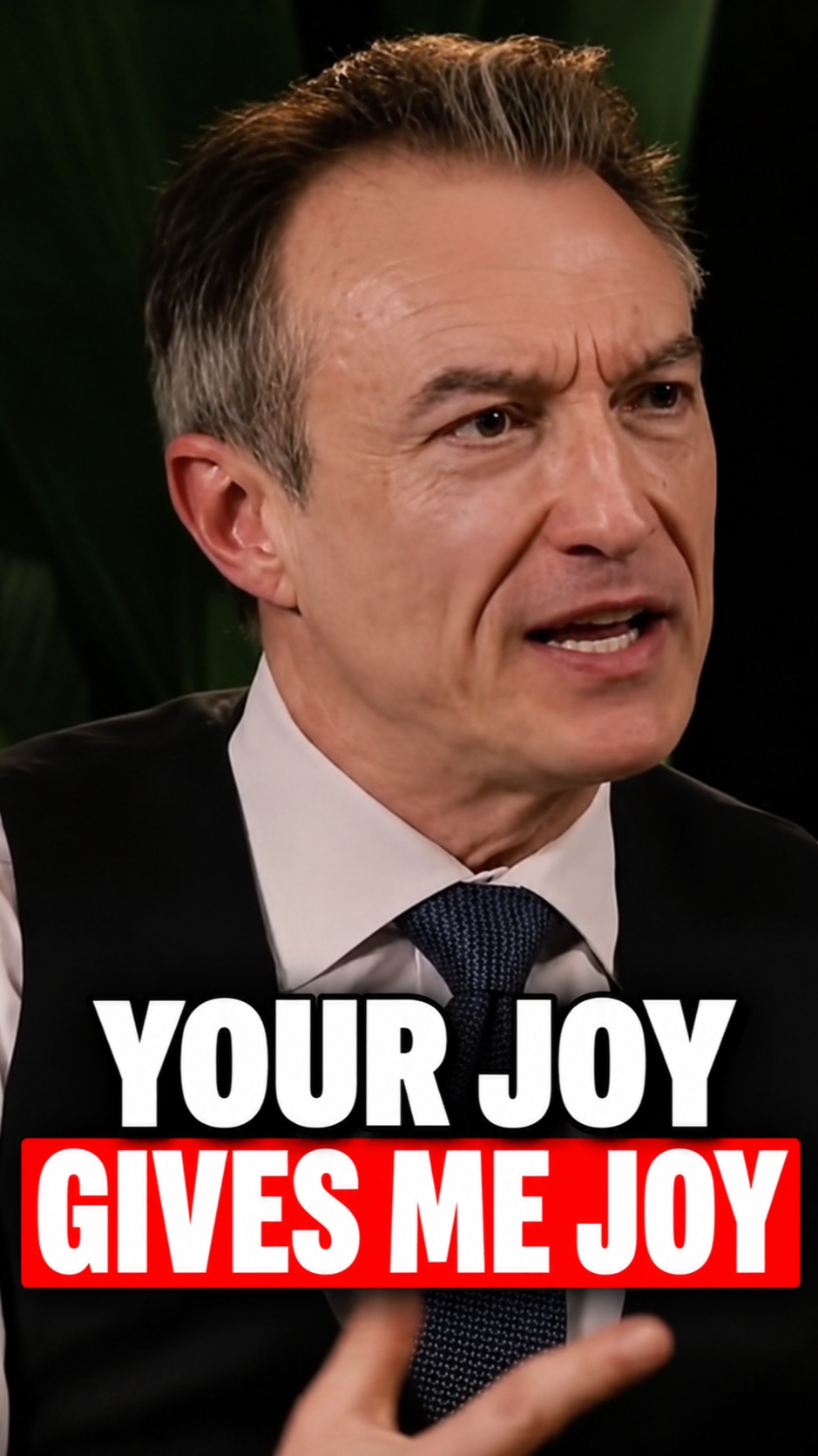
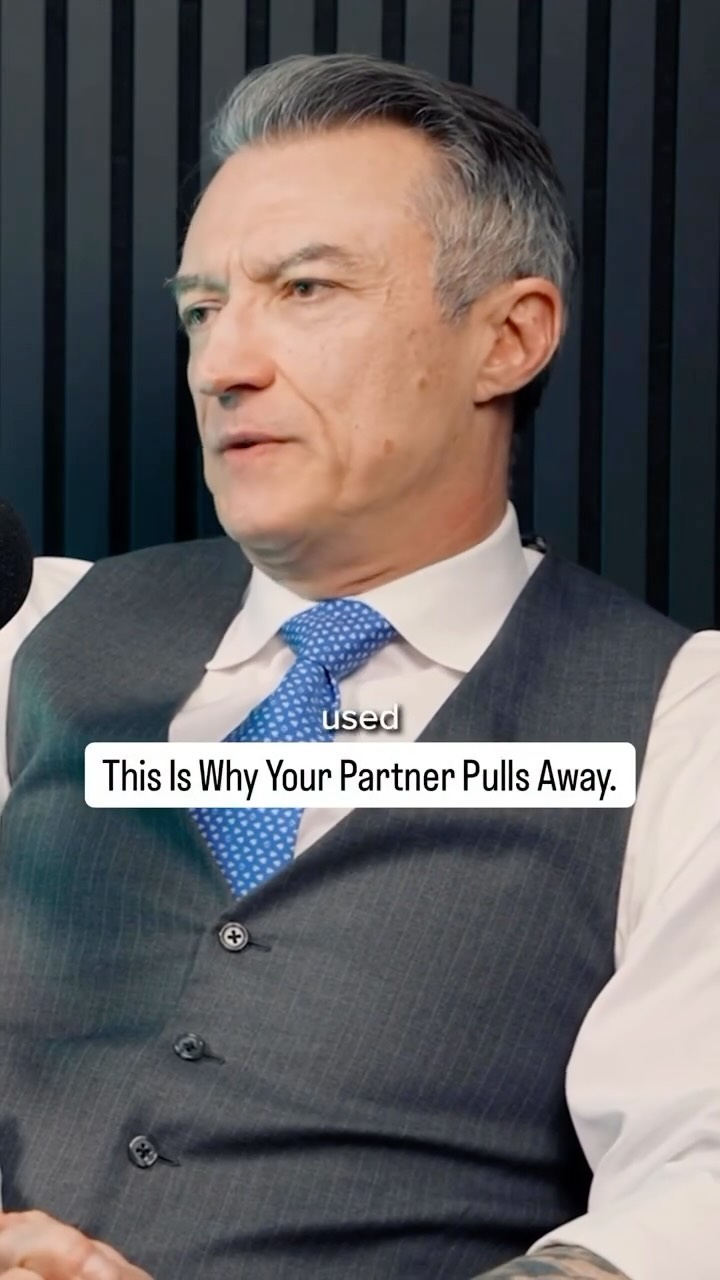
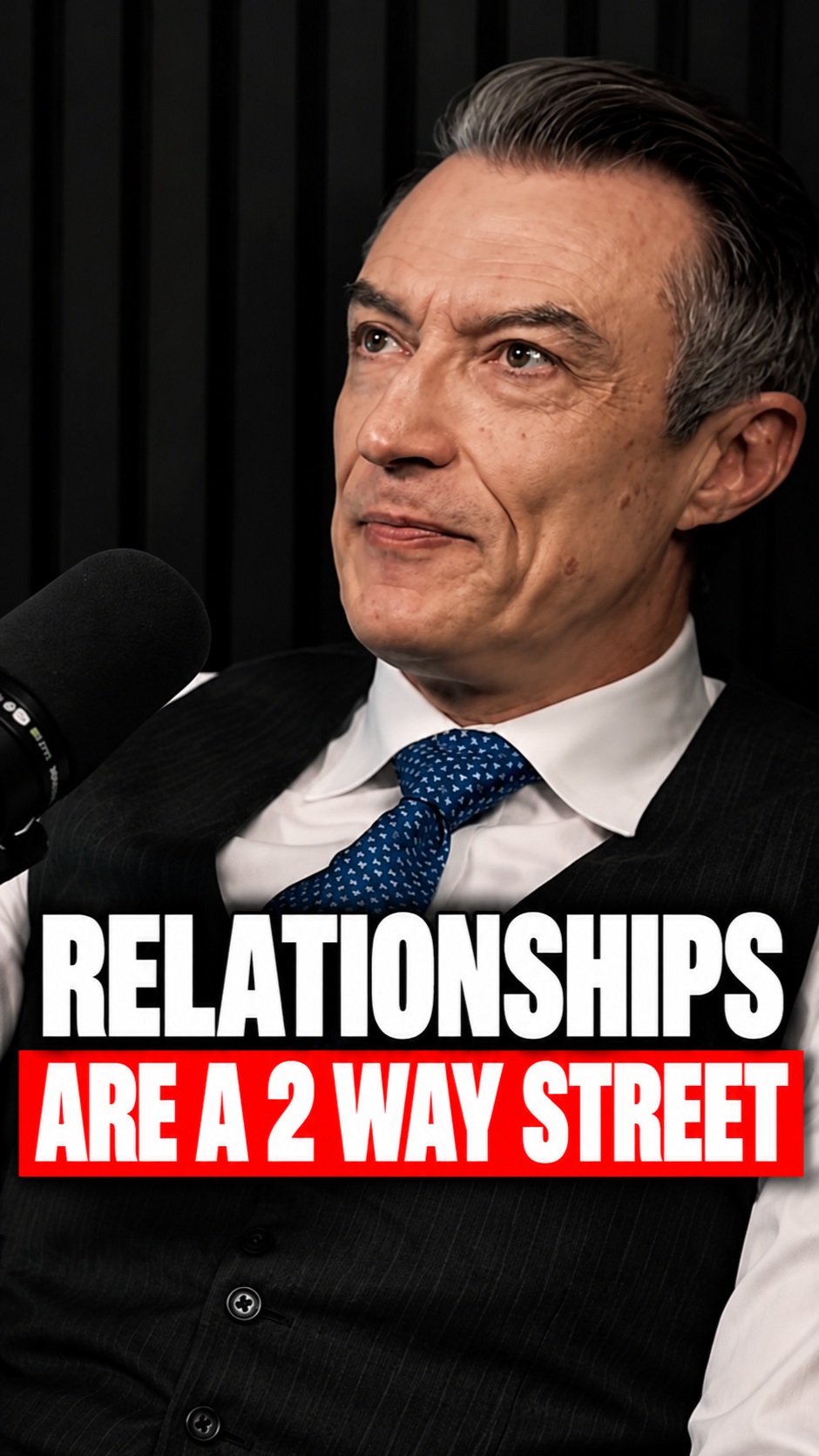
A medium close-up of a man speaking with an expressive, serious facial expression. The scene uses low-key, dramatic lighting, creating an intimate and authoritative podcast-style atmosphere.

[06]

Hook template

Steal this for your own video

A [person type] who says "I can't handle [thing they struggle with]. Can you handle it for me?" is not the same as a [person type] who [capable alternative behavior].

  • — A boss who says "I can't handle conflict. Can you handle it for me?" is not the same as a boss who is fully capable of it and still trusts you to lead.
  • — A client who says "I can't handle my finances. Can you handle them for me?" is not the same as a client who could do it all themselves but wants an expert's partnership.
  • — A dog owner who says "I can't handle training. Can you handle it for me?" is not the same as an owner who is capable but chooses to work with a trainer for the bond.

[07]

Hook and payoff

The promise the opener makes, and how the video pays it back

Hook

Presents a clear dichotomy between two opposing behaviors or archetypes, immediately establishing a value judgment and a central thesis.

Payoff

Concludes with a concise, powerful statement that encapsulates the mutual pleasure of the idealized state, providing a satisfying and aspirational resolution.

[08]

Narrative framework

The structural pattern this video runs on

Framework

The Authenticity Principle

A persuasive argument that contrasts a transactional, request-based interaction with a more authentic, proactive one, proving the latter's superior emotional value through a series of escalating examples.

  1. 1

    The Dichotomy Setup

    Establishes a 'lesser' and 'greater' version of a behavior or person, framing one as dependent/transactional and the other as empowered/authentic.

  2. 2

    The Idealized State

    Articulates the positive emotional feedback loop of the 'greater' version, emphasizing mutual benefit and desire.

  3. 3

    The Provocative Analogy

    Uses a blunt, visceral, or slightly taboo example to make the abstract principle concrete and memorable, serving as a pattern interrupt.

  4. 4

    The Universal Principle

    Distills the lesson from the analogy into a generalized, quotable rule that applies broadly to the topic.

  5. 5

    The Reciprocal Example

    Applies the universal principle to the opposite party in the dynamic, demonstrating its fairness and universality and building broader empathy.

  6. 6

    The Emotional Payoff Defined

    Contrasts the unsatisfying feeling of the 'lesser' version with the powerful, validating feeling of the 'greater' version, focusing on the emotional reward of the ideal scenario.

  7. 7

    The Core Truth Synthesis

    States the central thesis in its most potent and emotionally resonant form, summarizing the argument's core emotional truth.

  8. 8

    The Negative Consequence

    Explains the hidden psychological cost of the 'lesser' behavior, reframing it as a failure of understanding or connection.

  9. 9

    The Final Distinction

    Reiterates the core contrast, framing the 'lesser' action as an obligation fulfilled and the 'greater' action as a genuine gift born from desire.

Themes

  • Authenticity in relationships
  • The value of unprompted affection
  • Masculine and feminine dynamics
  • Emotional intelligence

Techniques

  • B-roll montage
  • Monologue delivery
  • Use of analogy

Post caption

There's an enormous difference between someone doing something for you because you asked and someone doing it because they genuinely want to. I think that's something we underestimate in relationships. It's not about needing someone to take care of you because you're incapable of taking care of yourself. It's about knowing you're perfectly capable, but having someone who takes pleasure in making your life easier. And the same goes for affection. If you have to ask your partner, "Do I look good?" and they say yes, that's nice. But when you walk into a room and they look at you and say, "Wow, you look incredible." That's an entirely different feeling. The most meaningful gestures in a relationship are often the ones we don't have to ask for. Because what makes them special isn't just the gesture itself. It's knowing that someone was paying attention, thought about you, and genuinely wanted to make you happy. There's something wonderful about being loved without having to constantly ask for proof of it.

Text overlays

  • contextual · beginning

    WOMAN

  • branding · middle

    Trusted Prenup

  • title · end

    NO PRENUP IS A PRENUP.

  • informational · end

    Your state already wrote one. You won't like it.

  • branding · end

    TRUSTEDPRENUP Write your own in 20 minutes. TRUSTEDPRENUP.COM

Transcript

A woman who I can't handle things. Can you handle them for me? Is very different than a woman who leans into, yeah, of worse. I'm capable. I'm smart. I could do all kinds of things. But I'm choosing to be with you, and it gives you pleasure to do this for me, and it gives me pleasure that you want to do it for me. Like Yeah. I mean, there are male and female equivalents of that. Like, it might be a vulgar example, but, like, a blowjob you have to ask for is not a blowjob. Like like, if anything I have to ask you for, I have to come to you like a beggar with a cup out, isn't really worth anything. Just like if you have to say, do I look pretty in this? It's not really worth anything if I say yes. Like, what's meaningful is you walk in and I go, wow. Like, look at you. Feels good. It feels so good when someone authentically gives you what you need without you having to ask. Because the having to ask for it part demonstrates that, like, you don't really know me. You don't really get me. And and by the way, it's also something you're giving me because I asked for it, as opposed to I'm giving it to you because I want to give it to you. Your pleasure gives me pleasure.

Explaining value of unprompted affection | Viral Hooks