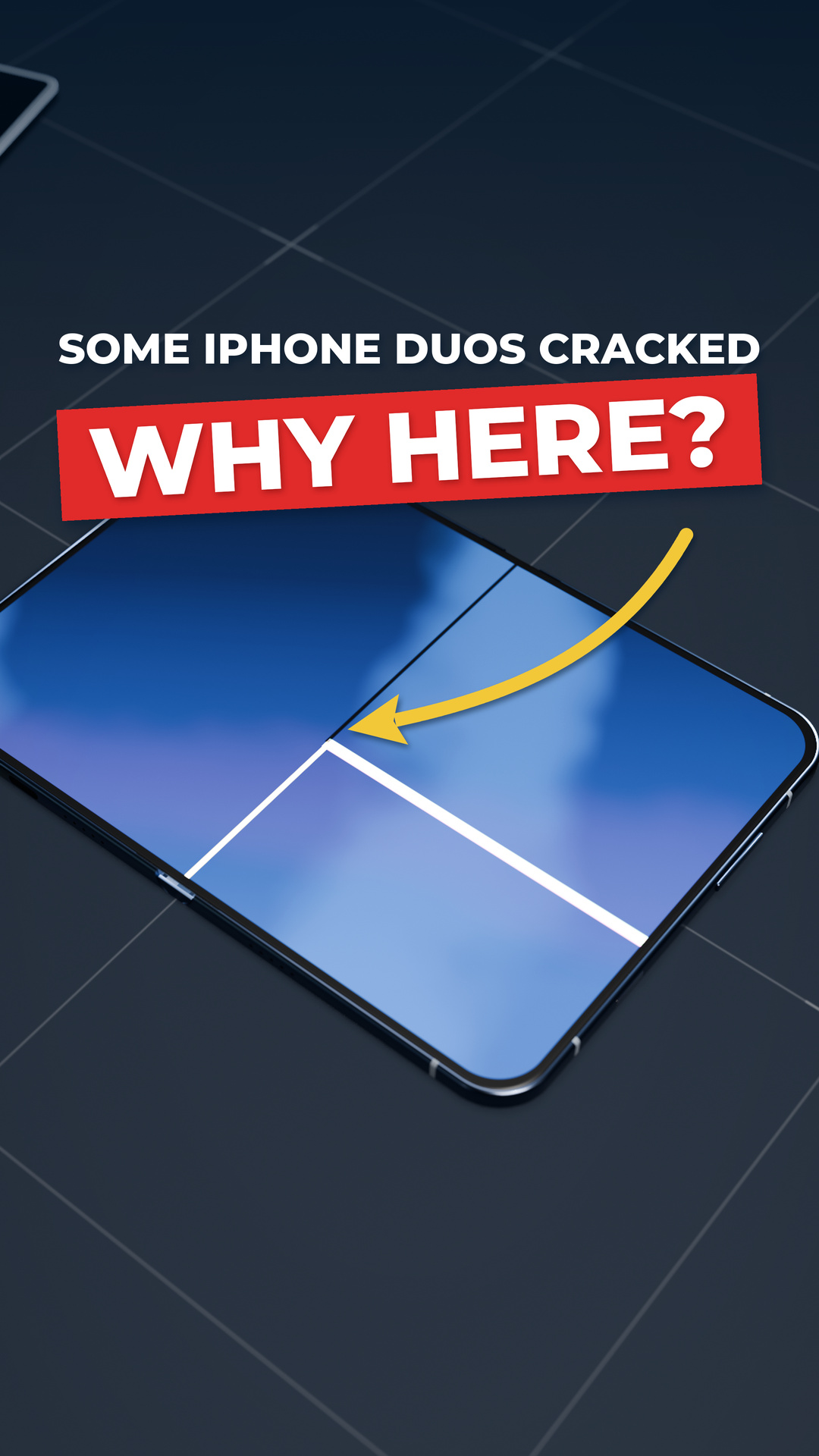
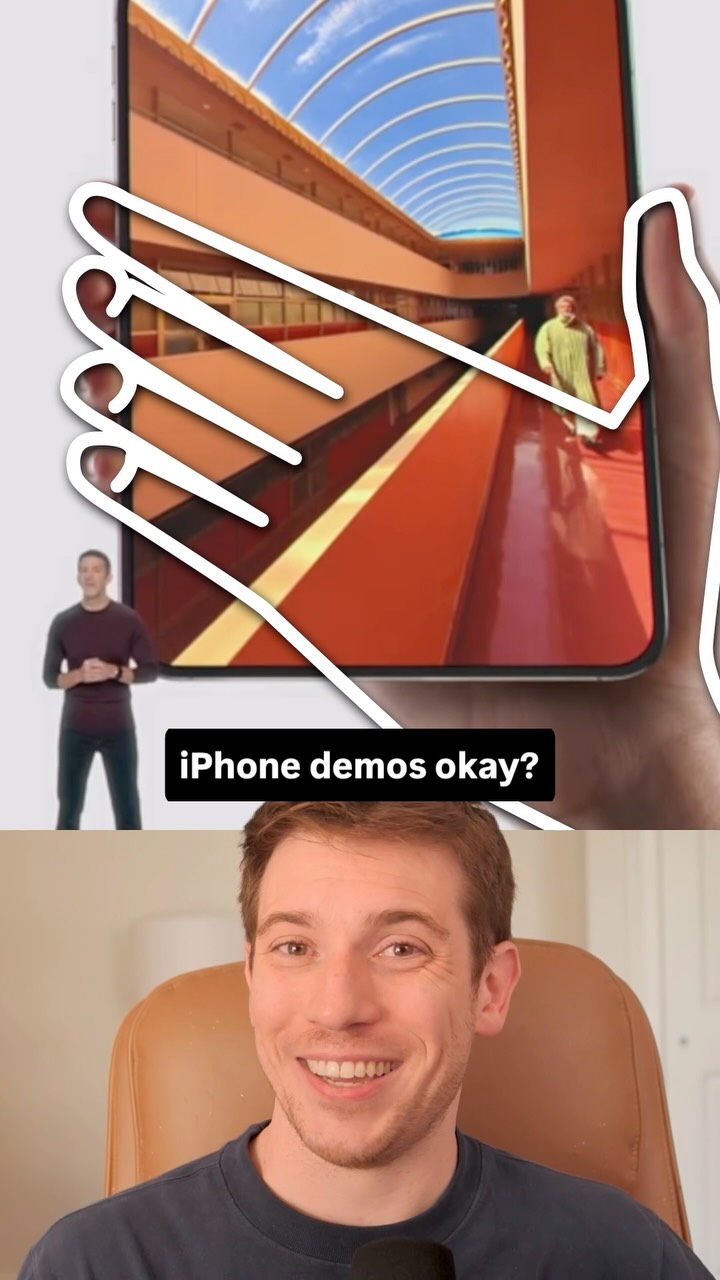
@ryanselvy Apple’s folding animation tricks your eye into thinking the device is breaking reality. Their attention to small detail is why get away with as much as they do.
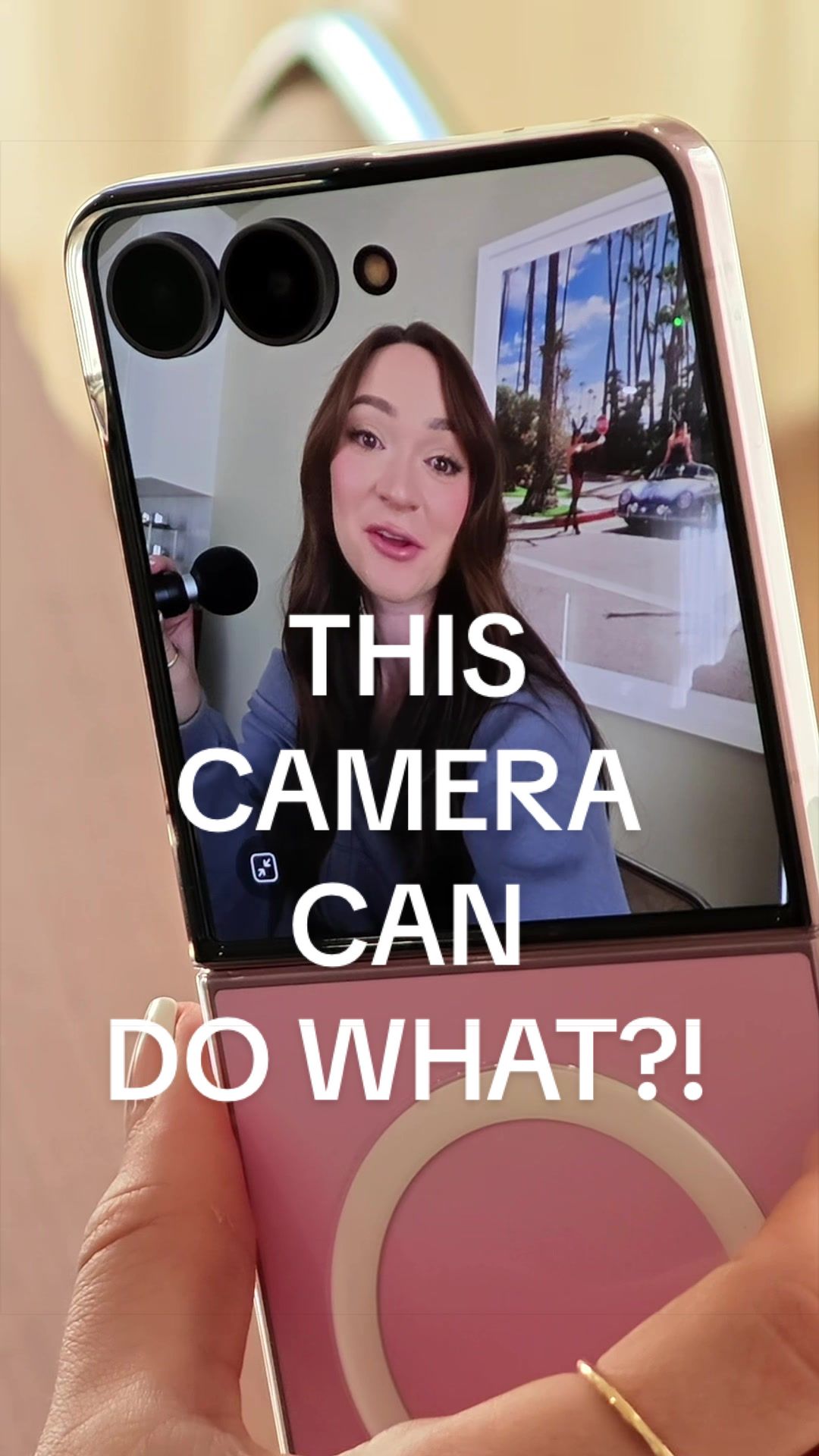
The illusion turns the whole experience into a floating, tethered interface. Like an infinity screen you can flip around but stays accessible. They also found every use case for the new folding form. Setting it up and using it as a kickstand, a selfie camera, and making the external screen a feature even when you’re not the one looking at it. The new FaceTime feature it has lets you use both cameras at once and the person you’re filming can also see the person on the call. It feels like maybe that idea came from the weird Vision Pro eyeball thing. Using devices to break the barrier of technology.
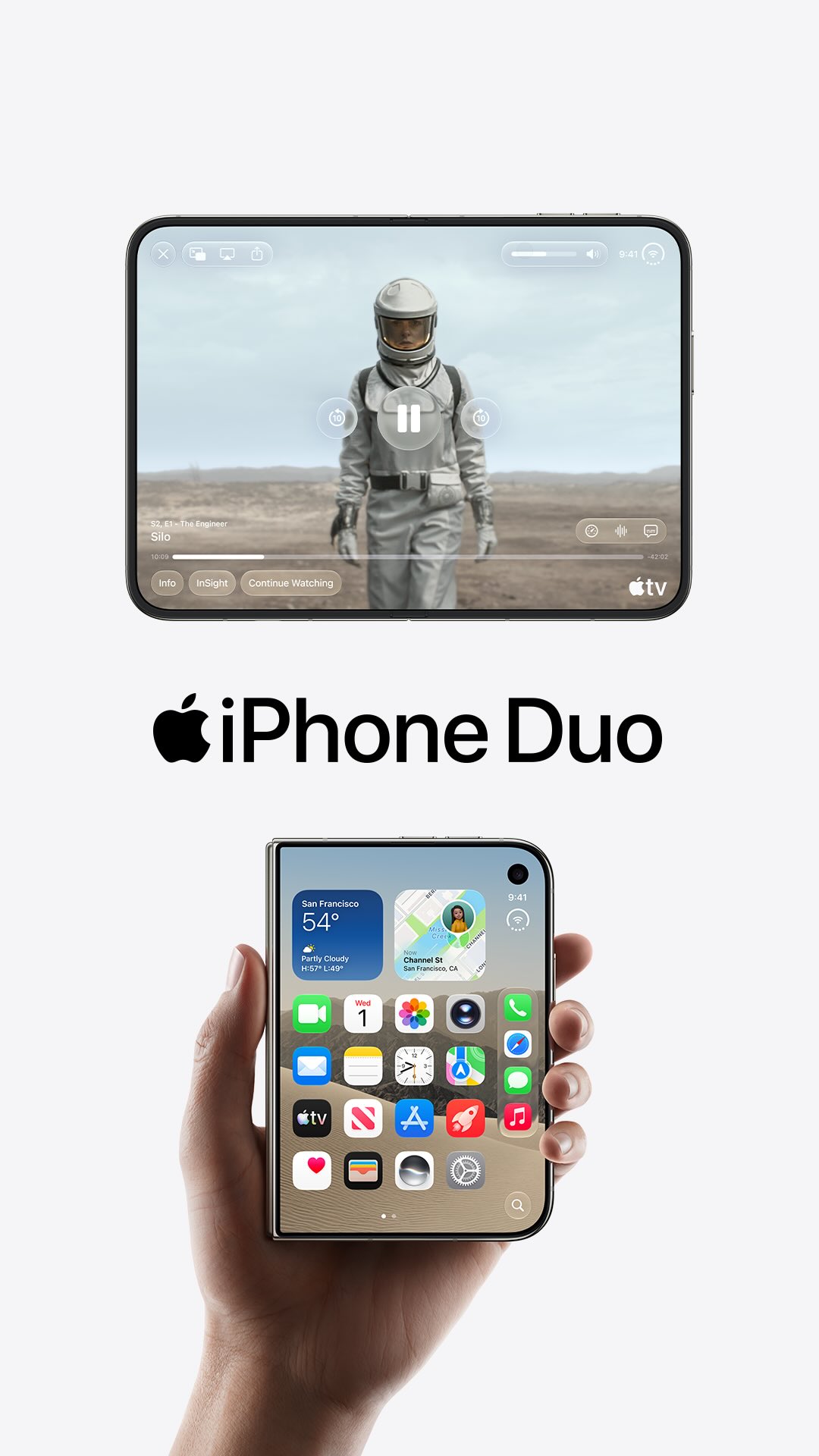
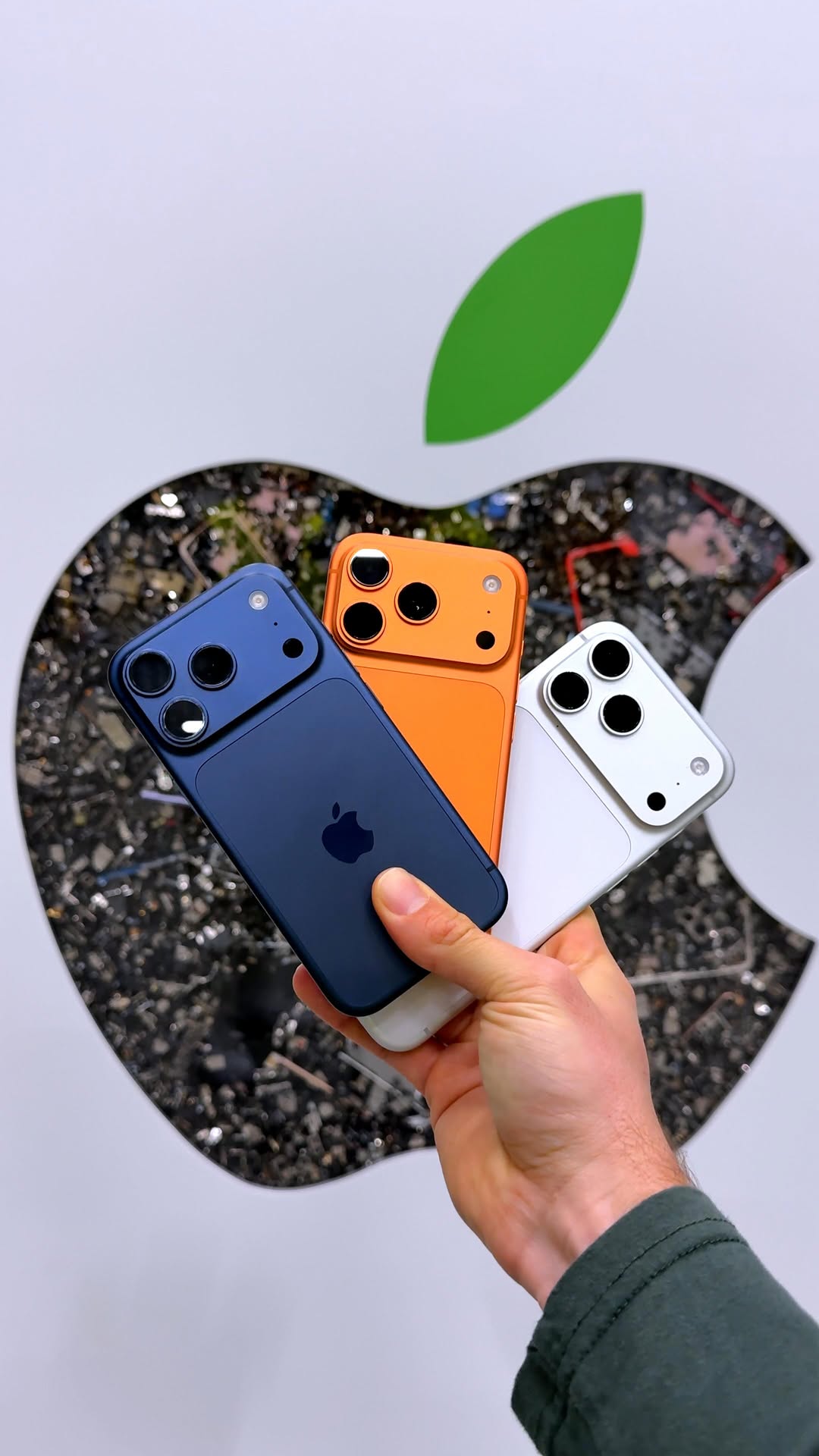
But regardless, we got here. The iPhone Duo comes out in October. The price is big, and it’s a first generation, but is it worth it?
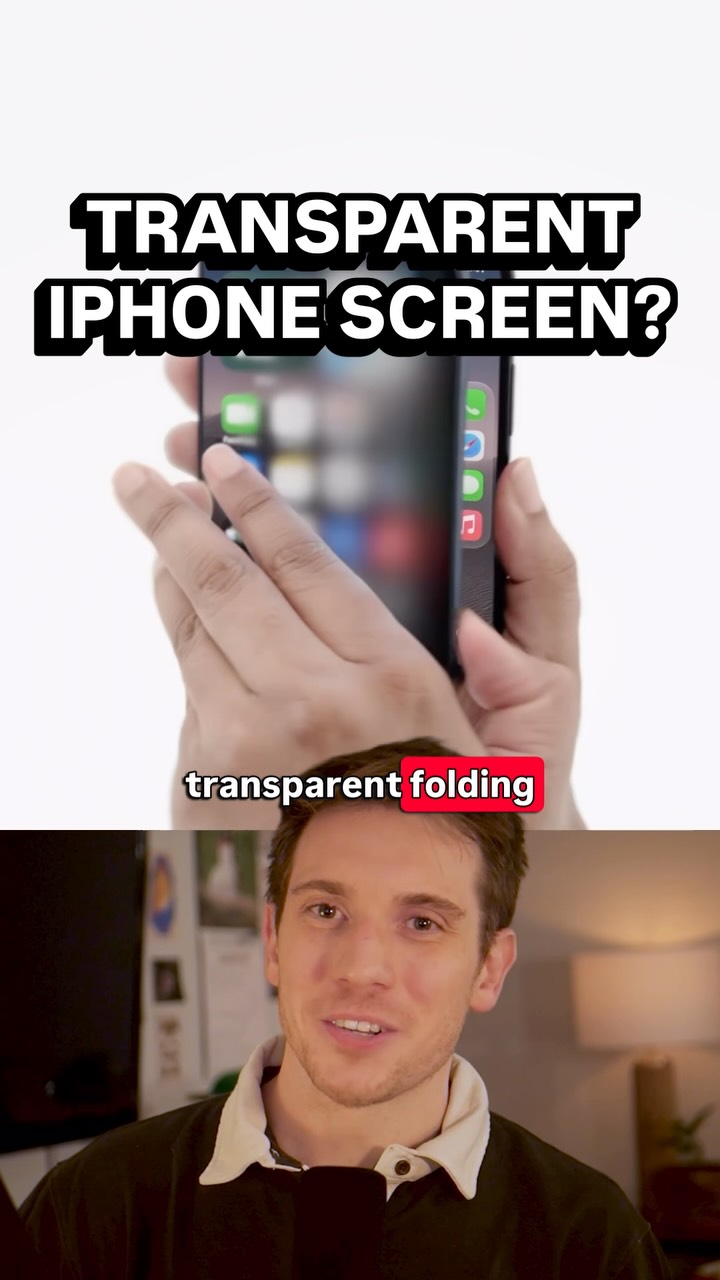
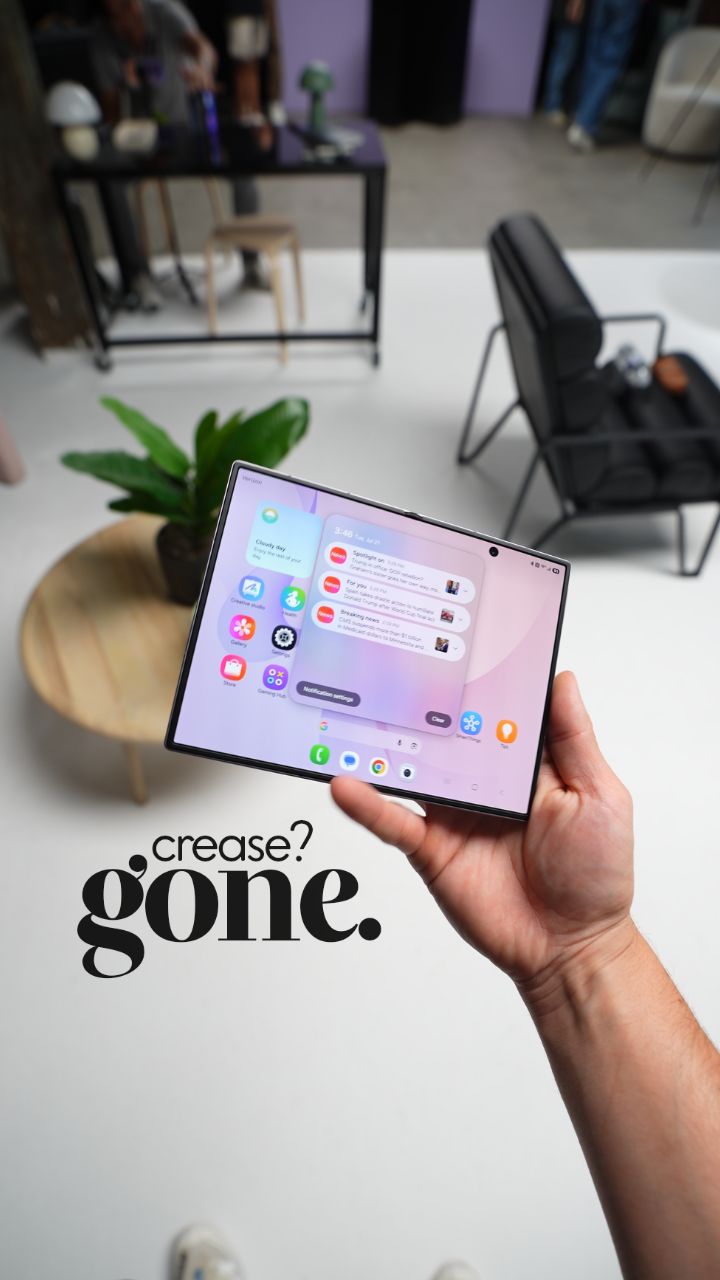
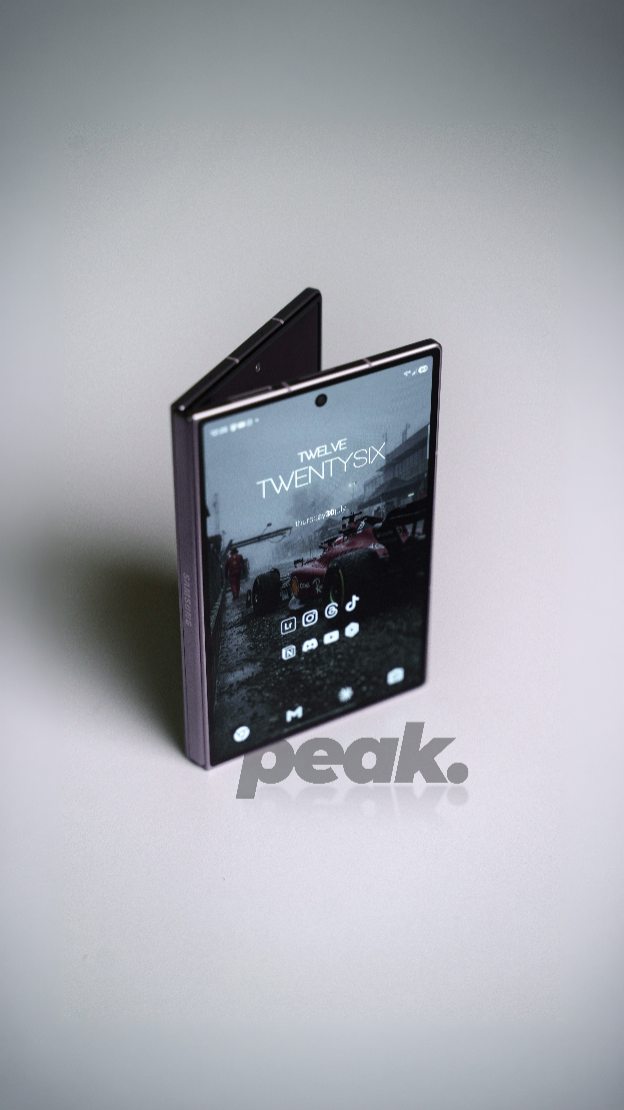
The creator analyzes a concept video for a folding iPhone, breaking down the visual tricks Apple's designers used to create the illusion of a transparent screen. He explains how the UI shifts depending on how the phone is folded, compares it to existing foldable phones, and highlights other innovative features like a dual-camera FaceTime mode.
I figured out how Apple designed this transparent folding trick.
Visual hook
A close-up shot of a futuristic folding phone with a seemingly transparent screen being manipulated by a pair of hands.
[07]
Hook and payoff
The promise the opener makes, and how the video pays it back
Hook
Pose a visually-driven, paradoxical question about a subject, then immediately claim to have the exclusive answer or 'secret' behind it, positioning the narrator as an expert guide.
Payoff
A final, direct call to action that frames the creator as a consistent source for more of this specific type of insightful analysis.
[08]
Narrative framework
The structural pattern this video runs on
Framework
The Expert Deconstruction
The video presents an intriguing or seemingly impossible phenomenon related to a product/concept, then breaks down the 'secret' behind how it works, using this deconstruction to establish the subject's superiority and explore its wider implications.
1
The Illusion Breakdown
Systematically explain the mechanics behind the initial paradoxical hook, revealing the clever design or engineering that makes the 'trick' possible, making the viewer feel like an insider.
2
The Functional Payoff
Demonstrate the subject transitioning from its 'illusion' state to its primary functional state, providing a satisfying resolution to the initial mystery.
3
The Design Reversal
Show how the core mechanic works from an alternative perspective or in reverse, reinforcing the robustness and cleverness of the design.
4
The Competitive Benchmark
Briefly contrast the subject's sophisticated execution with simpler, less elegant examples from competitors or previous versions to elevate its perceived value and justify the deep dive.
5
The Value-Stack Expansion
Pivot from the initial topic to reveal an additional, unexpected feature or benefit, keeping the viewer engaged after the primary hook has been resolved.
6
The Engagement Catalyst
Shift from explanation to conversation by asking the audience a direct opinion-based question and sharing a personal, relatable take to encourage comments and community interaction.
Themes
innovation
user experience
design principles
brand strategy
Techniques
split screen
commentary
visual analysis
Trends
reaction video
tech analysis
Post caption
Apple’s folding animation tricks your eye into thinking the device is breaking reality. Their attention to small detail is why get away with as much as they do.
The illusion turns the whole experience into a floating, tethered interface. Like an infinity screen you can flip around but stays accessible. They also found every use case for the new folding form. Setting it up and using it as a kickstand, a selfie camera, and making the external screen a feature even when you’re not the one looking at it. The new FaceTime feature it has lets you use both cameras at once and the person you’re filming can also see the person on the call. It feels like maybe that idea came from the weird Vision Pro eyeball thing. Using devices to break the barrier of technology.
But regardless, we got here. The iPhone Duo comes out in October. The price is big, and it’s a first generation, but is it worth it?
Text overlays
title · beginning
TRANSPARENT IPHONE SCREEN?
call-to-action · end
Follow for more fun design stories
Transcript
Figured out how Apple designed this transparent folding trick. You can see that they assigned the right side of the screen to be the hero, and it's as if it extends off to the left forever. And then they even simulate these fake dark drop offs that give the illusion that the screen you're folding is transparent. But as you open it, the screen levels out and the content pops into the foreground. As you close it from the other side though, it now looks like the right side is folding away. It's because the right screen is still locked stiff. Other foldables have existed for some time, but when you open them, they just fully illuminated. Apple stepped in and they refined it. Of course, sometimes, requirements are less elevated, but past failures can lead to other cool design solutions. Like this really cool FaceTime feature where you can use both the front and rear cameras, and the person that you're filming can also see the person that you're on the phone with. It doesn't come out until October, but who thinks they're gonna get one? I'd risk it all to get my touch ID back. Follow for more fun design stories.