Viral Hooks
Trending short videosExpert gives four athletic tips
H

@homelabwellness

Instagram · Yap
@homelabwellness I’m a Stanford PhD scientist, a NASM certified youth exercise specialist, and a dad of two. Athletic development starts long before organized sports. Before age 6, kids build their foundation through fundamental movement skills, daily active play, gymnastics and swim lessons, and movement across different environments like land, water, ice, and snow. A childhood full of movement helps build the confidence, coordination, and adaptability that support lifelong athletic development. Informed by Sport for Life’s long-term development framework, WHO activity guidelines, American Red Cross water-safety guidance, and the broader youth-development literature. Comment "BLUEPRINT” for my free guide: The Blueprint for Raising Athletic Kids + The best first sports compared #ParentingTips #RaisingKids #YouthSports #AthleticDevelopment
View original on Instagram

The edit1 shot · 18 text
Shots Text1:02

Performance

Views
363.3K
Likes
6.8K
Comments
979
Engagement
2.1%
Length · 12 Aug 2026
1:02

Video #48902 · Yap

Expert gives four athletic tipsfrom @homelabwellness

[01]

Overview

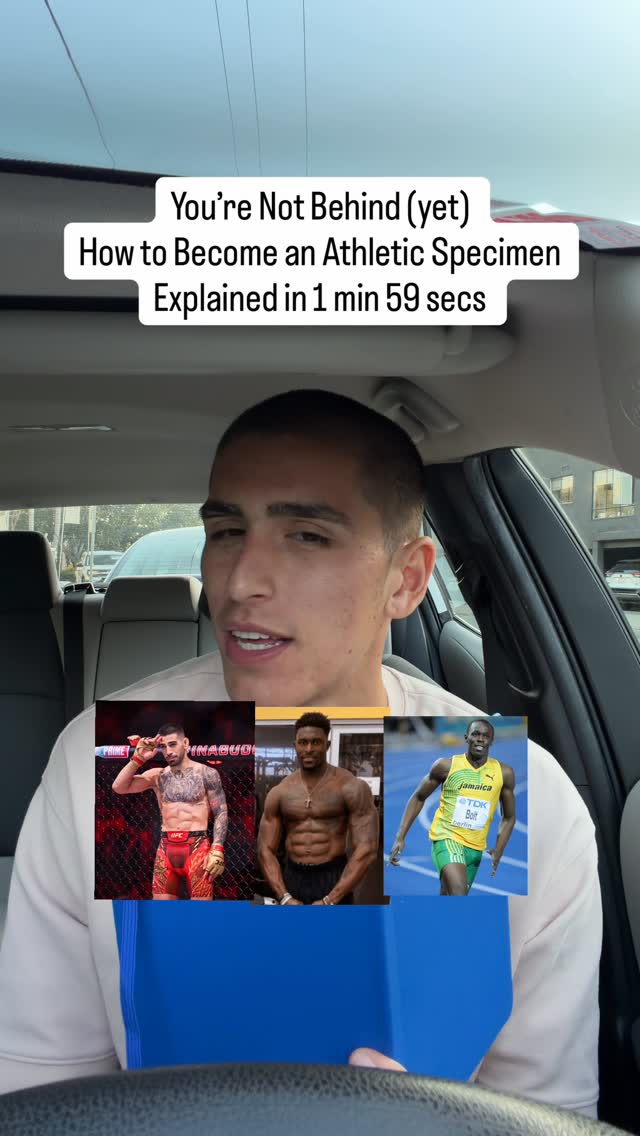
A Stanford PhD scientist and youth exercise specialist, speaking from his car, outlines a four-step 'cheat code' for parents to ensure their child's athletic future before age six. He presents a numbered list, explaining the importance of building fundamental movement skills, making active play a daily habit, starting swim and gymnastics lessons, and exploring different environments. He concludes by summarizing that a movement-filled childhood is the best head start and asks viewers to share the video.

[02]

Simple outline

  1. 1Promise a secret advantage
  2. 2Establish expert credibility
  3. 3Deliver numbered, actionable steps
  4. 4Conclude with unifying principle

[03]

Related videos

[04]

Classification

Format
Concepts
PlaybookTutorial / How ToBreakdown
Elements
Text OverlayJump CutShare CTATitle Text Hook

[05]

Hook analysis

What stops the scroll in the first 3 seconds

Title hook

What Athletic Kids Do Early

Verbal hook

The cheat code for your child's athletic future is these four movement experiences before age six.

Visual hook

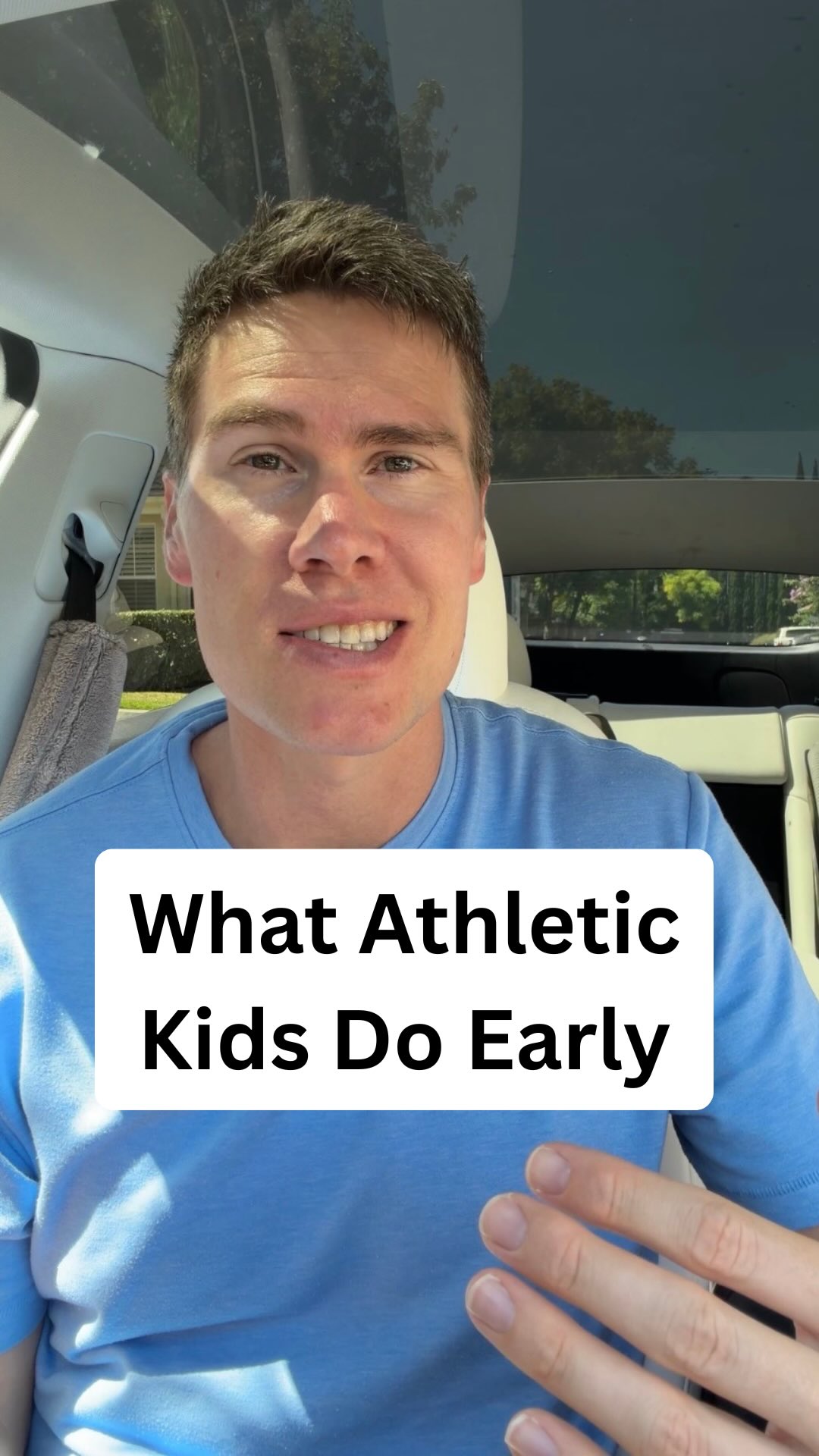
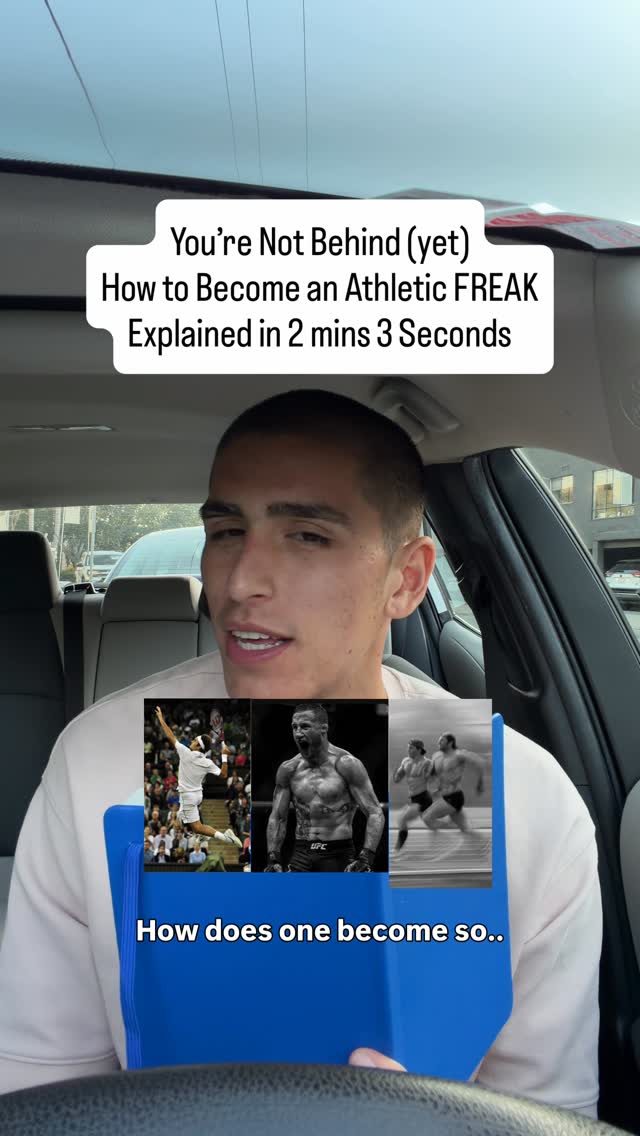
A medium close-up shot of the speaker in a car, looking directly into the camera. The natural lighting and direct address create an immediate sense of personal connection and authority.

[07]

Hook and payoff

The promise the opener makes, and how the video pays it back

Hook

A 'cheat code' framing that promises a significant advantage or shortcut to a desired result, immediately establishing high value and creating a knowledge gap the viewer wants to fill.

Payoff

A targeted call-to-action that instructs the viewer to share the content with a specific type of person who would find it valuable, increasing the likelihood of the content spreading within a relevant community.

[08]

Narrative framework

The structural pattern this video runs on

Framework

The Expert's Cheat Code

A credentialed expert reveals a short, numbered list of 'secret' principles or actions that lead to a highly desirable outcome in a specific domain, framing it as a shortcut or 'cheat code'.

  1. 1

    The Authority & Relatability Claim

    The creator quickly establishes their professional credentials and personal connection to the topic, answering the viewer's implicit question of 'Why should I listen to you?' and building immediate trust.

  2. 2

    The Prescriptive List Delivery

    The creator systematically presents a numbered list of principles, with each item following a consistent micro-pattern to deliver information in a predictable and easily digestible format.

  3. 3

    The Unifying Thesis

    After the list is complete, the creator delivers a single, memorable sentence that summarizes the core philosophy behind all the points, providing a powerful takeaway.

Themes

  • early childhood development
  • long-term athletic development
  • parental guidance
  • science-backed advice

Techniques

  • numbered list
  • expert authority
  • actionable advice

Post caption

I’m a Stanford PhD scientist, a NASM certified youth exercise specialist, and a dad of two. Athletic development starts long before organized sports. Before age 6, kids build their foundation through fundamental movement skills, daily active play, gymnastics and swim lessons, and movement across different environments like land, water, ice, and snow. A childhood full of movement helps build the confidence, coordination, and adaptability that support lifelong athletic development. Informed by Sport for Life’s long-term development framework, WHO activity guidelines, American Red Cross water-safety guidance, and the broader youth-development literature. Comment "BLUEPRINT” for my free guide: The Blueprint for Raising Athletic Kids + The best first sports compared #ParentingTips #RaisingKids #YouthSports #AthleticDevelopment
Text overlays

  • title · beginning

    What Athletic Kids Do Early

  • informational · beginning

    The cheat code for your child's athletic future is these 4 movement experiences before age 6.

  • contextual · beginning

    I'm a Stanford PhD scientist, a youth exercise specialist, and a dad.

  • informational · middle

    #1. Build the fundamental movement skills.

  • informational · middle

    Get them running, balancing, jumping, throwing, catching.

  • informational · middle

    These skills make future sports easier to learn.

  • informational · middle

    #2. Make active play a daily habit.

  • informational · middle

    By age 3, kids need at least 1 hour of energetic play every day.

  • informational · middle

    By ages 5 and 6, that hour should be vigorous 3 times a week to help build strong muscle and bones.

  • informational · middle

    #3. Start swim lessons and gymnastics.

  • informational · middle

    Swim lessons teaches kids to navigate the water safely.

  • informational · middle

    Gymnastics teaches kids to navigate their own body.

  • informational · middle

    #4. Explore different environments.

  • informational · middle

    Get them moving on land and in water and in ice and snow.

  • informational · middle

    Different environments build adaptable, confident movers.

  • informational · end

    The best head start in sports is a childhood full of movement.

  • call-to-action · end

    Follow for science-backed insights

  • call-to-action · end

    Share this with a parent with young kids.

Transcript

The cheat code for your child's athletic future is these four movement experiences before age six. I'm a Stanford PhD scientist, a youth exercise specialist, and a dad. Number one, build the fundamental movement skills. Get them running, balancing, jumping, throwing, catching. These skills make future sports easier to learn. Number two, make active play a daily habit. By age three, kids need at least one hour of energetic play every day. By ages five and six, That hour should be vigorous three times a week to help build strong muscle and bones. Number three, start swim lessons and gymnastics. Swim lessons teaches kids to navigate the water safely. Gymnastics teaches kids to navigate their own body. Number four, explore different environments. Get them moving on land and in water and in ice and snow. Different environments build adaptable, confident movers. The best head start in sports is a childhood full of movement. Share this with a parent with young kids.

Expert gives four athletic tips | Viral Hooks