@tannerguzy
Instagram · Yap
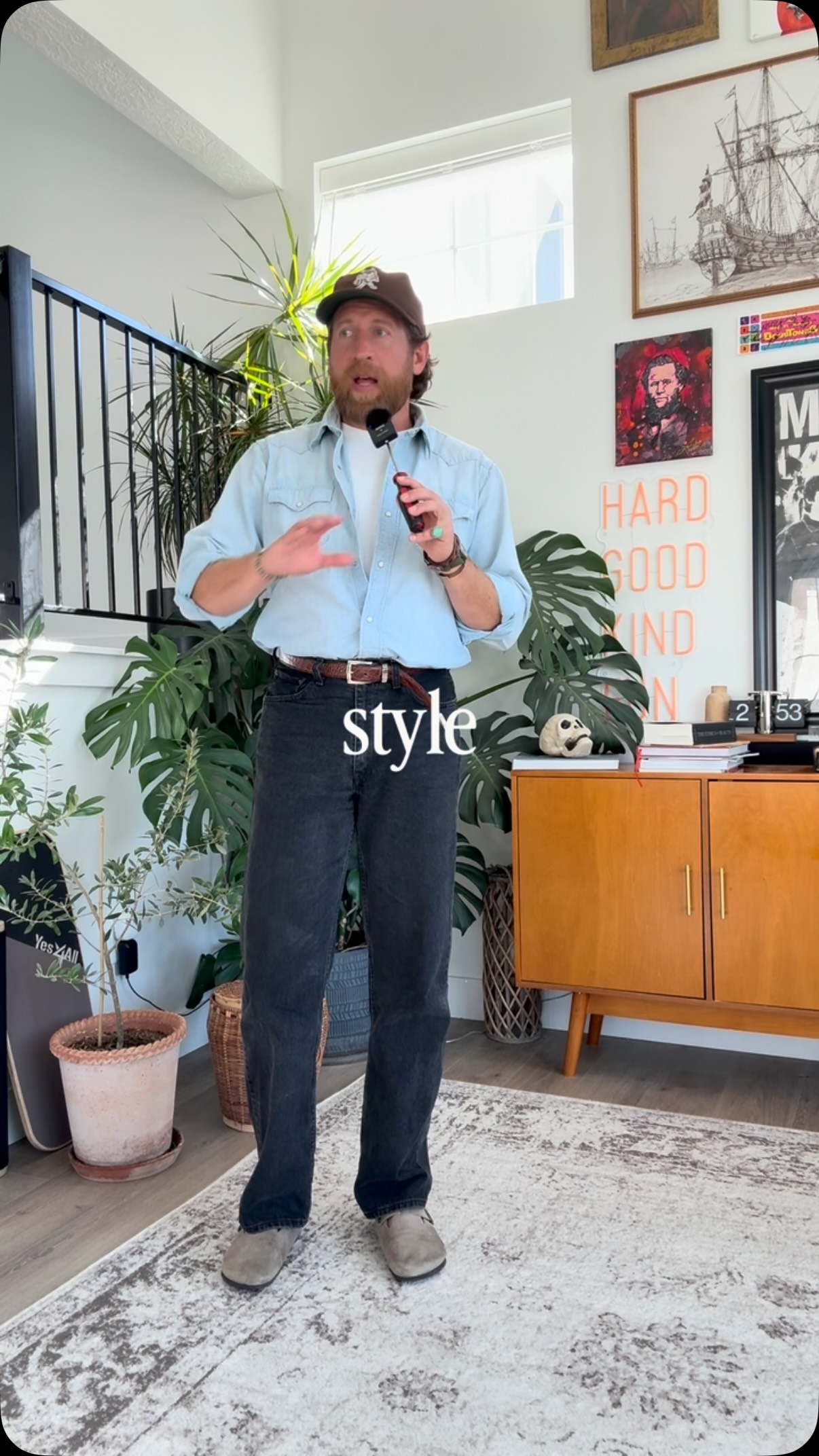
@tannerguzy You can’t buy style. You have to cultivate it.

@tannerguzy
Instagram · Yap
@tannerguzy You can’t buy style. You have to cultivate it.
Performance
Video #49061 · Yap
[01]
The creator explains that style is about how you wear clothes, not just the clothes themselves. He demonstrates this by presenting the same outfit in three ways: a well-styled "dad fit," a poorly styled version that lacks effort, and an over-styled version that looks cartoonish. He concludes by emphasizing that style is a personal skill that must be cultivated based on personality and context.
[02]
[03]
 1.1M15.7×Breaking down a personal style formula@clarainfante · Breakdown
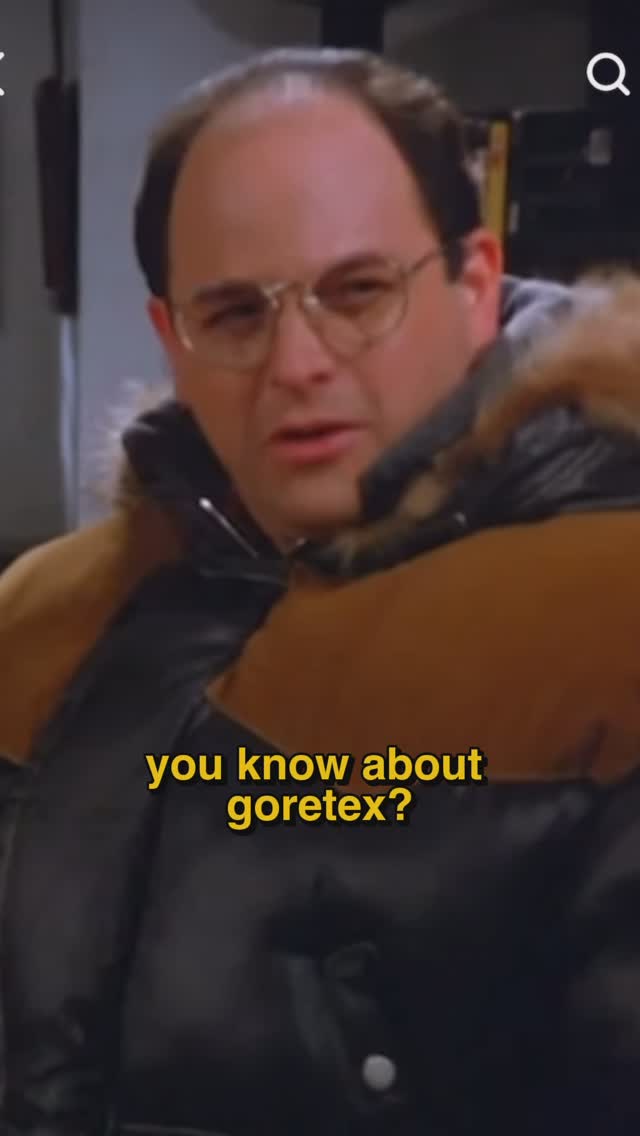 4.7M50.3×TV character fashion style breakdown@henrythekidd_ · Breakdown
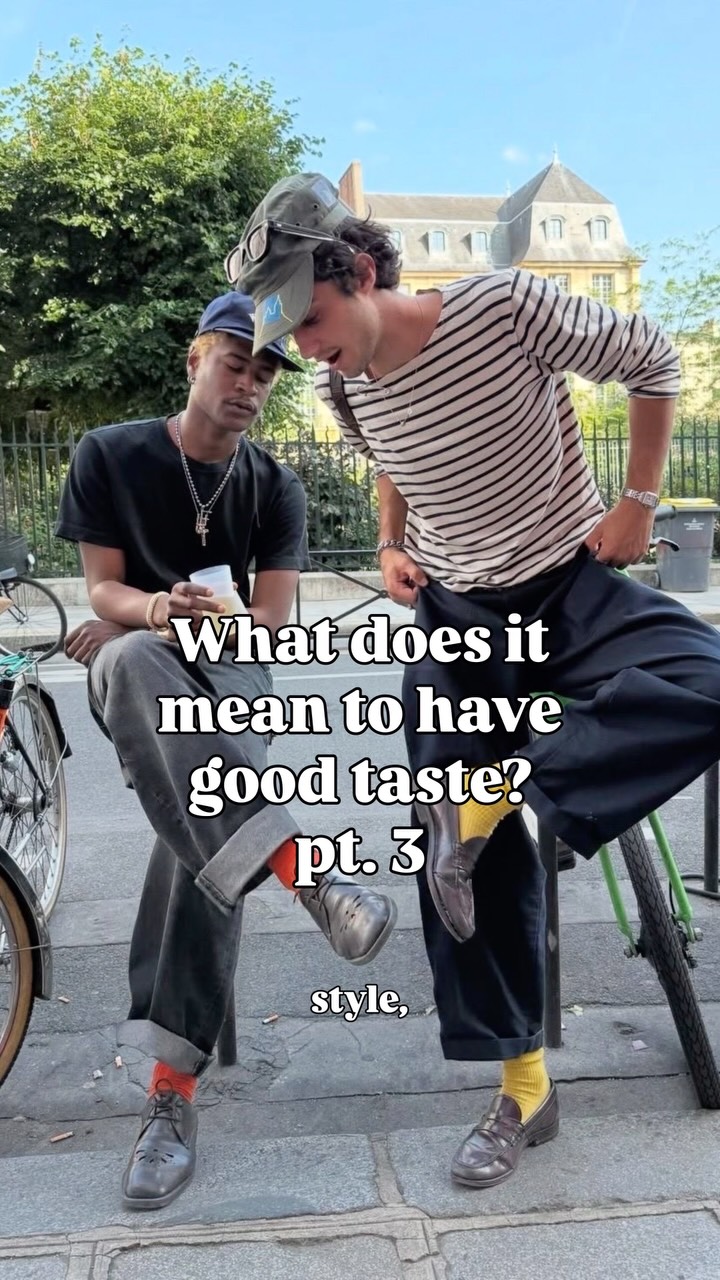 326.2K17.8×Defining good taste through comfort@clayton.chambrs · Breakdown
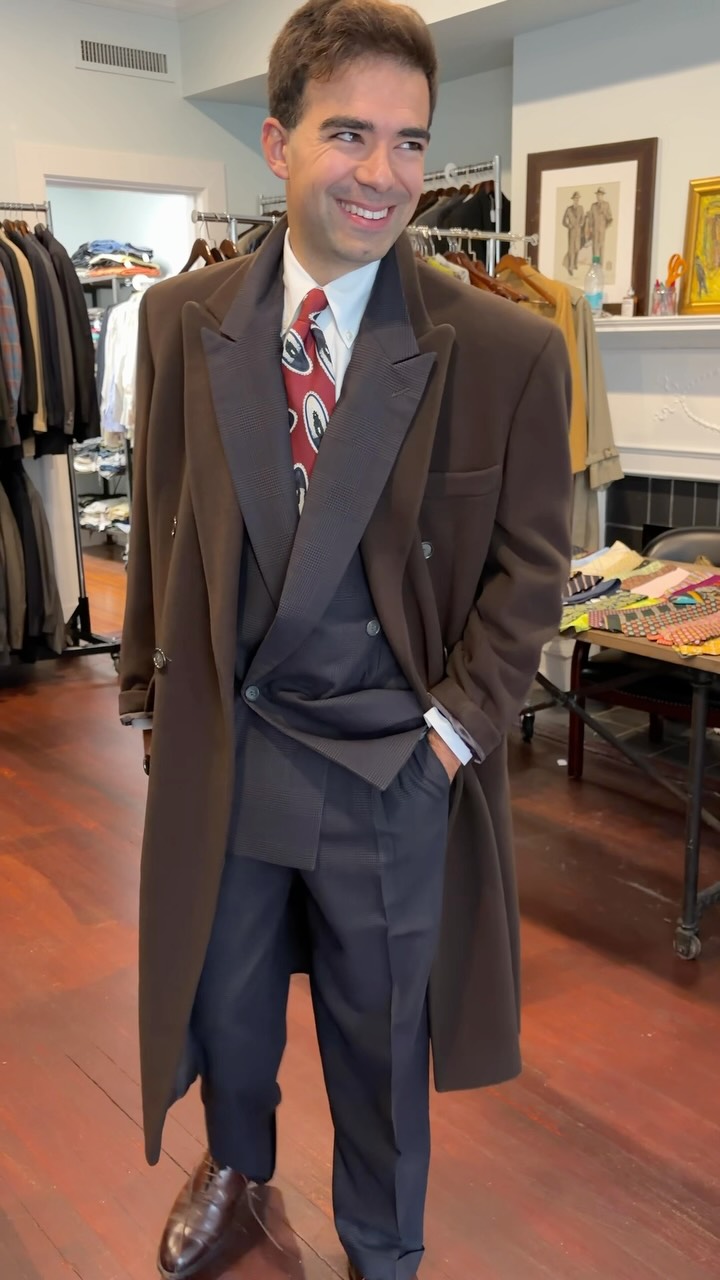 145.3K71.3×Stylist gives rule-breaking suit advice@parvs.dc · Tutorial / How To
 286K58.4×Street style outfit breakdown interview@coolgirlwears · Lifestyle Showcase
 278.6KRecreating my 2014 college uniform@fridaysaturdaysunday · Origin Story
 17M3×Rapid-fire men's fashion style guide@wisdm · Rapid Fire Listicle
 306.5K1.9×Tailoring styles explained by expert@frontoffice.co · Breakdown
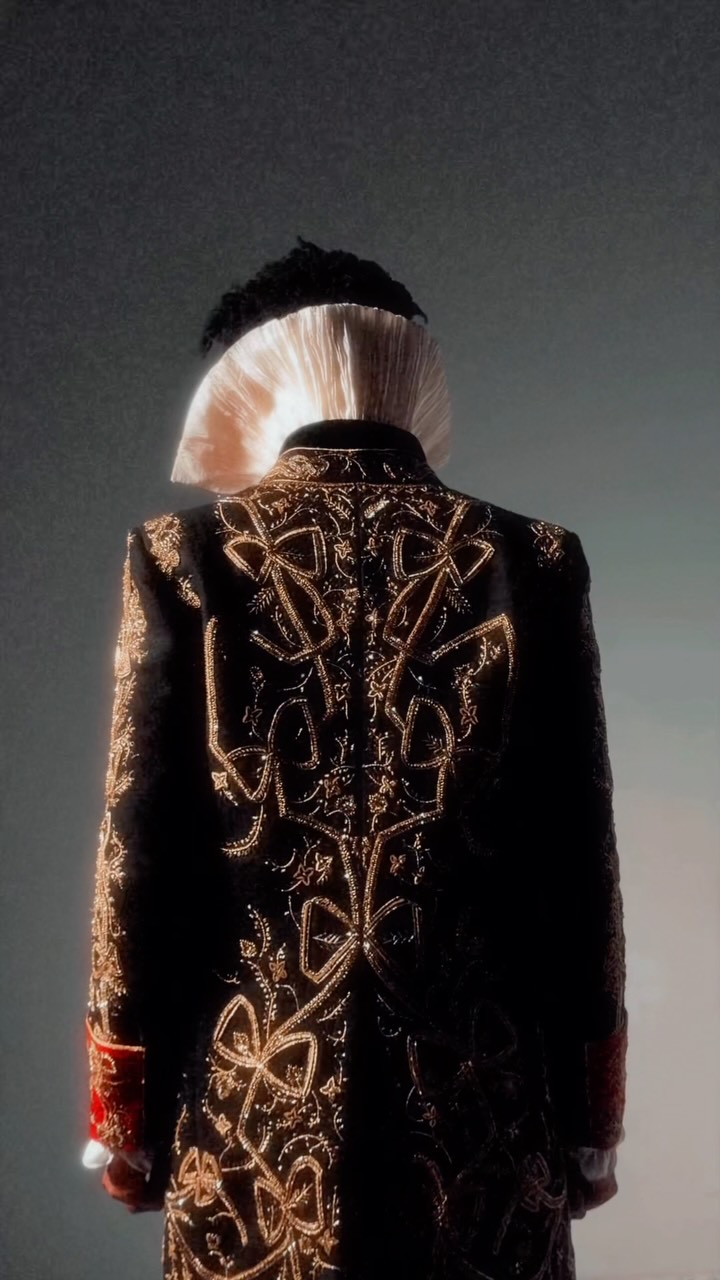 9.7M2×Showcasing diverse men's fashion styles@wisdm · Evolution Showcase
 1.3M115.8×Monologue on confidence and style@thejaunt_ · Anecdotal Philosophy
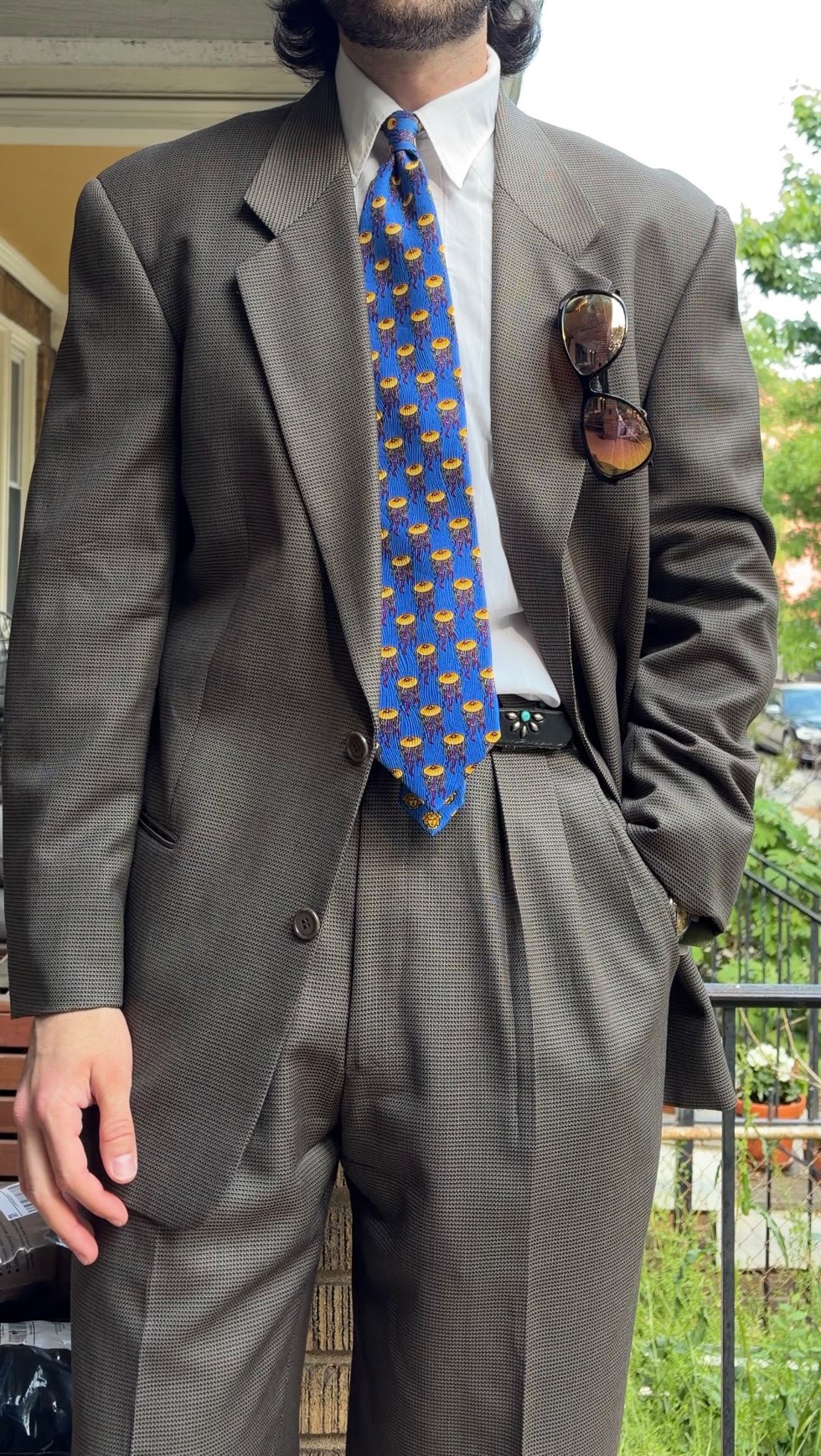 718.9K71×Reframing a common work adage@sjparv · Anecdotal Philosophy
 118.8K1.3×Character fashion style deep dive@henrythekidd_ · Character Profile
[04]
[05]
What stops the scroll in the first 3 seconds
Title hook
great
Verbal hook
Having a great sense of style has little to do with the right clothing and everything with knowing how to wear them in a way that it works for you.
Visual hook
A man stands in a well-decorated living room with plants and art, holding a microphone and speaking directly to the camera, establishing an aesthetic and authoritative presence.
[07]
The promise the opener makes, and how the video pays it back
Hook
A bold, counter-intuitive thesis that challenges a common assumption, immediately positioning the creator as an expert with a unique insight.
Payoff
The Core Principle: The video concludes by returning to the ideal state and explaining the underlying philosophy. It reframes the topic as a 'skill' to be cultivated, empowering the viewer with a transferable lesson rather than just a set of examples.
[08]
The structural pattern this video runs on
Framework
The Goldilocks Gauntlet
Demonstrating a spectrum of execution (ideal, insufficient, excessive) for a single task or concept to prove that *how* something is done is more important than *what* is used.
The Roadmap
Explicitly states the video's three-part structure (right, not enough, too far), creating an open loop and managing viewer expectations.
The Aspirational Baseline
Presents the ideal execution ('Just Right'). This beat deconstructs the specific choices that make it successful and establishes it as the standard for comparison, proving the thesis is achievable.
The Common Mistake
Presents the insufficient execution ('Not Enough'). This beat isolates the subtle, low-effort changes that lead to a mediocre result, creating a moment of high relatability for the audience who may see themselves in this example.
The Cautionary Extreme
Presents the excessive execution ('Too Far'). This beat showcases an exaggerated, almost comical version of the concept to clearly define the upper boundary of what not to do, providing entertainment and a clear warning.
You can’t buy style. You have to cultivate it.
contextual · beginning
great
contextual · beginning
style
contextual · beginning
do
contextual · beginning
clothing
contextual · beginning
everything
contextual · beginning
wear
contextual · beginning
way
contextual · beginning
works
contextual · middle
clothes
contextual · middle
personality
contextual · middle
goofy
contextual · middle
cartoonish
contextual · end
style
contextual · end
skill
contextual · end
cultivate
Having a great sense of style has little to do with the right clothing and everything with knowing how to wear them in a way that it works for you. So I wanna give you three examples of how to do it right, how to do it not enough, and then how to take it too far. So this is a good example just like a simple dad fit. This is the kind of thing that I wear when I'm walking to pick my kids up from school. This is not a show stopper and that is not the objective, but it is something that allows me to feel stylish and look like I give more of a crap than just like the Lulu ABC pants and the golf polo that most of my peers are in. So we've got a simple button down with a white tier shirt, a pair of fairly wider cut jeans that are different than my, like, millennial emo era, and then just some Boston Birks. But look what happens when I don't do it enough with the style. Exact same clothes. I'm just wearing them differently. All I've done is I've untucked the shirts. I've buttoned this one up enough that it's just like, oh, I'm only doing the collar button undone because I'm not willing to do anything else. And then I've dropped my pants back down to where they were on my hips, which is where most guys in their thirties, forties, and fifties will wear them. So now all of a sudden these things are way too long. And now there's just no personality to this. This is just clothes on a body. And then here's what happens when you get weird and you take it too far. So now I've got the buttons done up in a weird way, and my sleeves are rolled up too much, and I've got a half tuck going on, and this hat has no business being worn backwards. And this gets into goofy cartoonish territory. Again, not because anything about the clothing is different except for the way in which I am wearing them. And even once I'm back to my original fit, this only works for me because of my personality and my context. I understand how to navigate all of those factors. It may not work for you. It certainly doesn't work for a lot of my clients, which is why you cannot just go buy the right clothes and have style. You need to learn how to actually treat this as a skill, as a method of expression, and then be able to cultivate your own dexterity with your appearance.