@clayton.chambrs
Instagram · Talking Head Edit
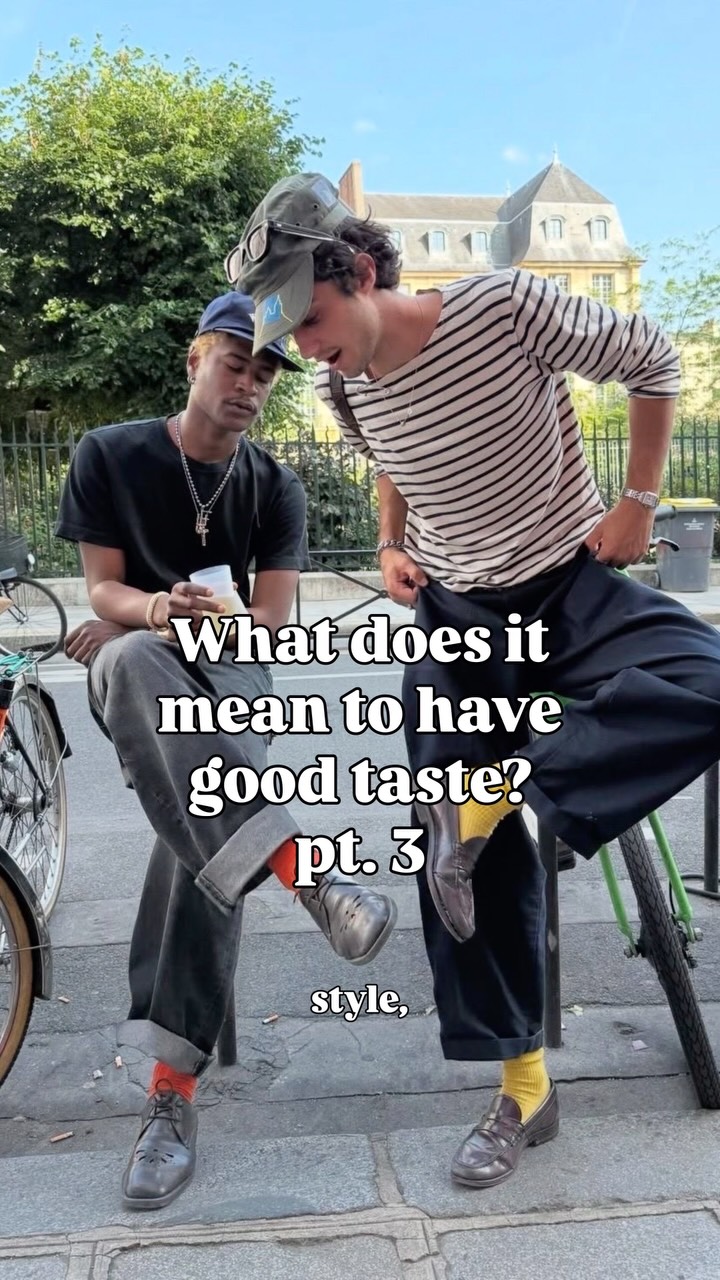
@clayton.chambrs Developing personal taste is learning to be comfortable with yourself

@clayton.chambrs
Instagram · Talking Head Edit
@clayton.chambrs Developing personal taste is learning to be comfortable with yourself
Performance
Video #36855 · Talking Head Edit
[01]
The creator explains the concept of 'good taste' in fashion, arguing that it's defined by comfort and authenticity rather than a specific aesthetic. He contrasts the classic style of Andy Spade with the eclectic style of Tyler, the Creator to illustrate that both have good taste because they are comfortable in their own skin. He concludes that developing personal style requires one to stop performing for others.
[02]
[03]
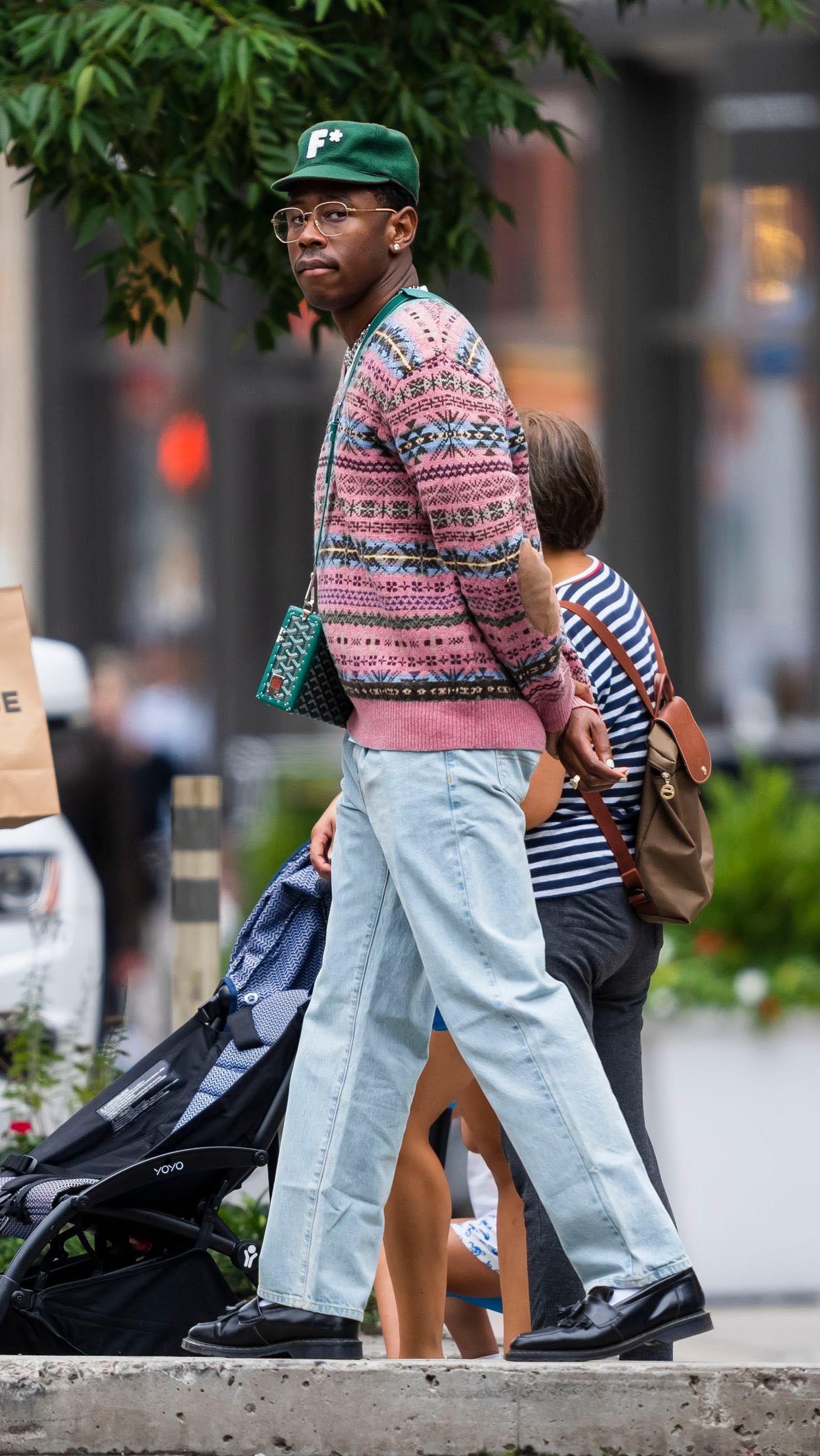 324.6K3.9×Analyzing celebrity style with examples@clayton.chambrs · Breakdown
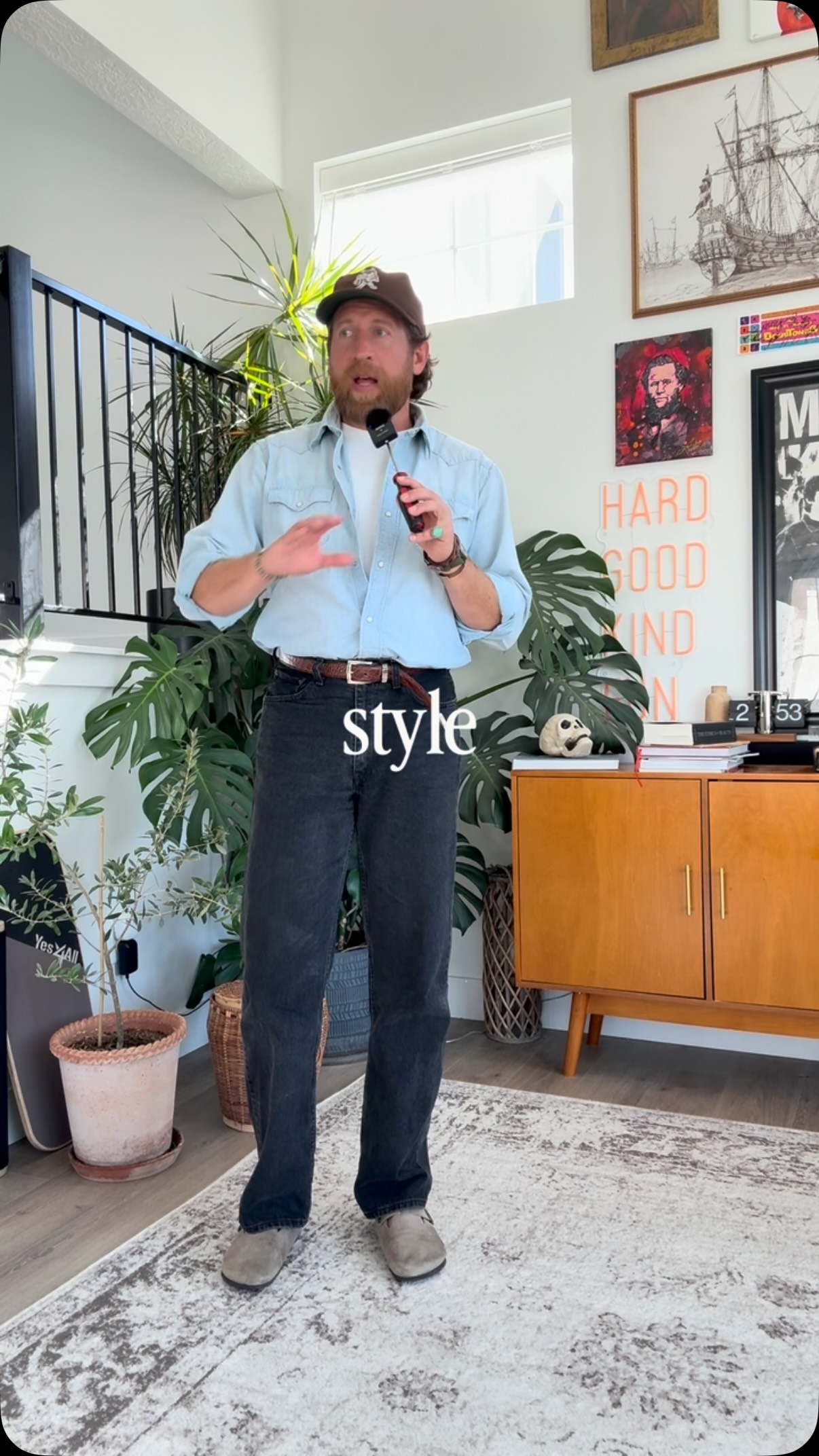 155.9KDemonstrates good vs bad styling@tannerguzy · Good vs Bad
 231.6K1.7×Explains fashion trend with graphics@thealgorythm · Breakdown
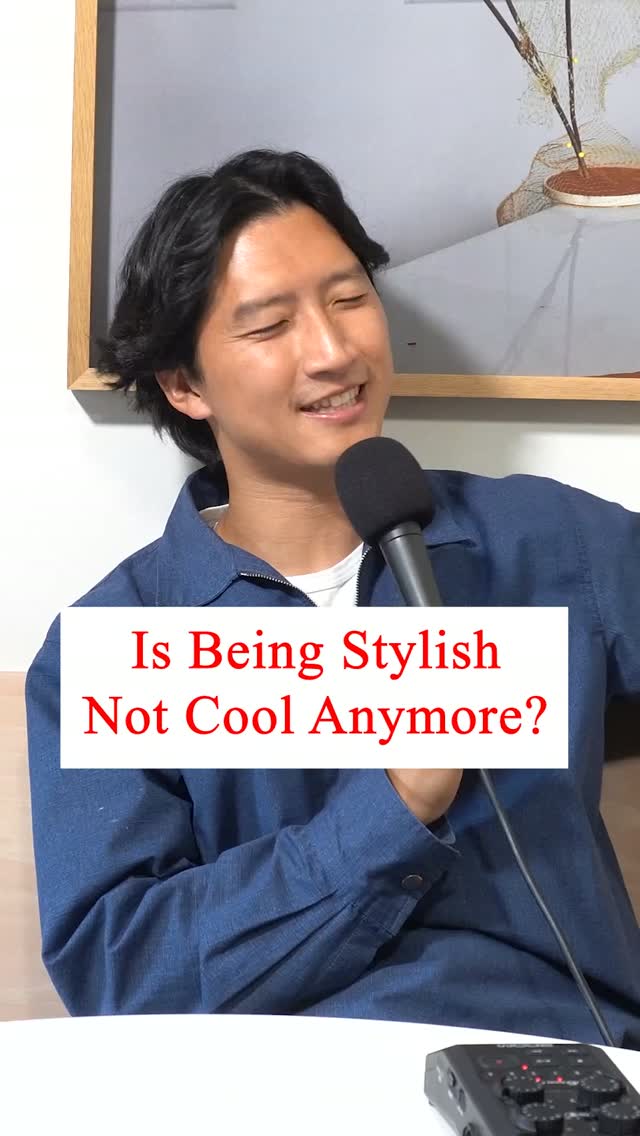 192.9KPodcast clip debating fashion trends@middlebrowpod · Hot Take
 1.3M115.8×Monologue on confidence and style@thejaunt_ · Anecdotal Philosophy
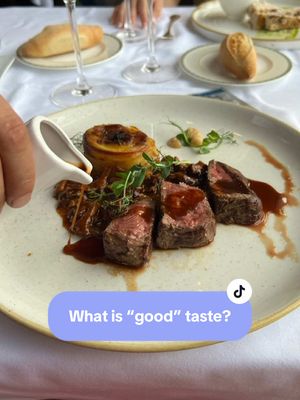 230.3K1.7×Sociological breakdown of good taste@maisonrickie · Breakdown
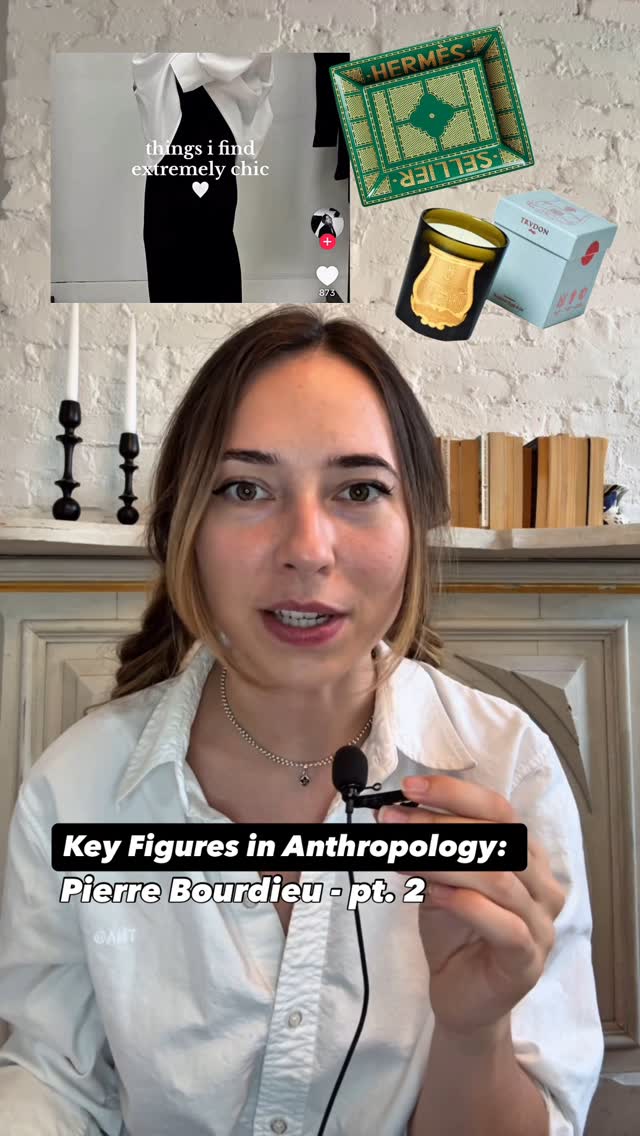 2.1M21.7×Anthropology breakdown of taste trends@internet.anthropology · Breakdown
 4.7M50.3×TV character fashion style breakdown@henrythekidd_ · Breakdown
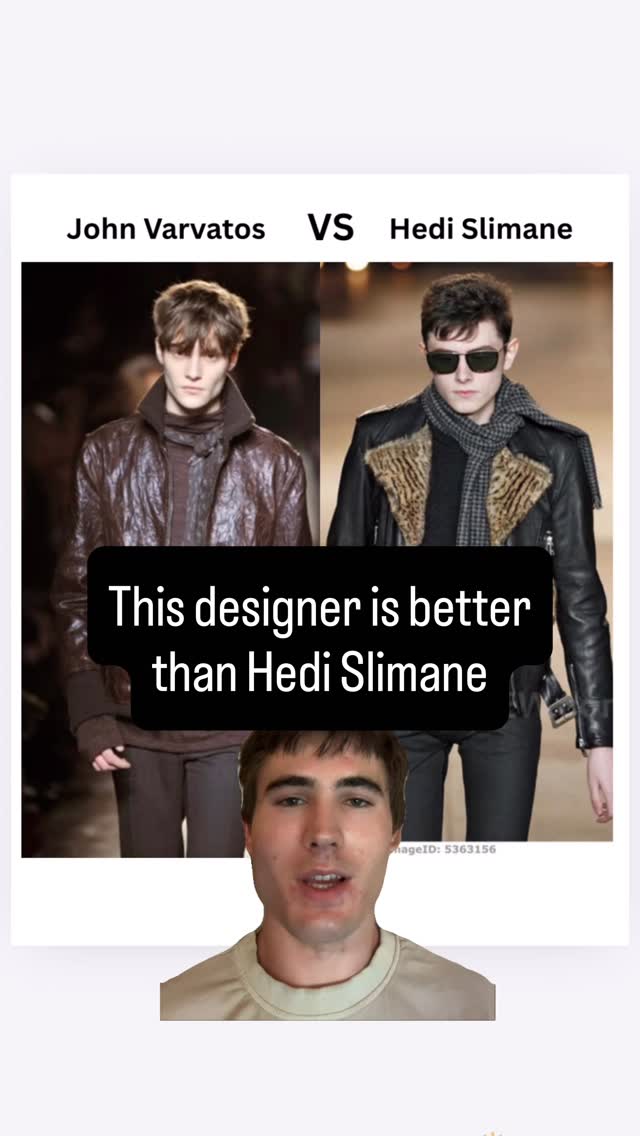 94.5K1.9×Controversial designer comparison with examples@readytowearfiend · Hot Take
 1.1M15.7×Breaking down a personal style formula@clarainfante · Breakdown
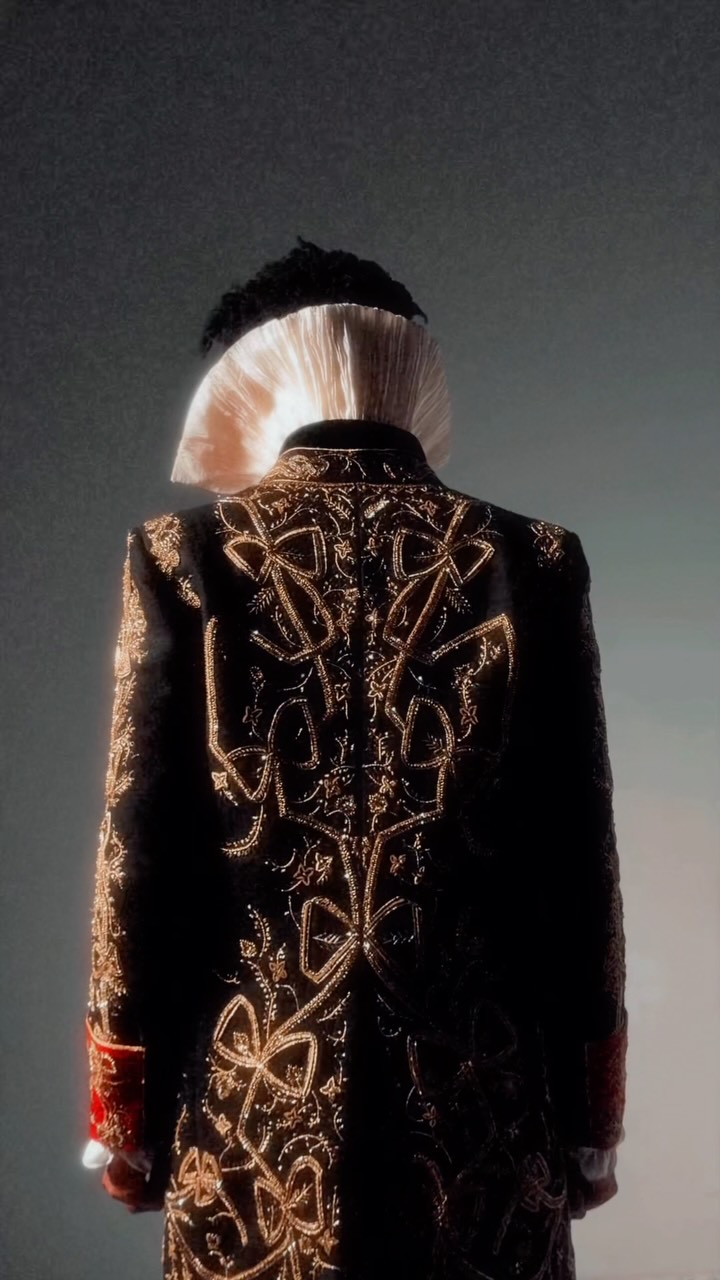 9.7M2×Showcasing diverse men's fashion styles@wisdm · Evolution Showcase
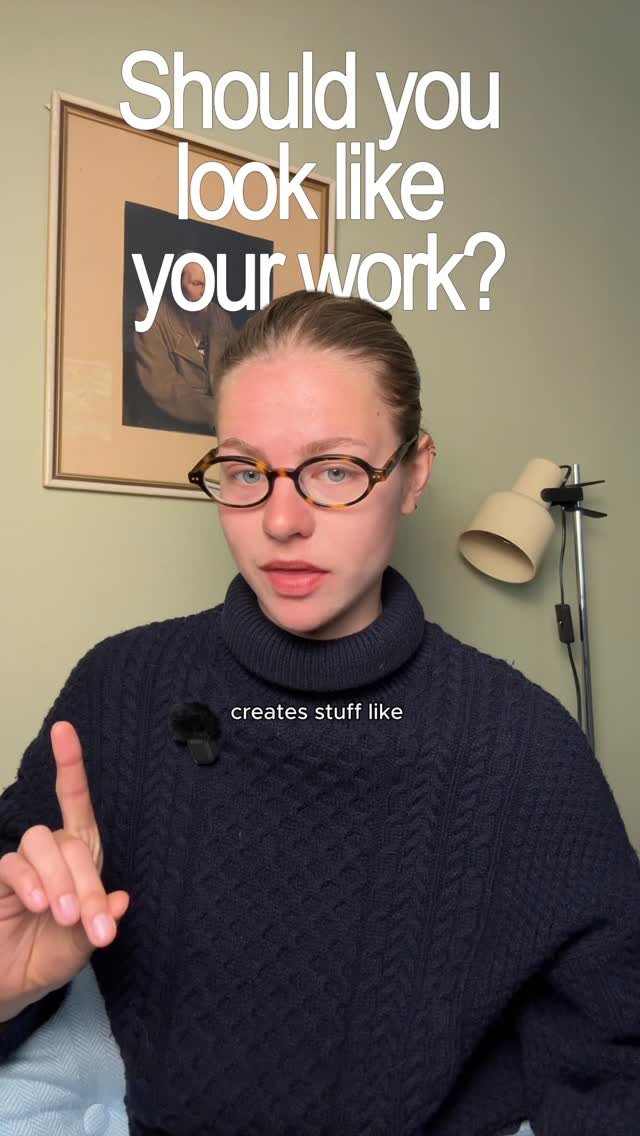 239.7K12.6×Contrasting a creator's look and work@var.aunevik · Case Study Breakdown
[04]
[05]
What stops the scroll in the first 3 seconds
Title hook · 35%
What does it mean to have good taste? pt. 3
Verbal hook · 60%
When you look at someone's personal style, you can almost always tell whether they are performing or if they feel comfortable.
Visual hook · 5%
A direct-to-camera shot of the speaker making an engaging hand gesture, creating a personal connection with the viewer.
[06]
Steal this for your own video
When you look at someone's , you can almost always tell whether they're or .
[07]
The promise the opener makes, and how the video pays it back
Hook
A direct-to-camera, open-ended philosophical question that challenges a common assumption and invites the viewer into a deeper exploration of a familiar topic.
Payoff
The video concludes by defining the core concept not as an external trait but as an internal state of mind, empowering the viewer with a new perspective.
[08]
The structural pattern this video runs on
Framework
The Philosophical Case Study
To answer a broad, subjective question by presenting two contrasting case studies, then revealing a unifying psychological principle that resolves the apparent contradiction.
The Core Binary
Establishes a simple, two-part framework for analysis (e.g., 'performing vs. comfortable') that will serve as the lens for the entire argument.
The Contrasting Exhibits
Introduces two seemingly opposite examples that will be used to test the framework and build the core argument.
The Exhibit Deconstruction
Briefly analyzes each contrasting example, highlighting their differences to create a paradox that needs resolution.
The Unifying Thesis
States the core argument that resolves the conflict between the two exhibits, often by declaring the topic's inherent subjectivity.
The Actionable Insight
Translates the abstract thesis into a concrete piece of advice or a required condition for the viewer to achieve the desired outcome.
The Psychological Payoff
Re-frames the actionable insight into an internal mindset shift, connecting the abstract concept to personal development and providing a profound final takeaway.
Developing personal taste is learning to be comfortable with yourself
title · beginning
What does it mean to have good taste? pt. 3
contextual · beginning
style,
contextual · beginning
comfortable
contextual · beginning
Creator
contextual · middle
tension
contextual · middle
outfits
contextual · middle
style
Look at someone's personal style, you can almost always tell whether they are performing or if they feel comfortable. Let's take Andy Spade and Tyler the Creator. Both have very different approaches to how they decide to get best, and yet we'd say that both have seemingly good taste. And he wears better boots and Levi's and Brooks Brothers Oxford shirts. On the flip side, Tyler is constantly creating tension with his outfits, mixing between prep and outdoors and street wear. At the end of the day, style is inherently subjective. If you wanna develop personal style, you need to be comfortable in your own skin. Being comfortable isn't really something you're born with. It's a mental state you operate from when you stop trying to perform for other people.