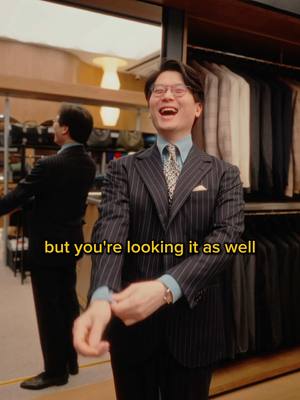
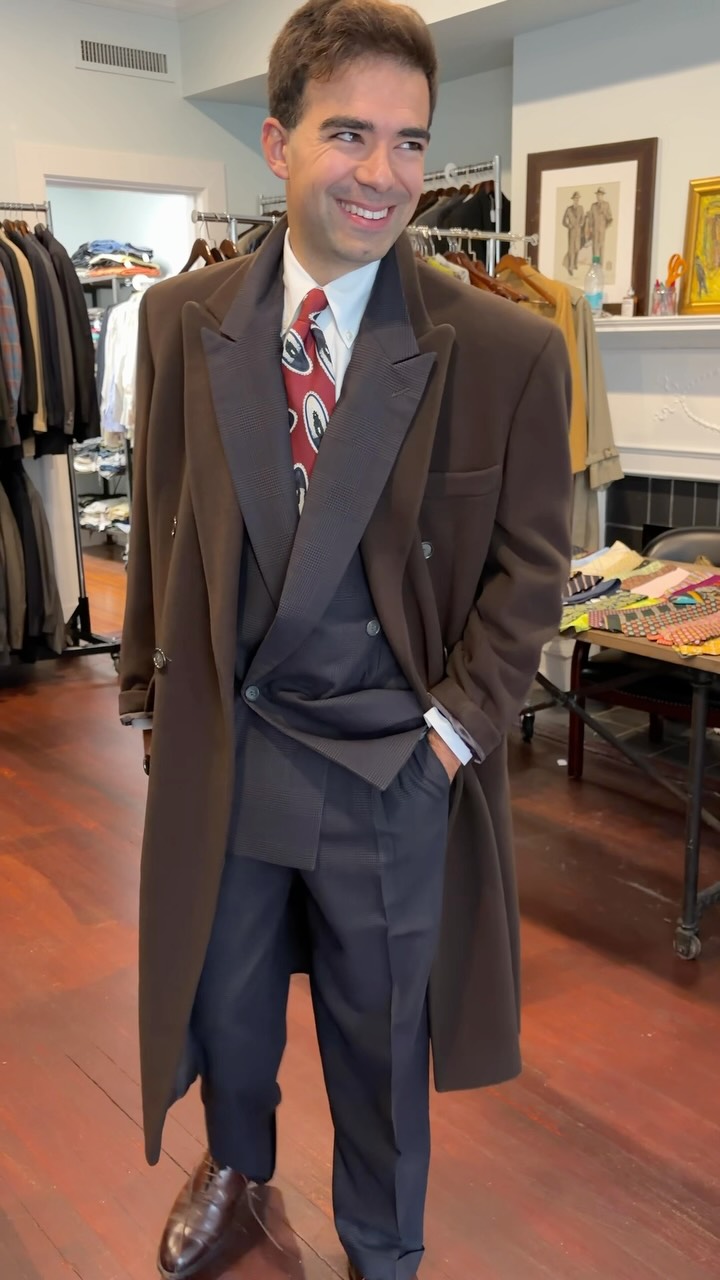
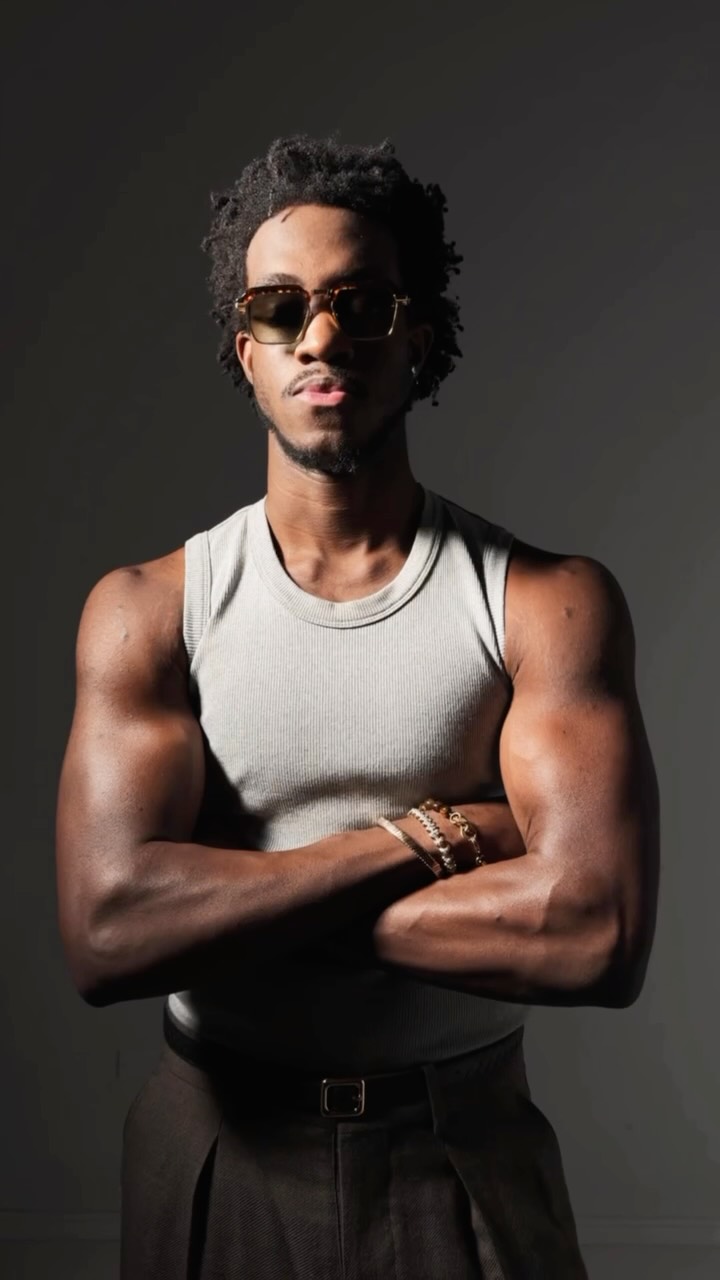
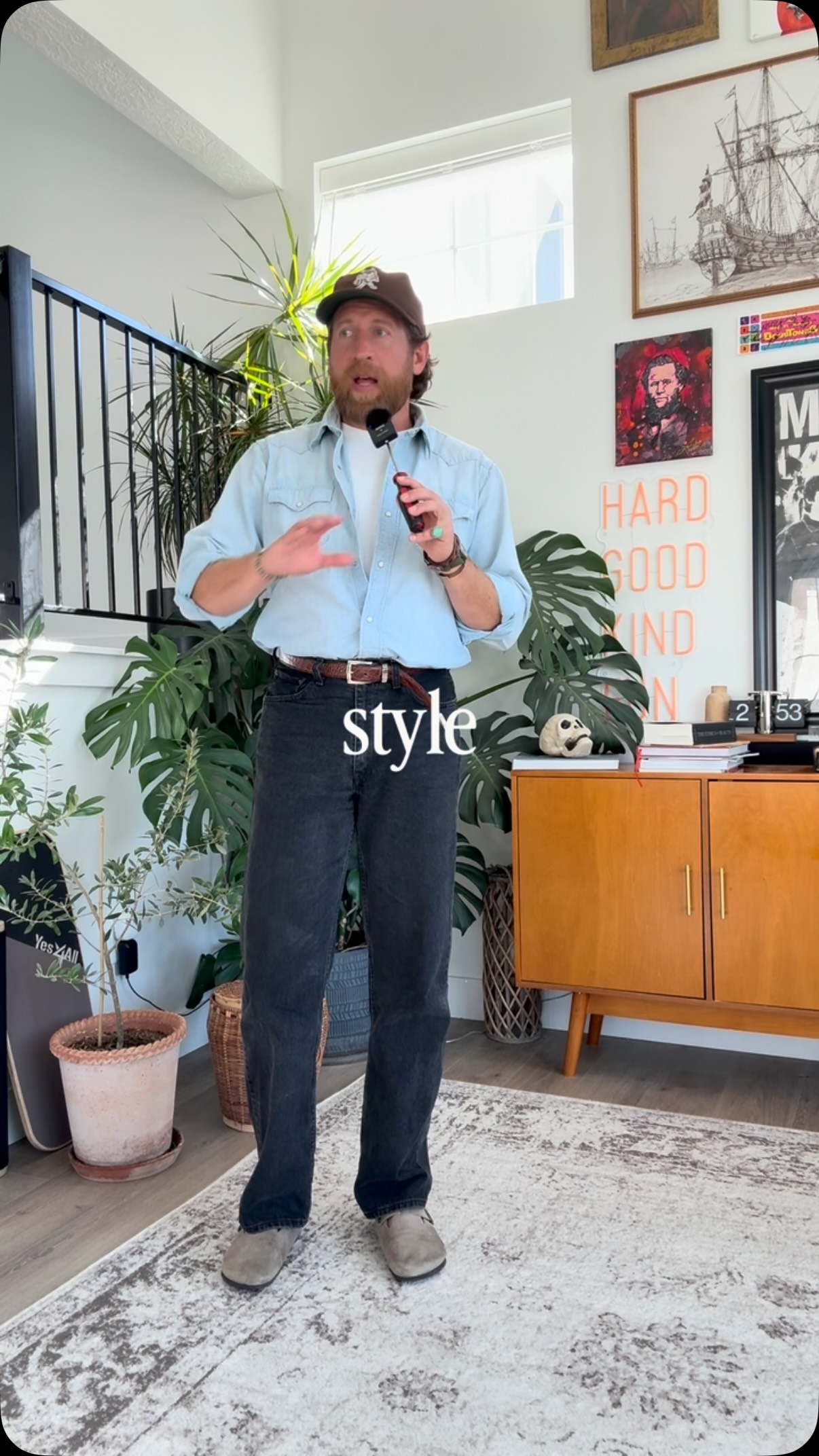
The video begins with the host expressing his stress about suit-wearing rules and introduces Mark Cho, a tailoring expert from The Armoury in Hong Kong. Mark Cho then breaks down four major tailoring styles: British (structured, uniform-like, imposing), Neapolitan (soft, relaxed, unstructured), Florentine (roomy yet shaped, aristocratic), and American (mass-produced, consistent, 'sack jacket'). For each style, he explains the historical and cultural context, shows a physical example, and details specific construction techniques like shoulder pads, canvas, and darts, concluding that clothing is a visual language to express oneself.
Post caption
The design of suits reflect culture, history and provide a fun way to exhibit your personality! I met with @markchodotcom at @thearmouryhk to give me a primer on English, Neapolitan, Florentine and American suits.
Transcript
I find wearing suits pretty stressful and there are all these rules. Hard tailoring, soft tailoring. There's British, there's Italian, there's I just care about what image am I projecting out in the world. And from my point of view, there's no better person to ask than Mark Cho at the armory in Hong Kong. Mark has spent decades learning, teaching, and living this life of tailoring. I think we should start with British because, obviously, it's the great grandfather. If you're wearing British tailoring, you should look strong, imposing. But because of its uniform origins, you also don't wanna look too different from the next guy. So a lot of the features are there to sort of even out differences between people as well. British tailoring always characterized by a shoulder pad that has some hardness to it. By adjusting the shoulder pad, you can kind of even out the differences from person to person. The canvas, which is like the interlining layer between the chest and the lining, is a little bit stiffer, a little bit harder. That allows for this sort of very neat appearance. It also allows you to have what we call a draped chest where this upper part of the chest has some fullness to it. Like, it's almost a little puffy. And physically, you just look a little bit more imposing that way as well. Neapolitan tailoring, no, it's probably the softest, and it kind of suits the nature of Naples. You know, Naples is a place where people go on holiday, people are very relaxed. So if you're to touch a Neapolitan garment, right, personally, the shoulders feel very soft, the chest feels very soft. And because the garment's so soft, they have to do a little bit more work with the dart on the front. So the dart extends here from the middle of the chest all the way down to the bottom of the garment. They do what's called the spalla commitia. And it gives you this sort of soft pleated effect at the top of the shoulder. To me, this is all about the Italian idea of sprettatura, kind of this unstudied elegance. So this is a Florentine garment. This is made by No. So the Florentine garment is definitely distinct from the Neapolitan garment. And if you think about, like, the people and where Florence fits in the history of Italy, you know, Florence was trapped right in the middle of the entire country. So I was getting in fights with its neighbors, and it had a very independent streak to it. And it comes out in the tailoring as well. It has this kind of, like, aristocratic, slightly man at leisure, man about town sort of feeling. How do those features get realized in terms of the garment? They like to have the garment a little bit roomy, but they still wanna have at least the illusion of shape. To make it a little bit roomier, they don't use a dart, and instead, they extend the shoulders out slightly more. You still get that hourglass effect. And then we have our American friends. Yes. American tailoring of that era was really about, like, good fit a lot of people. It should be able to be mass produced. It yes a lot more machine work. It's super consistent. It's super clear. And the body of the jacket is very straight up straight down. It's what they call a rank jacket. It means it's gonna fit a lot more people as well. You know, to me, clothing is a visual language because then however you feel that day, you go out in the world and you are not just saying it and feeling it, but you're looking it as well.