@howlingwolf.carpentry
Instagram · Yap
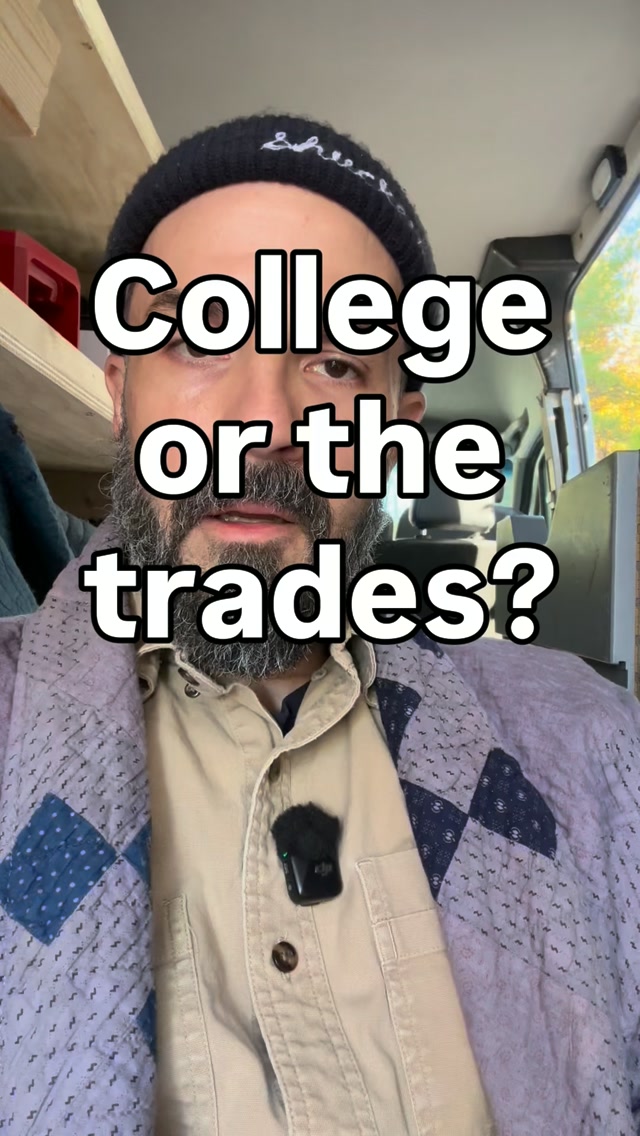
@howlingwolf.carpentry Or should you go to @collegeofstjosephtheworker or @acba_charleston #cincinnati #trades #business #carpentry

@howlingwolf.carpentry
Instagram · Yap
@howlingwolf.carpentry Or should you go to @collegeofstjosephtheworker or @acba_charleston #cincinnati #trades #business #carpentry
Performance
Video #49279 · Yap
[01]
The creator poses a rhetorical question about the fate of liberal arts majors, then argues through a series of personal anecdotes about himself and his friends that many end up working in the trades. He reflects on how their 'useless' degrees make them more thoughtful tradespeople and advises viewers that while college is valuable for personal growth, they shouldn't go into debt for a liberal arts degree if their goal is to make money, as they will likely end up in the trades anyway. He concludes by asking the audience for their opinion on the choice between college and the trades.
[02]
[03]
 4.9M413.6×Explaining the high-leverage career mindset@thejaunt_ · Opportunity Explainer
 190.1K2.1×Talking head mindset shift story@therealdanielpark · Anecdotal Philosophy
 230.7K2.6×Talking head life advice montage@therealdanielpark · Anecdotal Philosophy
 356.7KMonologue advice on dream jobs@bradley.thor · Hot Take
 635K55.5×Expert explains hiring liberal arts majors@blackstone · Opportunity Explainer
 1M55.6×Monologue over B-roll montage@wearecalamity_ · Cultural Rant
 603.6K73.8×Contrarian take on college sports@d1scholarship · Hot Take
 695.7KCinematic monologue on future of work@rpn · Hot Take
 6.8M426.1×Philosophical monologue over aesthetic B-roll@wearecalamity_ · Brand Manifesto
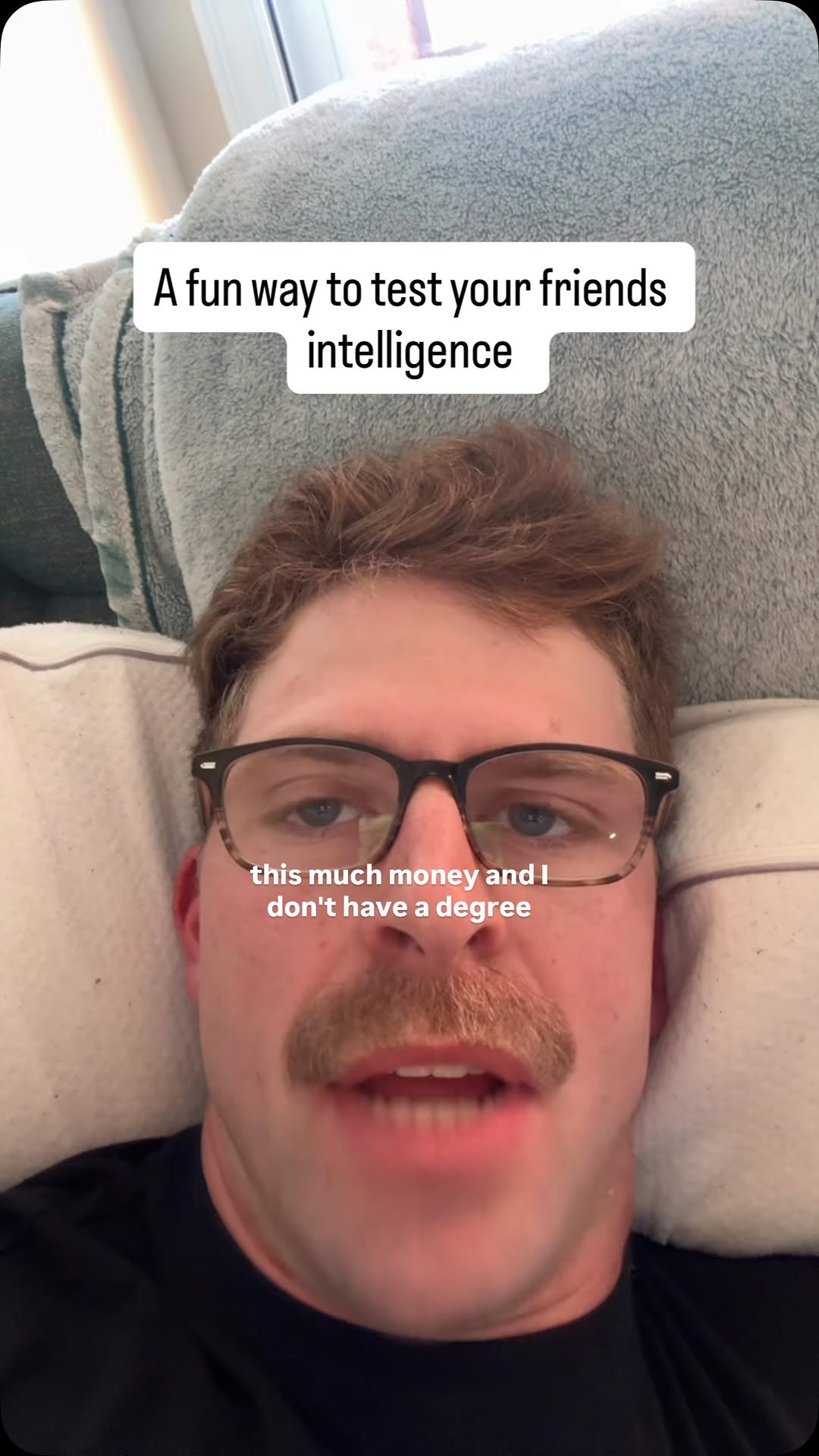 1.4M13.6×Using averages to test intelligence.@higherupwellness · Breakdown
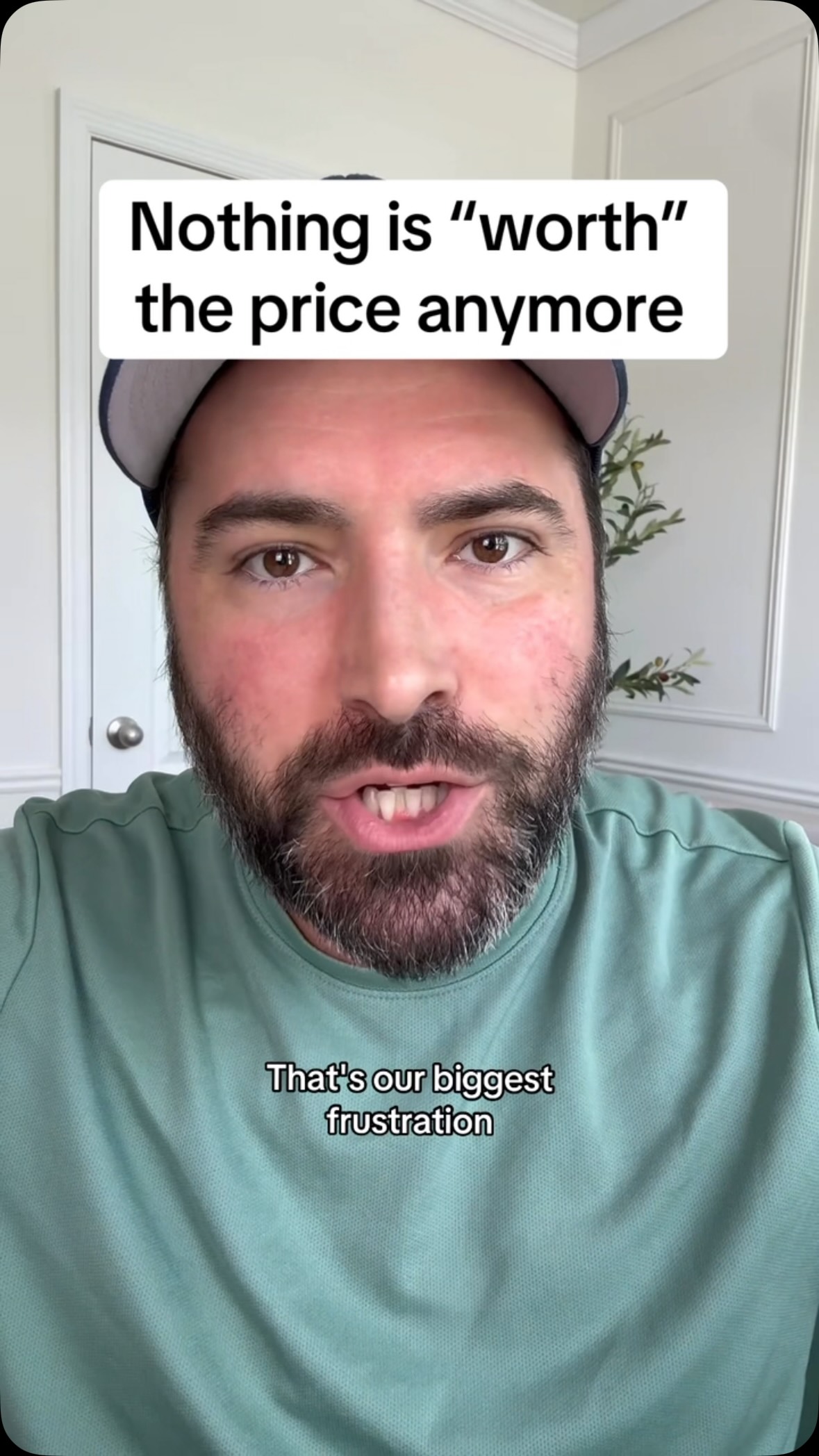 854.3KRant about why nothing is worth the price@fmsmith319 · Cultural Rant
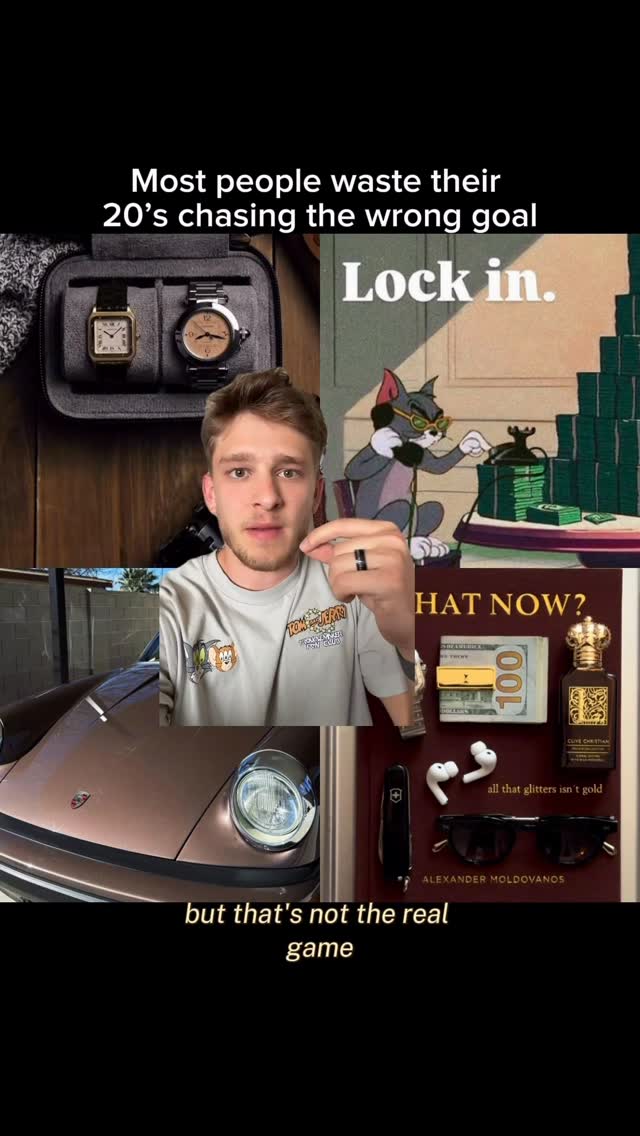 237.7K5.5×Stop chasing status, build skills@kolbykirschner · Opportunity Explainer
[04]
[05]
What stops the scroll in the first 3 seconds
Title hook
College or the trades?
Verbal hook
Hey, what happened to all the art school kids and the music school kids and the liberal arts kids?
Visual hook
Medium close-up of a man with a beard and beanie speaking directly to the camera from inside a van, creating a personal and slightly unconventional setting.
[07]
The promise the opener makes, and how the video pays it back
Hook
Pose a broad, polarizing question about two competing life paths, then narrow the focus by asking about the fate of a specific group associated with one of those paths.
Payoff
Circle back to the initial dilemma, provide a final piece of shortcut advice, acknowledge exceptions to add credibility, and then directly ask the audience for their opinion to drive engagement and comments.
[08]
The structural pattern this video runs on
Framework
The Anecdotal Subversion
To challenge a common belief by presenting a surprising counter-thesis and then proving it with a rapid succession of personal, relatable anecdotes, ultimately reframing the 'failed' path as a source of unique strength.
The Idealized Outcome Gauntlet
Rapidly list a series of idealized, stereotypical success scenarios for the target group, setting up a strong audience expectation.
The Abrupt Negation & Thesis Reveal
Bluntly and concisely shatter the established expectations with a simple negation, then immediately state the surprising, counter-intuitive thesis that forms the video's core argument.
The Anecdotal Proof Barrage
Deliver a quick succession of specific, personal examples that support the thesis. Each example follows a consistent, repetitive formula (e.g., 'Person A pursued Path 1, but now succeeds in Path 2') to reinforce the main point.
The Value Reframe
Acknowledge the perceived 'failure' of the original path but pivot to argue that the skills or experience gained from it provide a unique and valuable advantage in the new, unexpected context.
The Pragmatic Warning & Reassurance
Shift to a direct-to-camera advisory tone. Validate the original path for its intrinsic worth while issuing a stark, practical warning about its financial viability, then reassure the audience that the alternative path is a positive outcome.
Or should you go to @collegeofstjosephtheworker or @acba_charleston #cincinnati #trades #business #carpentry
title · beginning
College or the trades?
Hey, what happened to all the art school kids and the music school kids and the liberal arts kids? Did they end up fulfilling their dreams? Did they become successful artists? Did they land the job with the orchestra? Are they writers and professors? No. No. It didn't work out. But they did end up in the trades. My buddy Michael studied music education, and he is a tier setter today. I got a degree in philosophy, and I'm a carpenter. John got a degree in philosophy, and he is the best carpenter in Cincinnati. My plumber went to art school, and he worked as a commercial sculptor before he finally became a plumber. Billy studied printmaking, and now he's a carpenter. We're in the trades. But we do make for a unique kind of tradesperson. We do have useless degrees, but they do make our conversations more interesting rank we do approach our work in a more thoughtful and artistic way. So if you're thinking about whether you should go to college or go into the trades, college is great. I'm glad that I went to college. I'm glad that I have a degree in philosophy. But if you get a degree in philosophy or English or fine arts, it's never gonna make you a dime. So I would not encourage you to go into debt to get such a degree. Just know if you do that, you're probably gonna end up in the trades, and that's how you're gonna make money. But don't worry. The water's fine. It's gonna be great. But if you don't care about philosophy or English or history, then just go into the trades because you're gonna end up there anyway and you can read those books on your own tier, like Good Will Hunting. But I guess if you wanna be a doctor or an engineer, then you should probably go to college. I don't no. What do you think? Should you go to college? Should you go into the trades? Or should you get a liberal arts degree before finally ending up in the trades?