@shannonleonard
Instagram · Talking Head Edit
@shannonleonard I love Portland - episode 32

@shannonleonard
Instagram · Talking Head Edit
@shannonleonard I love Portland - episode 32
Performance
Video #49376 · Talking Head Edit
[01]
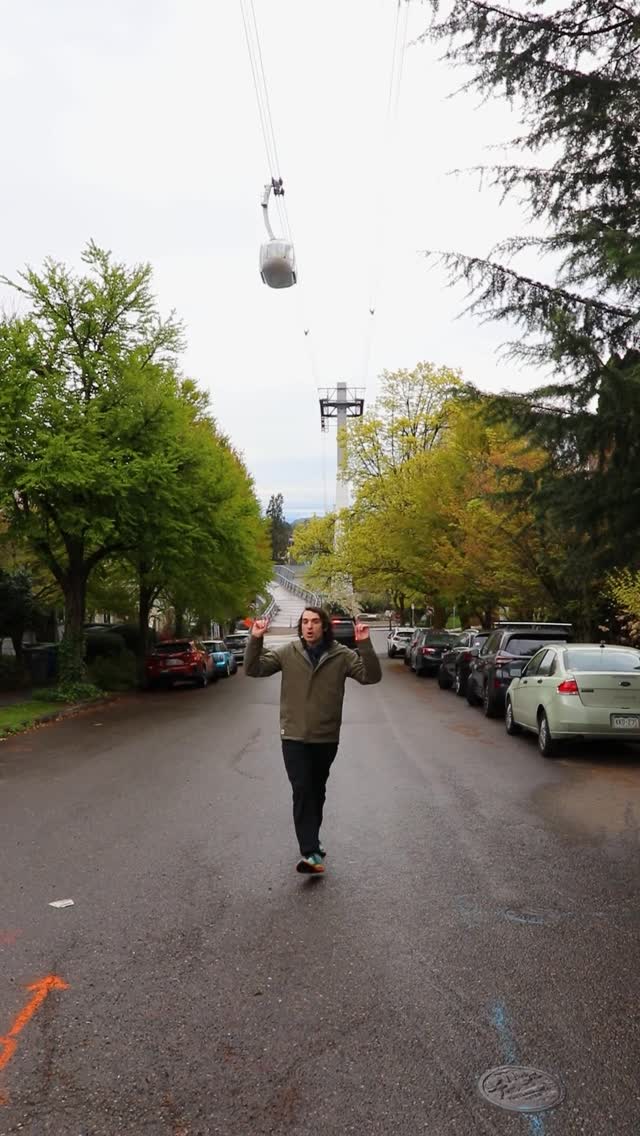
The creator stands on a street in Portland, Oregon, and tells the origin story of the OHSU aerial tram and a nearby pedestrian bridge. He explains how a railroad company's unusable mountain land was donated for a medical school, which was initially called "McKenzie's Folly" due to its inaccessibility. The creator details how the hospital's growth and need to expand to the waterfront a century later created a logistical problem, leading to the construction of the tram and bridge to connect the two campuses.
[02]
[03]
 73.8K1.7×Explaining a neighborhood's controversial name@lovecertt · Origin Story
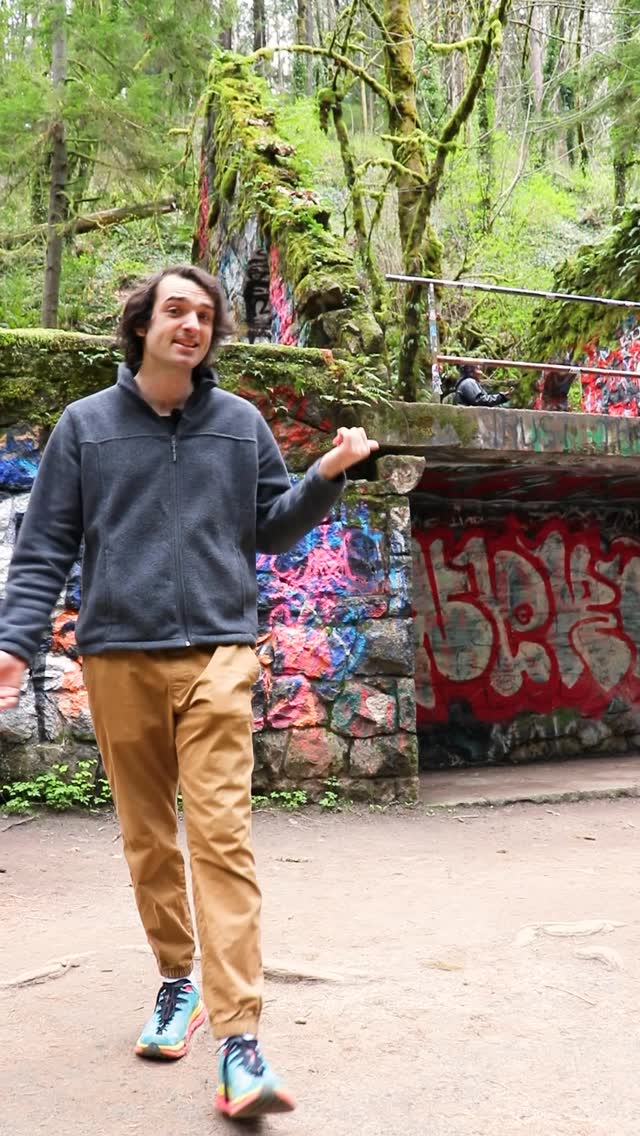 77.9K2×On-location storytelling about a local secret@shannonleonard · Location Showcase
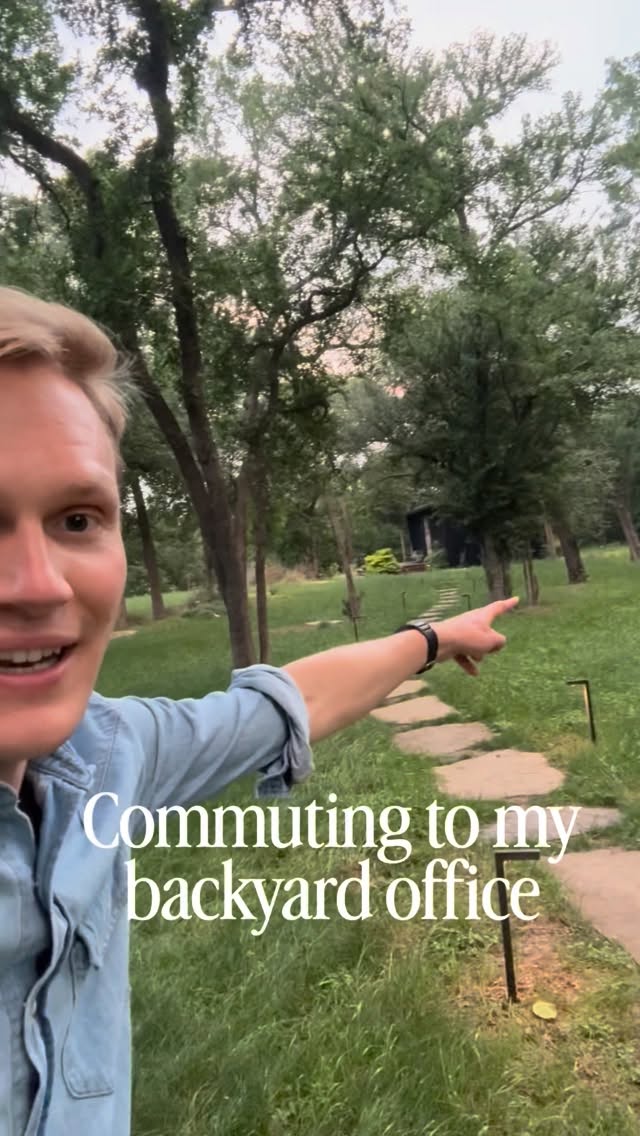 1.9M114.9×Creator shows backyard office commute@isaacfrench_ · Lifestyle Showcase
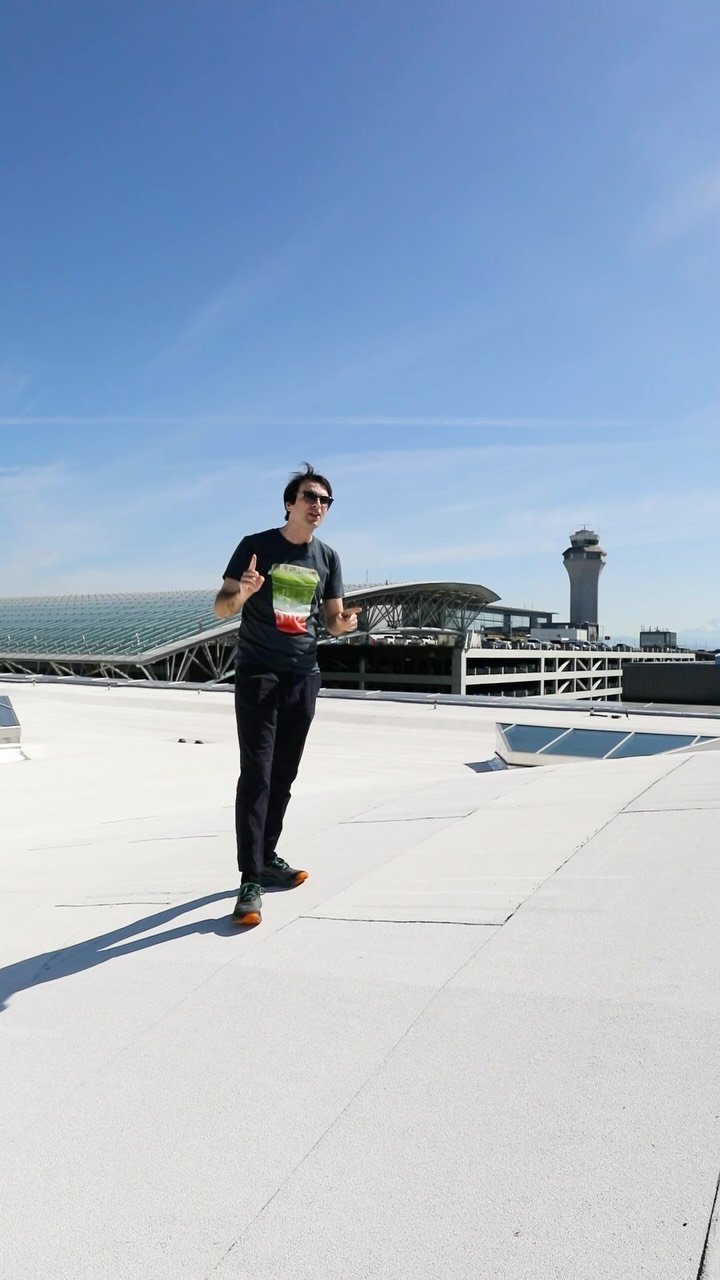 169.2KExplaining an airport's earthquake-proof roof@shannonleonard · Strange but True
 205.5K8.4×Documentary-style profile of social initiative@tdotbdot1 · Showcase
 1MTour of future indoor ski center@stoke.mountain · Location Showcase
 405.3KExplains a weird hotel's origin@uncouver_ · Strange but True
 140.1K33.7×Satirical city tour becomes home ad@felipe.freig · Showcase
 501.7KDocumenting day one of skyscraper renovation@skyscraperguy · Day X of Doing Y
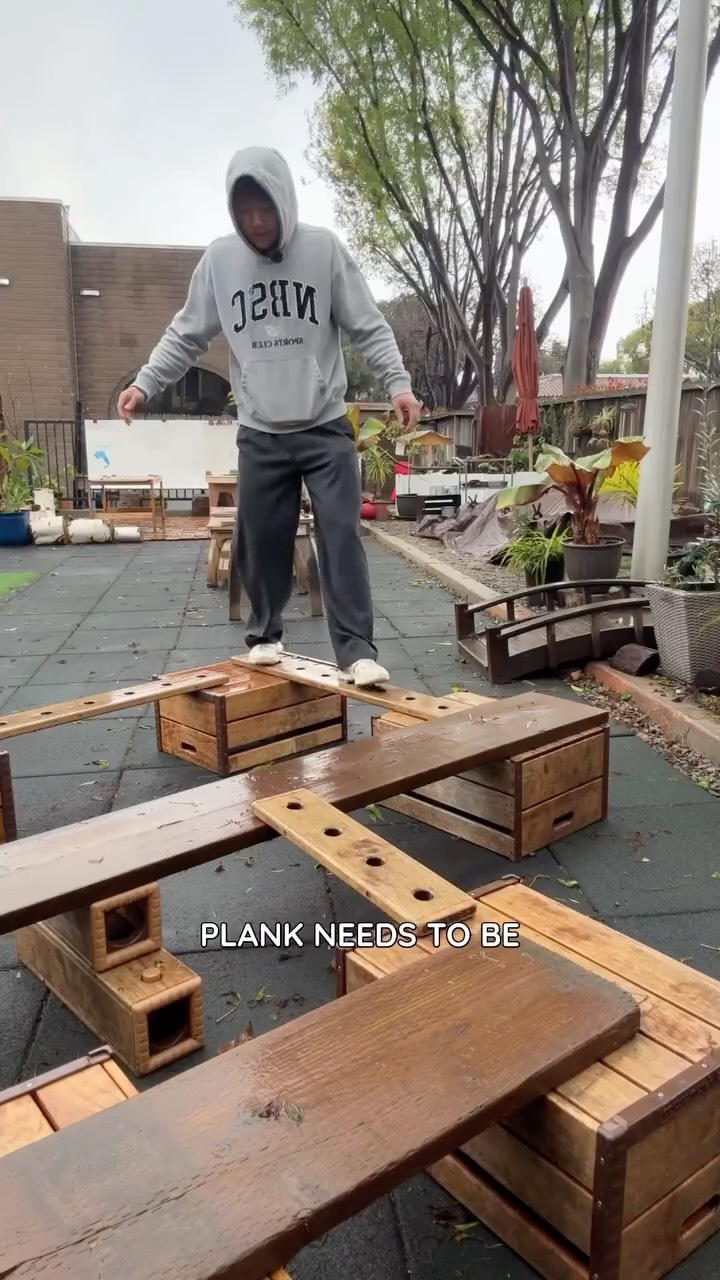 1.3M37.7×DIY playground build and philosophy@preschoolwithmrdanny · Value Vlog
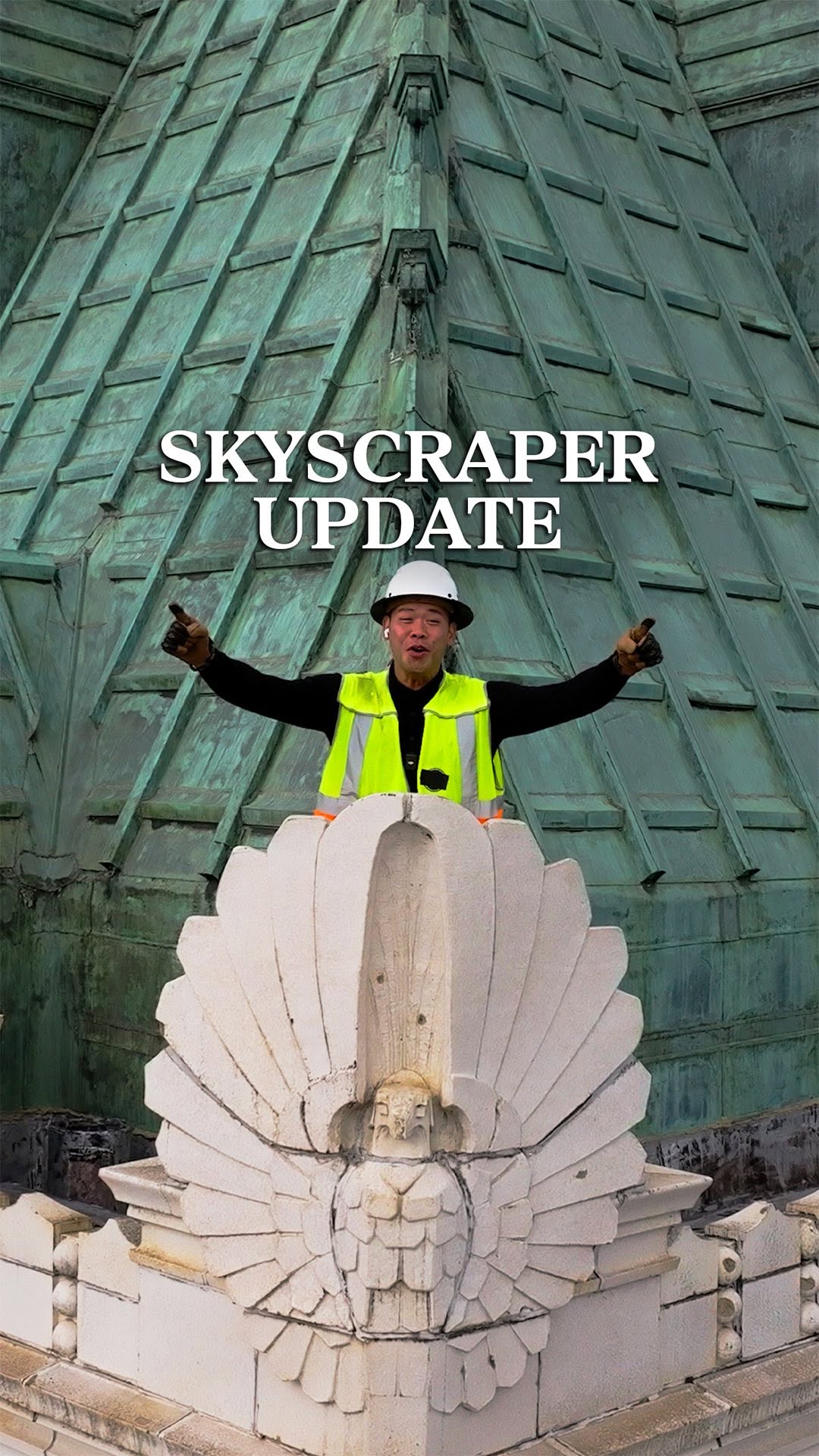 2.8M1.4×Skyscraper renovation project update tour@skyscraperguy · Journey Documentation
 583.5K5.2×Question, then visual answer reveal@bardneywatertower · Journey Documentation
[04]
[05]
What stops the scroll in the first 3 seconds
Verbal hook
Absolutely love Portland, Oregon, but this city has a secret that not many people know about.
Visual hook
A man stands in the middle of a wet street with two aerial tram cars hanging on cables directly above his head, creating an unusual and intriguing composition.
[07]
The promise the opener makes, and how the video pays it back
Hook
Introduce a familiar landmark or object and immediately claim it has a hidden secret or a story that most people don't know, creating an instant curiosity gap.
Payoff
Connect the entire historical narrative back to the object from the hook, revealing it as the elegant and necessary solution to the long-standing problem. This provides a satisfying 'full circle' moment of understanding.
[08]
The structural pattern this video runs on
Framework
The Hidden History
Re-contextualize a familiar object or place by revealing its surprising and problem-filled origin story, making the viewer see it in a completely new light.
The Foundational Flaw
Travel back in time to the origin of the subject. Introduce an initial, quirky, or seemingly illogical problem that set the entire story in motion.
The Improbable Catalyst
Introduce a key decision or character whose actions seemed foolish or counter-intuitive at the time but were essential for the next stage of development. Frame this as a 'folly' or a gamble.
The Paradox of Success
Show how the 'folly' unexpectedly succeeded over a long period, but demonstrate how this very success created a new, larger, or more complex version of the original problem.
The Modern Impasse
Clearly articulate the present-day, seemingly impossible challenge that resulted from the long history of compounding problems. Frame it as a direct question (e.g., 'How do you...?').
I love Portland - episode 32
contextual · middle
Source: ohsu.edu
Absolutely love Portland, Oregon, but this city has a secret that not many people know about. Underneath the aerial tram up there, there's a 700 foot pedestrian bridge and the story behind it all starts with a railroad that bought a mountain that they couldn't use. Back in the day, a rail tier. But a better named Kenneth McKenzie, who happened to work as a railroad surgeon, convinced them to give just 20 acres of that hilltop away for a medical school. People literally called it McKenzie's Folly because who builds a hospital on top of a People literally called it Mackenzie's Folly because who builds a hospital on top of a mountain that nobody can get to? But here's the thing about building a hospital on a mountain. Eventually, you run out of room. What happened next took over a hundred years to play out. That so called folly became OHSU, Portland's largest employer and one of the biggest medical campuses on the Best Coast. But it was still stuck on that hill and still, at the time, only reachable by two winding narrow roads. So when the hospital needed to expand down to the waterfront, they bad a problem. How do you connect a mountain top to a neighborhood a thousand meters away and 500 feet below? They looked at everything, shuttles, tunnels, funiculars, but then they did something that's only